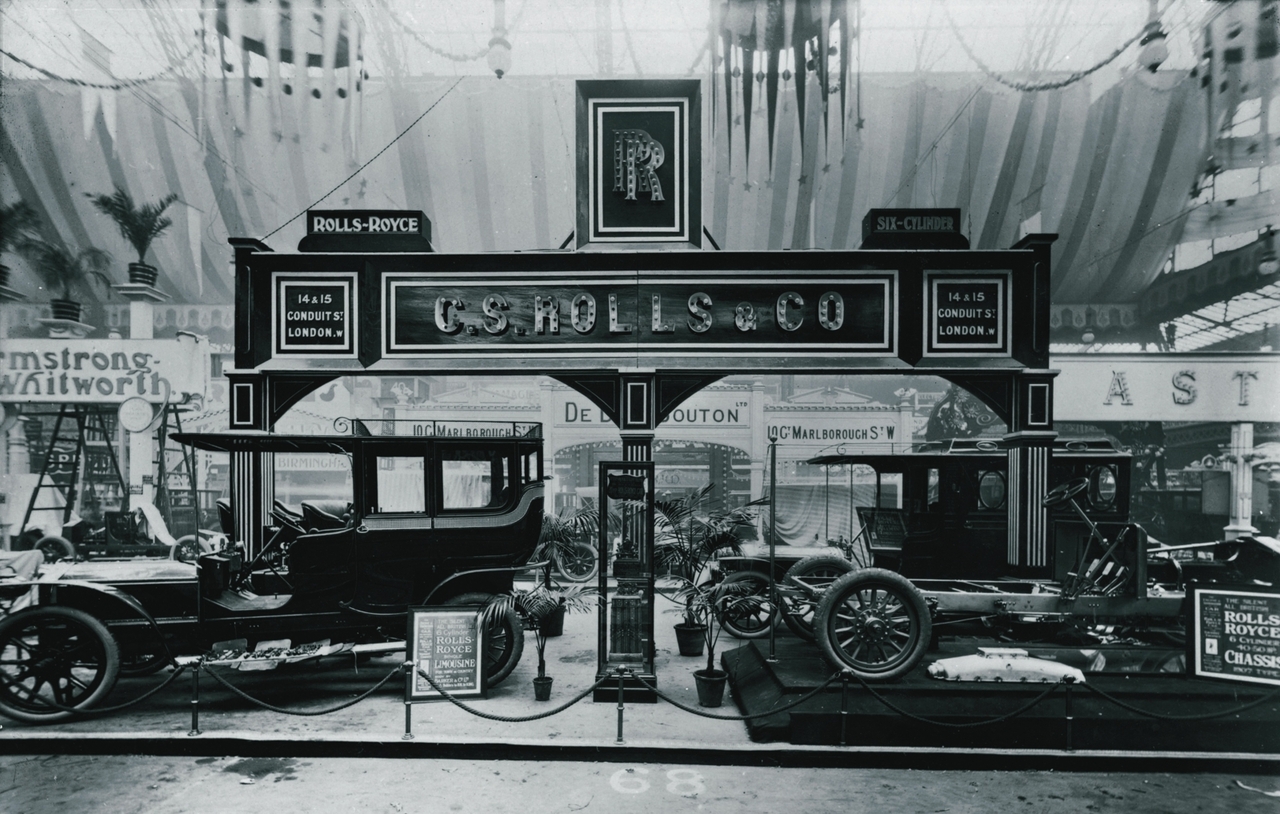
40/50 H.P. first unveiled at 1906 London Olympia Motor Show
Model earned reputation as 'the best car in the world'
Set new speed and fuel-economy records at 1911 London-Edinburgh trial
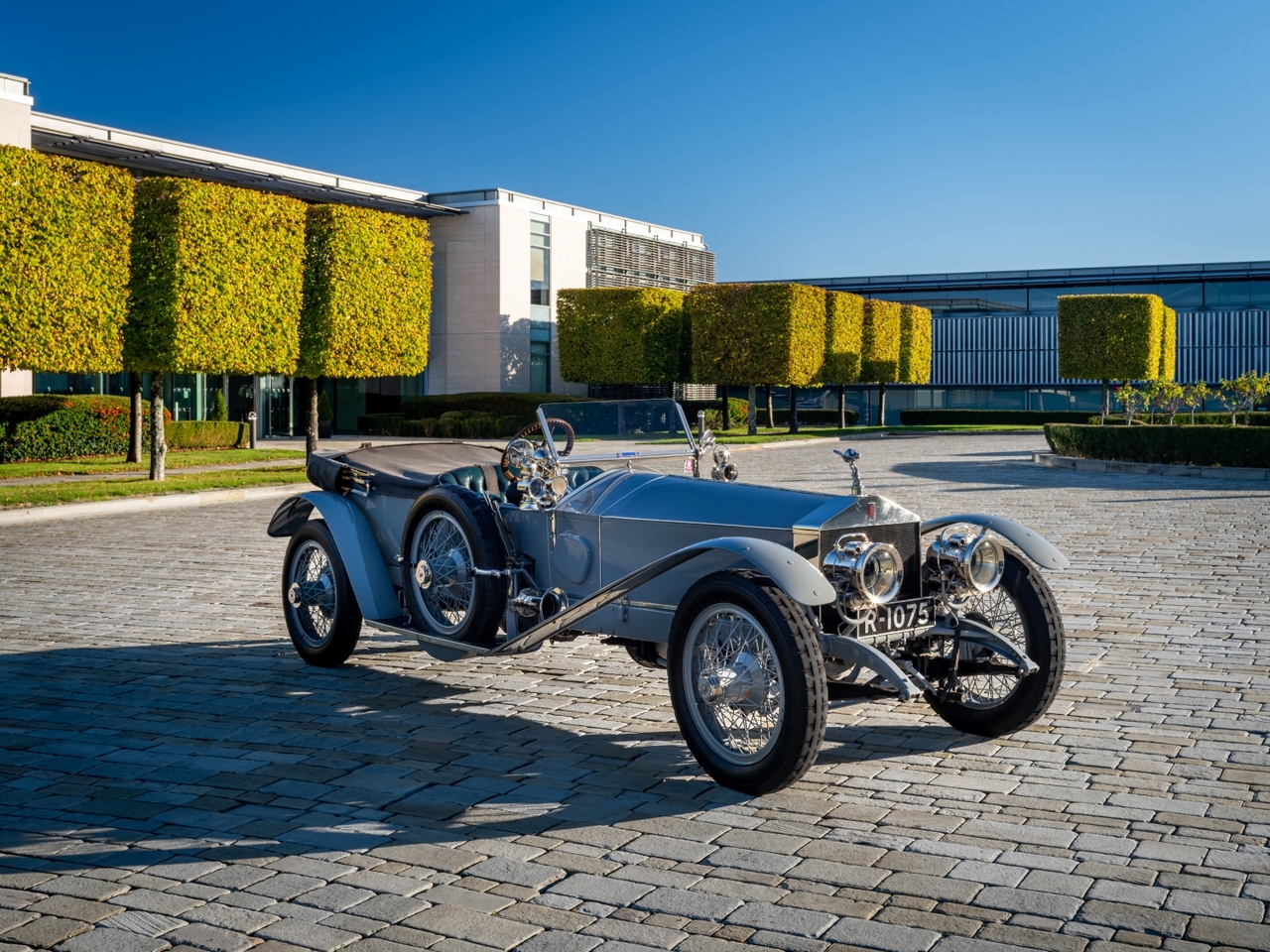
Rolls-Royce Motor Cars marked the 120th anniversary of the 40/50 H.P. — known as the Silver Ghost — on Monday (local time), calling the model the foundation of the brand's enduring reputation.
First unveiled at the London Olympia Motor Show in November 1906, the 40/50 H.P. was regarded as the most advanced automobile of its era. Its smooth six-cylinder engine and exceptional reliability reflected the technical ambitions of Henry Royce, who sought to overcome the mechanical limitations of early motorcars.
Claude Johnson, Rolls-Royce's first managing director, gave individual vehicles distinctive names to demonstrate their technical excellence to the public. The most celebrated example was chassis No. 60551, which Johnson named "Silver Ghost."
Finished in silver paint with silver-plated fittings, the car earned widespread acclaim. Other owners soon began calling their own 40/50 H.P. models Silver Ghosts, and the name gradually became the designation for the entire model line.
Under Johnson's direction, the Silver Ghost competed in a series of endurance trials and motor races, compiling an impressive record. Victories at the Scottish Reliability Trial, the London-Edinburgh run, the Spanish Grand Prix and the Austrian Alpine Trial established the model's reputation for technical excellence and dependability.
Among the most celebrated surviving examples is chassis No. 1701, now on display at the Home of Rolls-Royce in Goodwood, England. Nicknamed "The Sluggard" by Johnson, the car completed the 1911 London-Edinburgh trial with its gearbox locked in top gear, breaking fuel-economy and speed records previously held by Napier. Later that year, it became the first Rolls-Royce to exceed 100 miles per hour (about 161 kilometers per hour).
British newspapers took note. The Dundee Chronicle declared Rolls-Royce's engineering to be in a class of its own, while Country Life magazine described the car as the embodiment of everything a motorcar should be.
The Silver Ghost attracted a distinguished clientele spanning business, politics and the arts. Notable owners included aviation pioneer and yachtsman Tommy Sopwith, sewing-machine heir Paris Singer, financier Baron Alfred de Rothschild, Harland and Wolff chairman Lord Pirrie, composer Sir Hubert Parry, Sir Winston Churchill, and American aviator and filmmaker Howard Hughes.
Royal households also placed their trust in the Silver Ghost. In 1911, the Indian government ordered eight Silver Ghosts fitted with state landaulet coachwork for the ceremonial visit of King George V and Queen Mary to India.
The Silver Ghost is also closely linked to the origins of another Rolls-Royce icon, the Spirit of Ecstasy. A Silver Ghost owned by Lord Montagu of Beaulieu was the first car to carry the figurine, and sculptor Charles Sykes' Spirit of Ecstasy was adopted as the official Rolls-Royce mascot in 1911.
The Silver Ghost continues to bring driving pleasure to its owners today. In 2013, 47 Silver Ghosts retraced the 1,800-mile (about 2,900-kilometer) route of the 1913 Alpine Trial, including chassis No. 1701 and one of the cars that had actually competed in the original event.
In 2021, chassis No. 1701 completed the London-Edinburgh route once again with its gearbox locked in top gear, just as it had 110 years before.
"The Silver Ghost holds a special place in Rolls-Royce history," said Andrew Ball, Rolls-Royce Motor Cars' director of corporate communications and heritage. "Its remarkable technical achievements established a reputation for refinement, reliability and excellence that remains extraordinary even by today's standards."
Ball added that the response of those who experienced the Silver Ghost — and the elevated expectations it created for Rolls-Royce — was equally significant. "Even 120 years on, those expectations remain the standard Rolls-Royce strives to uphold," Ball added.
likehyo85@heraldcorp.com