
Two referred whistleblowers face charges; commission asks prosecution to consider immunity
Commission moves to establish legal basis for protection at investigation stage
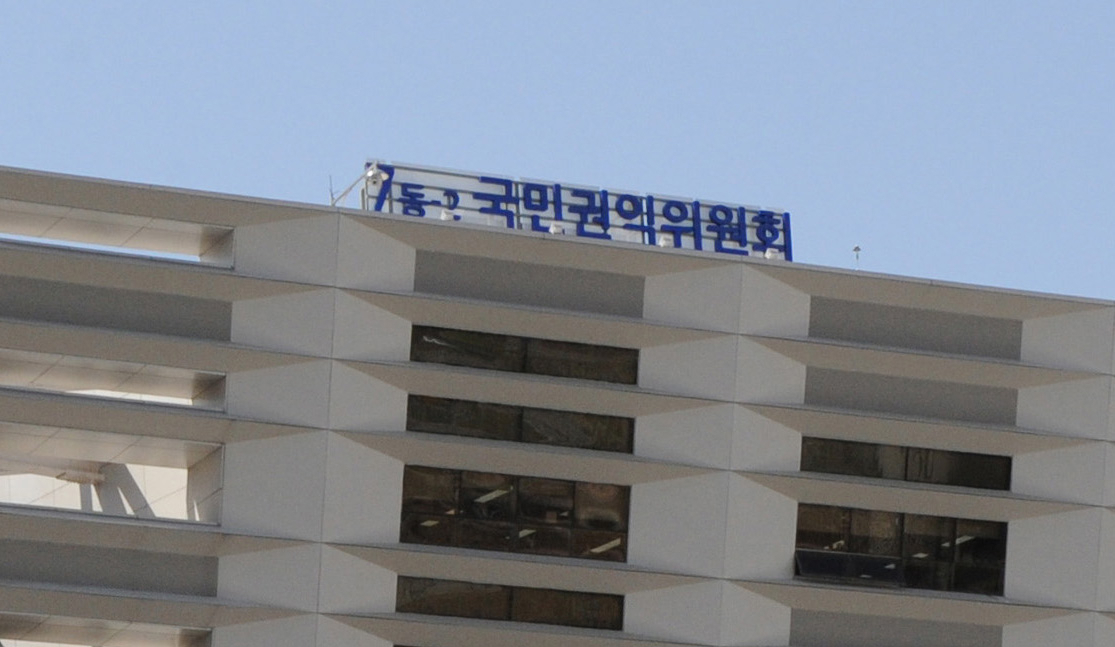
South Korea's Anti-Corruption and Civil Rights Commission has asked the prosecution service to consider granting immunity to whistleblowers who face criminal charges after reporting the so-called Coupang Inc blacklist allegations. Until now, the commission could only submit opinions at the trial stage, but it plans to protect whistleblowers from the investigation stage onward.
The commission announced Thursday that it had asked the Suwon District Prosecution Service on Monday to review granting immunity to two whistleblowers, identified as A and B, who were referred on charges of violating the Act on Promotion of Information and Communications Network Utilization and Information Protection while filing a public interest report.
A and others reported in 2024 that the company had allegedly compiled a blacklist of employees in violation of the Labor Standards Act. After the report was filed, the company lodged a complaint against them on charges including violations of the communications network law, but later withdrew it. Because violations of that law do not fall under offenses that require the victim's consent to prosecute, the investigation continued regardless of the withdrawal. The case was ultimately referred to the prosecution service with a recommendation for indictment.
The request highlights a gap in the current system. Article 14 of the Public Interest Whistleblower Protection Act, which provides the legal basis for immunity, allows the commission to demand reductions in disciplinary or administrative penalties from those with disciplinary or administrative authority, and to submit opinions on criminal penalty reductions to courts handling trials.
No equivalent provision exists, however, for investigative agencies such as police or for the prosecution service. As a result, the commission has had difficulty actively protecting whistleblowers before indictment, even when they are under investigation or have been referred to prosecutors.
Going forward, the commission plans to promptly convey its views on the need for immunity to investigative agencies and the prosecution service whenever a whistleblower comes under investigation in connection with a report, ensuring the intent of the immunity regime is reflected. Alongside this, the commission said it will seek to establish a legal basis allowing it to formally demand immunity from investigative agencies and the prosecution service, addressing the gap in existing legislation.
"It is the role of the Anti-Corruption and Civil Rights Commission, as the body overseeing whistleblower protection, to prevent as much as possible the risk of whistleblowers being exposed to criminal punishment simply for having the courage to come forward," commission Chairperson Jeong Il-yeon said. "We will continue to protect public interest whistleblowers in a more robust and substantive way."
rimsclub@heraldcorp.com




