
14th B737-8 joins fleet
Next-gen aircraft now 33% of 43-plane fleet
One more new aircraft to arrive by year-end
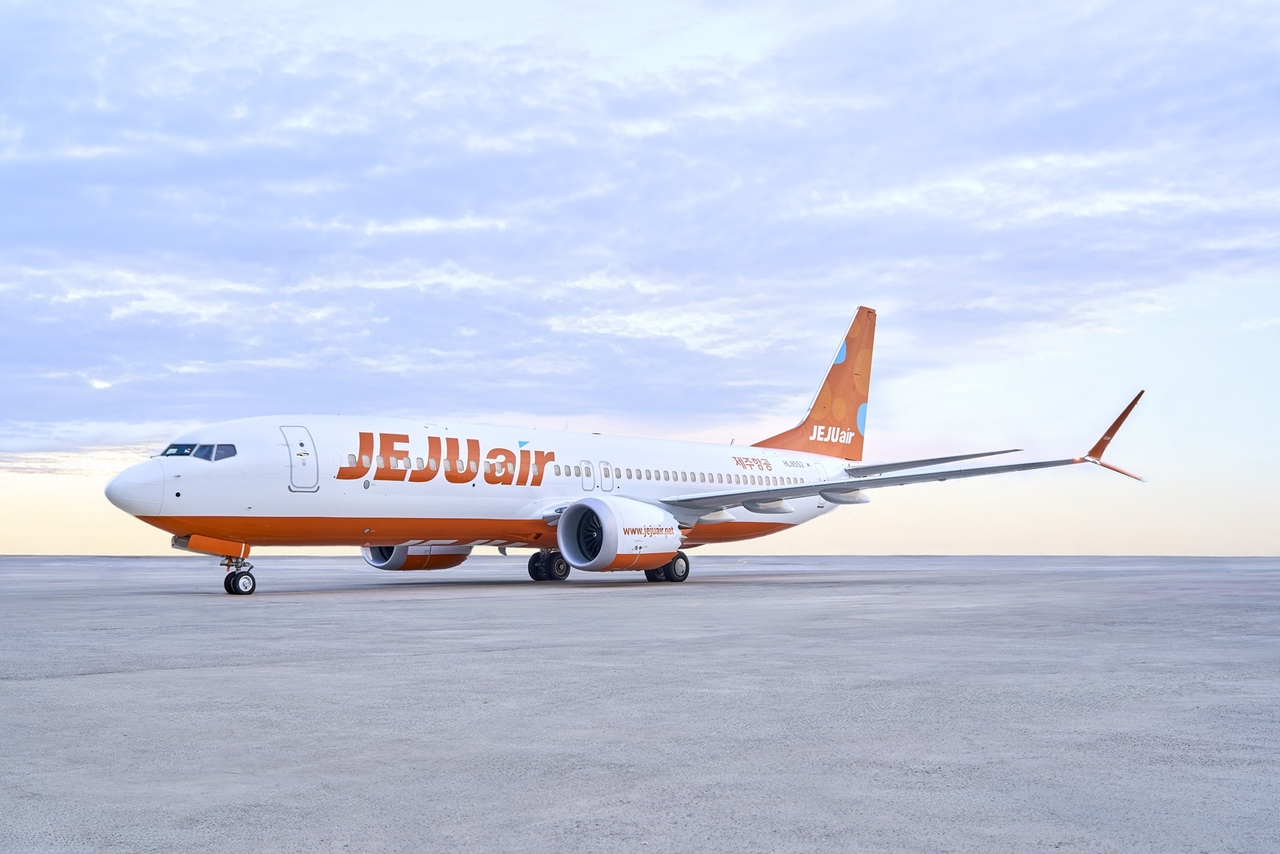
Jeju Air is replacing one in three of its passenger aircraft with next-generation jets as it moves to counter high fuel prices. The carrier's strategy centers on expanding its fleet of fuel-efficient new aircraft while phasing out older planes to lower fuel and maintenance costs.
Jeju Air said Thursday it had taken delivery of its 14th Boeing B737-8 on Wednesday through an outright purchase. The new aircraft will enter service after completing required regulatory procedures, including an airworthiness certification.
The addition brings Jeju Air's total B737-8 fleet to 14 aircraft. Next-generation planes now account for 32.6 percent of the carrier's 43-strong passenger fleet — roughly one in three.
The number of aircraft owned outright has also grown to 15, representing 34.9 percent of the total fleet. Jeju Air is the only low-cost carrier in South Korea to own any of its aircraft.
With new deliveries running alongside the retirement of older jets, the average age of the carrier's fleet has fallen to 11.4 years. Jeju Air plans to purchase one additional B737-8 before the end of the year to continue its fleet modernization.
Jeju Air first introduced the B737-8 in 2023 with two aircraft and has steadily added more since. The carrier operated five of the type in the first half of last year; that figure rose to 12 in the first half of this year and has now reached 14 this month.
The primary driver behind the fleet expansion is savings on fuel and maintenance.
The B737-8 is more fuel-efficient than the B737-800NG that Jeju Air has traditionally operated. Compared with the older model, the newer jet can cut fuel consumption and carbon dioxide emissions by at least 15 percent.
Its parts also have a longer replacement cycle, making it easier to reduce maintenance, repair and overhaul costs. While the upfront purchase price is significant, operating the aircraft over the long term allows the carrier to trim fuel and maintenance expenses.
With fuel prices remaining elevated, the cost savings from introducing newer aircraft have drawn increasing attention.
According to Opinet, the oil price information system run by the Korea National Oil Corporation, the average price of kerosene — the main component of jet fuel — came to $140.80 per barrel in the first half of this year, up 64.4 percent from $85.65 in the same period last year.
Over the same period, however, Jeju Air's fuel costs rose by only 42.6 percent — 21.8 percentage points below the increase in kerosene prices.
Jeju Air attributes part of that gap to improved fuel efficiency from its expanded B737-8 operations, which it says helped offset some of the pressure from rising fuel prices.
Notably, the number of flights operated in the first half of this year rose 8.8 percent from a year earlier. Fuel cost growth lagged the rise in kerosene prices even as flight volumes increased, pointing to the tangible benefits of fleet modernization, the carrier said.
Alongside adding new aircraft, Jeju Air is also returning and disposing of older, higher-age jets. The carrier aims to improve the operational efficiency of its existing fleet and adjust the balance between owned and leased aircraft to manage long-term cost pressures.
"Introducing new, fuel-efficient aircraft plays an important role in easing the burden of operating costs in a high fuel-price environment," a Jeju Air official said. "We plan to enhance operational efficiency through fleet modernization and build a more solid foundation for sustainable growth."
kwater@heraldcorp.com




