Charlie Cook calls it a 'unicorn election' unlike any before
Rural voters angry over high gas prices, tariffs and immigration crackdown
Disenchanted Republicans may stay home rather than back Democrats
Nate Silver warns a GOP rout could signal 'the end of the Trump era'
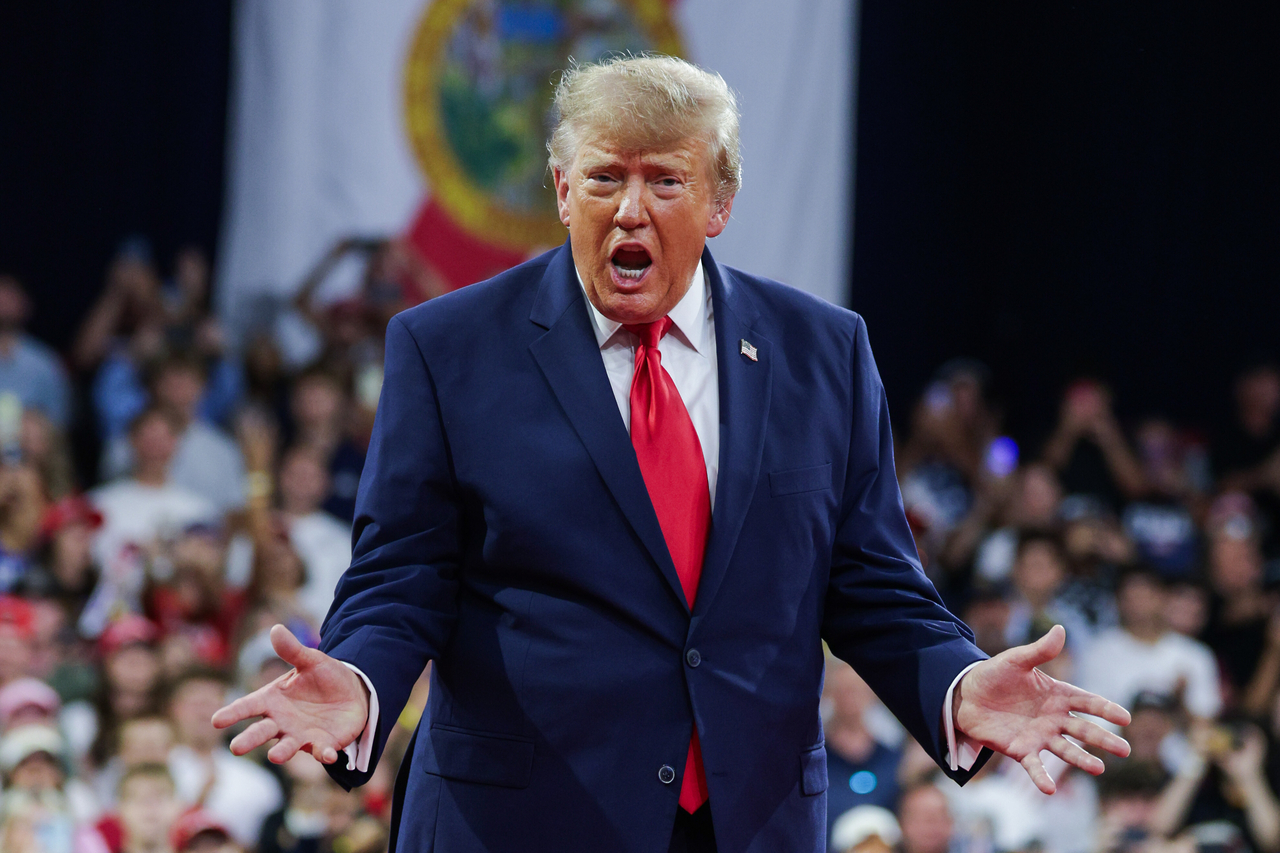
Disaffected Republican voters who have turned their backs on President Donald Trump are emerging as a pivotal variable in the Nov. 3 midterm elections. Analysts say traditional Republican supporters — frustrated with the Trump administration's policies on high energy prices, tariffs and the war with Iran — could either sit out the election or refuse to back Republican candidates.
According to the Cook Political Report, a US election analysis firm, founder Charlie Cook said Wednesday (local time) that this year's midterms defy the patterns of past elections, calling them a "unicorn election."
While independent and moderate voters have historically determined the outcome of US elections, Cook said the choices made by disillusioned Republicans could be the decisive factor this time.
"The key group in this election is Republican voters who have no intention of voting for a Democratic candidate," Cook said. "Many of them live in rural areas and small towns and work in agriculture."
Those voters are particularly angry about high fuel prices, tariffs and the trade war. The administration's trade conflicts with longstanding allies and neighboring countries were also cited as a source of growing resentment.
"They think the president has made the wrong decisions," Cook said. "Particularly, they feel that the attack on Iran and the trade policies have made it harder to keep their farms and businesses running."
Strict immigration enforcement has added to the discontent. The crackdown on undocumented workers has reduced the labor supply on farms and at businesses, directly hitting livelihoods.
"These rural voters expected that a Democratic president or Democratic politicians wouldn't understand their lives and livelihoods," Cook said. "But they are surprised that a Republican president — especially Trump — could be so indifferent to how his decisions affect his most loyal supporters."
Frustration with elected Republican officials is also running high. Analysts noted that Republican lawmakers have not done enough to push back against Trump administration policies that are hurting the party's own base.
How that discontent will translate into actual voting behavior remains uncertain.
Cook predicted that disgruntled Republican voters might reluctantly cast ballots for Republican candidates, or might show up at the polls but skip some Republican races. Some could abstain entirely or back third-party candidates.
Cook said he sees a greater likelihood of a "red undertow" — a cooling of enthusiasm among Republican voters — than a "blue wave" of surging Democratic support sweeping across the country.
The underwhelming quality of Republican candidates was also flagged as a liability.
According to Cook, of the nine competitive Senate races, five — in Alaska, Kansas, Ohio, South Carolina and Mississippi — feature Republican incumbents seeking reelection. Even sitting lawmakers have failed to demonstrate a clear competitive edge, further darkening the party's electoral outlook.
On the reliability of polling, Cook said it is important to distinguish between a presidential election in which Trump is on the ballot and this year's midterms. Past polling errors, Cook explained, occurred mainly when Trump's name appeared on the ballot.
That suggests Republicans may not be able to reverse the deficits shown in current polls when voters actually go to the polls.
Election forecaster Nate Silver also predicted that a heavy Republican defeat in the midterms would rapidly erode Trump's political influence.
In an interview with The New York Times, Silver said that if the midterm results come in close to current polling projections, Trump could fall into a severe lame-duck period.
"In some ways, it would mark the end of the Trump era," Silver said.
Once the midterms are over, both the Democratic Party and the Republican Party are expected to begin internal realignments in preparation for the 2028 presidential election. Observers say a major Republican defeat could weaken Trump's grip on the party during that process.
Silver founded the election-forecasting website FiveThirtyEight in 2008 and built a reputation by accurately predicting the outcomes of the 2008 and 2012 presidential elections.
Cook is also one of the country's foremost election analysts, having founded the Cook Political Report in 1984. The outlet is among the most frequently cited sources for race-by-race analysis ahead of major US elections.
sjy@heraldcorp.com