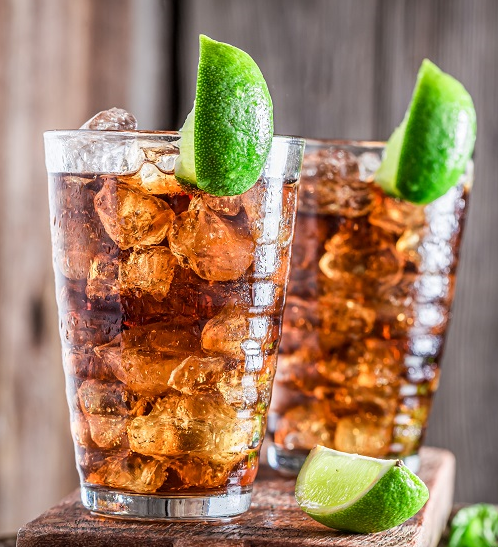
People who regularly drink black tea-based iced tea or grapefruit juice may want to reconsider the habit. Specialists are warning that both beverages can raise the risk of developing kidney stones.
Urologists advise checking the types of drinks consumed and overall hydration habits as part of kidney stone prevention, according to Parade, a US health media outlet, on Tuesday.
Kidney stones form when minerals in urine crystallize into hard deposits in the kidneys. The condition results from a combination of factors, including genetics and lifestyle, and inadequate fluid intake is considered a major risk factor.
"Among the many factors that contribute to kidney stones, insufficient fluid intake is an important shared risk factor," said Dr. Shiv Patel, a US-based urologist.
The two drinks specialists singled out for caution are black tea-based iced tea and grapefruit juice.
Black tea contains oxalate, a compound that, when consumed in excess, can bind with calcium in the urine and increase the likelihood of stone formation. "Consuming too much black tea causes oxalate to accumulate in the body, where it binds with urinary calcium and raises the risk of forming calcium oxalate stones," Patel said.
Drinking iced tea does not inevitably lead to kidney stones, however. The risk varies depending on the amount consumed, an individual's overall health and dietary habits.
Adding lemon can help offset the risk for iced tea drinkers. Citrate, which is abundant in lemons, inhibits calcium in the urine from binding with oxalate, reducing the likelihood of stone formation.
Grapefruit juice also warrants caution and should not be consumed in large quantities.
"Research suggests that excessive grapefruit juice consumption raises the risk of kidney stones, though the exact mechanism has not yet been identified," Patel said. "Rather than banning specific drinks outright, it is more important to monitor overall intake and dietary habits."
Kidney stones often produce no noticeable symptoms in the early stages. While a stone remains inside the kidney, pain is minimal, and stones are sometimes discovered incidentally during tests conducted for other reasons.
Once a stone moves into the ureter and obstructs urine flow, however, it can trigger sudden and severe pain.
Staying well hydrated is the most important step in preventing kidney stones. When fluid intake is low, urine becomes concentrated, making it easier for stone-forming substances to clump together. Replenishing fluids after exercise or on days of heavy sweating is especially important.
yeonjoo7@heraldcorp.com