
Triticale, nematode-suppressing sunn hemp added to support list
Preliminary applicant selection rate raised from 10% to 20%
National funding for fertilization consulting cut from 100% to 50%
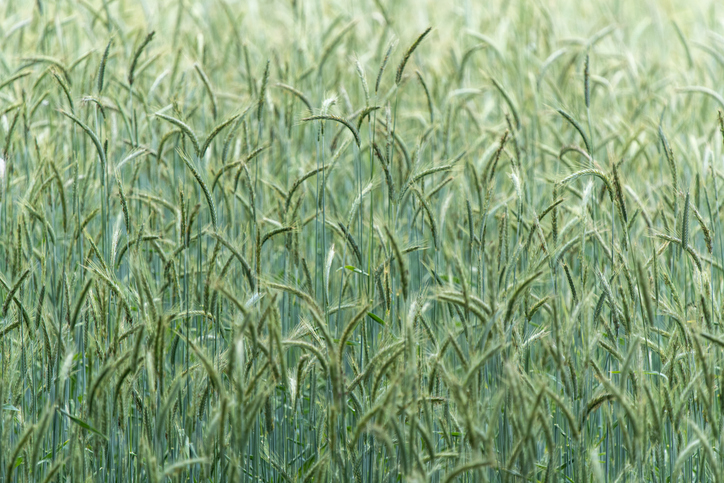
Starting next year, the number of green manure crop seed varieties eligible for government support under South Korea's eco-friendly farming program will increase from six to eight. Triticale, which supplies organic matter to soil, and nematode-suppressing sunn hemp, which helps improve soil conditions, will be newly added to the support list. The share of preliminary applicants selected to cover order changes or cancellations will also be doubled.
The Ministry of Agriculture, Food and Rural Affairs announced Wednesday it will revise the guidelines for its 2027 "Organic Farming Materials Support" project to broaden farmers' crop choices and improve operational efficiency.
The project is designed to reduce production costs for eco-friendly farmers and encourage broader participation in organic agriculture. The revision reflects requests from farming communities and improvements identified during program operations.
The most significant change is the expansion of green manure crop seed support. Green manure crops are grown and then incorporated into the soil to supply organic matter and nutrients, helping boost soil fertility.
Triticale, one of the two newly added varieties, is suited for both paddy and upland fields and helps supply organic matter to the soil. Sunn hemp is known to supply nitrogen and potassium while improving soil conditions, and can also be used in greenhouse cultivation.
However, the minimum order quantity per farming entity for each green manure crop seed variety will rise from 5 kilograms to 20 kilograms. The ministry said raising the threshold is intended to improve operational efficiency.
The preliminary applicant selection rate will also increase from 10% to 20%, a move aimed at addressing the frequent occurrence of order changes and cancellations after applications are submitted. Securing a larger pool of preliminary applicants is intended to ensure more stable allocation of program supplies.
The cost-sharing framework will also change. Of the 30 percent local government share applied to green manure seeds, organic farming materials and raw material support, metropolitan cities and provinces will cover 30 percent while cities, counties and autonomous districts will cover the remaining 70 percent. The ratio may be adjusted based on local fiscal conditions and project circumstances.
The national government's share of consulting costs — including fertilization prescription services — will be cut from 100 percent to 50 percent. The ministry said the change is meant to strengthen accountability among program participants and improve budget efficiency.
Eligibility and participation criteria will also be tightened. When providing organic farming materials to conventional farms without eco-friendly certification, priority support will go to producer organizations and farmers designated as part of "eco-friendly agriculture base establishment" cluster zones. Criteria for restricting program participation in cases of revoked certification, sales bans or corrective orders on organic farming materials will also be made more specific.
Program management will be strengthened as well. During the green manure seed application and delivery process, agencies will be required to verify that quantities registered in the National Agricultural Cooperative Federation's computer system match those recorded by city, county and district offices. Responsibilities will also be more clearly defined for each relevant agency.
The ministry plans to brief local governments on the revised guidelines this month and distribute implementation instructions. Applications will be accepted in November and December, with program allocations to be finalized and recipients confirmed in February next year.
Lee Si-hye, the ministry's director general for agro-industry innovation policy, said the revision will better meet the needs of farmers in the field and strengthen eco-friendly farmers' access to the program as well as local governments' capacity to participate. "This project is expected to serve as a catalyst for fulfilling national policy goals and contribute to building a sustainable foundation for eco-friendly agriculture," Lee said.
adastra@heraldcorp.com




