Aging population and sluggish housing transactions weigh on mobility; Incheon and Chungcheong region see net inflows while Seoul loses residents
The number of people who changed their place of residence in South Korea last month fell to its lowest level in 53 years, as population aging, a slowdown in housing transactions and the Chuseok holiday combined to sharply suppress domestic migration.
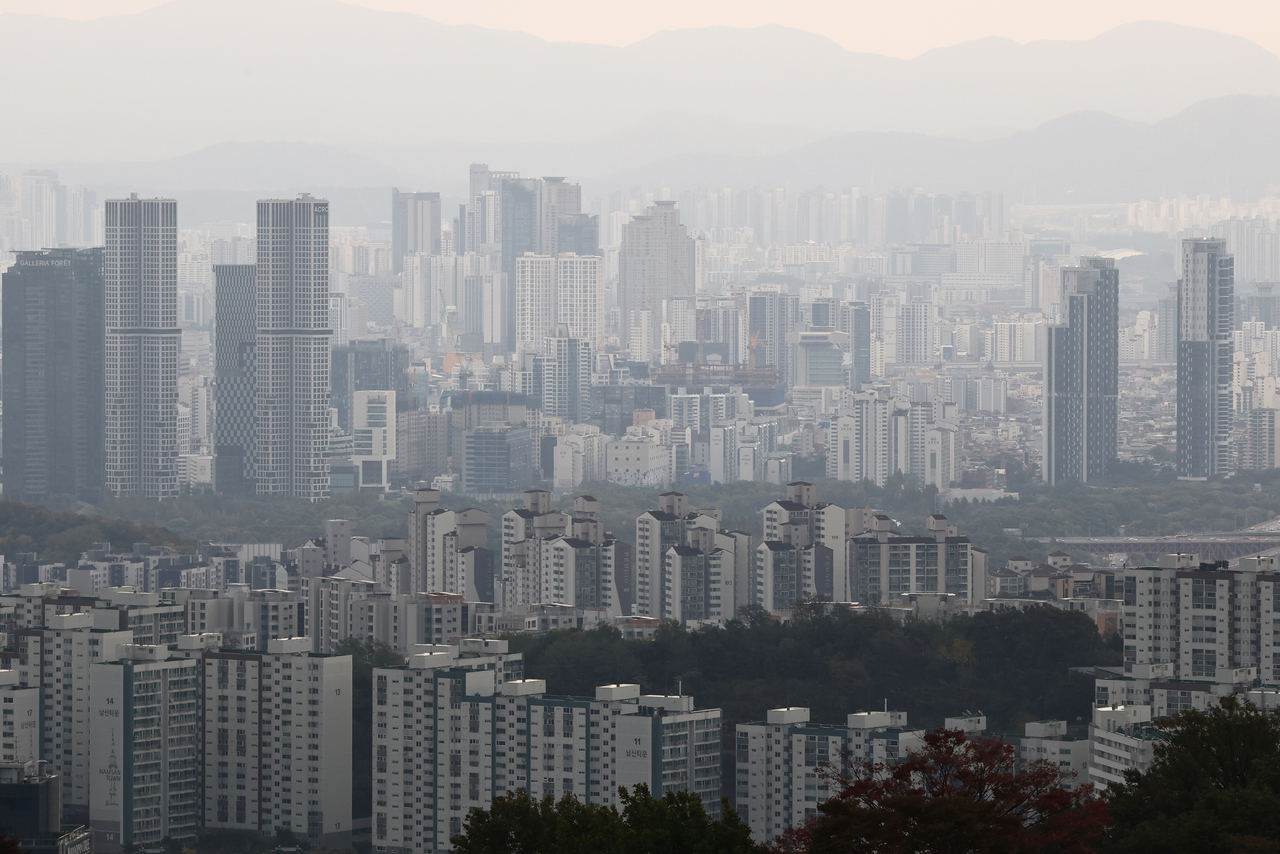
The number of people who crossed administrative boundaries to change their residence last month stood at 444,000, down 50,000, or 10.1 percent, from the same month last year, according to domestic migration statistics for September 2026 released by the Ministry of Statistics on Wednesday. That is the lowest figure for any September since 1973, when 378,000 people relocated.
The migration rate — the number of movers per 100 people — fell to 10.6 percent, down 1.2 percentage points from a year earlier. That is the lowest level since the government began compiling the data in 2000.
Domestic migration has been on a long-term downward trend driven by population aging and overall population decline, and is also affected in the short term by housing transaction volumes and the number of new apartment units scheduled for move-in. This September, unlike last year, the Chuseok holiday fell within the month, further dampening residential moves.
Despite the nationwide decline, the Chungcheong region — home to a concentration of semiconductor industry activity — recorded a net population inflow.
By region, Incheon posted the largest net inflow at 1,956 people. South Chungcheong Province (1,032) and North Chungcheong Province (830) were among six metropolitan cities and provinces that saw more people move in than out. Housing supply and employment opportunities were cited as key factors driving those inflows.
Seoul, by contrast, recorded a net outflow of 2,359 people. South Jeolla Province and Gwangju (minus 531), Busan (minus 401) and seven other cities and provinces also saw more residents leave than arrive.
Incheon had the highest net migration rate at 0.8 percent, followed by North Chungcheong Province and South Chungcheong Province, each at 0.6 percent. Sejong (minus 0.9 percent), Ulsan (minus 0.4 percent) and Jeju (minus 0.4 percent) recorded net outflows.
The decline in migration was evident across the entire third quarter. The total number of domestic movers from July through September came to 1.383 million, down 158,000, or 10.2 percent, from the same period a year earlier — the lowest third-quarter figure since 1973, when 1.247 million people relocated.
The third-quarter migration rate also hit a record low of 10.8 percent, down 1.2 percentage points from a year earlier. The number of movers had already declined in July and August as well, weighed down by sluggish housing transactions and a drop in the number of completed apartment units.
y2k@heraldcorp.com