US and Russia discuss reviving joint energy projects off Sakhalin after the war ends
Lifting sanctions on Russia's sovereign wealth fund also under consideration
Concessions keep flowing to Moscow with no progress on ceasefire negotiations
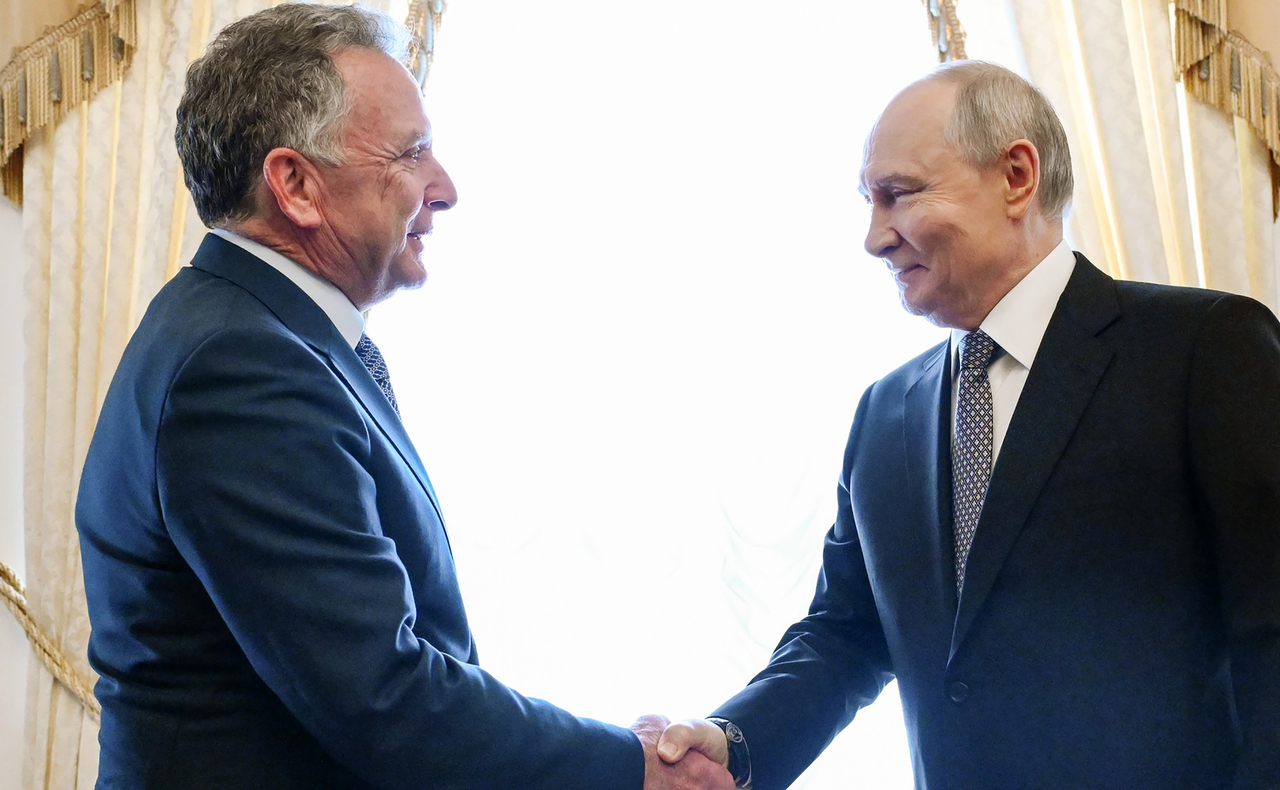
The diesel deal was only the beginning. The United States has now entered discussions about bringing major American oil companies back into Russia's energy market — a move that would extend well beyond diesel to normalize Russia's broader oil sector. Washington is also weighing whether to lift sanctions on Russia's sovereign wealth fund, widely regarded as a slush fund for President Vladimir Putin. The Trump administration insists these steps are meant to keep Russia at the peace table, but critics say Moscow has been collecting economic concessions without offering anything in return on the ceasefire front, leaving Putin with a string of gifts and no obligation to negotiate.
The Financial Times reported Tuesday (local time) that the US and Russia, having already agreed on a diesel trade deal and a partial sanctions freeze, are now in talks about allowing American companies to re-enter the Russian oil market.
According to the report, the two countries have recently discussed reviving joint ventures involving major US oil companies off Russia's Far Eastern Sakhalin coast once the war ends. They are also said to be exploring a plan under which American oil majors would participate in transporting Russian crude through the Druzhba pipeline for sale in Europe.
If US companies do return to the Sakhalin energy project, ExxonMobil is the most likely candidate. The American oil giant had been a partner in Sakhalin-1, a large-scale energy development project producing crude oil and natural gas off Sakhalin Island, but pulled out after Russia's invasion of Ukraine. Russia subsequently seized ExxonMobil's 30 percent stake and transferred operational rights to a Russian company. Last year, ExxonMobil said it was in talks with Russia over compensation for the seized stake but had no plans to resume operations in the country.
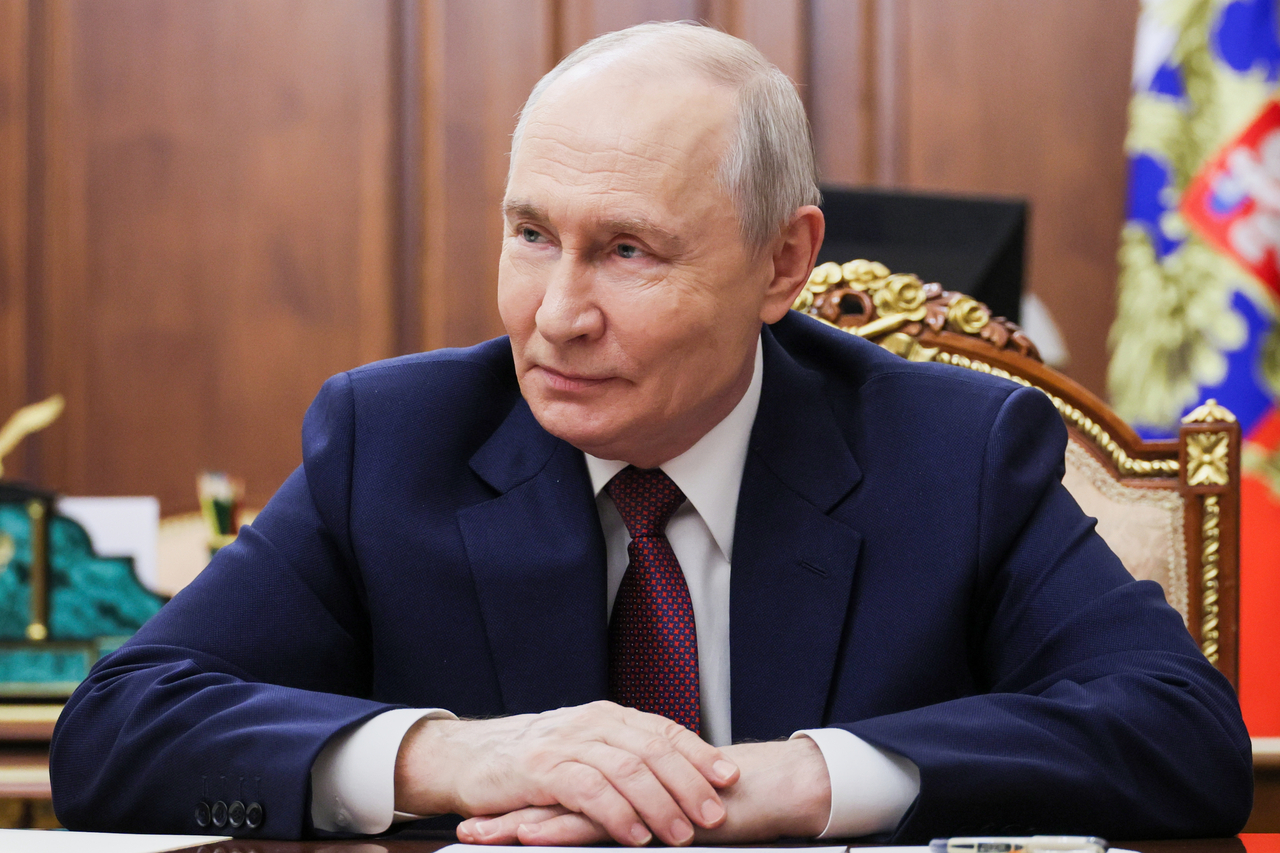
The Trump administration is also considering lifting sanctions on Russia's sovereign wealth fund, which has been described as a vehicle for Putin's slush fund.
The New York Times reported Wednesday that the administration is reviewing whether to remove sanctions on the Russian Direct Investment Fund (RDIF), Russia's flagship state-run investment vehicle. The RDIF has invested billions of dollars in Russian companies alongside foreign investors from the Middle East and elsewhere. Former President Joe Biden placed the fund under sanctions in February 2022, shortly after Russia's invasion of Ukraine, calling it Putin's "slush fund" and "a symbol of the kleptocracy that has taken root in Russia."
Lifting sanctions on the RDIF was among the conditions Russia sought in the diesel trade agreement with the US. The fund is said to play a central role in that deal.
The Trump administration has defended its approach, arguing that negotiating a series of economic cooperation arrangements with Russia is necessary to bring Moscow to the peace table. But critics say Trump is handing Putin economic benefits without pressing for an end to the war — delivering gifts to the Kremlin day after day while keeping ceasefire talks off the agenda entirely.
A former Biden administration official said lifting sanctions on the RDIF "would be a very strong signal that the United States is retreating from its previous position of not easing economic sanctions and other costs until a deal is reached in Ukraine."
Diplomats have also raised concerns about the structure of the talks themselves, with peace negotiations and business discussions taking place at the same table. In September, Trump's special envoy Steve Witkoff met Putin in St. Petersburg and discussed business deals during the meeting. When Witkoff met Putin again on Tuesday, press photographs showed his notepad bearing the words "Business Deals."
kate01@heraldcorp.com