Welfare patrol volunteer finds unconscious 90-year-old and calls 119; network spans residents, meter readers and postal workers
A single missed call from a 90-year-old living alone was not ignored by a neighbor.
Jeon Min-jeong, a welfare patrol volunteer in Yeonhui-dong who regularly checked on the elderly resident, visited the home and found the person unconscious on the floor. She called 119, notified the family and the local community center, and passed along word that post-discharge care services would be needed.
Catching a crisis before social isolation deepens requires the kind of everyday relationship where someone simply asks, "Are you all right?" Seodaemun-gu runs an isolation-prevention program in which residents and workers in daily-contact occupations watch for warning signs, while public and private welfare agencies connect those in need with support.
The care network draws in not only local residents through neighborhood care teams and welfare patrol units, but also gas and water meter readers, postal carriers and staff at welfare shops — people whose work keeps them close to residents' daily lives. Through this public-private partnership, the district has so far identified and supported more than 2,500 residents at risk of isolation.
Once someone is identified, support is tailored to their living conditions and age. Alongside immediate assistance, the district runs programs designed to rebuild everyday connections — outings, hobby activities and exchanges with neighbors.
For young people, the district offers a program called "Youth, Connected Together," which supports mental health and daily recovery. Young people who have attempted suicide or self-harm are linked with the mental health welfare center and provided a "mind kit" to help relieve stress.
For middle-aged single-person households, the district runs "Together Life 2," a self-care and mutual-care program, and a hobby-sharing initiative called "Wise Seodaemun Living." A separate "welfare check savings" program encourages participants to check in on one another and go out more.
An "everyday challenge support project" for older residents helps participants follow through on personal daily goals they set for themselves — activities such as "walk 30 minutes every day" or "call a neighbor to say hello" — broadening opportunities for social participation.
Local welfare agencies, police and the fire department are also part of the network. Seodaemun General Social Welfare Center and Hongeun General Social Welfare Center have been designated as dedicated agencies for isolated households, and an isolation-prevention council involving 18 organizations works together to identify and support households in crisis.
Support for daily recovery — covering housing and health — runs in parallel. In July, the district was selected as a local government recipient of a Ministry of Health and Welfare and KMI sponsorship grant, securing 50 million won ($37,800) to fund youth housing improvements, dental care for middle-aged residents and basic necessities packages.
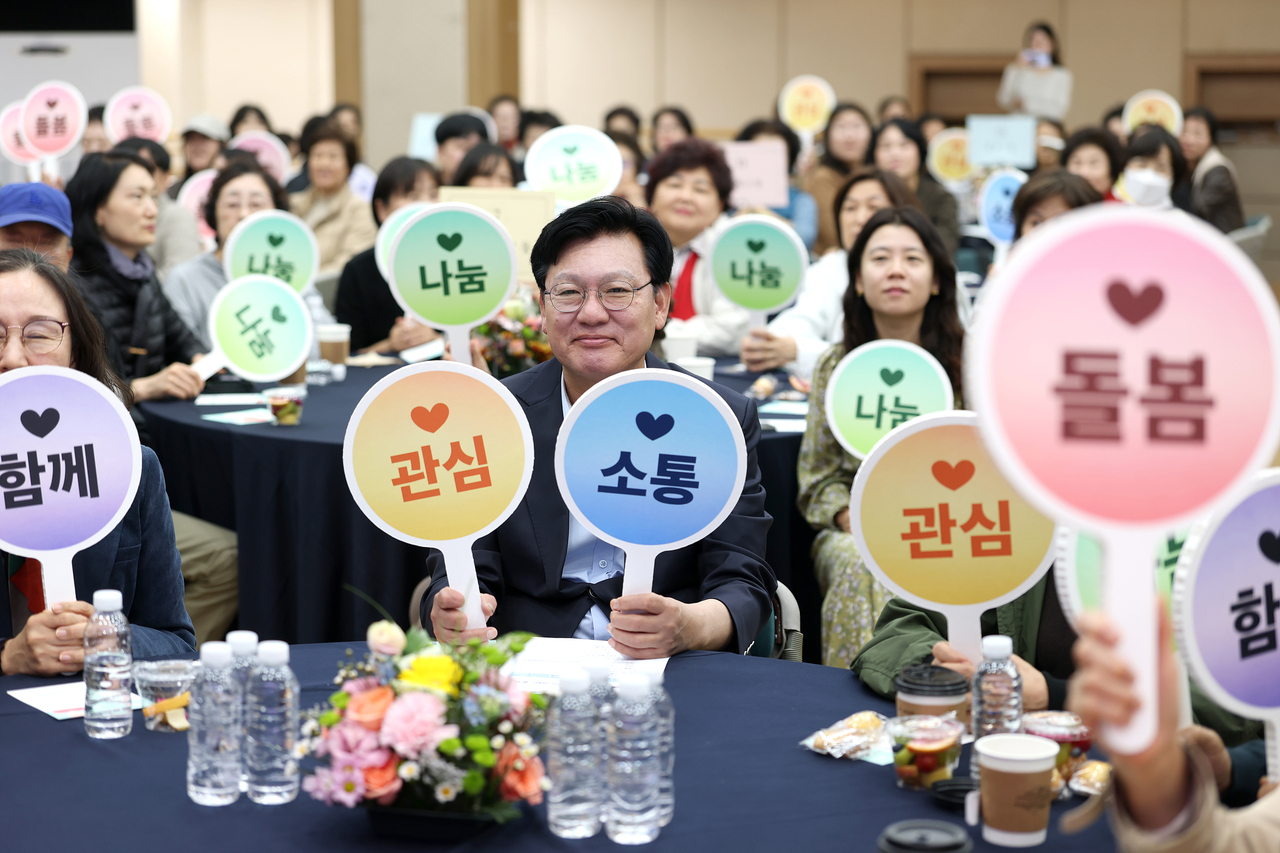
On Tuesday afternoon, the district held a pledge rally titled "Warm Connected City Seodaemun, Built Together" at the district office's main auditorium, with about 150 public and private stakeholders in attendance. Participants shared case studies from outstanding volunteers, including Jeon, and reaffirmed their commitment to turning everyday warning signs into care and support.
"Whether it is being the first to spot a resident in crisis or reaching out a hand to help them return to daily life, it ultimately comes down to the connection between people," Seodaemun-gu District Mayor Park Un-gi said. "We will build an even tighter public-private care network so that residents' attention translates into real care and support."
seouldream01@heraldcorp.com