'The last moment of life should be at home'
Physician proposes Seoul-model home death support program
Calls for public medical system to ensure dignified end-of-life care
Stresses city-district cooperation to build local healthcare safety net
Says integrated care must expand beyond vulnerable groups to middle class
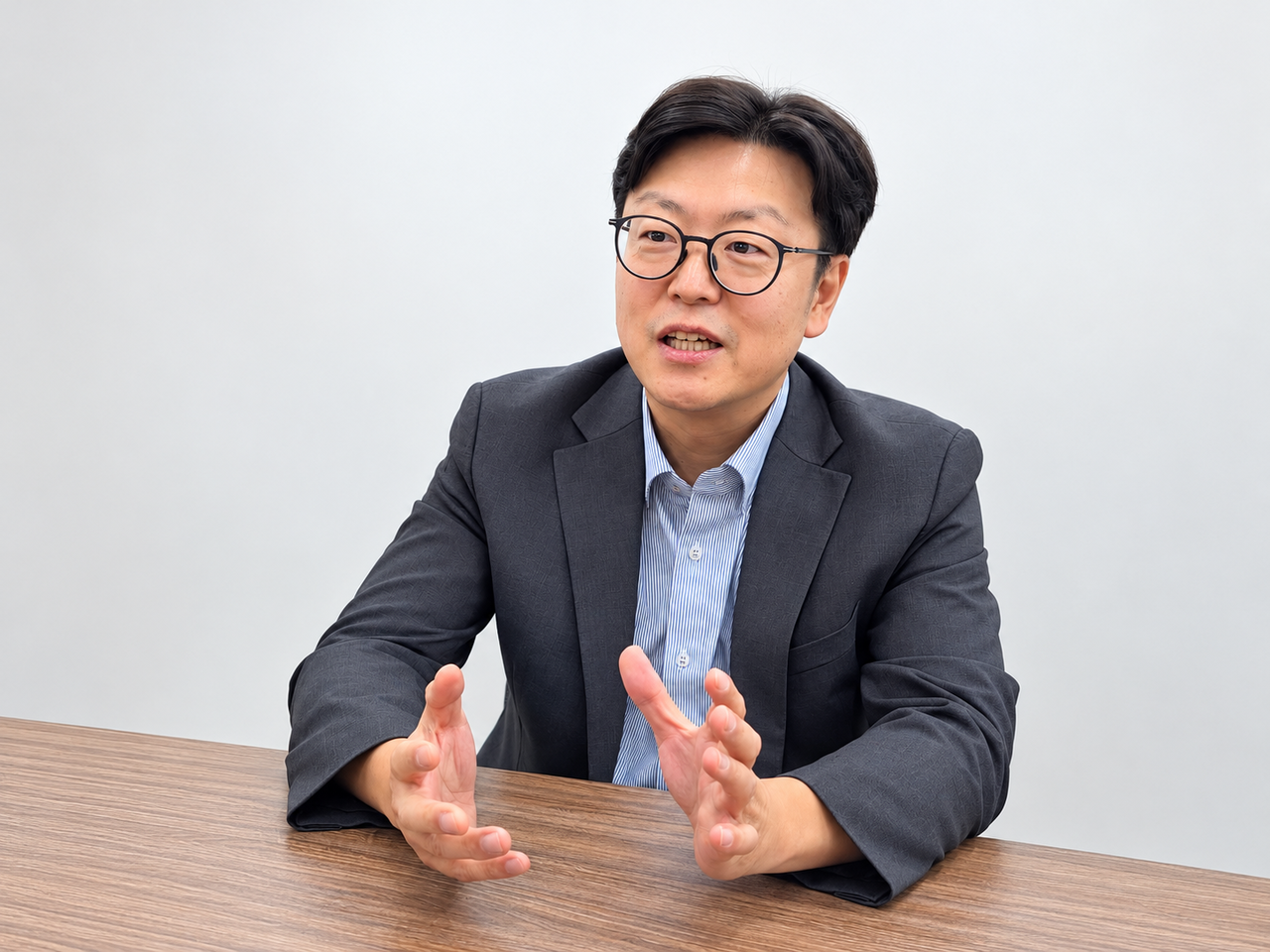
"The wish to spend one's final moments at home, surrounded by family, should not be treated as a special demand. Society needs a system that allows patients to receive the medical services they need without going to a hospital — and that gives their families peace of mind."
Lee Sang-bum, director of Sinnae Clinic in Seoul and secretary-general of the Korean Society for Home Medical Care, said South Korea's healthcare system, now entering a super-aged society, must move beyond asking "where should we treat patients?" and begin answering "where should people be allowed to end their lives?"
He said the first thing that must change is the reality in which elderly patients who want to die with dignity in the comfort of their own homes are instead shuttled repeatedly between emergency rooms and intensive care units — because the medical and caregiving infrastructure to support them at home simply does not exist.
In an interview Tuesday, Lee proposed the introduction of what he called a "Seoul-model home death support program," under which the Seoul Metropolitan Government and individual district offices would work with local medical institutions to provide systematic support for patients nearing the end of life.
"There are patients who want to spend their final days comfortably at home, but when death draws near, the medical infrastructure to respond is not adequate," he said. "We need to move away from relying on the sacrifice of individual caregivers or family members and build a structure in which the public shares that responsibility."
Lee, a neurologist, traces his interest in geriatric medicine to the illness and death of his maternal grandmother. Watching her die of liver cancer when he was a child left a deep impression on him about how difficult it is to care for an elderly patient at home.
He later treated elderly patients in Goseong, South Gyeongsang Province, where he experienced firsthand the realities of aging in rural communities, and subsequently ran a long-term care hospital in Seoul focused on geriatric medicine.
The COVID-19 pandemic, however, laid bare the limits of institution-centered care. Cluster infections and visitor restrictions repeatedly separated patients from their families, and growing numbers of patients began expressing a preference for receiving care at home rather than in a hospital.
That experience led Lee to shift his focus toward home-based medical care centered on house calls.
The biggest challenge he identified in that transition was not simply getting doctors into patients' homes. It was the need for a community-level support system that connects medical care, nursing care and daily caregiving so that patients can live safely until the very end.
'I want to die at home' — but elderly patients keep ending up in the ER
Elderly patients frequently experience sudden, severe deterioration from conditions such as pneumonia or urinary tract infections. Even after treatment in an emergency room or intensive care unit and subsequent discharge, many struggle to recover to their previous state of health because of underlying conditions or frailty.
In the course of these repeated hospitalizations, some patients and their families come to prefer spending the patient's final days peacefully at home rather than cycling through hospital admissions.
But without a medical team connected to the patient and able to assess and respond to the patient's condition at home, the situation can quickly unravel.
When sudden respiratory distress or a loss of consciousness occurs, family members panic and call emergency services — and the patient may be rushed to an emergency room regardless of any prior wishes.
Even when a patient dies at home, if there is no adequate link to prior medical records or an attending physician, the family may face unexpected procedures such as a police investigation to determine the cause of death.
"There are patients and families who want the patient to pass away peacefully at home," Lee said. "If we cannot properly support a home death, the result is patients bouncing between emergency rooms or the death being treated as a suspicious case by police. That is an enormous burden on the patient and family, and a serious waste of social resources."
He said that solving these problems requires not just a response after death occurs, but a process of identifying a patient's health status and the likelihood of approaching death in advance — with the attending physician continuously monitoring the patient's condition and supporting the patient and family in discussing the direction of care.
He said that linking advance care planning, which respects the patient's own wishes, with ongoing medical management could reduce unnecessary emergency room transfers and ease the anxiety of families.
However, he said there are practical limits to how far individual medical institutions can sustain such a system on their own, and argued that the public sector must play a role in connecting physicians with patients and ensuring coverage through nights and holidays.
Round-the-clock medical response, family caregiver support
Proposal for a Seoul-model home death support program
The alternative Lee put forward is a program he is calling, tentatively, the "Seoul-model home death support program" — a framework in which the Seoul Metropolitan Government and district offices would work with local medical institutions to identify in advance elderly patients likely to die at home, have physicians continuously monitor their health, and provide appropriate medical services when needed.
The centerpiece is a round-the-clock medical response system. Because the timing of death is difficult to predict precisely, house-call services available only on weekday daytime hours cannot adequately address the anxiety of patients and families. He said patients and families must be able to reach a physician at night and on holidays, and that a community-level cooperative system must be established to allow for house calls and other medical responses when necessary.
To that end, he proposed forming an on-call rotation involving multiple physicians and providing public funding to cover the costs of standby duty and medical visits.
"Because we don't know when someone will pass, someone has to be on call 24 hours a day, 365 days a year — and no single person can do that," Lee said. "Physicians need to be compensated for on-call duty, and support must also be provided so that family caregivers can get rest."
Support for family caregivers is another key element of the proposal. Family members who care for elderly patients over long periods often face sleep deprivation, physical exhaustion, financial strain and psychological pressure simultaneously. When a family's caregiving capacity reaches its limit, patients who want to remain at home may have no choice but to enter a long-term care hospital or facility. Lee said an integrated approach is therefore needed — one that expands home-visit care and other caregiving services, provides short-term respite care so families can take breaks, and extends psychological support to families after bereavement.
Lee proposed that the Seoul Metropolitan Government first test the policy through a pilot program, starting with a model built around cooperation with local medical institutions in Jungnang-gu and Nowon-gu, then expanding citywide based on results.
He said the pilot should comprehensively evaluate the potential to reduce emergency room transfers, the easing of family caregiving burdens, physician response performance and the efficient use of local medical resources.
If a citywide initiative proves difficult to launch immediately, he said it would also be worth considering starting the program at the district level in places such as Jungnang-gu.
He particularly stressed that the home death support system must be designed as a public service accessible to any resident who needs it — not as a support program that appears to benefit a specific medical institution or organization.
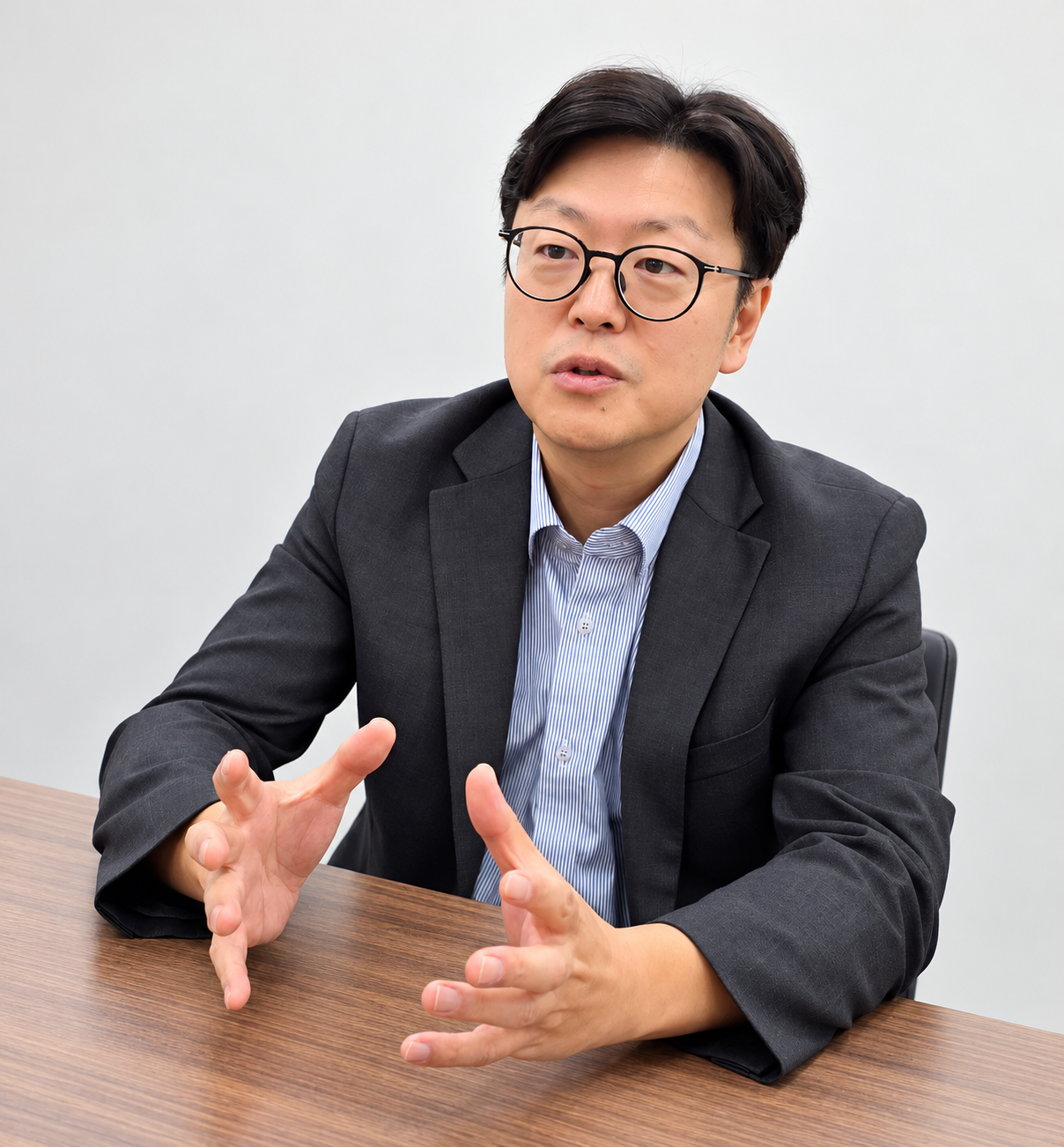
'Integrated care is for the middle class too' — a shift toward patient-centered medicine
Lee said the Act on Integrated Support for Local Care Including Medical Care and Nursing, which took effect March 27 this year, could serve as an important turning point in the shift toward a community-centered healthcare system.
The law aims to ensure that people who struggle with daily life due to frailty or illness can receive integrated medical, nursing and caregiving services in the communities where they live.
However, he said that to make the law truly effective, the scope of eligible recipients and services needs to be viewed more broadly — because not only economically vulnerable households but also middle-class families face considerable difficulty caring for elderly parents at home.
He said many families struggle because they do not know how to access medical services or cannot find a medical institution capable of responding to a sudden deterioration in a patient's condition.
Lee said integrated care must go beyond simply connecting people to welfare services and develop into a system that allows patients to actually receive medical services at home.
He pointed to "transitional care" — support for patients discharged from large hospitals to return home safely — as a prime example. Elderly patients often need to continue using various medical devices after discharge and require ongoing management of conditions such as pressure sores, nutritional status and chronic diseases. Without adequate medical services in place after discharge, their condition can deteriorate and they may find themselves back in the emergency room or intensive care unit, caught in a vicious cycle.
He said home-based rehabilitation — supporting physical recovery after falls or fractures — is another area that needs expansion, and called for a regulatory framework that allows patients with limited mobility to receive appropriate rehabilitation services at home without having to visit a hospital or rehabilitation facility in person.
Medication management is another area he identified as needing improvement. Patients with limited mobility who receive house calls often still need a family member or guardian to pick up their prescriptions.
Lee said he took note, during a recent visit to home medical care sites in Japan, of a service in which pharmacists visit patients at home to check on their medication adherence and explain how to use their medicines correctly. He said this goes beyond simple delivery — pharmacists use their professional expertise to review patients' medication status and support safe drug use. He expressed hope that if such a home-visit medication guidance system were established in South Korea, it could improve both convenience for elderly patients and the safety of their medication use.
However, he said this would require cooperation between medical institutions and local pharmacies, regulatory reform and the establishment of an appropriate compensation system.
"People who are at home deserve to be treated with dignity," Lee said. "We need a shared understanding that because these are people who are sick and frail, others must go to them and care for them. If we look at it from the patient's perspective, there is far more we need to be doing."
The ultimate goal of home-based medical care, as Lee sees it, goes beyond delivering clinical services outside a hospital. It is about helping elderly patients receive the care they need in familiar surroundings, maintain their daily lives with their families, and preserve their dignity until the very last moment. Home death support, he said, is not simply a policy for preparing for death — it is a social safety net that allows patients and their families to live with peace of mind until the end.
As policy discussions continue on how to address the limits of hospital-centered medicine and strengthen community-based integrated care in a super-aged society, attention is turning to whether the Seoul-model home death support framework Lee has proposed could take shape as a new public healthcare model for the city.
7toy7@heraldcorp.com