Studies confirm red ginseng reduces oxidative stress, improves sleep quality and combats age-related cognitive decline
Research also links red ginseng to better metabolic health and muscle function, pointing to an expanded role in extending healthy lifespan
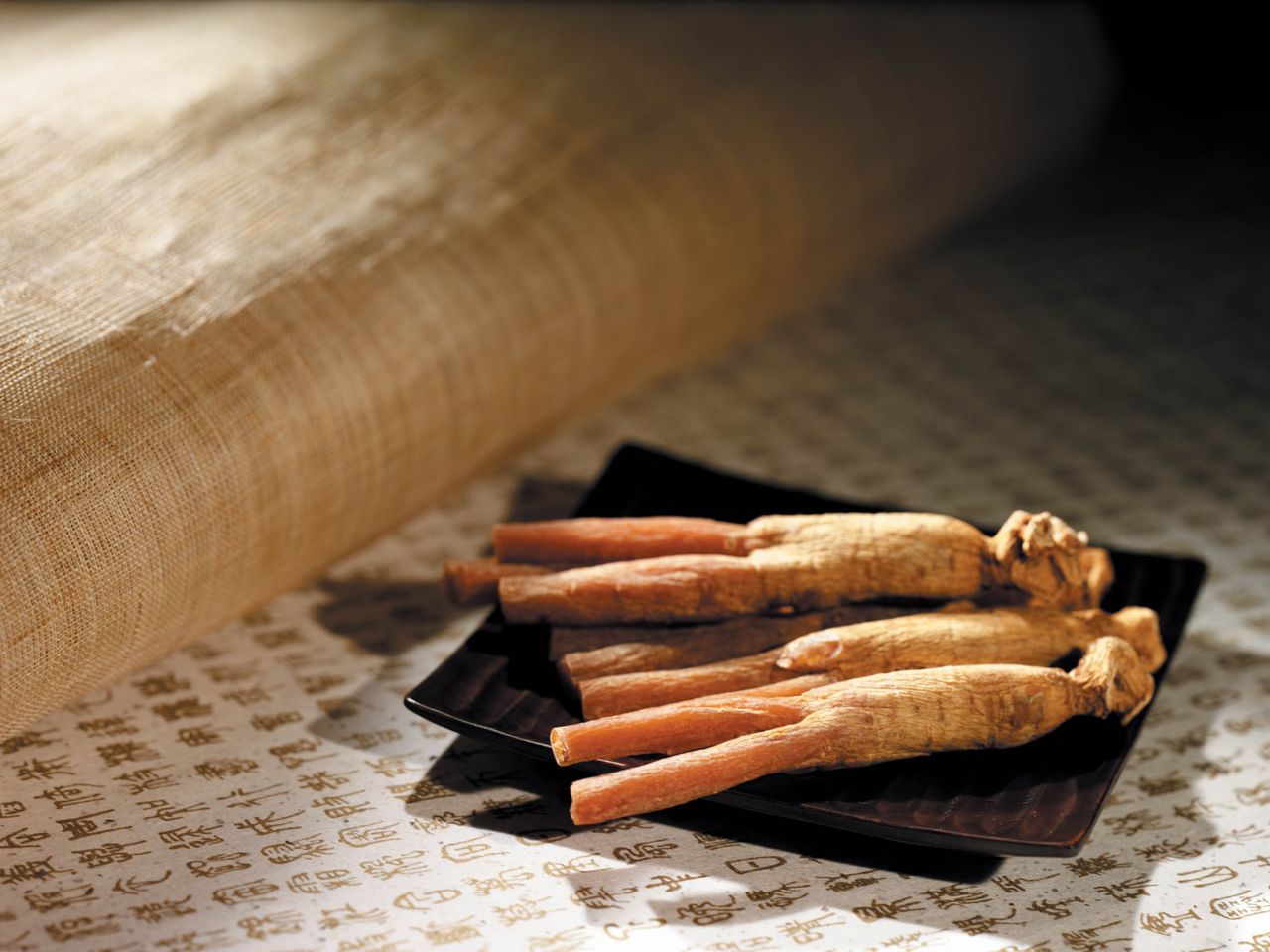
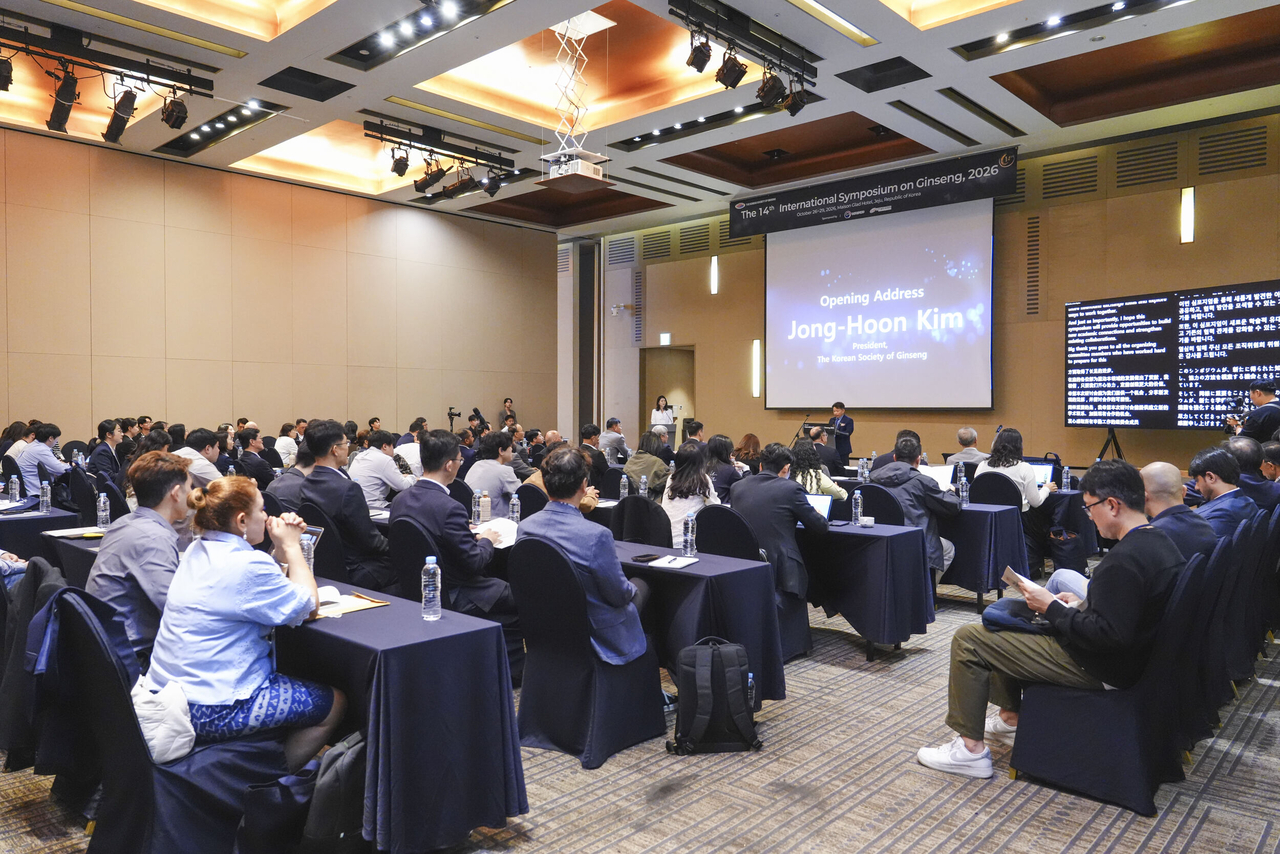
As life expectancy rises and interest in "healthspan" and longevity grows, red ginseng is drawing fresh scientific attention for its ability not only to slow aging but to restore youthfulness through what researchers are calling a natural "de-aging" effect. Studies presented at the 14th International Ginseng Symposium, hosted by the Korean Society of Ginseng and running Monday through Thursday at Maison Glad Jeju, have scientifically mapped multiple anti-aging mechanisms of red ginseng — including reduction of oxidative stress, improved sleep quality, and alleviation of memory decline and dementia.
Red ginseng turns back the cellular clock — reducing oxidative stress and improving sleep quality
A team led by Professor Hong-Sheng Tan of Shanghai Jiao Tong University School of Medicine analyzed changes in antioxidant efficacy and health status among 900 Chinese adults aged 40 to 75 who consumed red ginseng. Participants were selected from pre-disease-stage adults — those without a clear diagnosis but experiencing chronic fatigue and reduced immunity.
The study is the largest of its kind on red ginseng efficacy to date and was conducted under a strict double-blind design that prevented both participants and researchers from knowing who received the placebo. Participants were divided into two groups and given either 3 grams of red ginseng capsules or a placebo daily for 12 weeks.
As a result, the red ginseng group showed a significant decrease in malondialdehyde (MDA), a marker of oxidative stress that damages cells and accelerates aging, while the placebo group saw the marker increase. The antioxidant effect was more pronounced in the 40-to-60 age group, and a clear correlation emerged: the higher the body's antioxidant capacity, the greater the reduction in oxidative stress.
Physical vitality and quality of life also improved markedly. Analysis across the eight domains of the standard SF-36 quality-of-life scale showed the red ginseng group's average improvement of 10.68 points outpaced the placebo group's 7.13 points. The gains were particularly significant in the physical role functioning and vitality domains.
Objective sleep analysis using wearable devices — conducted on 512 participants — found that red ginseng increased deep sleep duration and improved overall sleep quality. The red ginseng group logged 12.5 more minutes of deep sleep (+11.5 percent) and 35.9 more minutes of total sleep (+8.8 percent) than the placebo group. Sleep variability also decreased, indicating more stable and uninterrupted rest. These sleep improvements carried over into better mental health and increased vitality.
"This study confirmed that red ginseng can reduce oxidative stress and improve sleep and quality of life in multiple ways," Professor Tan said. "Red ginseng will serve as a tailored alternative for middle-aged and older adults at risk of health decline."
Red ginseng also improves memory decline and dementia
Red ginseng has also been found to improve memory decline and dementia. A team led by professors Moon Min-ho and Nam Yun-kwon of Konyang University College of Medicine scientifically established that KRGP, a polysaccharide that is one of red ginseng's key active compounds, has a strong effect on treating Alzheimer's disease and improving cognitive function. The team used representative Alzheimer's transgenic mouse models (5XFAD and 3xTg) to examine the dementia-improving effects of the red ginseng polysaccharide and elucidate its complex mechanisms of action.
Mice administered the red ginseng polysaccharide showed a marked reduction in brain accumulation of amyloid beta (Aβ), the core causative substance in Alzheimer's disease. Neuroinflammation and neuronal loss were alleviated, adult neurogenesis — the regeneration of brain cells — was promoted in the hippocampus, which plays a key role in learning and memory, and cognitive decline was significantly improved.
The specific mechanisms by which red ginseng protects brain health were also confirmed. The red ginseng polysaccharide activated mitochondria, the cell's energy factories, enabling a steady supply of energy to brain cells. Through this process, it normalized synapses — the brain's signal-transmission pathways — thereby protecting neural networks damaged by dementia. A separate dementia model experiment also confirmed that the red ginseng polysaccharide effectively suppressed the abnormal transformation and brain accumulation of tau protein, which causes neuronal damage.
Red ginseng improves metabolic syndrome and age-related muscle loss to extend healthy lifespan
Research also showed that red ginseng can help extend healthy lifespan by improving metabolic disease worsened by chronic aging as well as age-related muscle deterioration and sarcopenia. A team led by Professor Johan Auwerx of the School of Life Sciences at the Swiss Federal Institute of Technology Lausanne (EPFL) used a mouse model genetically susceptible to metabolic dysfunction-associated steatohepatitis (MASH) to confirm that red ginseng extract (RGE) improves markers related to metabolic syndrome and liver damage.
The researchers induced metabolic dysfunction and liver fibrosis in mice through a Western diet, then administered red ginseng extract (100 mg/kg) and analyzed changes in biomarkers. Body weight and body fat that had increased on the Western diet decreased, and fat accumulation and fibrosis in the liver were markedly alleviated. Liver damage markers ALT and TIMP1 also fell, and blood glucose and insulin levels improved to near-normal ranges.
Gene expression analysis showed that inflammation- and fibrosis-related signaling elevated by the Western diet was reduced, while mitochondria-related gene expression that had declined was restored. The study demonstrated through animal experiments that red ginseng extract can improve a range of pathological changes associated with metabolic dysfunction and steatohepatitis, suggesting its potential as a functional ingredient for metabolic and liver health.
A team led by Professor Park Sang-min of Chungnam National University College of Pharmacy confirmed that red ginseng and its active compound ginsenoside Rb2 alleviate the decline in muscle strength and motor function in aging-induced mice. The team also presented findings showing that significant molecular changes related to neurotransmission and energy metabolism occur not only in muscle but also in the brain and liver.
The researchers first confirmed red ginseng's cell-protective effects using skeletal muscle cell (C2C12 myotube) models damaged by an aging-inducing agent (D-galactose) and oxidative stress (hydrogen peroxide, H₂O₂). Analysis showed that red ginseng extract and its key active compounds reduced structural damage to muscle cells and markedly improved markers of cellular aging.
In mice with aging induced by D-galactose, red ginseng extract significantly improved grip strength and alleviated overall motor decline. A tendency toward reduced muscle mass loss was also observed. Notably, alongside improvements in muscle strength, important changes were found in genes related to muscle growth and regeneration, as well as in brain neurotransmission and hepatic energy metabolism.
In the brain's hippocampus, neurotransmission-related genes that had declined with aging recovered after red ginseng administration, while in the liver, pathways related to protein processing and secretion were affected. In skeletal muscle, programs related to energy utilization and stress response were also reorganized. These results offer a new perspective — that red ginseng's muscle-strengthening effects should be understood not solely through changes in muscle tissue itself, but in conjunction with brain neurotransmission and hepatic energy metabolism.
As research into the link between red ginseng and aging intensifies, the mechanisms and role of red ginseng in relation to healthy lifespan are expected to be mapped in greater detail. Building on these findings, research exploring red ginseng's potential applications across a wider range of aging-related areas is also expected to expand.
Kim Jong-hoon, chairman of the Korean Society of Ginseng, said active multifaceted research into red ginseng's anti-aging effects is increasingly revealing the specific mechanisms of red ginseng-derived compounds — from reducing oxidative stress and improving sleep quality to managing sarcopenia and chronic metabolic disease. "Through continued scientific validation, we will be able to further broaden the academic and practical applications of red ginseng in preventing age-related physical decline and various adult diseases," he said.
kty@heraldcorp.com