Technology identifies dangerous behavior by train operators and track workers, predicting human error in advance
South Korean researchers have developed an AI-powered system that detects dangerous behavior by train operators and track workers and predicts human errors before they lead to accidents. The technology is expected to accelerate the shift from reactive accident response to a preventive railway safety management framework that identifies hazards in advance.
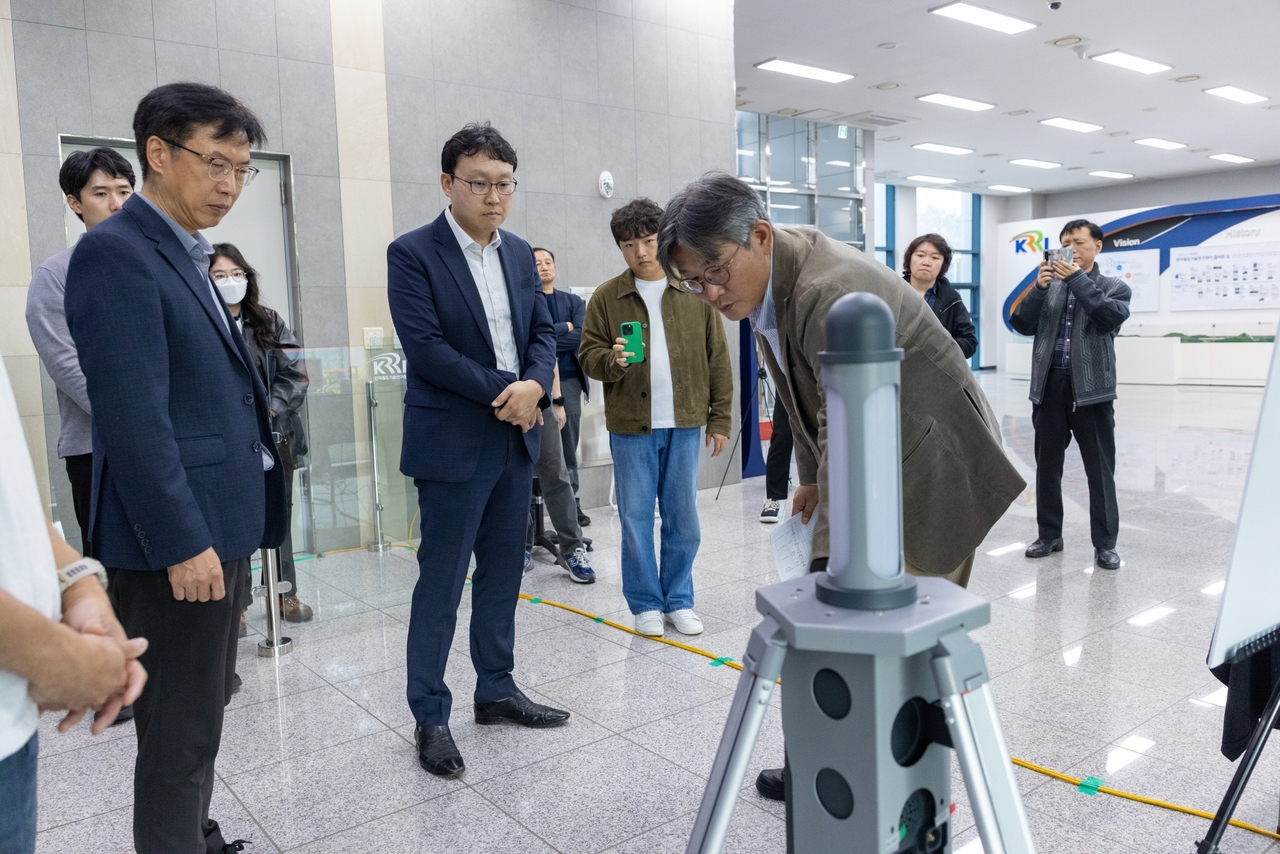
The Korea Railroad Research Institute said Tuesday it demonstrated 12 core preventive railway safety technologies — built on AI and digital tools — in an integrated showcase held Monday at its Osong branch in Cheongju, North Chungcheong Province, with officials from the Ministry of Land, Infrastructure and Transport and related railway organizations in attendance.
The technologies on display were developed to analyze and predict human errors by railway workers ahead of time and to detect and respond to hazardous situations in real time.
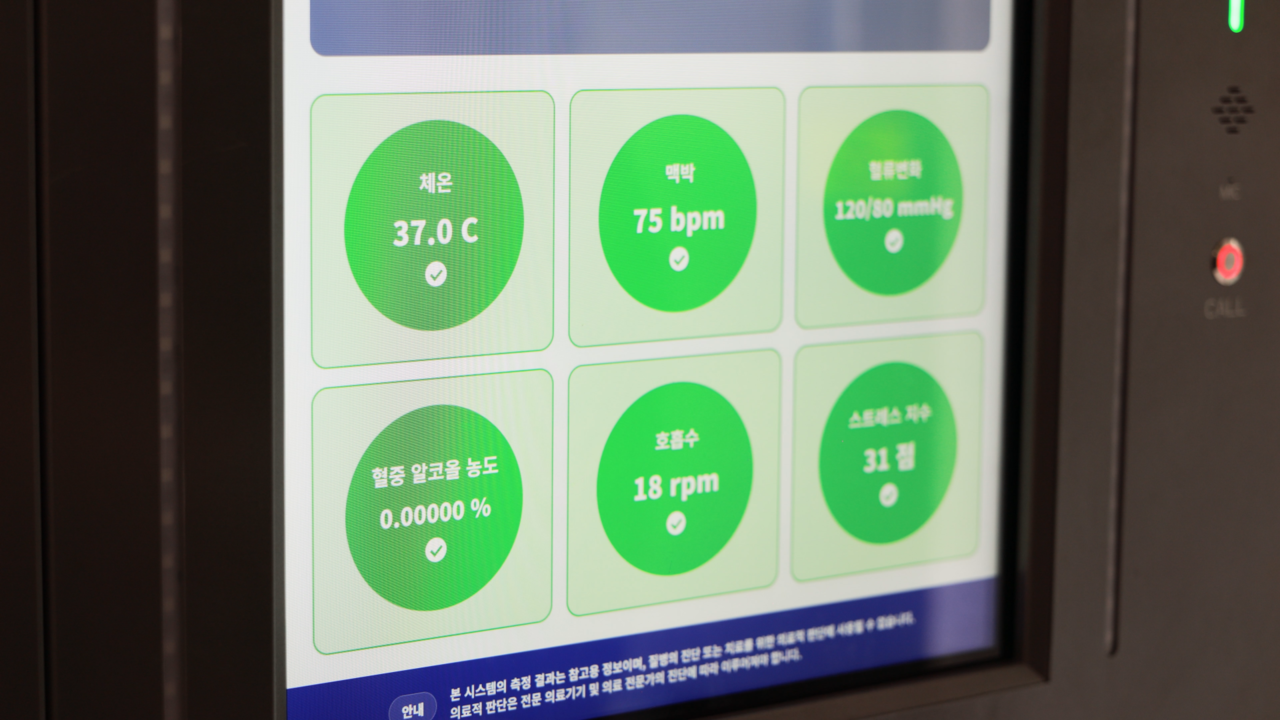
Key technologies include AI video analysis-based risk detection for train operators and track workers, biometric signal measurement and job fitness assessment, smart personal protective equipment, safety management for power switching operations, AI-based human error probability prediction, and an integrated safety management system built on digital twin technology.
The research team also demonstrated how individually developed safety technologies can be linked into a single system, covering the entire workflow from pre-task preparation and risk assessment through work approval to real-time safety monitoring and response.
The system uses AI to analyze workers' locations and working environments, identify risk factors, and assess the likelihood of human error. When an abnormal situation arises — such as a worker straying outside a designated zone — hazard information appears on a digital twin screen that replicates the actual railway site in a virtual environment.
The showcase also featured a function that assesses workers' physical condition using biometric signal measurement and detects on-site hazards by combining AI video analysis with location data.
The institute said the system is expected to transform the existing railway safety management approach — which has relied on workers' experience and adherence to safety rules — into a data-driven, proactive risk management framework.
The Korea Railroad Research Institute plans to expand field demonstrations in collaboration with railway operators and to establish the regulatory groundwork needed to incorporate the technologies into national railway safety policy and day-to-day safety management operations.
"We have confirmed the technical feasibility of linking individually developed railway safety technologies according to actual work procedures to proactively manage human error and on-site risks," senior researcher Park said. "We will refine the technologies further so they can be used in field demonstrations with railway operators and applied to real-world safety management decision-making."
Korea Railroad Research Institute President Sagong Myeong said the core of railway safety lies not in responding after an accident occurs, but in identifying and preventing risk factors beforehand. "We will ensure that preventive railway safety technologies using AI and digital tools spread to the field and translate into a tangible improvement in safety that the public can feel," he said.
nbgkoo@heraldcorp.com