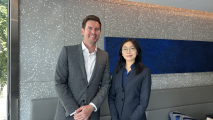
Korea Elderly Human Resources Development Institute and Korea Agro-Fisheries & Food Trade Corporation sign MOU to expand senior jobs
Seniors with hansik cooking experience to visit immigrant households, strengthening food culture education
The Korea Elderly Human Resources Development Institute announced Tuesday that it has signed an MOU with the Korea Agro-Fisheries & Food Trade Corporation to support the settlement of immigrant families — including foreign nationals and multicultural households — and to expand job opportunities for older adults.
The agreement aims to create new employment for active seniors with hansik cooking experience while helping immigrant families in rural areas integrate into their local communities.
Under the MOU, the two institutions agreed to cooperate on: visiting immigrant households to provide hansik education; planning and running training programs to develop skilled senior instructors; linking each organization's networks and infrastructure; and providing budget support for project operations.
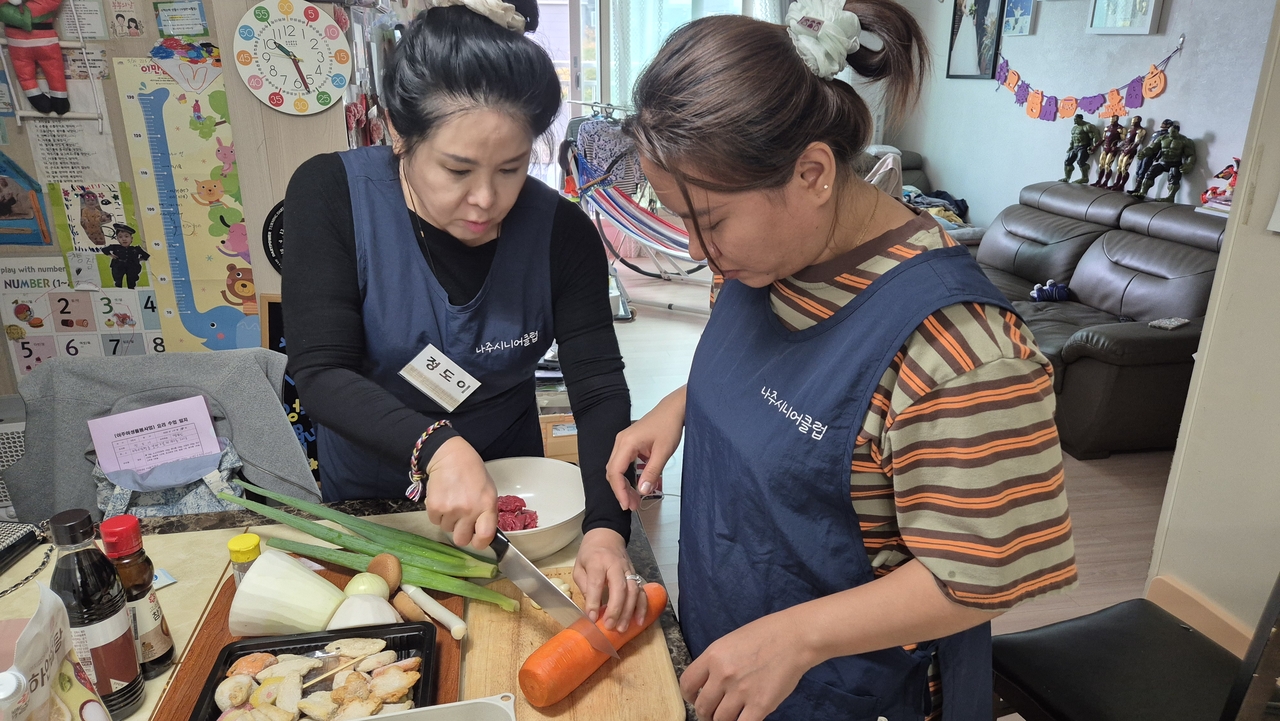
The initiative, promoted as a leading model for leveraging senior capabilities, has seniors with hansik cooking experience visit immigrant households to teach traditional Korean cooking methods.
The program is expected to give participants a chance to apply their expertise while helping immigrant families deepen their understanding of Korean food culture and adapt to life in their communities.
Earlier, the two institutions partnered with the Naju Senior Club in 2025 to pilot a hansik education project for immigrant families called the "Senior Taste Keeper" program.
The project was selected as an outstanding initiative linking relocated public institutions with local governments for 2026, and is now expanding to six job participants and 18 beneficiary households.
The two institutions plan to use the MOU as an opportunity to strengthen their existing cooperation and expand sustainable senior employment that reflects the characteristics of rural communities.
Korea Elderly Human Resources Development Institute President Kim Su-young said the agreement is meaningful because it creates new jobs through which active seniors with hansik cooking experience can contribute to their communities. "We will continue to identify specialized roles that allow older adults to apply their professional skills and take part in solving local challenges," Kim said.
thlee@heraldcorp.com