Ministry of Health and Welfare responds to PPP lawmaker
Gov't to pursue ex officio designation of supply-protected drugs
'Medical and social costs must be weighed alongside drug prices'
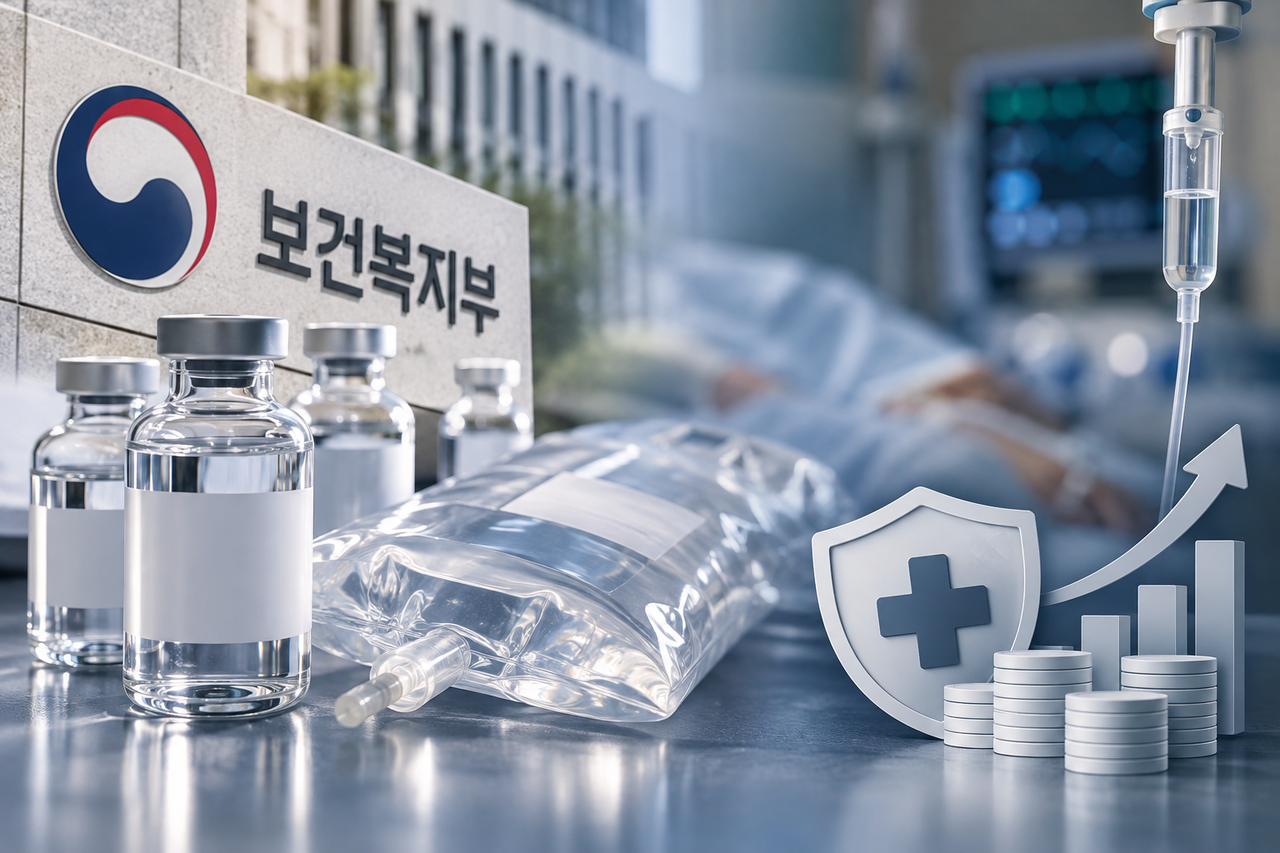
The government is pushing to stabilize the supply of essential medicines and prevent sudden shortages.
The move reflects a broader calculation: when drug supplies are cut off, patient treatment is disrupted and additional medical costs follow. Authorities say they will weigh not only the burden on national health insurance finances from price support, but also the medical and social costs that supply disruptions can generate.
In a written response to People Power Party lawmaker Lee So-hee submitted Tuesday for the national audit, the Ministry of Health and Welfare said it has expanded and restructured its support and cost-recovery system for supply-protected drugs — including plasma-derived medicines, which are made from plasma separated from human blood — and began implementing the changes in August.
Supply-protected drugs are medicines essential for patient treatment that face the risk of production or supply cuts due to low profitability. The government operates a drug pricing support system that takes manufacturing costs into account to keep these medicines on the market.
Plasma-derived medicines received particular attention because, unlike ordinary drugs, they rely on human plasma as a raw material, making them especially vulnerable to external disruptions such as infectious disease outbreaks or war.
The ministry said it would "review designating supply-protected drugs by government authority, or applying additional policy premiums, if necessary in the future." Policy premiums are additional compensation built into drug prices to encourage stable supply.
Also under consideration are measures to reflect annual cost increases in drug pricing, set a range that allows stable market supply prices to be maintained, and exempt certain drugs from post-market price reductions.
In addition, the ministry said it plans to continuously monitor drugs with unstable supply and hold regular consultations with the Ministry of Food and Drug Safety and other relevant agencies to prevent supply disruptions before they occur.
However, critics note that the government has only indicated it may review additional support for plasma-derived medicines, stopping short of setting specific criteria or a timeline. Plasma-derived medicines require a lengthy process from raw material procurement through manufacturing to distribution, and any supply disruption could affect treatment for patients with weakened immune systems.
Intravenous immunoglobulin (IVIG), a plasma-derived medicine, is a prime example. IVIG replenishes antibodies in patients with diminished immunity, reducing the risk of infection. Its importance has grown as advanced therapies such as CAR-T (chimeric antigen receptor T-cell) treatment for blood cancer have expanded, since these therapies can also affect healthy immune cells and lower a patient's immunity.
International research has shown that severe infection rates fall during periods of IVIG administration. A 2023 study of 37 blood cancer patients found that the rate of severe infections during IVIG treatment was about 90 percent lower than during periods without it.
Reductions in medical and social costs have also been observed. A separate international study of 21 blood cancer patients with weakened immunity found that annual medical and social costs per patient fell by about 27 percent following immunoglobulin replacement therapy, with decreases in hospital stays and emergency room visits as well.
These findings have prompted calls for policymakers to look beyond the fiscal burden of drug price support and also account for the additional medical and social costs — including infections and hospitalizations — that could arise from supply disruptions of essential medicines.
"A policy to stabilize the supply of essential medicines must consider not only the cost of price compensation, but also the burden that patients and the healthcare system bear when supply is cut off," Lee said. "Supply disruptions of plasma-derived medicines can lead to treatment delays, serious complications and hospitalizations, compounding both patient suffering and medical and social costs."
Lee added that the Ministry of Health and Welfare should spell out specific criteria and timelines for applying cost recovery and policy premiums to plasma-derived medicines to get ahead of potential disruptions. She said she would review the ministry's implementation plan during the comprehensive audit and continue monitoring whether supply stabilization measures are actually working after the national audit concludes.
thanks@heraldcorp.com
raining@heraldcorp.com