Ministry calls nuclear PPA allowance within mega-special zones 'cherry-picking,' says cautious approach needed
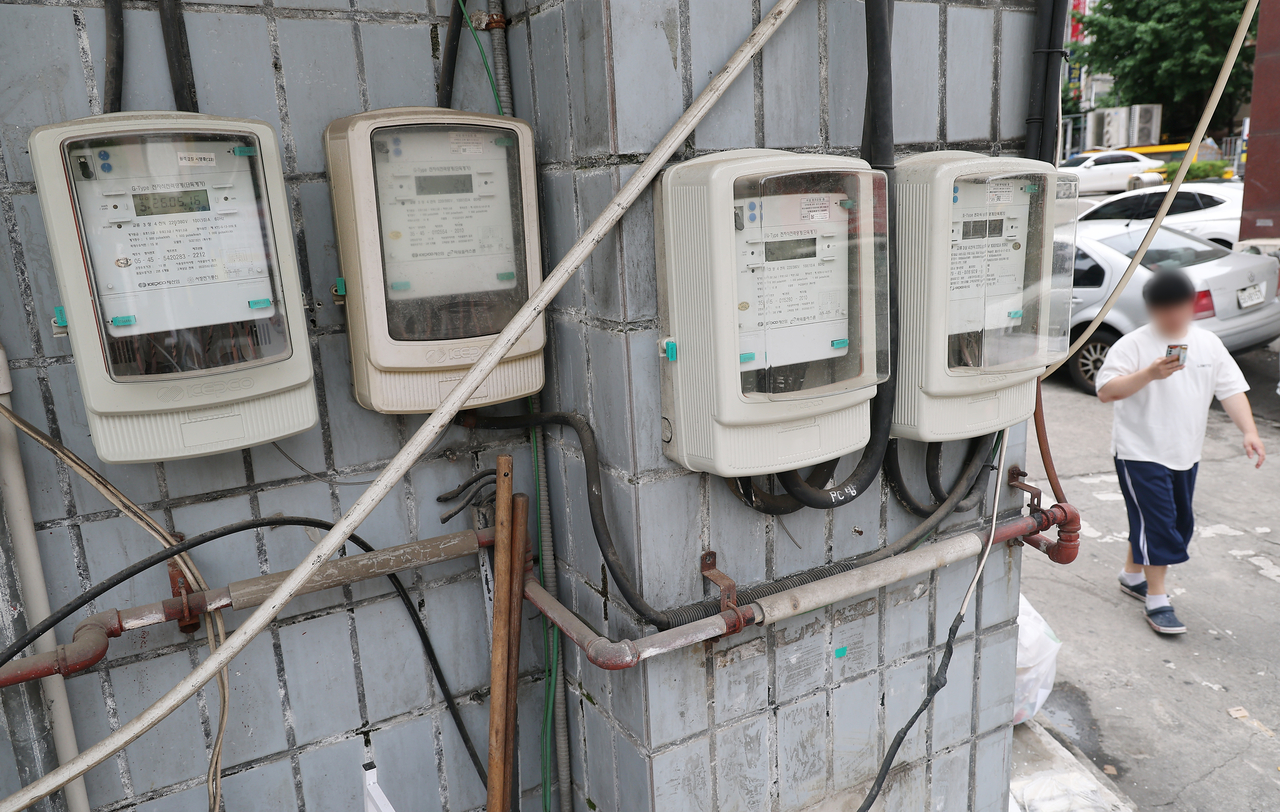
South Korea's Ministry of Climate, Environment and Energy has declared it cannot accept proposals to allow nuclear power purchase agreements, warning that permitting specific companies or industrial complexes to secure electricity directly from nuclear power plants would drive up rates for other consumers.
According to Democratic Party of Korea lawmaker Park Hae-cheol of the National Assembly's Climate, Energy, Environment and Labor Committee, the ministry opposed two bills in March that would have allowed nuclear PPAs, saying the arrangements would let specific operators monopolize cheap electricity.
The ministry characterized nuclear PPAs as "cherry-picking" — taking only the favorable parts — and warned that allowing a specific hydrogen-specialized complex to monopolize large-scale nuclear power plants, which account for 31 percent of domestic power generation, "could seriously disrupt national electricity supply and demand management."
It also said that exclusively allowing specific consumers to use cheap nuclear power "runs counter to the purpose of the Electricity Business Act, which aims to protect the majority of electricity consumers."
Recently, however, the ministry shifted its tone in a written response to an inquiry from Park's office regarding nuclear PPAs and PPA provisions under the so-called mega-special zone law. It acknowledged that allowing nuclear PPAs "would raise the average electricity purchase price and increase the rate burden on consumers," but said only that "a cautious approach is needed" — a response that could be interpreted as leaving the door open to acceptance, unlike its earlier outright opposition.
If electricity generated at nuclear plants were supplied to specific operators through PPAs outside the power market, other consumers would be left relying on electricity from sources with higher generation costs than nuclear power.
This would ultimately push up the average price Korea Electric Power Corporation pays to purchase electricity from power plants, adding further upward pressure on electricity rates.
Park's office calculated, based on first-half electricity purchase prices this year, that if a single company monopolized all electricity produced by Wolsong Nuclear Power Plant Unit 2 — about 4.8 billion kilowatt-hours annually — other consumers would face an additional electricity procurement cost of 280 billion won ($211 million).
Nuclear power plants require enormous fiscal and social costs across their entire life cycle, from site selection to radioactive waste management. Allowing nuclear PPAs would therefore raise equity concerns even setting aside the added burden on electricity rates.
"The fact that the ministry has acknowledged in writing that nuclear PPAs would raise electricity rates, while stopping at the word 'cautious,' effectively leaves the path open to acceptance," Park said, urging the government to make clear that neither operating nor new nuclear plants would be eligible for PPAs.
The ministry said in a separate explanatory release Monday that it has "consistently and continuously stated its position that it cannot accept bills allowing nuclear PPAs, including the mega-special zone law," adding that nuclear PPAs "are difficult to accept given concerns over increased electricity rate burdens on general consumers and the risk of cherry-picking through monopolized use of nuclear power."
oskymoon@heraldcorp.com