- Satellite to ride Nuri rocket's sixth launch; will demonstrate debris capture and atmospheric reentry
- KASA and KAIST complete assembly readiness review, with full-scale production set to begin in November
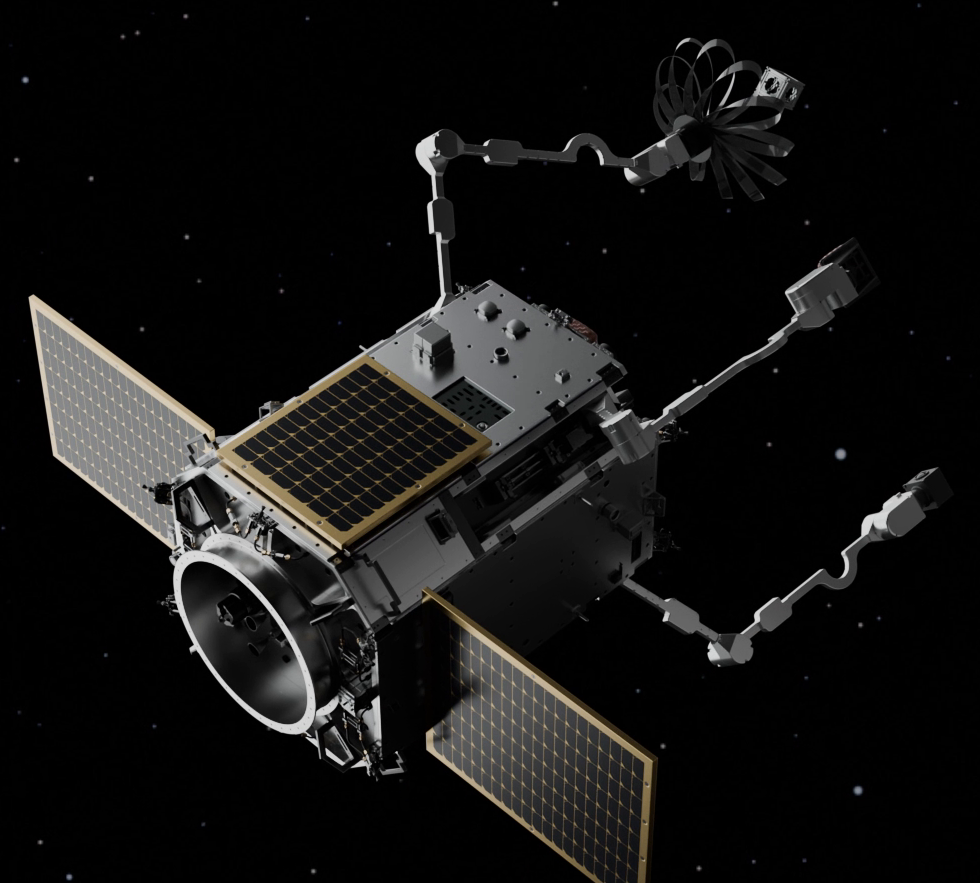
South Korea is set to launch a homegrown satellite next year that will hunt down and physically remove space debris — much like the scenario depicted in the film "Space Sweepers" — by capturing derelict objects in orbit and dragging them into Earth's atmosphere to burn up on reentry.
The Korea AeroSpace Administration said Monday it held a System Integration Readiness Review for the Active Debris Removal Satellite, known as ADR-SAT, at the KAIST Satellite Technology Research Center, confirming the satellite is ready for full-scale assembly.
ADR-SAT is a small satellite under development to actively remove space debris left in Earth's orbit. Its core mission is to track and approach defunct satellites and spent rocket stages, capture them, and then guide them back into the atmosphere, where friction heat will destroy them.
The rapid growth in satellite launches worldwide has caused space debris in Earth's orbit to accumulate at an accelerating pace. Traveling at speeds of several kilometers per second, such debris poses a major threat to space safety — a collision with an operational satellite could cause catastrophic damage.
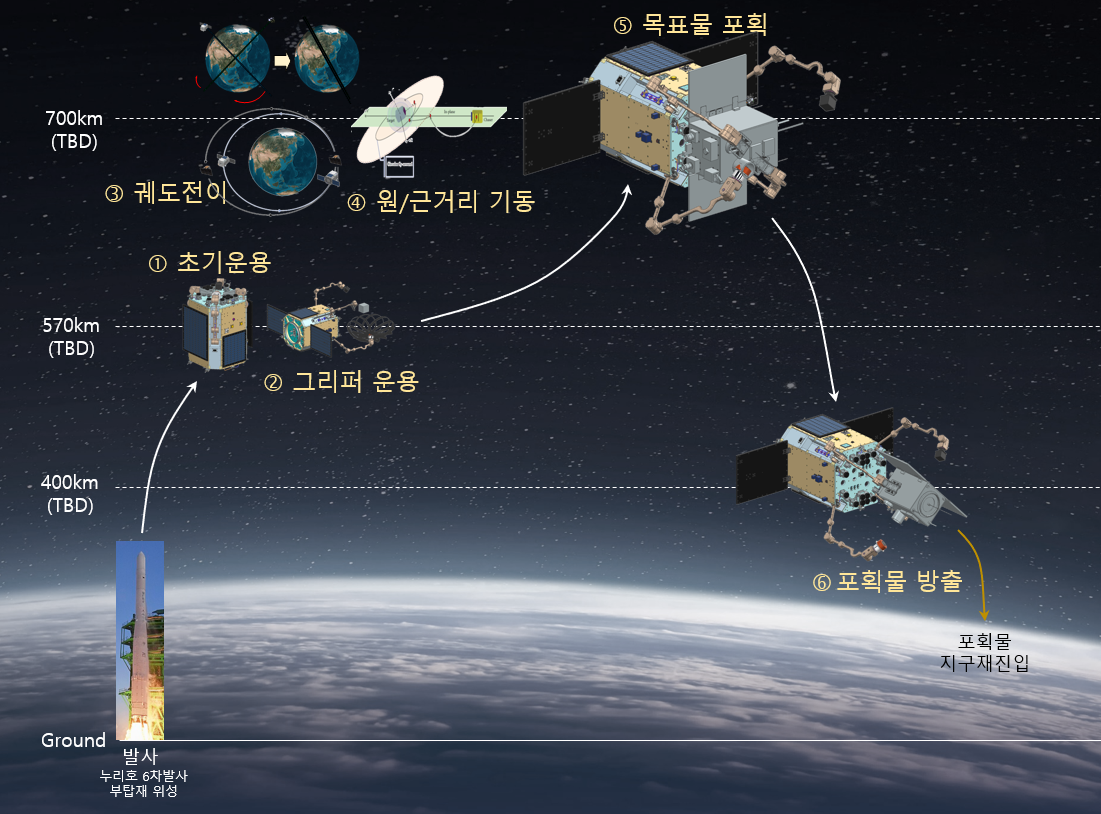
What sets ADR-SAT apart is that it goes beyond simply monitoring debris or maneuvering to avoid collisions — it will demonstrate in actual space conditions the technology needed to physically capture and remove orbital objects.
At Monday's review, external experts from academia, industry and research institutions assessed the readiness of the satellite's subsystems, the integration plan for components and equipment, and potential technical risks.
The review confirmed that the satellite meets the success criteria for a System Integration Readiness Review under South Korea's systems engineering handbook. KAIST's Satellite Technology Research Center will now begin full-scale assembly of the flight model — the unit destined for actual spaceflight — starting in November.
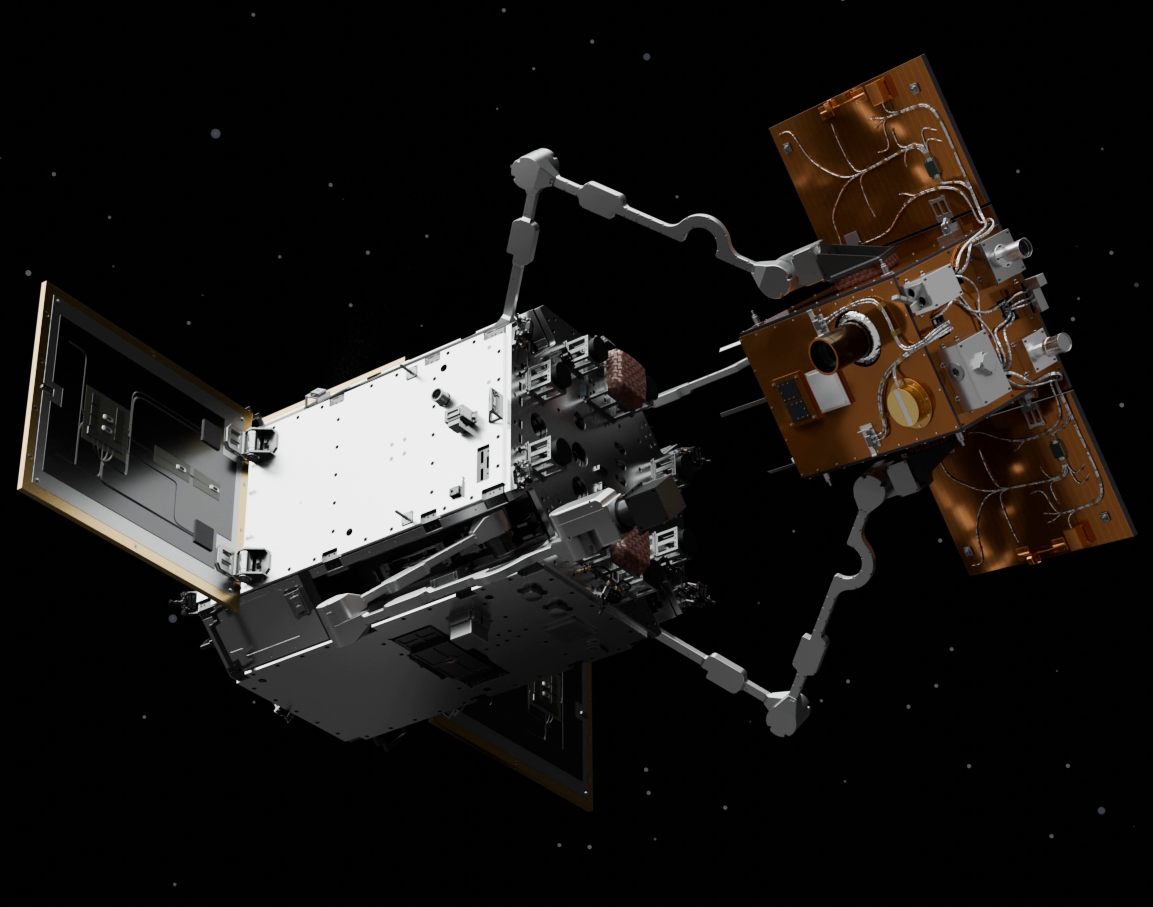
The satellite is slated to ride aboard the sixth launch of South Korea's homegrown Nuri rocket, scheduled for 2027. Once in orbit, it will demonstrate approach, capture and removal techniques on decommissioned satellites and other orbital objects.
The project runs from 2024 to 2028 and is led by KAIST's Satellite Technology Research Center. Its ultimate goal is to secure the core technologies needed to remove space debris, with retired South Korean space assets such as Woori-byeol 3 among the intended targets.
"This active debris removal technology represents a world-first challenge — approaching high-speed debris in orbit, capturing it, and then guiding it into the atmosphere to be destroyed," Korea AeroSpace Administration Administrator Oh Tae-seok said. "By developing these core capabilities domestically, we will strengthen South Korea's ability to respond to space hazards threatening our satellites."
nbgkoo@heraldcorp.com