"It's rarer than wild ginseng."
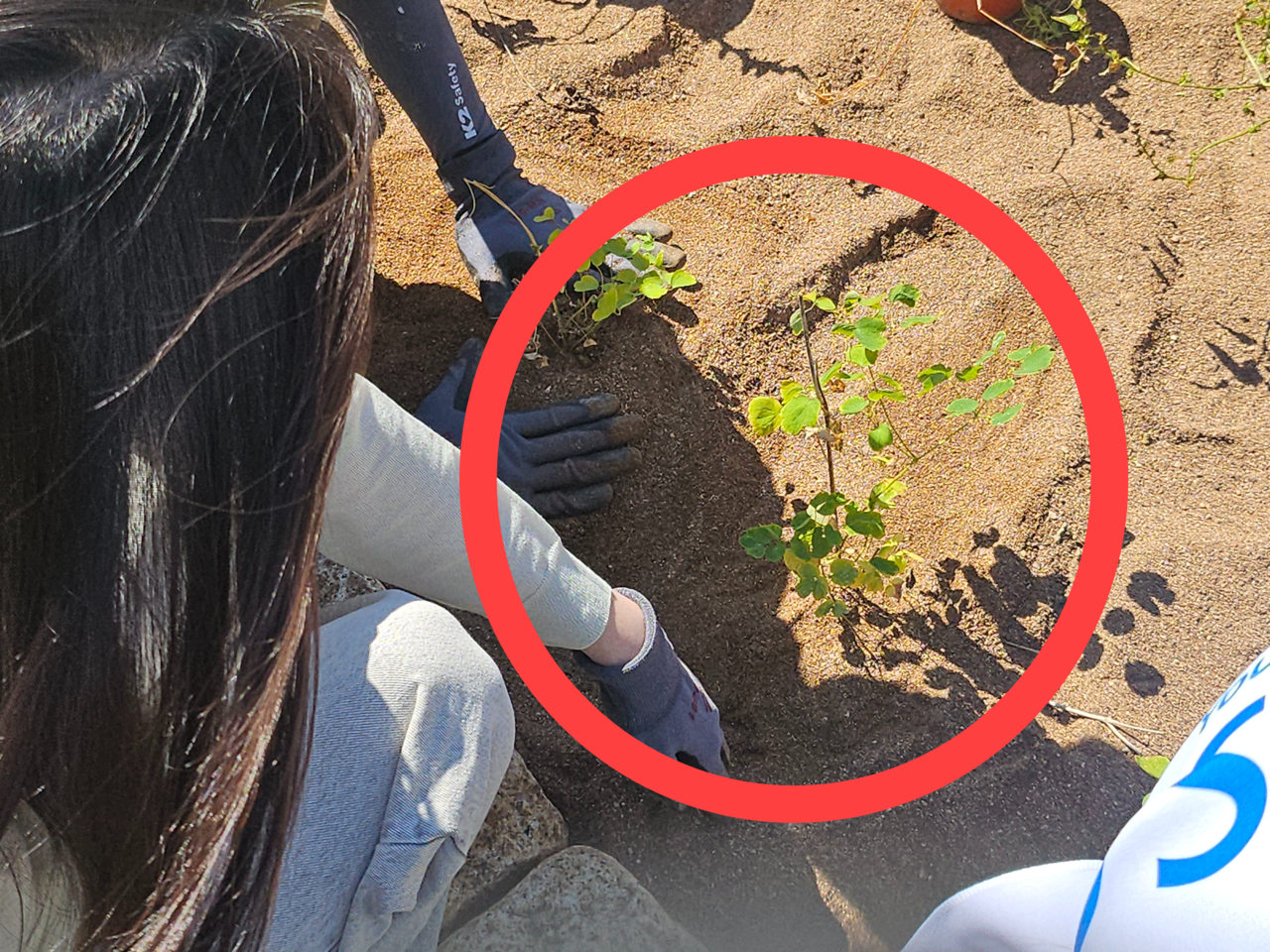
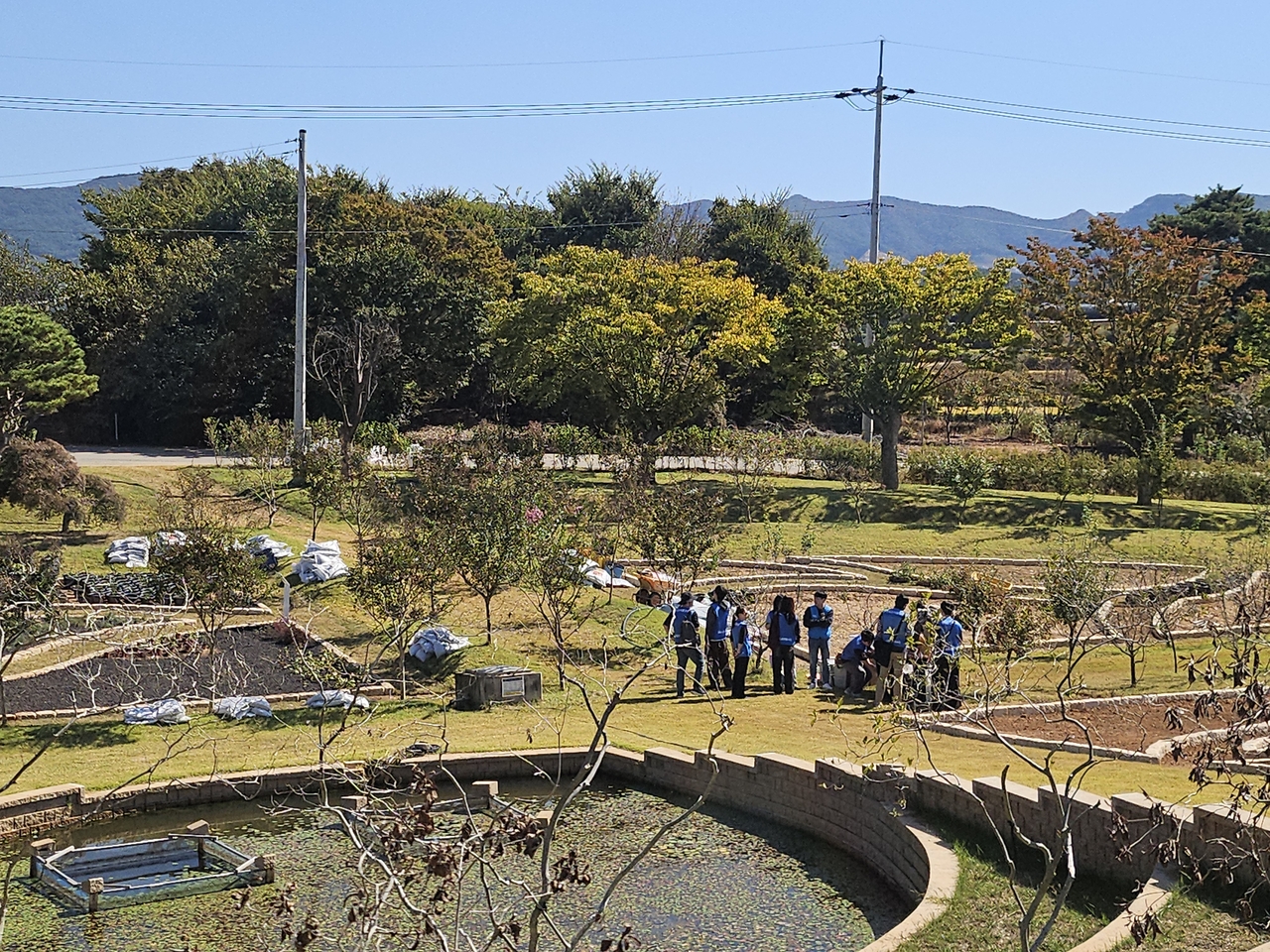
On Oct. 8, under a cloudless sky in Seosan, South Chungcheong Province, about 30 people gathered on a patch of farmland, turning soil and carefully placing small plants into the ground.
At first glance, it looked like an ordinary community garden. But the identity of the plants they were tending changes the story entirely.
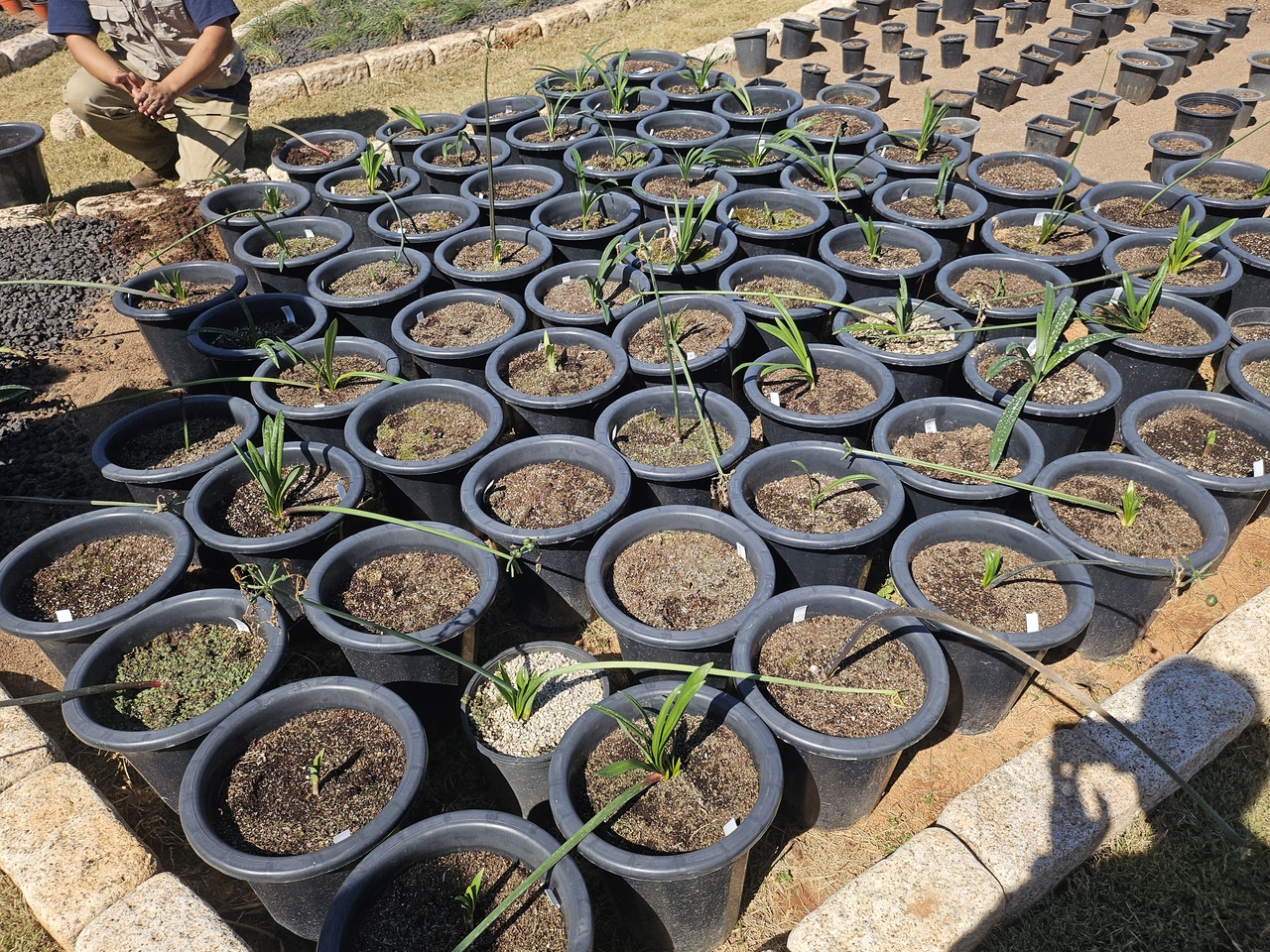
The plants were rare species that have all but vanished from the wild — once found in specific regions of South Korea, they have largely disappeared due to indiscriminate harvesting for ornamental purposes and the destruction of their natural habitats.
What made the gathering unusual was its motivation: the participants had not come to grow or sell the plants for profit. Their sole purpose was to conserve endangered plant species that have slipped from public attention and to raise awareness of their existence.
When people hear "endangered species," they tend to think of animals. Yet plants account for more than 30 percent of all endangered wild organisms disappearing from the country.
Plants may not draw the eye, but they form the foundation of entire ecosystems — providing food and habitat for countless other organisms. The problem is that they are disappearing in silence, without the attention or support their ecological role demands.
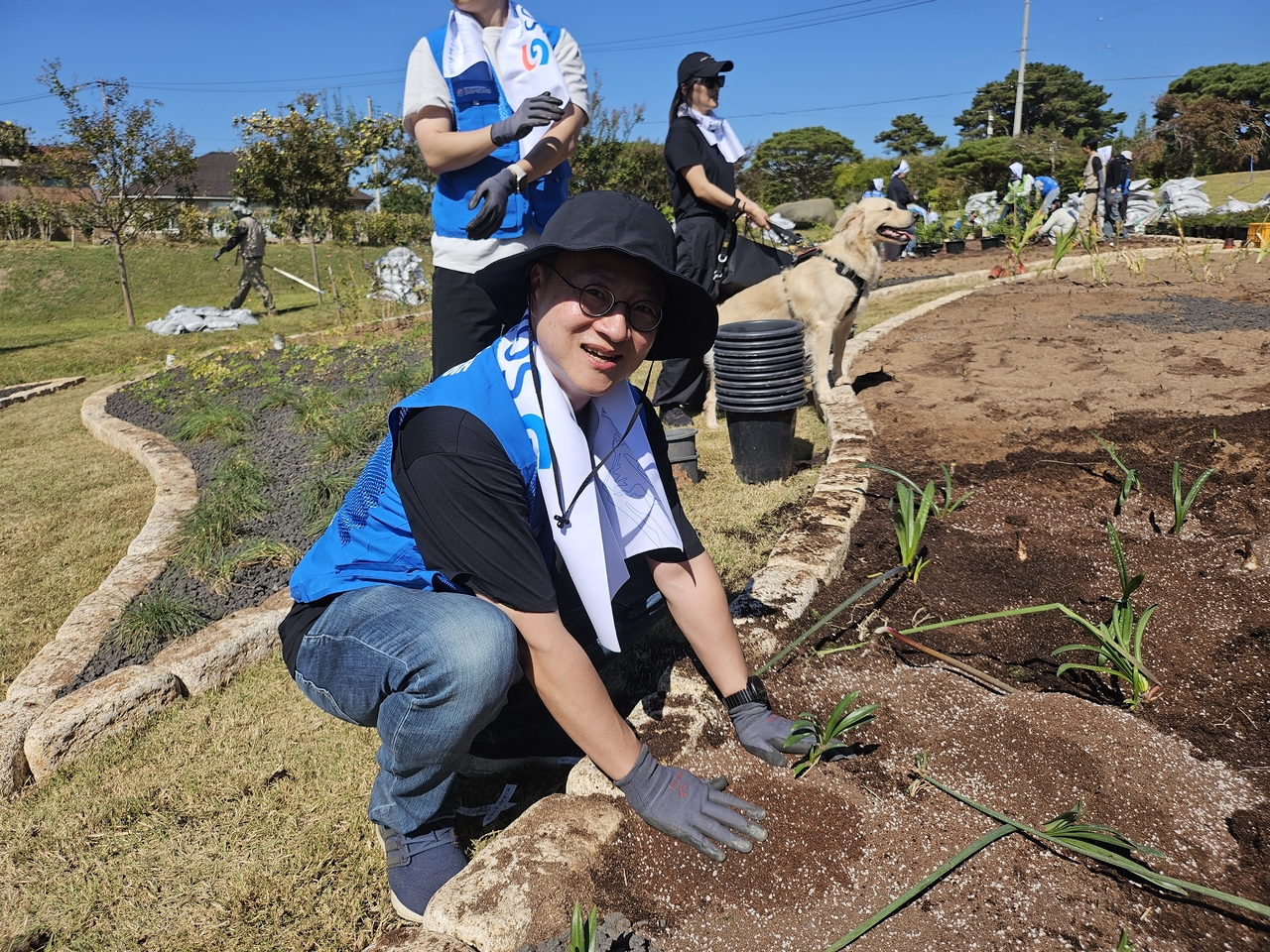
The Environmental Foundation organized the Oct. 8 planting event at the WePlant botanical garden in Seosan, drawing about 30 volunteers. Among them were 20 employees from SGI Seoul Guarantee Insurance's volunteer group, SGI Dream Partners, who joined to learn about the need to protect endangered plants and to take part in the planting work firsthand.
The species planted that day were pippurigul (Stellera chamaejasme) and deep-yellow cluster amaryllis (Lycoris chinensis var. sinuolata) — both classified as Class II endangered wild organisms, with limited natural habitats and survival threatened by human interference.
Pippurigul is a perennial herb that grows mainly on the volcanic hillocks, known as oreum, in eastern Jeju Island. Once relatively common in the Jeju area, its population declined so sharply that it was designated a Class II endangered wild organism in 2017.
Finding one in the wild today is nearly impossible. In 2023, the National Institute of Ecology's Endangered Species Restoration Center dispatched experts to locate surviving pippurigul in their natural habitat. The survey confirmed only three individual plants across three sites. Even those few specimens struggle to reproduce naturally.
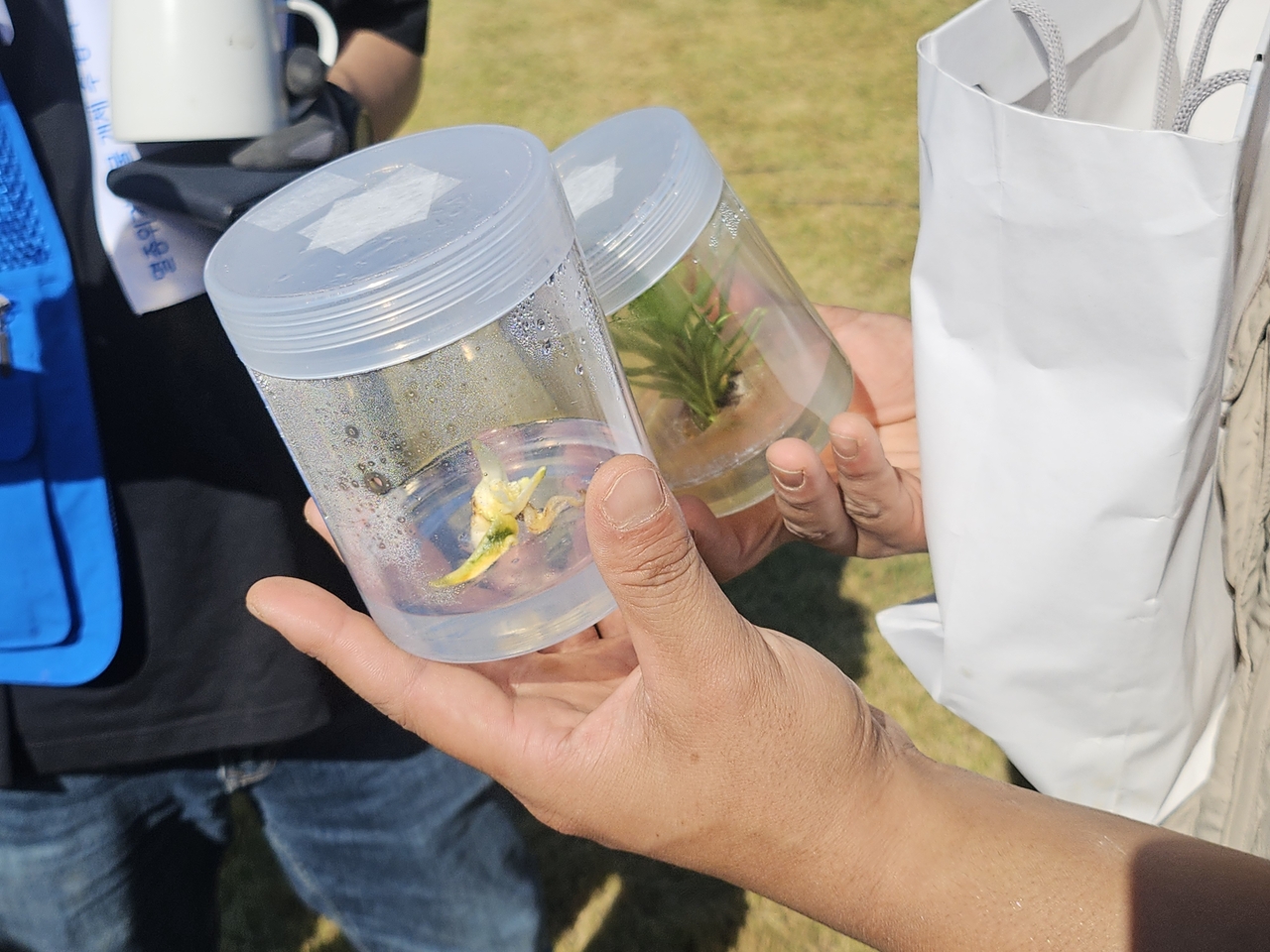
Pippurigul was not always so scarce. Until the early 2000s, it was a relatively common sight on the eastern slopes of Jeju Island, growing across multiple oreum including Nopeuneoreum and Darangswioreum.
Within decades, the situation changed completely. One key cause was unchecked harvesting by people who prized the plant for its ornamental value — its clusters of flowers blooming together at the tip of each stem made it a sought-after decorative species.
The other plant placed in the ground that day, deep-yellow cluster amaryllis, carries its own remarkable story. A perennial in the amaryllis family, it is endemic to South Korea, found only on low mountain slopes and along valley edges in the Jeolla region.
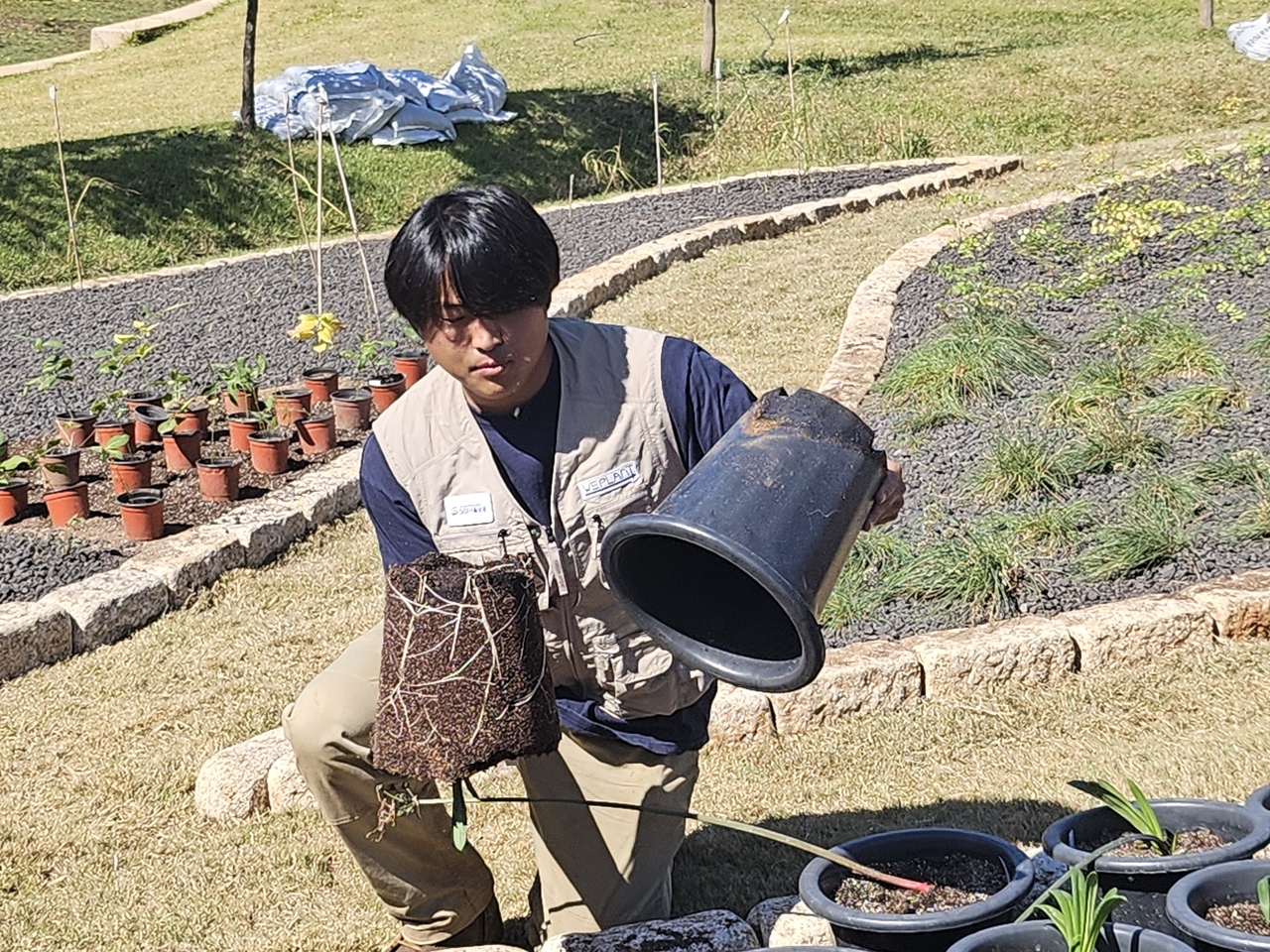
As its name suggests, the plant is distinguished by its deep yellow flowers. Unlike most plants, however, it bears no leaves when it blooms. Leaves grow and die back before the flowers appear, meaning the two never coexist — a trait that gave rise to the Korean name "sangsahwa," meaning a flower that can never meet its leaves.
Despite its striking appearance and unusual ecology, deep-yellow cluster amaryllis faces serious threats in the wild. Illegal harvesting, damage from hikers, and grazing by wildlife are among the primary dangers. Climate change-driven heavy rainfall poses an additional risk, as the plant often grows among rocks in moist valley areas.
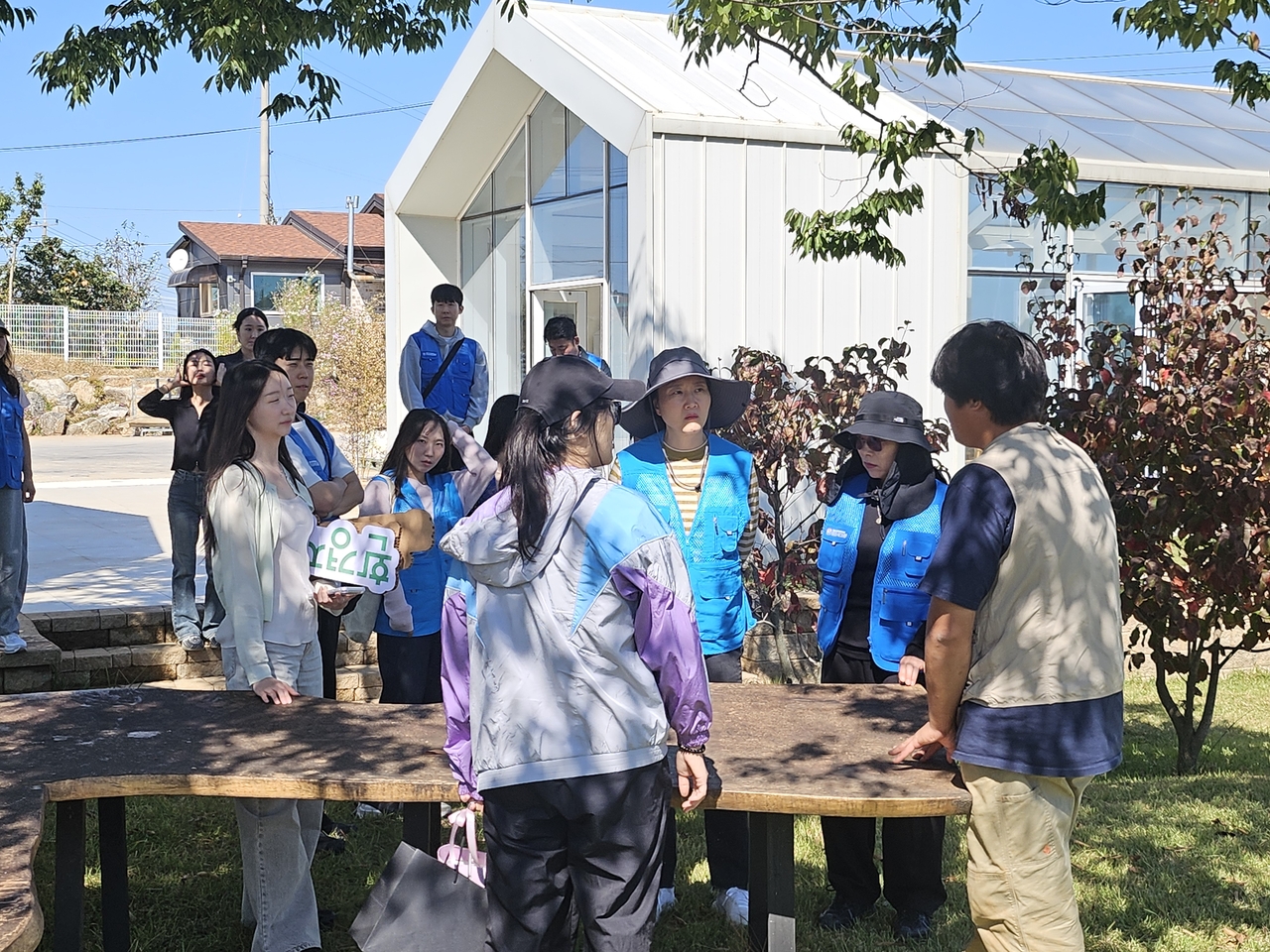
Ultimately, pippurigul and deep-yellow cluster amaryllis inhabit very different environments, but share a common fate: both are threatened by human activity and habitat change.
Why plant species that can barely be found in the wild on a piece of farmland? The answer lies in conservation and propagation. WePlant, the company that hosted the event, works on plant conservation and forest restoration, and runs a program to propagate and expand populations of endangered plant species.
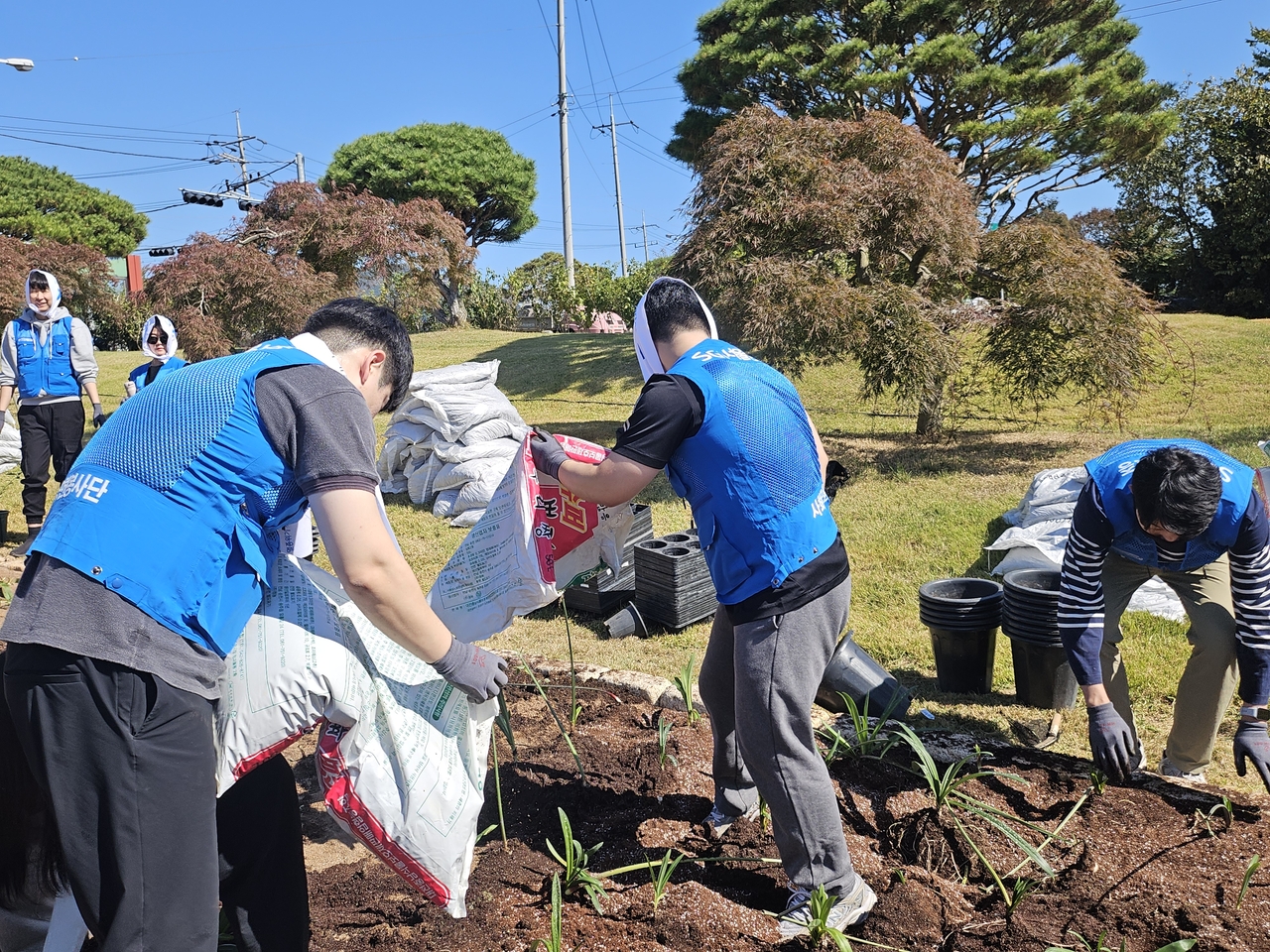
Kim Seong-jung, WePlant's chief executive, described the site as "a space for cultivating, conserving and propagating endangered plants." The goal, he said, is to preserve individual specimens of vanishing species and eventually use the propagated plants to restore natural habitats.
Raising public awareness is equally important, Kim said. Plants are often dismissed in everyday life as mere weeds or background greenery, yet among them are species with so few remaining individuals that they urgently need protection.
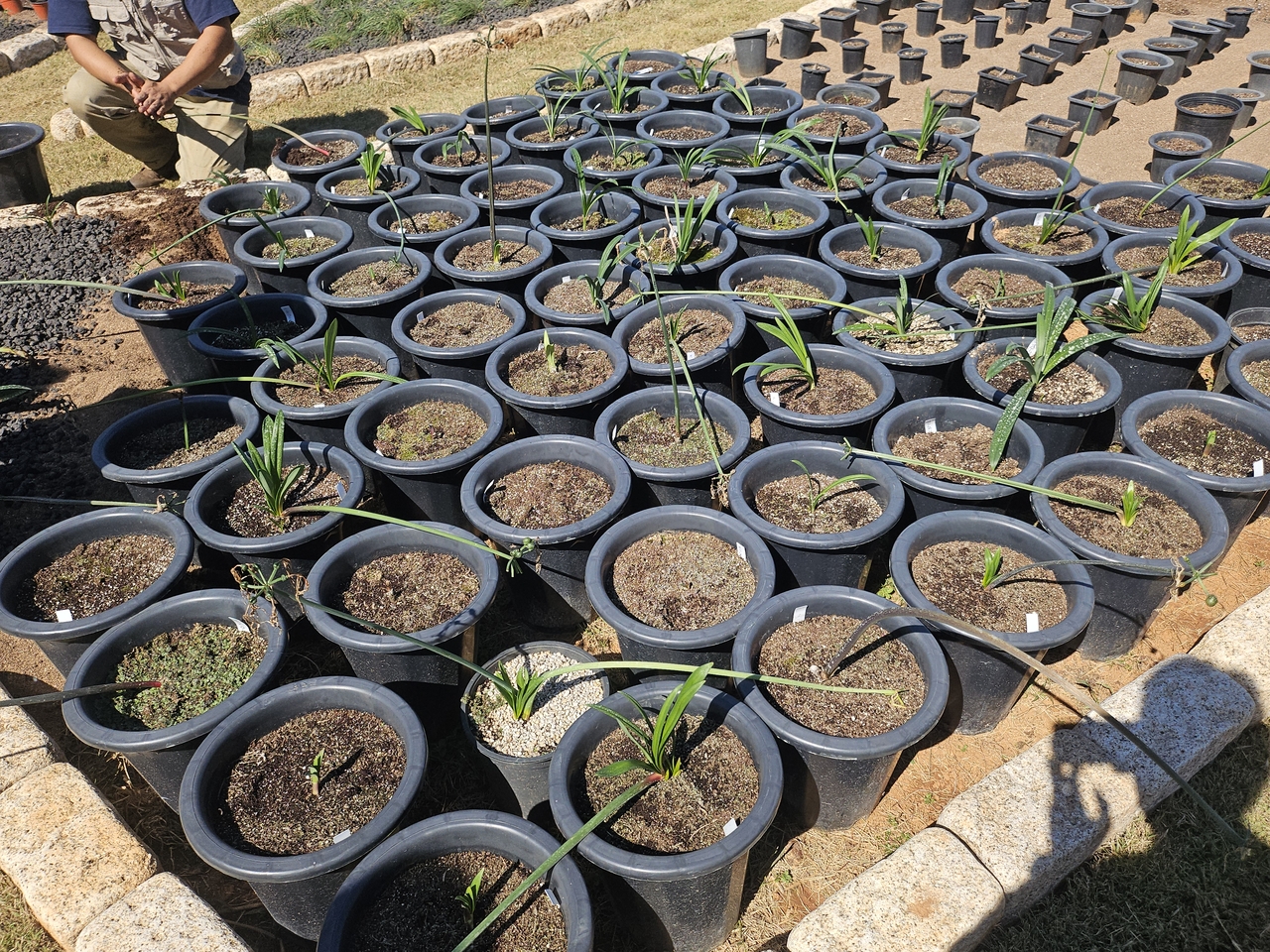
According to the National Institute of Ecology's registry of nationally protected species, South Korea has 282 endangered wild organisms in total, of which 92 are terrestrial plants — about 32.6 percent, or roughly one in three endangered wild species.
Plant conservation, moreover, is not simply a matter of protecting a particular flower or herb. Plants are a critical component of the environments in which countless organisms live. Changes in the variety and distribution of plant species can ripple outward, altering the habitats of the insects and other creatures that depend on them.
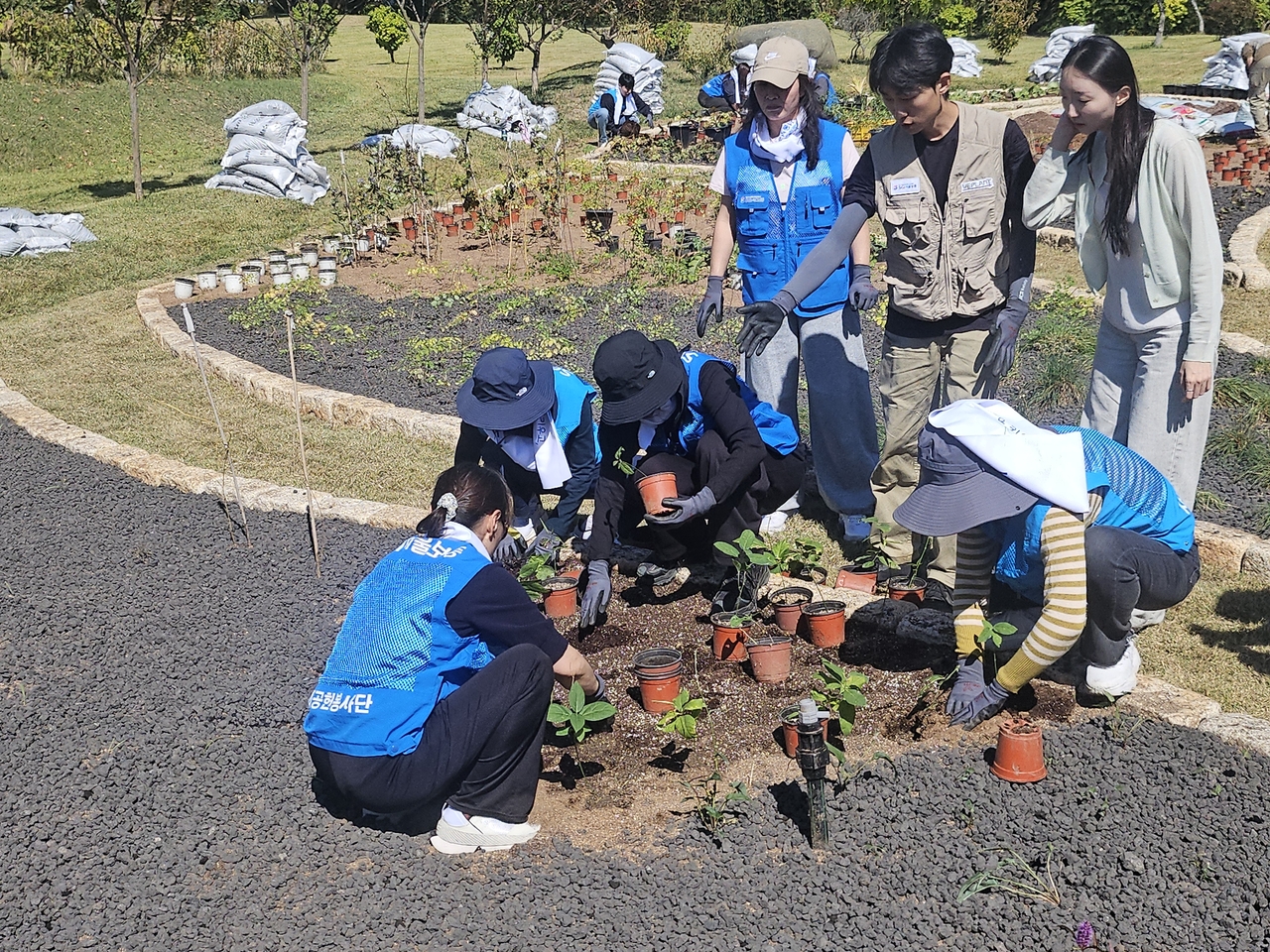
Protecting biodiversity, then, requires safeguarding not just animals but the plants they rely on — and the habitats those plants call home.
The SGI Seoul Guarantee Insurance employees who took part said the event gave them a new appreciation for the importance of endangered plants, a subject they had not previously given much thought.
Park Gyeong-ju, a senior staff member at SGI Seoul Guarantee Insurance's Seongnam branch, said it was her first time taking part in a planting activity. "The WePlant staff helped us a lot, so what I thought would be difficult went smoothly — I'm really glad," she said.
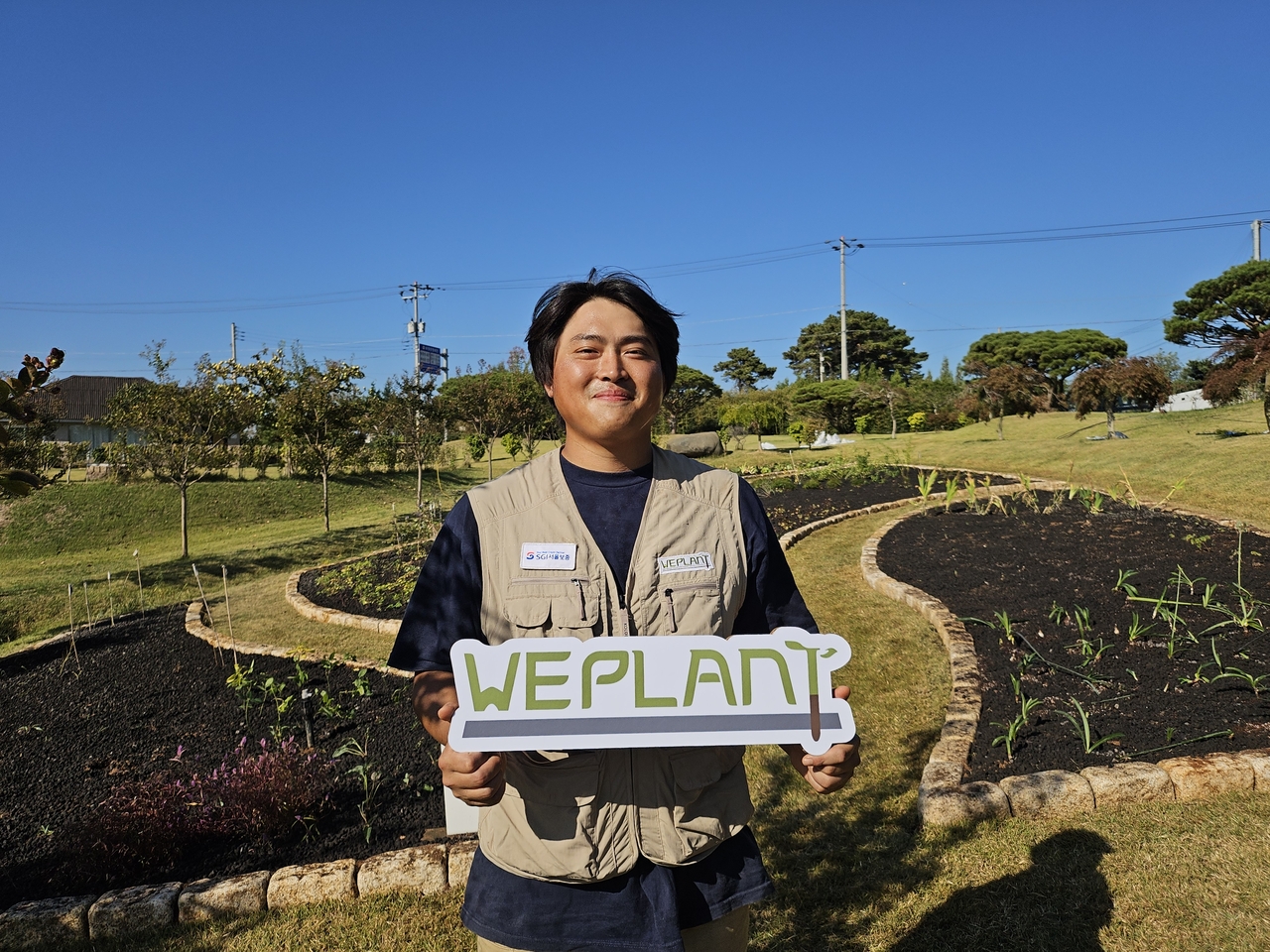
Jo Yong-beom, deputy branch manager at SGI Seoul Guarantee Insurance's Yeoksam branch, said he has volunteered for nearly a decade, mostly in environmental cleanup activities. "Doing something new was meaningful," he said. "I felt a great sense of fulfillment knowing I could contribute to expanding biodiversity."
Kim, the WePlant chief executive, said progress on the issue has been frustratingly slow. "We have consistently worked to draw attention to the biodiversity of endangered plants, but meaningful advances — whether socially or in terms of policy — have been limited," he said. "We will keep working to inform the public about these issues."

woo@heraldcorp.com