SpaceX completes $40 billion debt raise for GPU purchases
Starlink, launch revenue underpin financing
Musk: AI data center firms face tightening credit
More than 200 neo-cloud companies to be winnowed out, he says
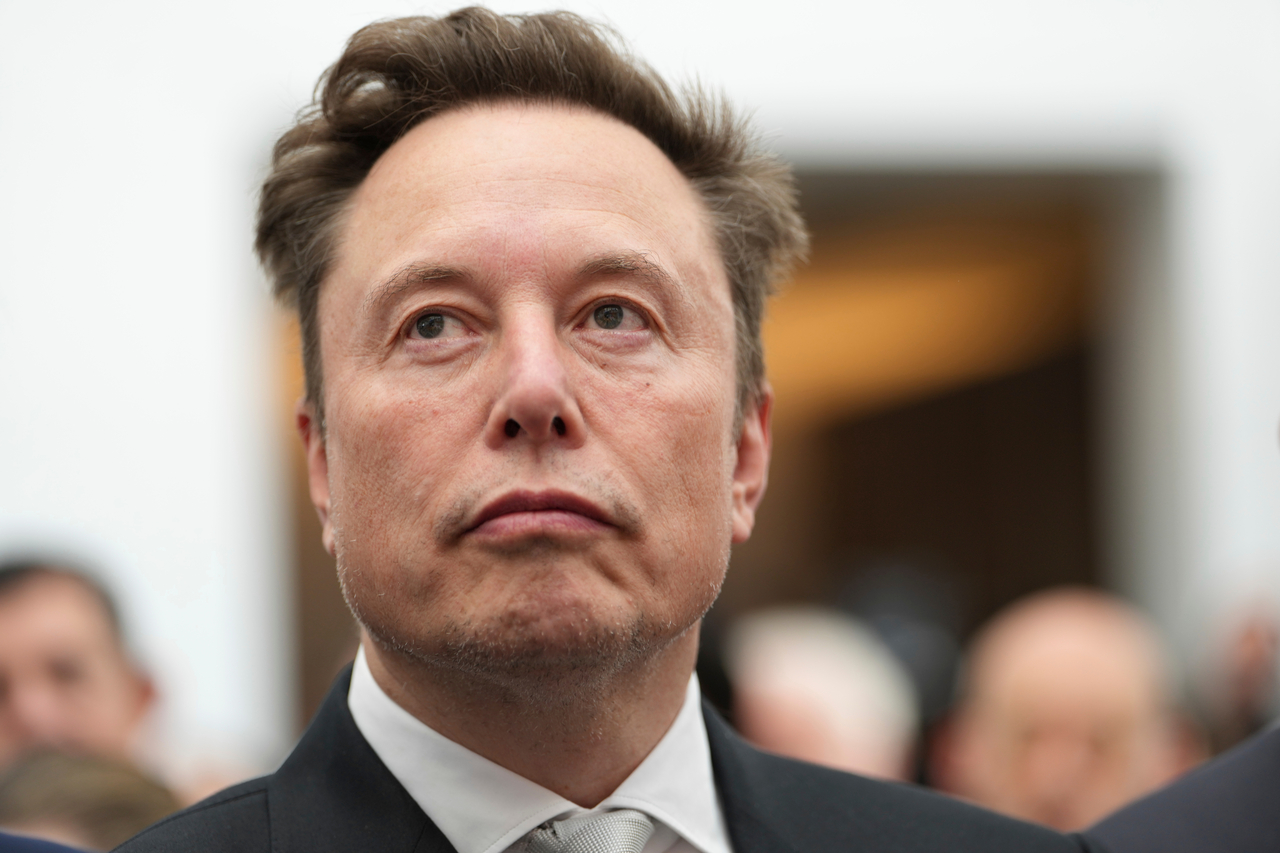
SpaceX, the space company led by Elon Musk, has completed a $40 billion financing round to purchase AI semiconductors. As financial markets grow increasingly wary of AI data center investment, Musk warned that most AI infrastructure companies without a stable revenue base will be driven out or absorbed.
On Sunday (local time), Musk announced on his social media platform X, formerly Twitter, that SpaceX had completed a $40 billion debt raise to fund GPU purchases.
Musk said that while financing conditions for AI infrastructure companies have deteriorated, SpaceX was able to secure the large-scale funding thanks to its investment-grade credit rating and revenue from its Starlink satellite internet service and launch business.
In a separate post, he said the funds were "for GPU purchases arriving in the first and second quarters of next year, mostly prepayable debt," adding that it was "not a big factor this quarter."
The Financial Times had earlier reported on Oct. 7 that SpaceX was pursuing a $40 billion financing deal to buy Nvidia AI chips. The transaction, led by asset manager Apollo Global Management, was said to consist of roughly $10 billion in bank loans and about $30 billion in investment-grade debt.
SpaceX absorbed Musk's AI company xAI this year and went public in June. The company's strategy is to channel the financial firepower built through its launch and satellite communications businesses into expanding AI infrastructure.
SpaceX is also reported to be targeting more than a doubling of the GPU capacity at Colossus, its massive AI data center in Memphis, Tennessee, by the end of December. The plan is to boost the computing power needed for AI model development and training through large-scale GPU procurement.
Musk used the financing announcement to warn of a potential shakeout in the AI infrastructure industry.
"In the past few weeks, the debt markets have almost completely cut off access to funding for companies without substantial revenue unrelated to AI data centers," he said.
The remark signals that companies pouring vast sums into building AI data centers but unable to secure stable cash flows will find it increasingly difficult to raise fresh capital.
Musk singled out neo-cloud companies — startups that rent out GPUs and data center infrastructure for AI computing.
"More than 200 neo-cloud companies will experience minnow-level consolidation and failure," he said. "Some will survive, but not many."
The warning underscores how the intensifying race to build AI infrastructure could widen the gap between companies that can command massive capital and those that cannot.
sjy@heraldcorp.com