History No. 226 — Archduchess Sophie
Infamous as the palace villainess and worst mother-in-law in history
A tragedy born of pressure and an overwhelming sense of duty
She lost a son, a daughter-in-law and a grandchild
She dreamed of imperial renewal — and hastened its collapse instead
Editor's note
The Huam-dong Art Gallery is the original home of long-form cultural and arts storytelling suited to the boundless digital space. Subscribe to the reporter to enjoy a new art story every weekend. This article is written as narrative storytelling grounded in historical fact, with some imaginative embellishment.
This installment is a little longer than usual. We thank our readers for their precious time.
Putting a son on the throne instead of a husband:
the archduchess makes her move
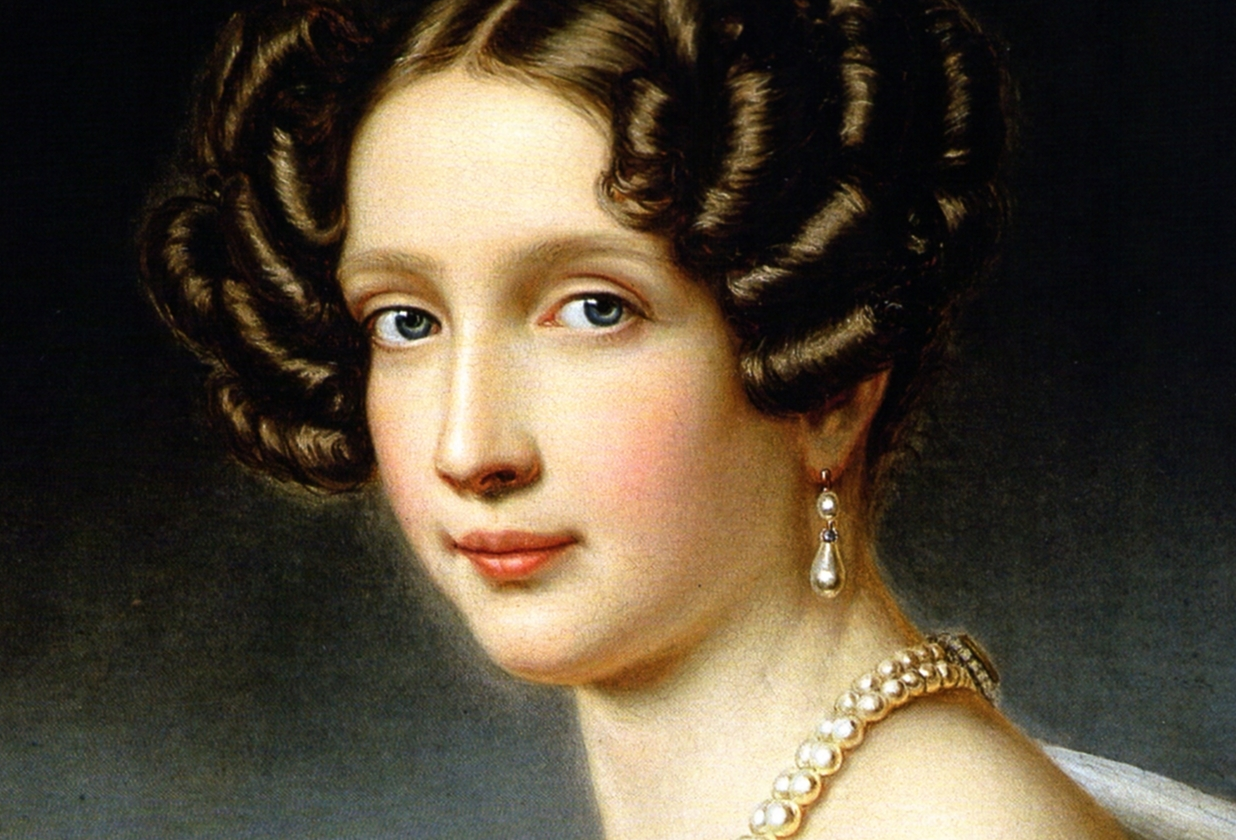
So, instead of you —
our son, who is smarter than you —
put him on the throne.
Sophie Friederike had spoken. Her husband, Archduke Franz Karl, had no answer.
She was right. Franz Karl was slow-witted — guileless by nature. He was the third son of Franz I, the Austrian Empire's first emperor. That, and nothing more.
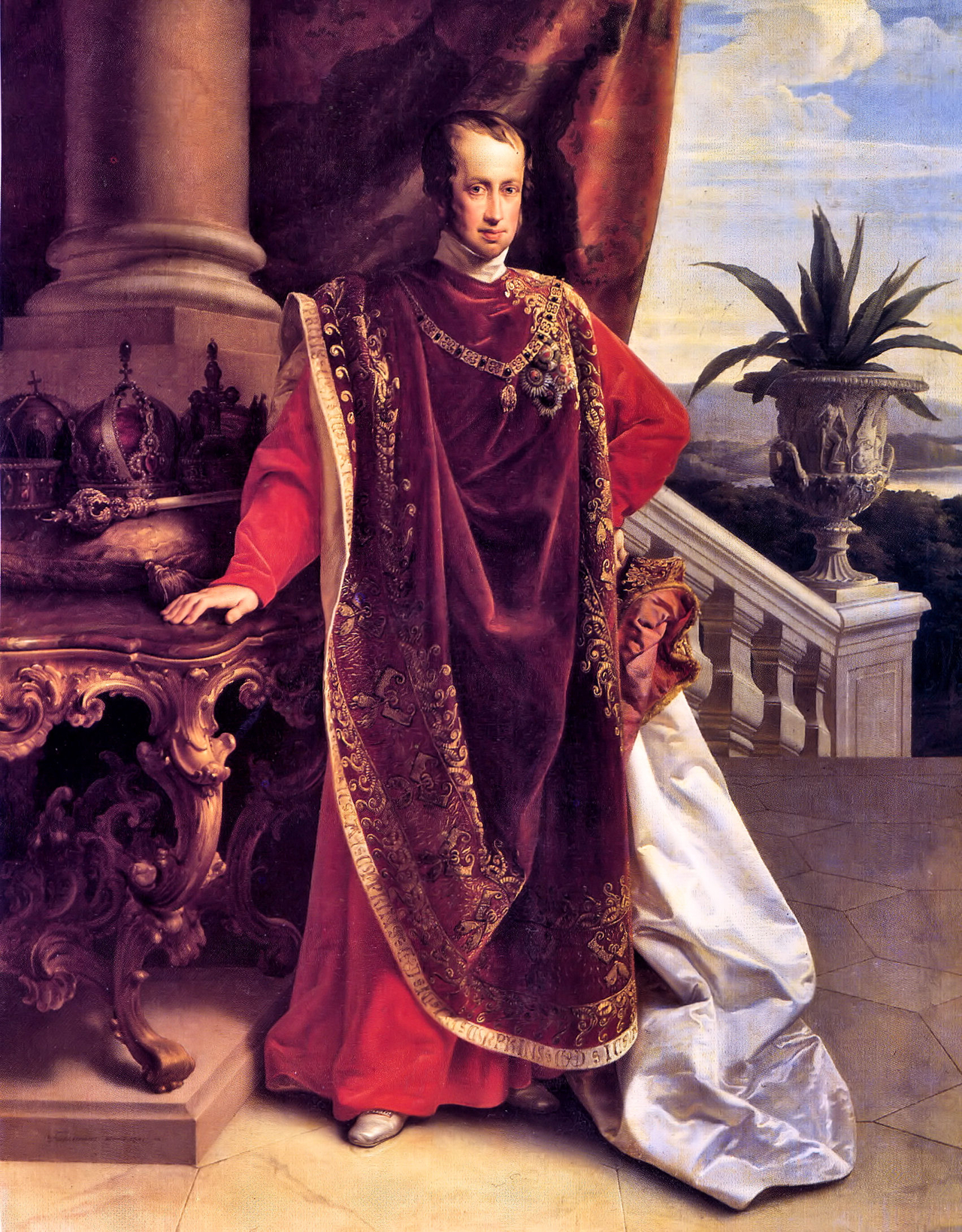
By rights, it was now Franz Karl's turn to become emperor. His eldest brother, Ferdinand I, had just abdicated. Ferdinand, too, had been a weak man — prone to tantrums when denied his favorite apricot pastries, yet utterly helpless before the revolutions that shook Europe in 1848. That liberal uprising, which erupted against the conservative Vienna System seeking a return to monarchical order, was simply beyond him. Abdicating was the only option. Meanwhile, Franz Karl's second brother, Josef Franz Leopold, had died young at just eight years old. By the natural order of succession, then, the third son, Franz Karl, should have claimed the Viennese throne. He would have had to choose: stand firm behind the imperial conservatives with commanding authority, or open a path for the revolutionary forces and present himself as a reformist monarch.
But Franz Karl seemed incapable of either.
He might well have come to grief chasing his favorite desserts, just as his brother had.
That was why his wife, Sophie, decided to play her trump card.
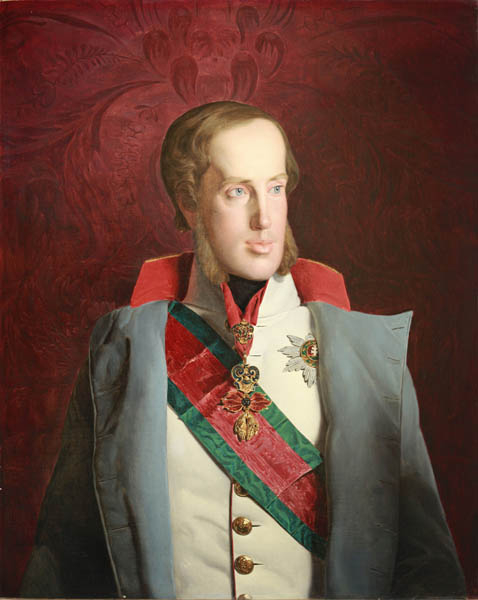
Her proposal: put their eldest son, Franz Joseph, on the throne in his father's place. The logic was plain — a tottering empire needed this capable boy, not his hapless father.
It was a shrewd gambit.
For the imperial house, the dynastic line would continue regardless. For the revolutionary forces, bypassing the conventional order of succession could be presented as a kind of irreversible progress — a break with the old ways. And Franz Joseph was barely eighteen. He was young, fresh and untested. A monarch so youthful might yet sweep away the decrepit old order, or so people could hope.
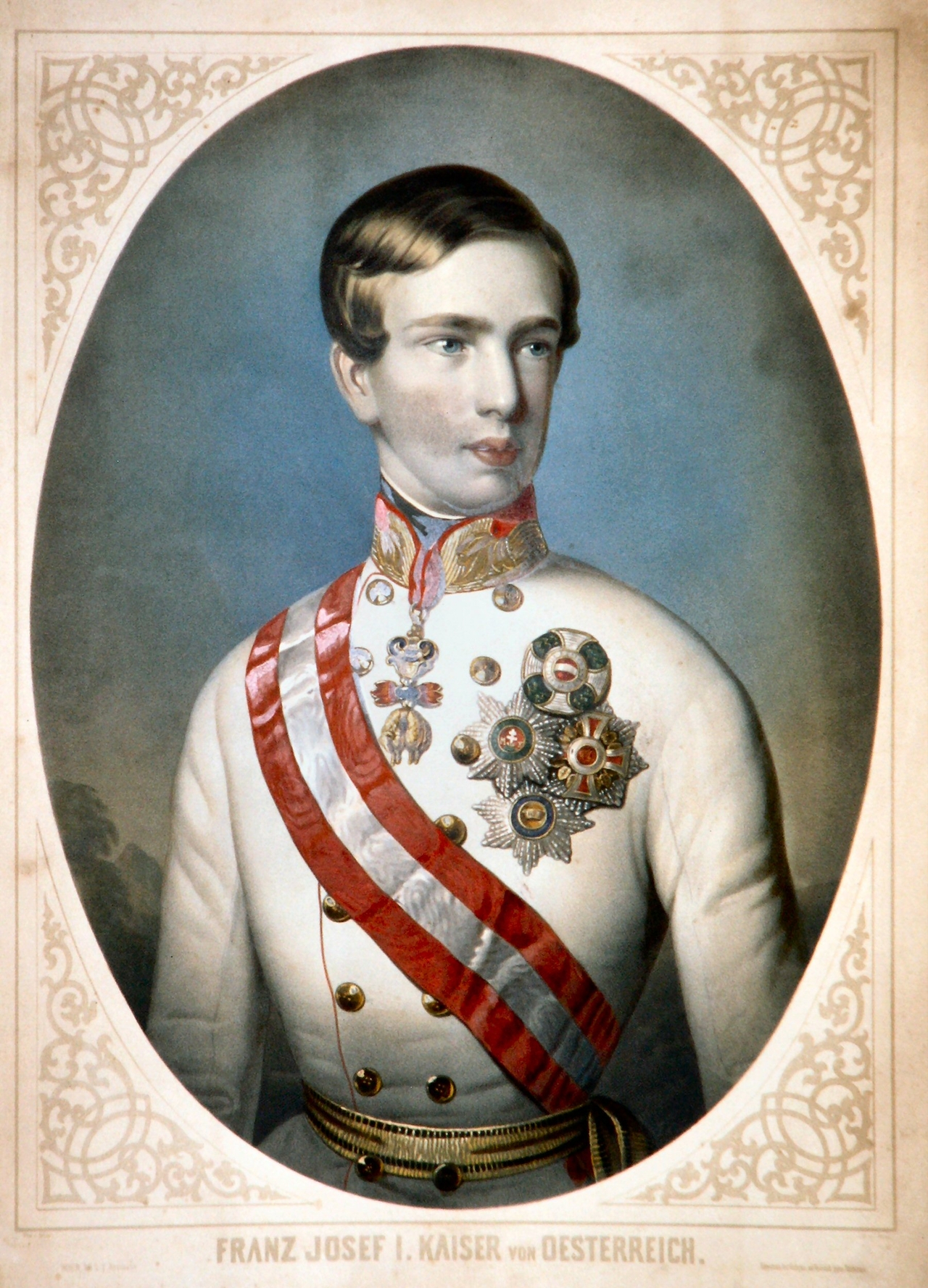
On Dec. 2, 1848, a new emperor took his seat on the throne in the name of the Austrian Empire.
The face that looked up was not the father's — not Franz Karl's — but the son's: Franz Joseph.
It had gone exactly as Sophie planned. Yet when the young emperor's true character emerged, it surprised the reformers who had placed their hopes in him. Franz Joseph I proved to be a rigid imperialist who believed in the divine right of kings. Those who had hoped a vigorous young wolf lurked beneath the boyish exterior found instead an old tiger. He showed no inclination to push progressive policies that might upend the imperial order. He was not entirely without room for compromise, but his bearing at every turn was as unyielding as a wall. The reformers had been outmaneuvered.
But the die was already cast. There was neither the momentum nor the justification to unseat him as Ferdinand I had been unseated. There was nothing to do but swallow the frustration and comply. This outcome, too, had followed the plan Sophie had laid to preserve the imperial house.
'The only general in the palace' —
she stepped forward to save the dynasty, but…
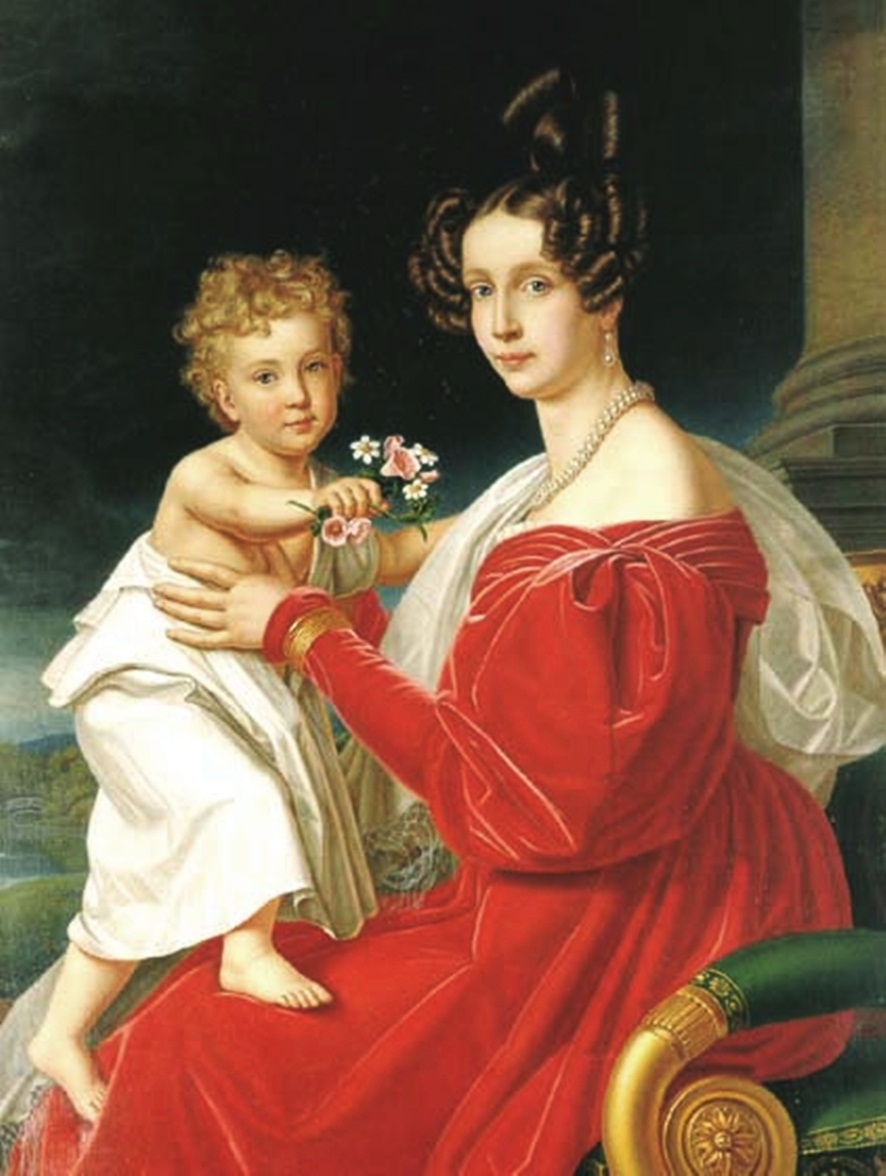
A woman in an elaborate headdress and an off-shoulder silk dress — Sophie.
She smiles softly beside her young son, the future Franz Joseph I. Wearing large jeweled earrings and a necklace, a white lace shawl draped over her shoulders, she sits in a gilded court armchair. Her corset-cinched waist is held perfectly straight, and she carries herself like Hera, goddess of the household in Greco-Roman myth. The pose — the future emperor lifted proudly onto her lap — is equally telling.
What commands attention above all is Sophie's piercing gaze, so vivid it nearly eclipses Franz Joseph I's face, his white gown and the small bouquet of flowers symbolizing innocence. The work is Princess Sophie of Bavaria with Her Son Franz, by court painter Josef Karl Stieler.
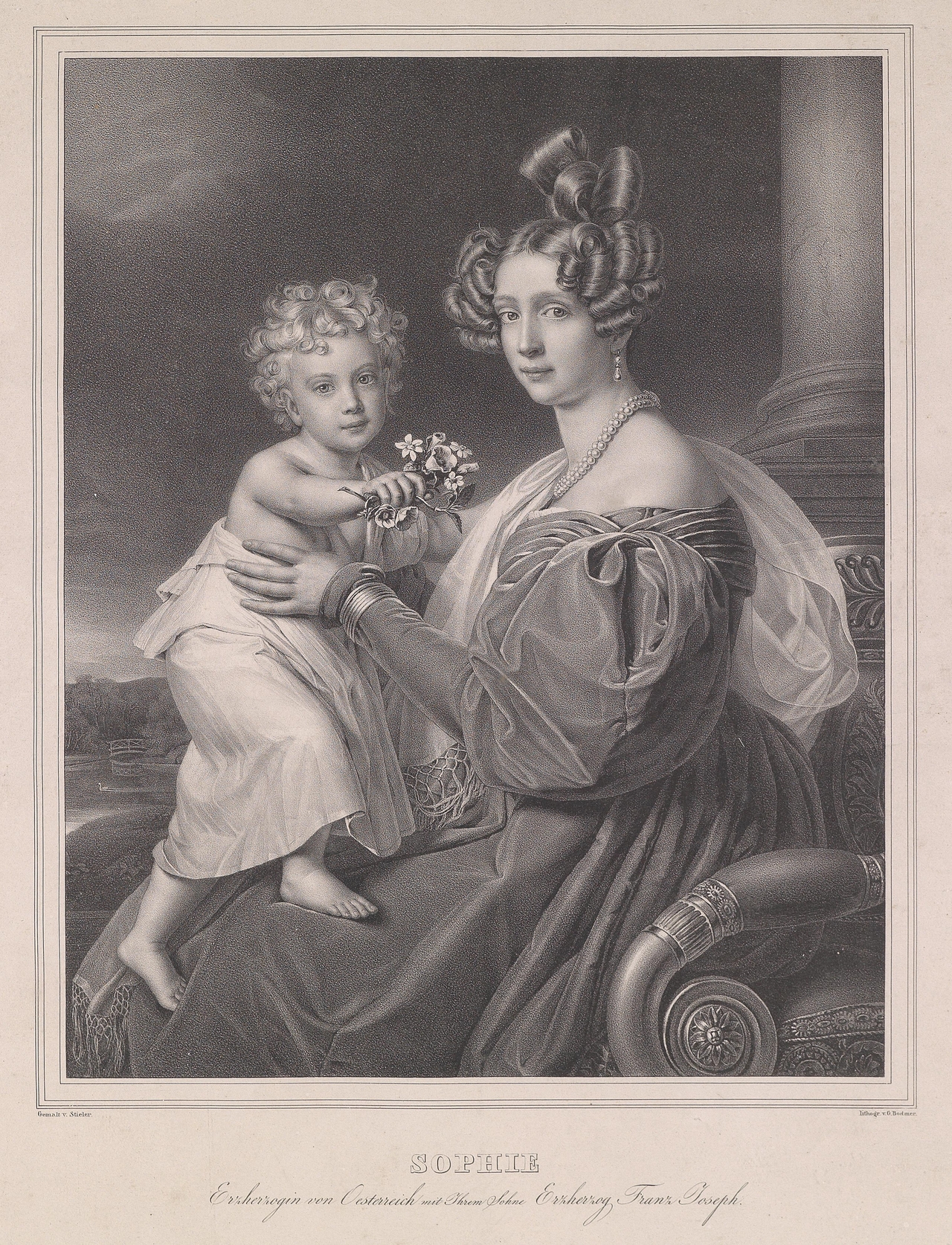
Sophie was so formidable that she was known throughout the Austrian Empire as "the only general — the only real man — in the palace."
Intelligent, ambitious and decisive, Sophie stood out as the sole beacon of purpose within the fading Habsburg dynasty. Having placed her son on the throne, she had also seized power for herself. She had sacrificed her chance to become empress and had to settle for the title of archduchess — but that hardly mattered. What she ultimately wanted was not a title but influence.
Sophie wanted to protect the imperial house.
If the feckless men around her could not do it, she would do it herself. And so began her drive to revive the dynasty on her own terms. To state the conclusion first: she failed. Sophie tried, in her way. She gave everything she had in every domain she believed was hers to manage. Yet the harder she fought for the world she belonged to, the more she reduced everything she touched to ruin. She never once wished for destruction — not truly, not for a moment — but the outcome was always cruel. Why?
Striking looks, relentless drive —
she became the power behind the throne
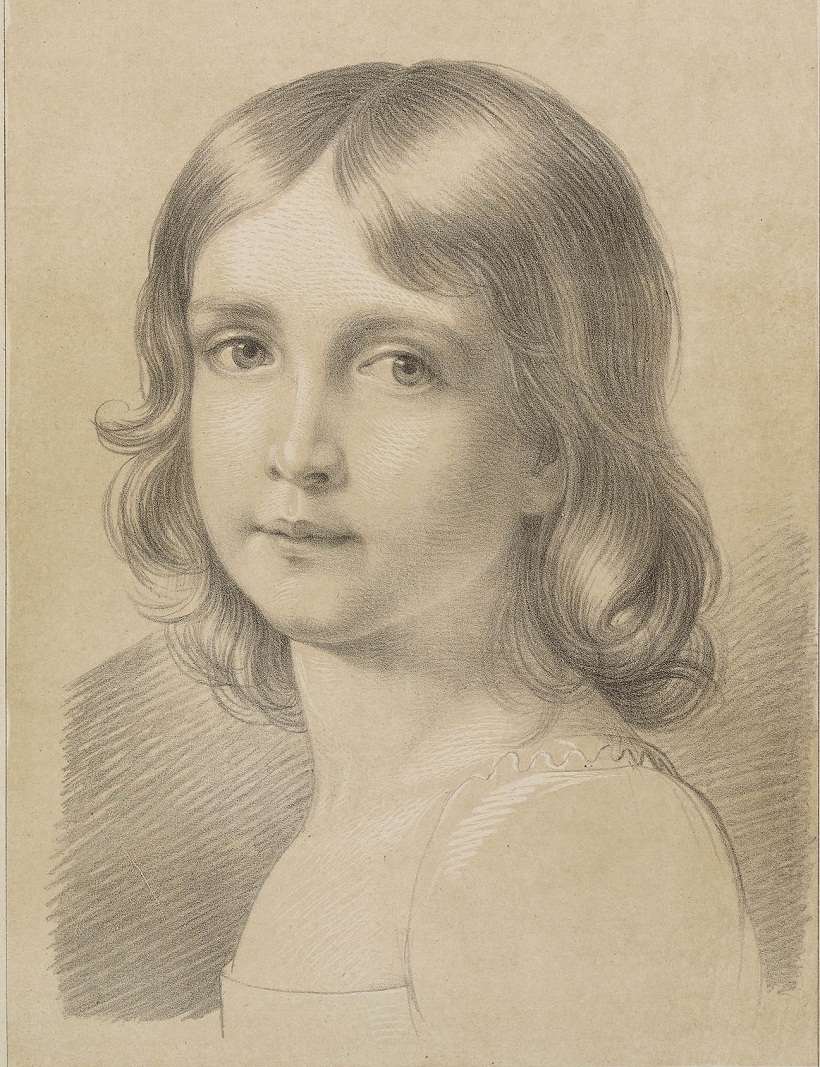
Sophie was born in 1805, the daughter of King Maximilian I Joseph of Bavaria and his second wife, Princess Caroline.
Sophie was striking from birth. Her blue eyes sparkled; her jawline was clean and delicate. She had thick, lustrous hair and a trim figure. Her beauty was widely remarked upon. In later years, Ludwig I — the second king of Bavaria — would hang her portrait in his so-called "Gallery of Beauties," a collection of portraits of the most beautiful women of the age. Sophie was also ambitious, and she possessed the backbone and drive to match that ambition. She had the temperament of someone who had to have what she wanted. Her parents found this quality attractive — a princess of the realm, they felt, ought to have that kind of spirit. She was, in fact, the most cherished of their six children.
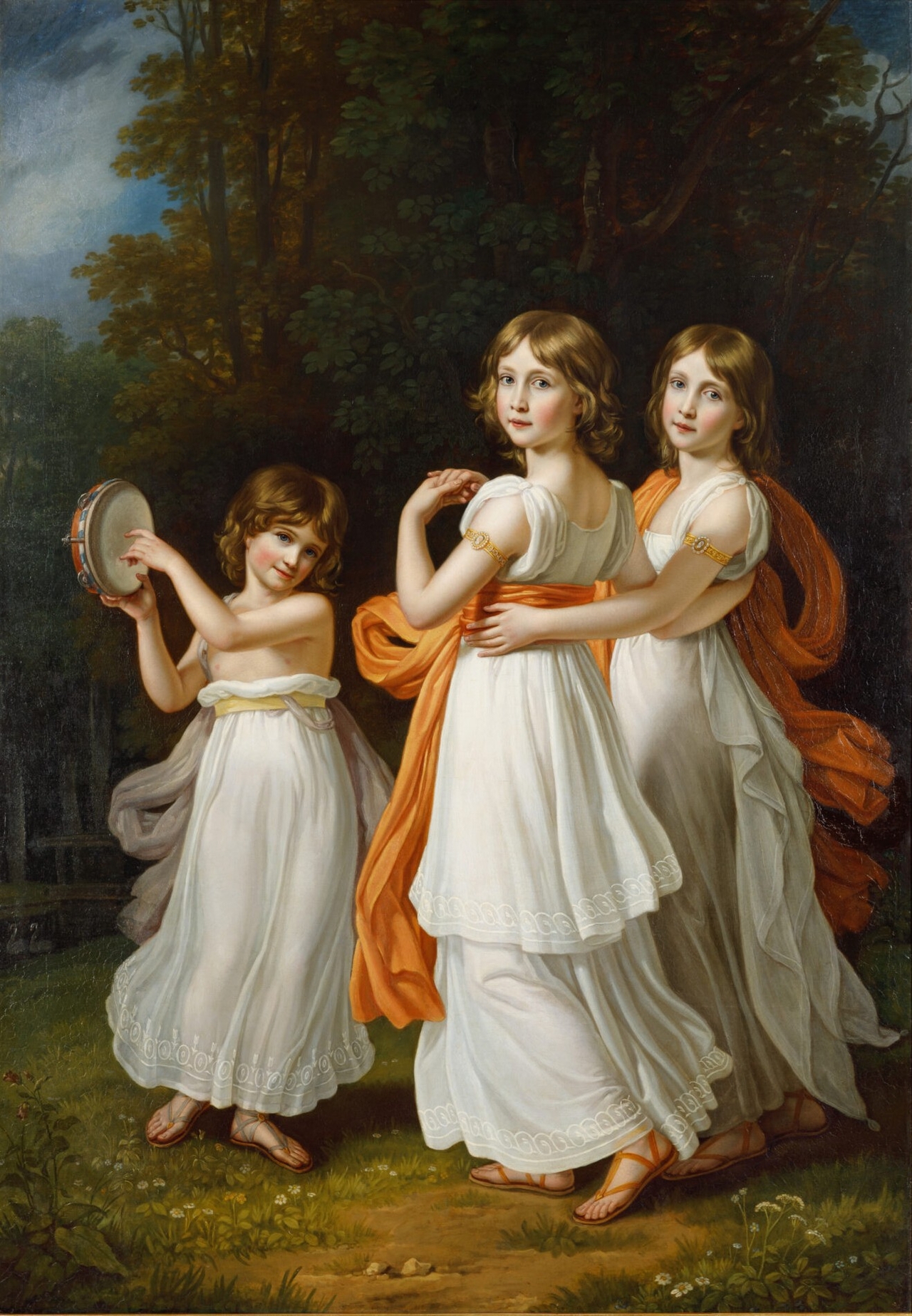
Sophie was nineteen when she married Archduke Franz Karl of the Austrian Empire in 1824.
It was an arranged marriage. At first she hated it. She was despondent. A man this timid and dull could never satisfy her.
Sophie wept. Then, when the tears were spent, she looked again at the board of power. The reigning emperor of the Austrian Empire at the time was Ferdinand I — her brother-in-law, and already showing signs of vacancy. Above all, he was physically incapable of fathering children. If he died young or abdicated without an heir, her husband would naturally be next in line. And then, perhaps, she too might wear something different — not the lighter fabric of an archduchess, but the weightier cloth of an empress.
Sophie threw herself into the role of wife.
She bore four sons, leaving her with nothing to prove on that front. She also poured herself into her children's education. It was she who instilled the old tiger in Franz Joseph I from an early age — the result of hours spent each day drilling him in imperial history and court etiquette. Time passed. The revolutions of 1848 erupted, and Ferdinand I — the man who had fussed over his apricot pastries — abdicated, as expected, unable to hold on.
There was a complication, however. The upheaval was growing fierce enough to swallow not just her brother-in-law but the entire imperial court. And in the midst of it all, her husband was proving even more incompetent than she had imagined. Sophie surveyed the board once more, and this time she arranged the pieces herself. It was a long, sleepless night. When her mind was made up, she summoned her husband and delivered what was less a suggestion than a command: put our son, who is smarter than you, on the throne.
The gambit worked. The palace's paralysis was contained, and the momentum of the revolutionary forces was, for the moment, checked. Sophie was now an archduchess wielding power greater than any empress she had once dreamed of becoming. Archduchess in name only — in practice, she was the hidden hand behind the throne, more influential than the empress herself.
Not malice but good intentions —
only she pressed too hard
All bad precedents began as justifiable measures.
Omnia mala exempla ex rebus bonis orta sunt.
— Excerpt from "The Conspiracy of Catiline" by the ancient Roman historian Sallust (paraphrased)
The tragedy Sophie set in motion was not born of malice — it was, rather, the product of her own overwhelming sense of responsibility.
Having become the power behind the throne, Sophie saw herself as the last bulwark standing between the imperial order and its collapse. But she pressed too hard. She tried to build that bulwark too high and too solid. Every problem that followed sprang from this. The irony was complete.
It began well enough —
then came the drama no one had scripted
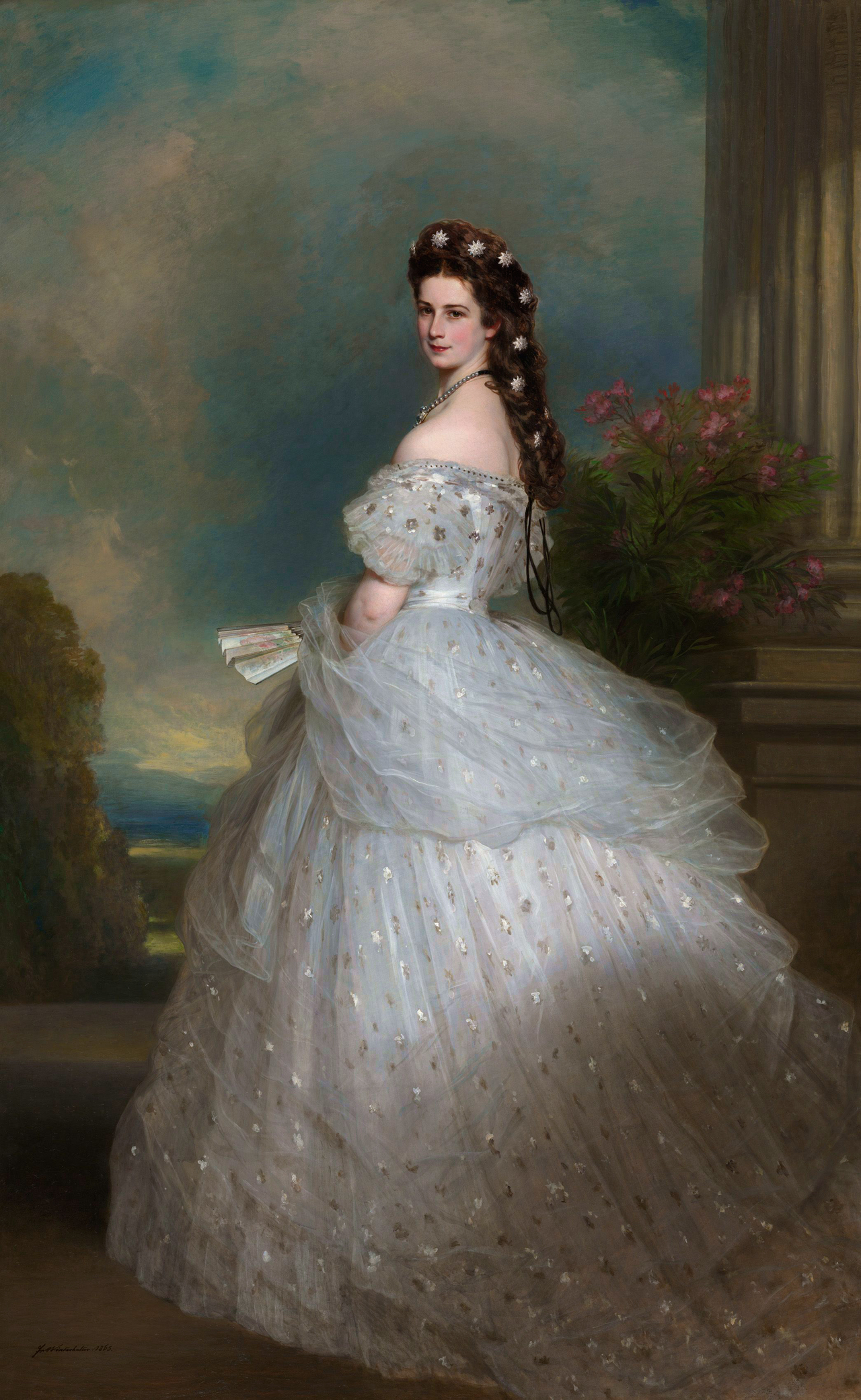
Having safely installed her eldest son, Franz Joseph I, on the throne, Sophie turned her mind to the next task.
She needed to find an empress worthy of her emperor son — or more precisely, worthy of the empire itself.
Sophie already had a candidate in mind.
It was her niece, Helene. Helene's looks were unremarkable and her temperament a little difficult, but she knew court etiquette well and possessed the social awareness that any member of the ruling class had to have.
But Franz Joseph I had eyes only for Helene's spirited younger sister, Elisabeth — the girl who would one day be known as Sisi. Sisi was astonishingly pretty and vivacious. Even Franz Joseph I, who usually deferred to Sophie, dug in his heels: he would never marry anyone but Sisi.
In April 1854, the twenty-four-year-old Franz Joseph I and the seventeen-year-old Sisi were wed.
Sophie smiled. It was not the outcome she had calculated, but it seemed it would be fine. She may even have thought that a charming wife was exactly what her rigid son needed.
I watched Sisi arrange her own hair.
Even I was captivated by her grace and elegance.
Sophie wrote in such terms to her sister — she, too, genuinely liked Sisi.
It was so many people who made her feel small.
She had never been out in the great world of society,
so she could not have known the weight of all that attention falling on her.
Sophie even defended Sisi in these terms when the young empress repeatedly stumbled at official functions. But then…
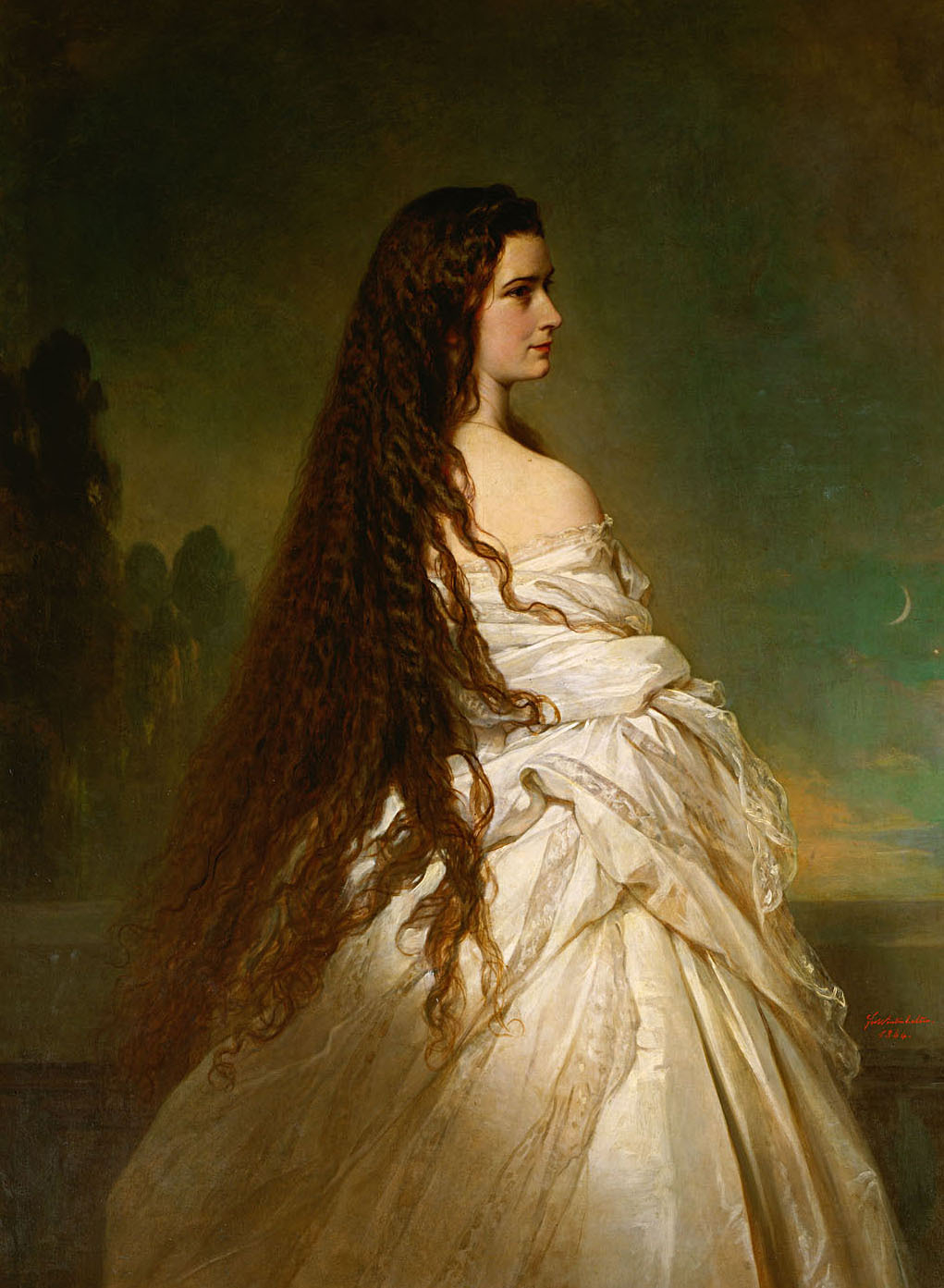
Sisi wept every day after arriving at the imperial palace.
She cried a great deal. She was still young — delicate and sensitive by nature. For a woman who had grown up in complete freedom, the court's rigid protocols, which dictated even how she should wave her hand, were an impossible burden. Sophie's expression began to harden. Sophie did not want a weeping empress. What she needed was a mature woman capable of steadying the nation. So Sophie decided to take matters into her own hands and make Sisi grow up. It was the beginning of the tragedy.
Sophie attached herself to Sisi.
She set about correcting Sisi's expressions, manner of speech, gait, eating habits, dental hygiene and the way she interacted with court members. When Sophie could not be present herself, she assigned ladies-in-waiting to report on Sisi's daily life. Sophie wanted Sisi to become strong. Instead, what took root in Sisi was depression. She developed claustrophobia, trembling in narrow corridors, and panic attacks — breaking into cold sweats at the sound of Sophie's characteristically brisk footsteps. Sophie grew ever more disappointed; Sisi sank ever deeper into helplessness. It was a vicious cycle.
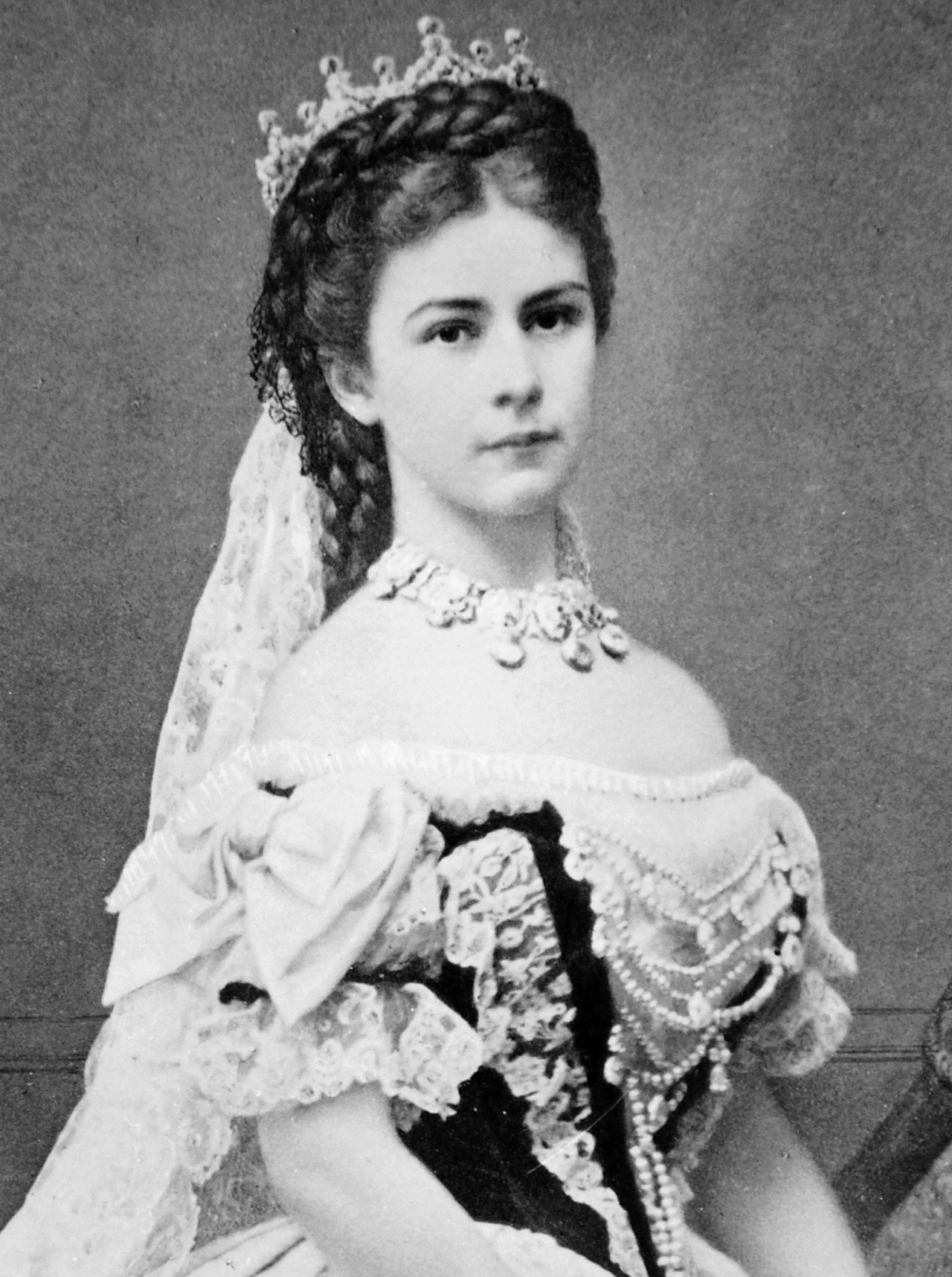
Did Sophie distrust Sisi?
She moved Sisi's firstborn daughter into the room next to her own apartments. She did the same with the second daughter. Sophie and the court governess took charge of the children's upbringing. It was true that imperial custom called for the whole court to have a hand in raising princes and princesses alike. But the practice was applied to Sisi and her children with particular severity. Sisi reportedly had to seek permission from the person in charge before she could see her own daughters — children she herself had borne.
Then came the breaking point. Sisi defied Sophie's objections and traveled to the Kingdom of Hungary with both daughters. Around that time, the eldest — little Sophie, named by the archduchess herself — fell ill with a high fever and stomach pains. The child, who had been crying inconsolably, died. It was 1857; she was just two years old.
Sophie was devastated, and so was Sisi. Each glared at the other. Sophie likely saw Sisi as a reckless girl who could not even look after her own daughter. Sisi likely saw Sophie as the cold-hearted woman who had made her a mother who killed her child — for had she been free to see her daughter whenever she wished, she would never have felt compelled to make that stubborn journey.
A year later, Sisi gave birth to the son the entire imperial court had been waiting for: Rudolf. The legitimate heir to carry on the dynasty after Franz Joseph I had arrived.
What did Sophie do? She took the newborn and brought him to her own quarters, as if it were the most natural thing in the world. Sisi seemed to have no strength left to resist. From that point on, Sisi spent the rest of her life wandering outside Vienna, unable to fulfill her role as either empress or mother in the fog of depression and aimlessness. In truth, she could not simply be blamed for it. Sophie had failed to guide Sisi as she had intended — it had never been possible. A wandering empress and a shattered relationship within the imperial family took root as yet another source of instability for the empire.
A crown prince's spirit was already dying —
his body simply followed, years later
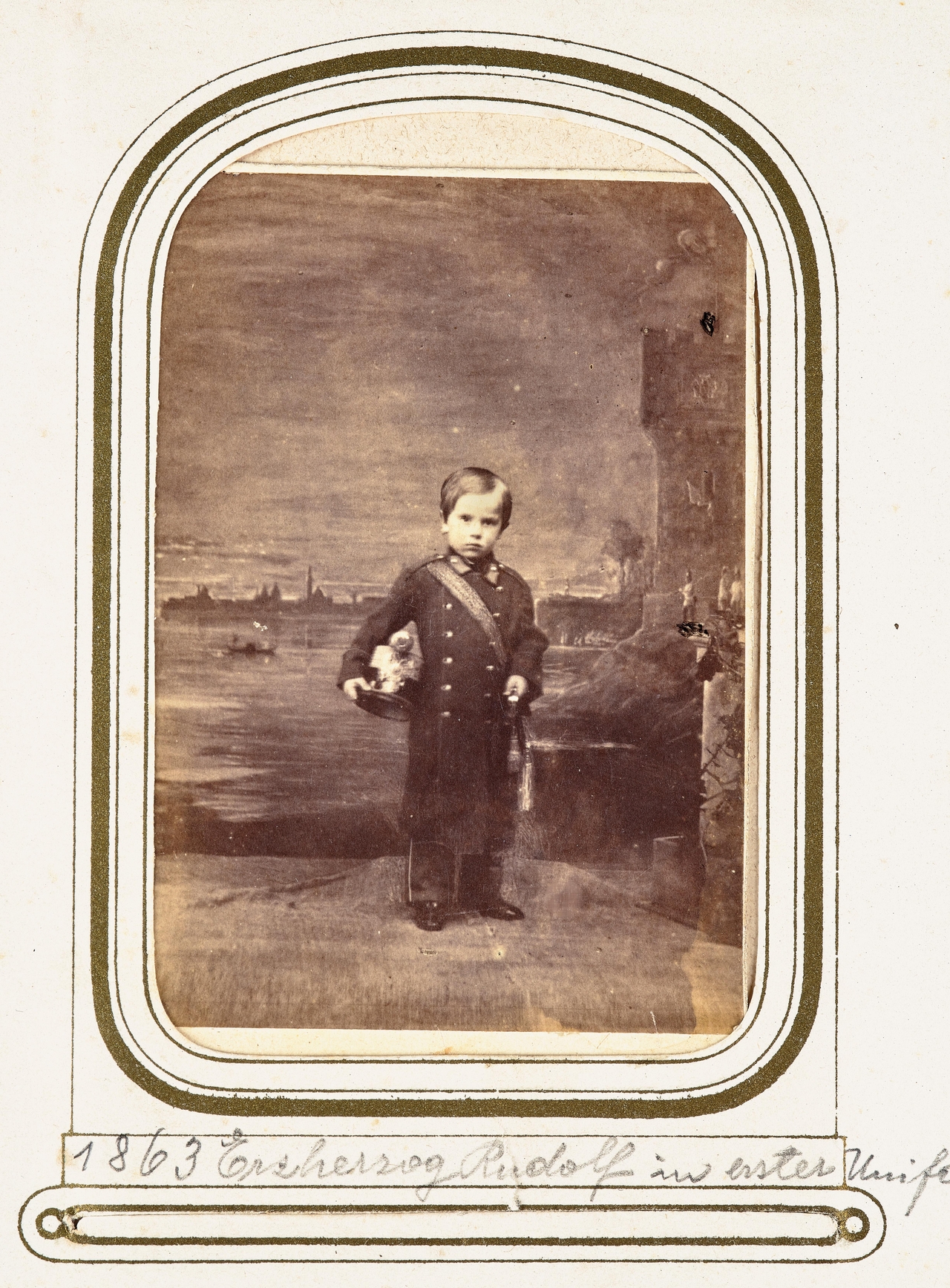
Sadly, Sophie was no more able to shape her grandson, Crown Prince Rudolf, as she had wished.
To state the conclusion first again: Rudolf took his own life before he ever had the chance to bloom.
Rudolf was as fragile as his mother, Sisi — emotional and sensitive. He was never a child who should have been raised to the sound of gunshots at dawn or forced to march through the snow all night.
From the age of seven, Rudolf was subjected to an intensive royal education he never wanted. Under the tacit approval of his grandmother Sophie and the direct supervision of his father, Franz Joseph I, his schedule was packed every single day. German, French, Polish, Hungarian, even Latin and Greek — and alongside those, law, history, geography and mathematics at his desk. Outside the classroom, he was doused with cold water, taken hunting, made to push through thickets and walk across ice. Sophie, watching all of this, must have wanted her grandson to grow strong — to endure every hardship, become resilient and emerge as the next leader who would raise the empire's prestige. But the more relentlessly he was pushed, the more Rudolf, like his mother Sisi, grew resentful and lost his spirit.
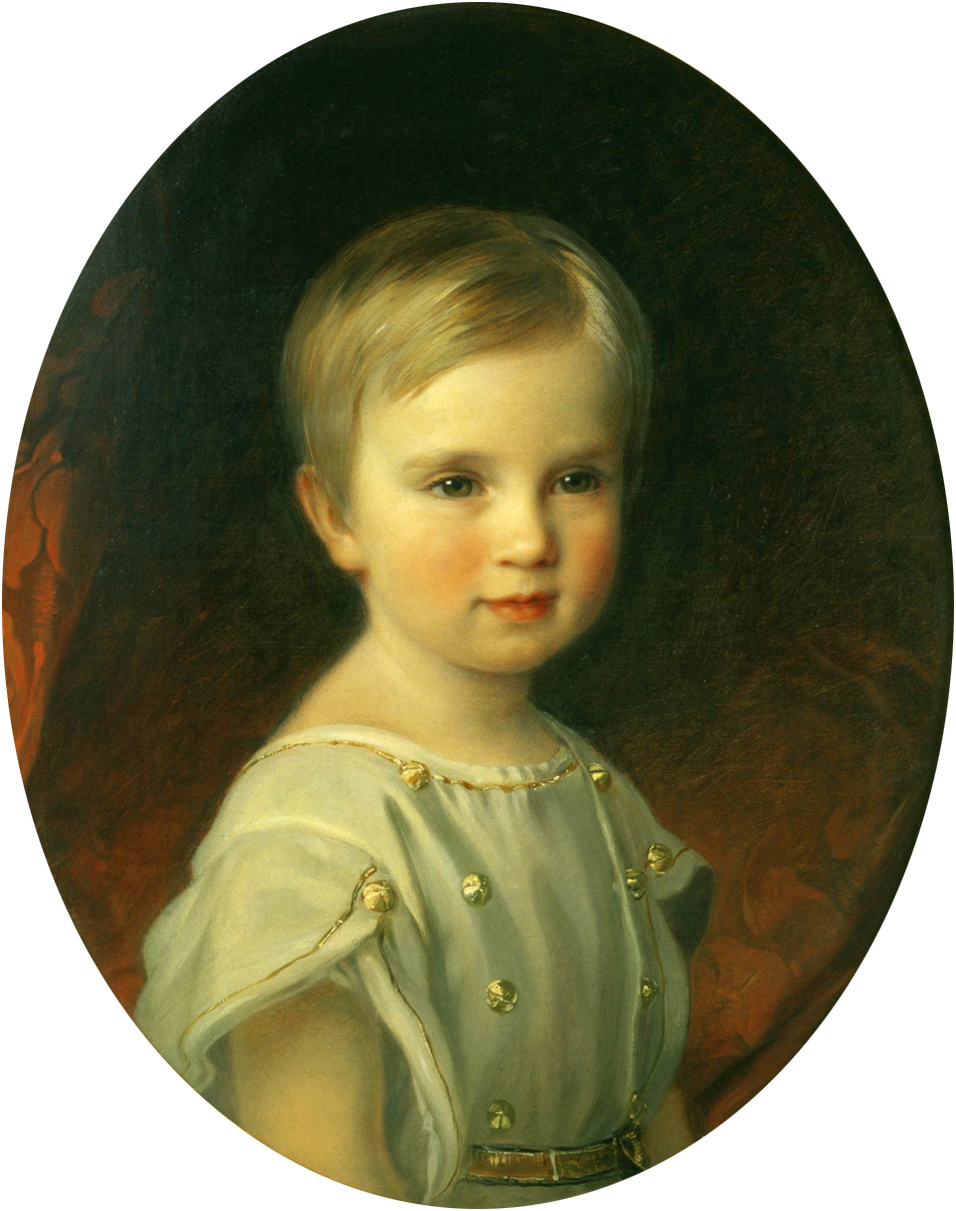
The end was catastrophic. Rudolf died at a hunting lodge, alongside his mistress. This happened well after Sophie had left the world. But Rudolf's spirit had been dying since childhood; his body simply followed, belatedly, on that final day.
The empire had lost its most legitimate crown prince. It could not be laid entirely at Sophie's feet — there were many reasons, political and structural. Above all, his father Franz Joseph I bore the greatest responsibility for his misjudgments. Yet when it came to the irrational education that had worn Rudolf down, Sophie had been its most influential enabler and bystander. The tragedy did not end there. One final blow remained — the largest and heaviest of all. Sophie would have to weep again. She would have to sob far longer.
Even the child she loved most —
lost, senselessly
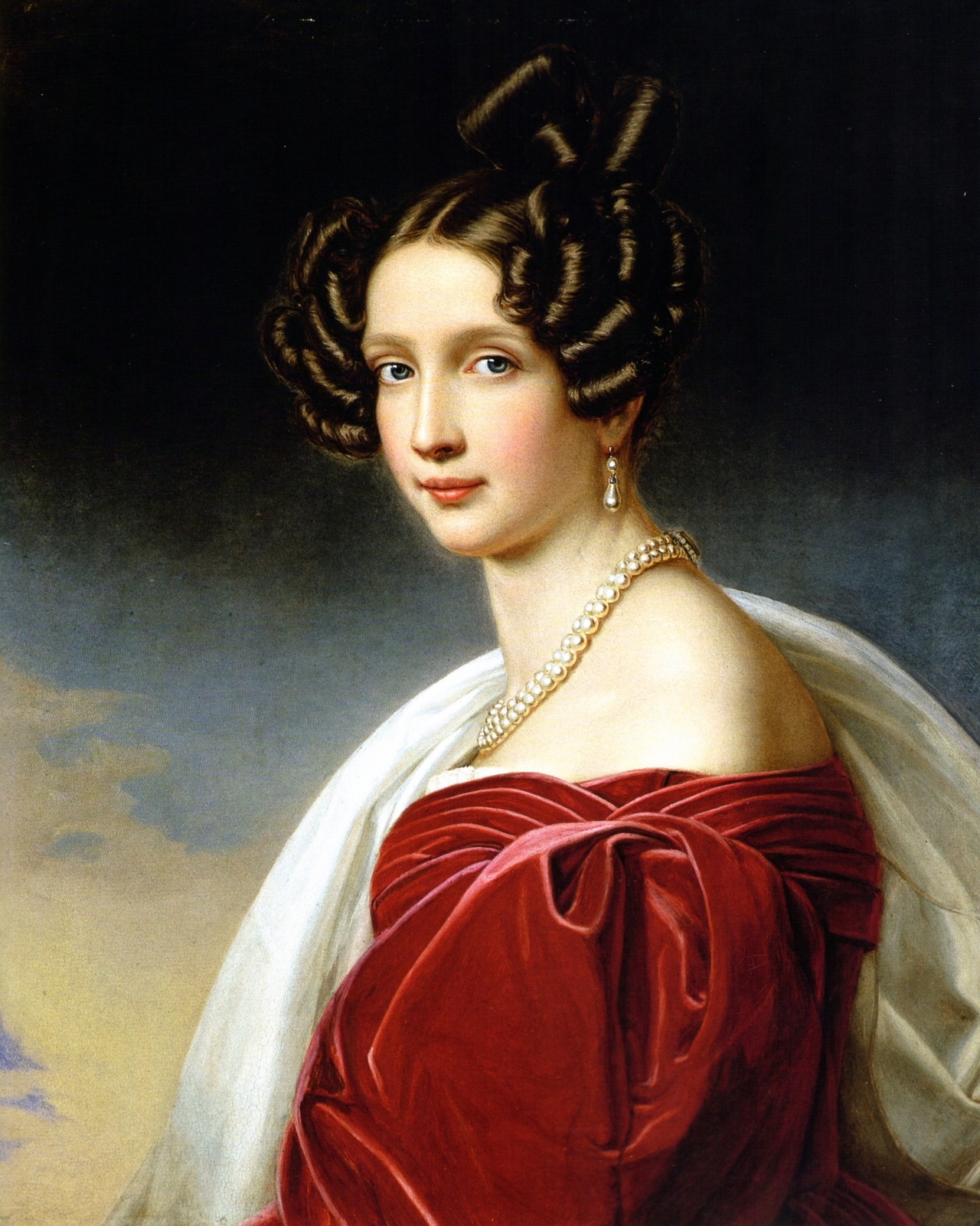
The child Sophie loved most was her second son, Maximilian.
There had always been tension between Sophie and her eldest, Franz Joseph I. They loved each other as mother and son, but the quiet rivalry between the power behind the throne and the young emperor was never entirely absent.
Maximilian, by contrast, was easy to be with. He was a son she could love without reservation, with no entanglements between them. Unlike his brother Franz Joseph I, Maximilian had a warmth and charm about him. Sophie doted on him so openly that a strange rumor once circulated at court: that his real father was not Sophie's dim-witted husband Franz Karl, but the handsome and charismatic Napoleon II, who had been living in Vienna at the time following his father Napoleon I's downfall. Sophie had indeed nursed Napoleon II personally during his illness, which suggested a particular closeness. But as Maximilian grew older and came to look more and more like Franz Karl, the speculation quietly faded.
Maximilian wore a naval uniform.
He had served as commander-in-chief of the navy and briefly as governor of the Kingdom of Lombardy–Venetia. His life seemed set to follow that course — with his brother Franz Joseph I firmly on the throne, there was nothing more to aspire to, nor any reason to. It seemed fine. It was, by any measure, a life befitting a member of the imperial family.
But Maximilian listened to a temptation that came like a whisper from the devil.
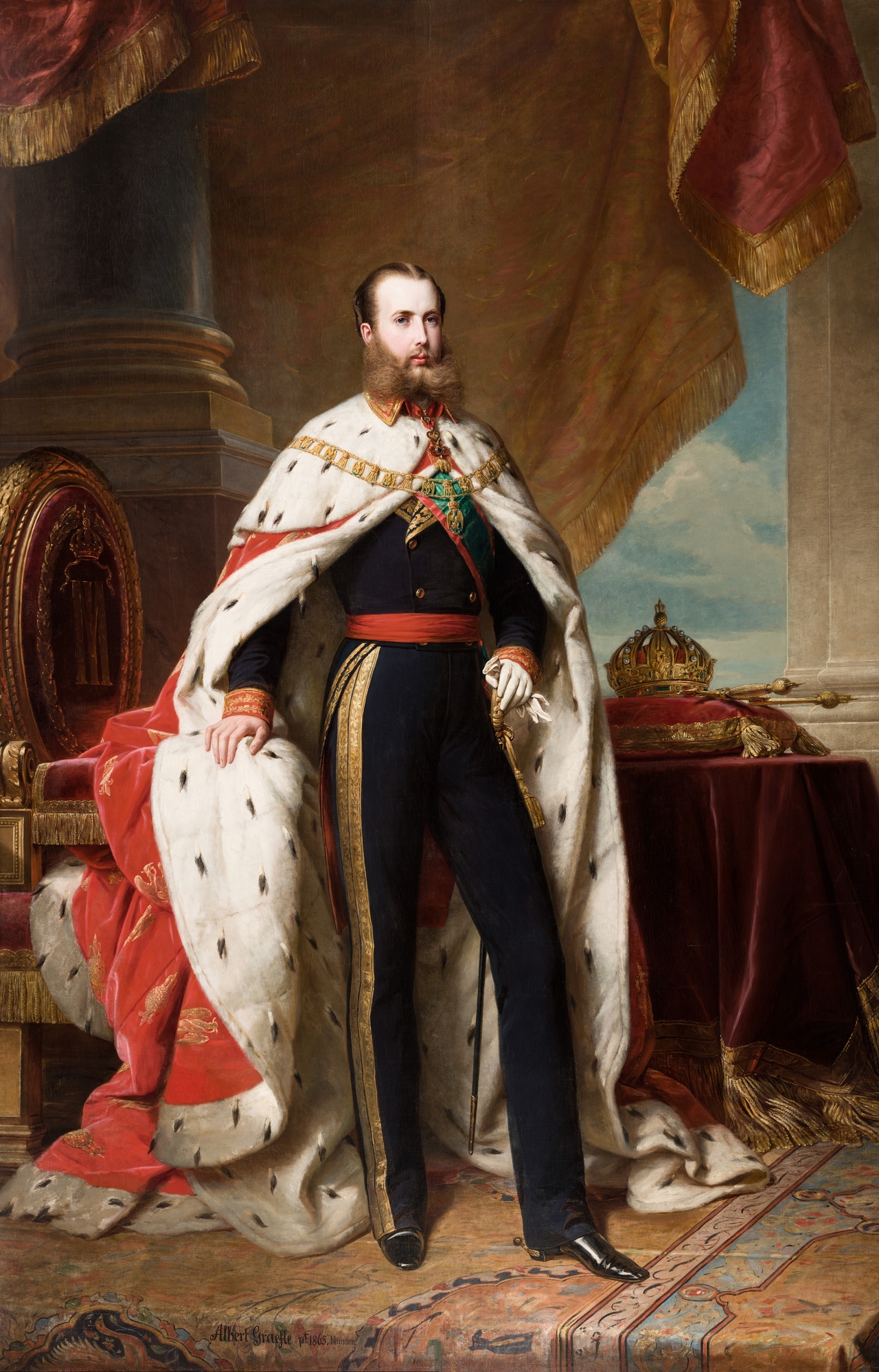
The offer came from French Emperor Napoleon III: become the emperor of Mexico, a country torn apart by fierce conflict between royalists and liberals. Back the royalist faction there and play the role of savior. "I have searched all of Europe for the right man," Napoleon III told him, "and you are the only member of a royal house suited to that throne." The words were enough to make anyone stand a little taller.
Maximilian refused at first. Sophie raged against the idea entirely. She understood what France was doing — using her son as a puppet while extracting whatever advantage it could. She opposed it all the more fiercely for that reason, urging him to stay at the palace and fulfill his duty by producing and raising heirs to the imperial succession. But Maximilian ultimately succumbed to the temptation. He put his faith in France's hollow promises of military support. He was also deceived by a fraudulent polling operation staged by the French side to manufacture the appearance of popular support within Mexico. And there was, no doubt, a desire to escape the role of permanent second son and reign as his brother did.
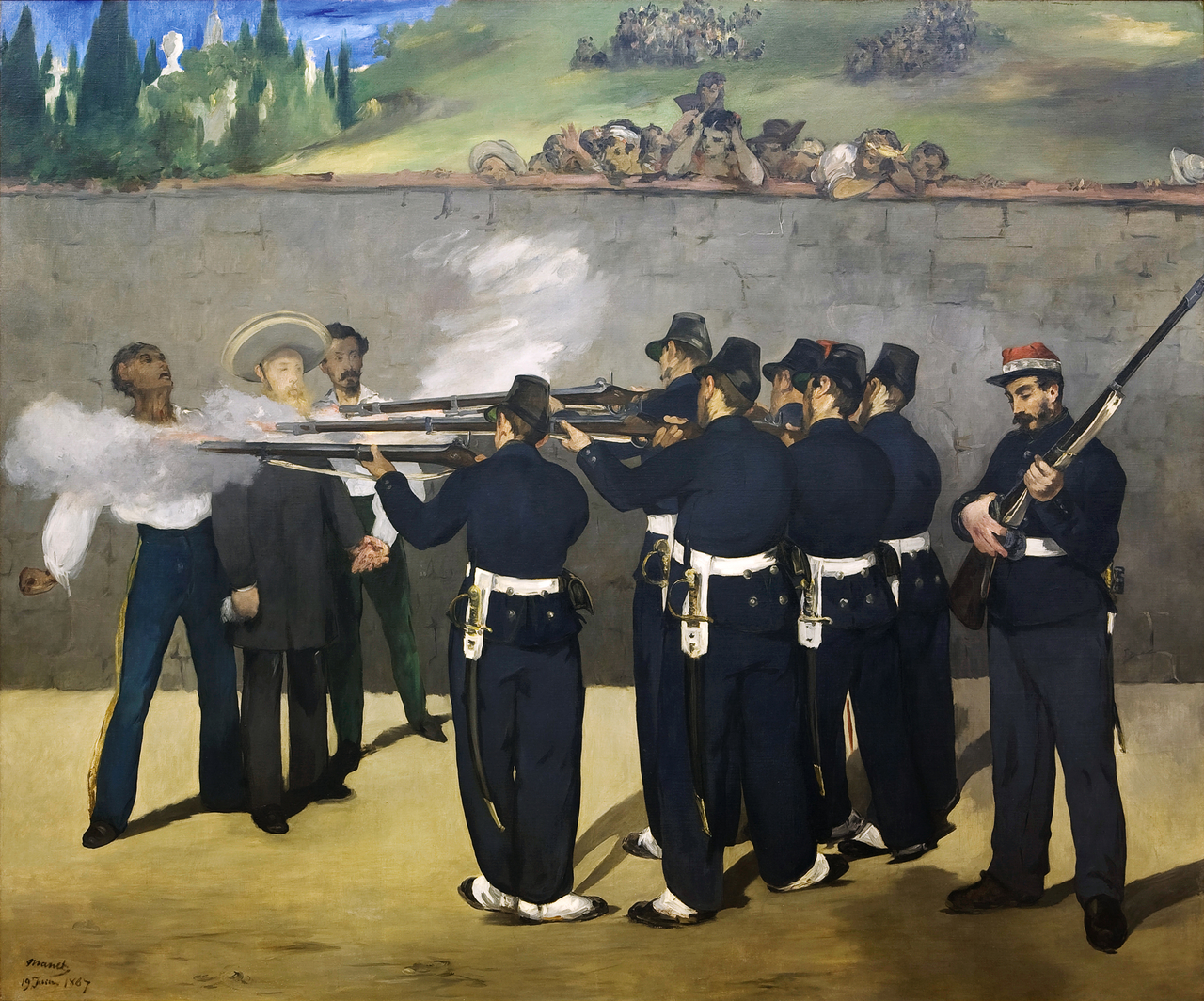
The price of his naive illusions was brutal. What came back to him was a firing squad.
Maximilian ascended the throne of Mexico as Maximilian I. That, and nothing more.
He was an innocent parachuted into an impossible situation. He won the loyalty of no faction. When the United States refused to recognize his regime, the anxiety only deepened. France, exhausted by the chaos, withdrew its troops without hesitation. Promises meant nothing — crumpled paper. When he came to his senses, he was alone. The rifles of the liberal forces were pointed at his face. Before he died, he pressed gold coins into a soldier's hands and made one request: do not shoot him in the face, so that his mother, Sophie, could still recognize him. And so he died — helplessly, just like that. He had ascended the throne in June 1864 at thirty-two and died in June 1867 at thirty-five. In just three years.
When the news reached Sophie, she collapsed in grief, sobbing as though she might faint. There had been many moments of tears before, but this time it felt as though she were bleeding.
Sophie was consumed by regret. She reproached herself bitterly for not having stopped him more forcefully. And perhaps, at that point, she looked back on the way she had raised her two sons.
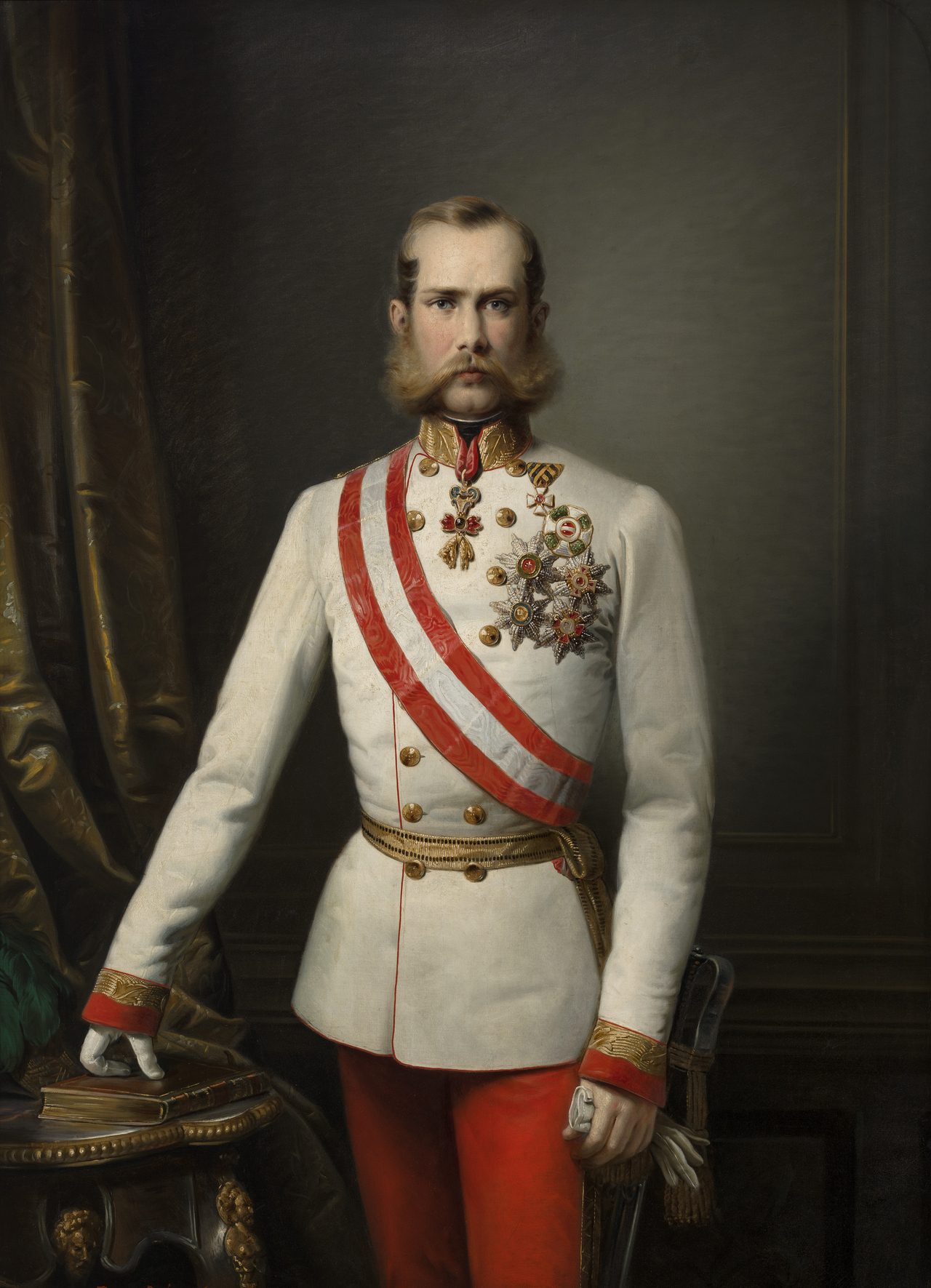
This was the result.
Her eldest, Franz Joseph I, raised under the relentless demand to be a sovereign, had become a dried-out bureaucrat. Sophie had made him a diligent leader — one who could be called a workaholic — but she had also made him numb to everything outside his duties. He effectively stood by as his wife Sisi drifted away. When his brother insisted on going to Mexico, Franz Joseph I did not try to dissuade him; instead, he threatened to strip him of all his rights as an archduke and his place in the line of succession, driving him further toward the edge. In every area of life beyond his work — and even that work is subject to divided assessments — he had become a man of profound limitations.
And her second son, Maximilian, the one she had lavished with affection? He became an idealist with no grip on reality and destroyed himself. Sophie had, in her way, pushed the two brothers to opposite extremes — making them love each other while envying what the other had, making them aware of each other while rendering them incapable of understanding each other, turning them into rivals. It would be unfair to lay the tragedy entirely at Sophie's feet. Both sons had different natures, different positions, different circumstances and environments. But tracing the roots of the distortion, one finds, as so often, that the greatest problem was upbringing. That is the nature of upbringing — when you search for where the warping began, it leads, more often than not, back to childhood.
She opened her hands —
and found only ashes
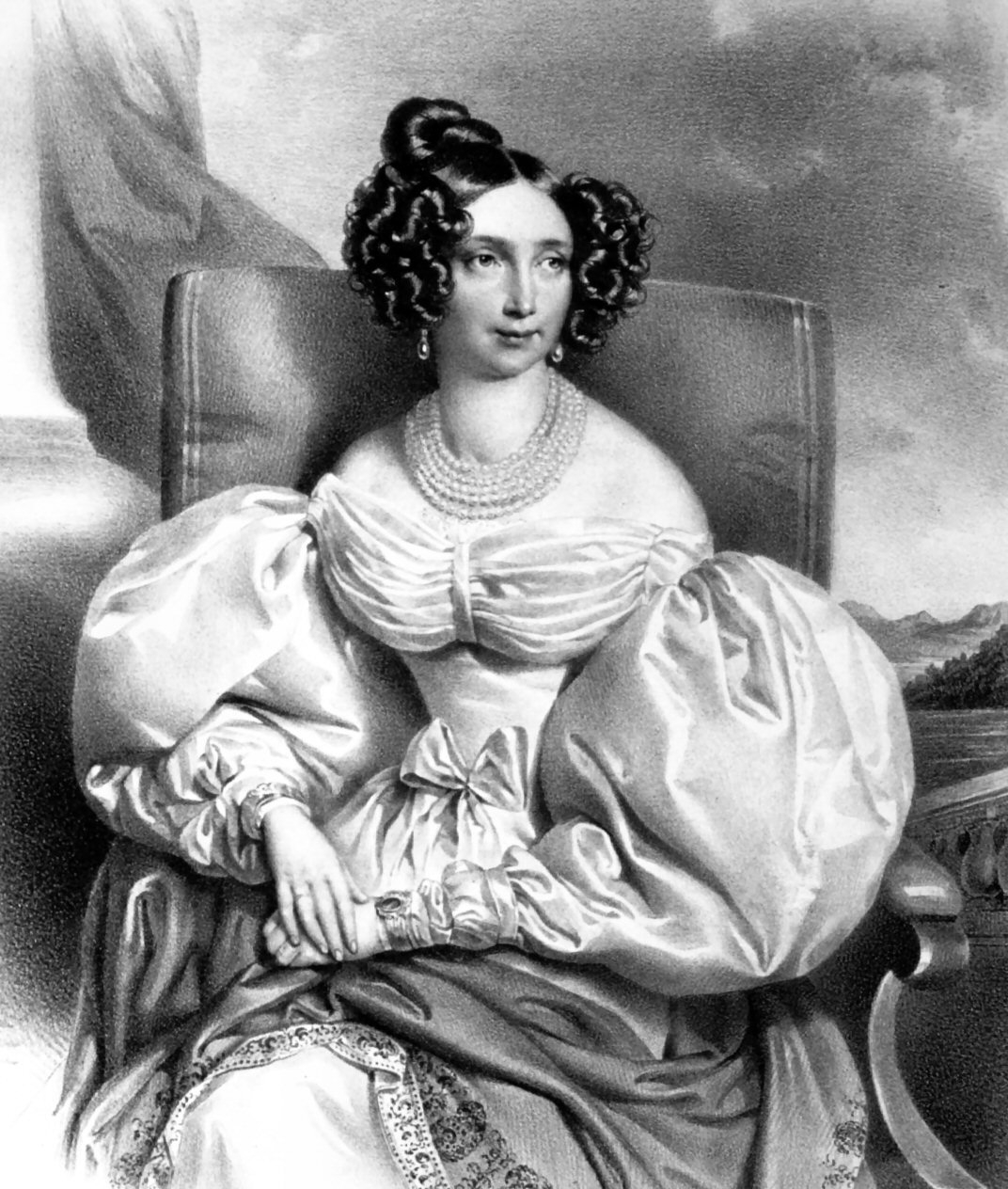
1872.
Sophie, now sixty-seven, could not take a single step outside her bedroom without assistance. After Maximilian's execution, her strength had drained away with alarming speed. The woman once called "the only general in the palace" fell ill with pneumonia again and again. She suffered a stroke, and at some point her breathing grew so shallow that she could barely manage a full sentence.
Sophie had wanted the nation to flourish and the imperial house to rise again. She had the ambition and the resolve to make it happen. After all those long years, she opened her hands — and found not golden glory but ashes. Her son, her daughter-in-law, her grandchild. She had contributed to the suffering of every person she had loved and tried to protect. She had held on too tightly, and in doing so had broken them, one after another, until at last she broke herself. It was the final scene of a drama that had spun far beyond anyone's intentions.
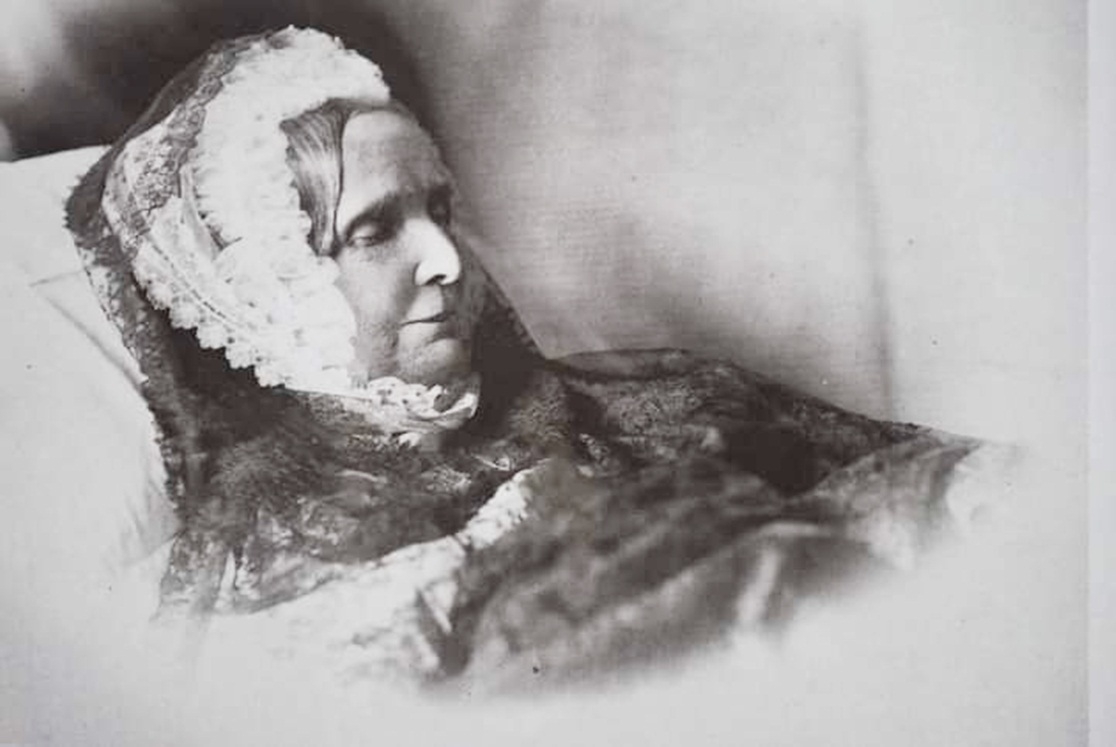
Sophie closed her eyes for the last time on May 28 of that year.
The world called her a "wicked woman" — "boese Frau" — who had driven everything to ruin. She was also described as the witch of the palace, or the worst mother-in-law in history. She had never intended any of it, yet that was how it ended. She was buried in the same crypt as Maximilian, who had died five years before her. Whatever judgment history passed on her, after Sophie's death there was no one left in the palace with the gravity to hold things together as she had. The indifferent empire was tilting — slowly, but unmistakably.
References
Martyn Rady, "The Habsburgs: To Rule the World," Kachi Publishing
Ehrlich, Anna., Bauer, Christa., Erzherzogin Sophie, Wien: Amalthea Signum Verlag.
Bled, Jean-Paul., Sophie de Habsbourg, Paris: Perrin
Van der Kiste, John., Emperor Francis Joseph: Life, death and the fall of the Hapsburg Empire., Thrupp, Stroud, Gloucestershire: Sutton
yul@heraldcorp.com