Democrats seen with shot at both chambers ahead of midterms
Trump: 'Veto, veto, veto — then they'll come to negotiate'
Overriding a veto requires two-thirds majority in each chamber
Bipartisan bills already vetoed, raising fears of legislative gridlock
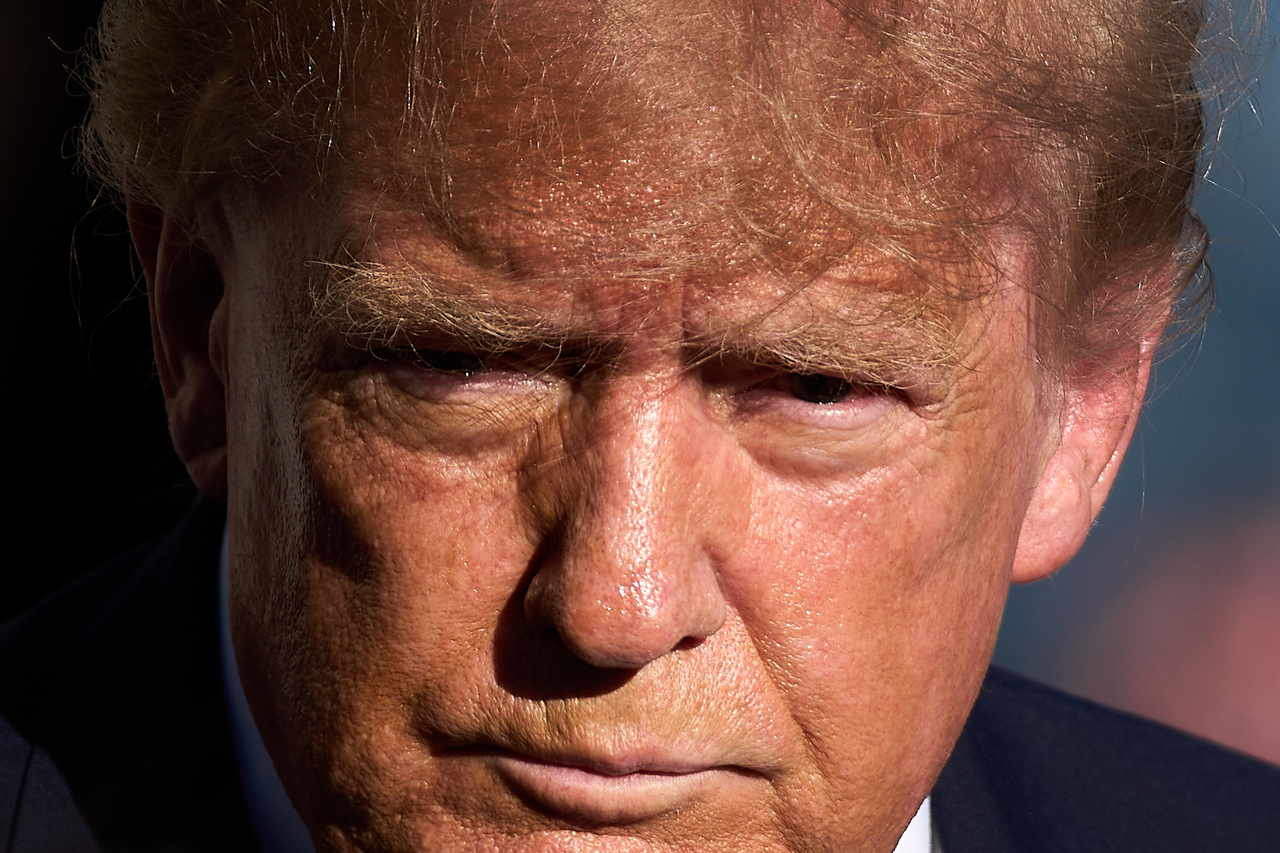
President Donald Trump has signaled that if Republicans lose the midterm elections on Nov. 3, he will veto every bill passed by a Democrat-led Congress — a strategy aimed at keeping a grip on the legislative agenda even if Democrats reclaim both chambers.
According to US media reports Saturday (local time), Trump told reporters at the White House on Friday that if Democrats win back control of Congress in the midterms, he would veto "every single bill."
"Veto, veto, veto," Trump said. "Then they'll come and ask, 'How do we get this done?' That's how you negotiate."
The remarks signal his intent to exploit the constitutional reality that even a Democrat-controlled Congress cannot move major legislation without White House sign-off.
The midterm landscape has left open the possibility that Democrats could retake not only the House but the Senate as well. If they win both chambers, Trump could face significant constraints on his legislative agenda for the remainder of his term.
The veto, however, gives the president a powerful check on Congress. Under the US Constitution, any bill passed by both chambers is sent to the president, who may return it to Congress with written objections if he declines to sign it.
Overriding a presidential veto requires a two-thirds majority in each chamber. With full attendance, that means 290 of 435 House members and 67 of 100 senators must vote in favor.
Democrats are unlikely to win two-thirds of the seats in both chambers in the midterms. Even if they secure a simple majority, overriding Trump's vetoes would be nearly impossible without a large-scale defection of Republican lawmakers.
Trump has already used the veto during his second term to push back against Congress.
On Dec. 30 last year, he vetoed the Arkansas Valley Conduit completion bill and the Miccosukee Reserved Area amendment bill, both of which had passed with bipartisan support. Critics called the move retaliatory, targeting political opponents, but both bills subsequently failed to clear the House on override votes, leaving Trump's vetoes intact.
Last July, he declined to sign the 21st Century Housing Supply Expansion Act, which had passed both chambers with bipartisan backing. He stopped short of issuing a formal veto, and the bill became law automatically after sitting on his desk for 10 days without his signature.
If Trump follows through on his pledge to wield the veto broadly after the midterms, a clash between the White House and Congress appears inevitable.
A prolonged legislative deadlock is particularly likely if the president vetoes bills that passed with bipartisan agreement. Even if Democrats control Congress, they would need to negotiate with the White House to advance major policy — which is precisely the leverage Trump says he intends to use.
sjy@heraldcorp.com