NYT warns of heightened full-scale war risk as US, Israeli votes near
Trump said to lean toward new strikes in private
CENTCOM draws up expanded target list including energy facilities
Iran vows no 'red lines,' threatens undersea cable attacks
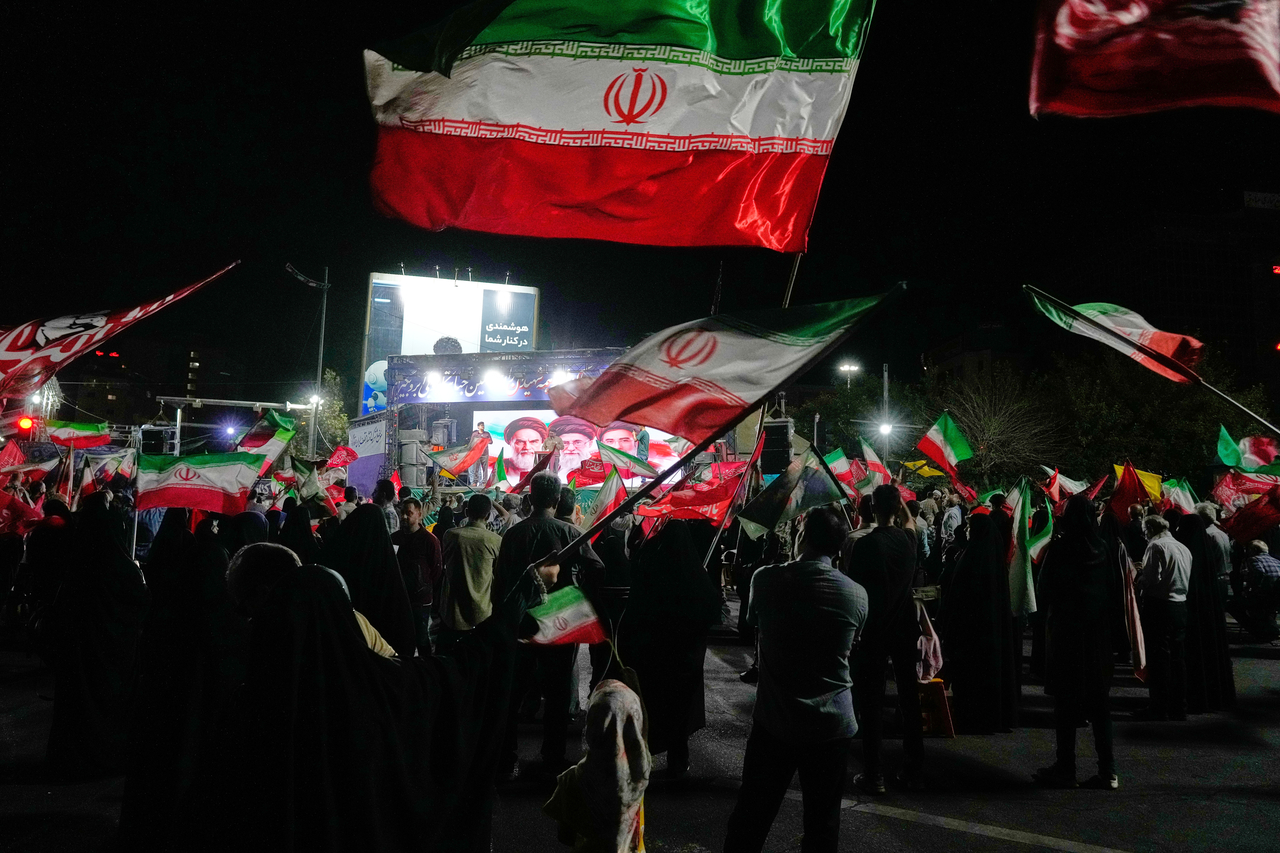
Fears are growing that escalating military tensions between the United States and Iran could tip into a full-scale war, as Donald Trump and Israeli Prime Minister Benjamin Netanyahu each make political calculations ahead of upcoming elections — and as the US is reported to have drawn up plans for additional strikes on Iranian energy facilities and other targets.
The New York Times reported Sunday (local time) that the Middle East has entered a dangerous new phase, with both sides seeking justification for military action as elections approach in the US and Israel. Washington believes Iran has made significant progress in preparing attacks targeting American personnel, while Tehran suspects the US and Israel are readying a new offensive to force it into submission.
There are also indications that Trump is leaning toward further military action against Iran. The Times, citing senior US officials, reported that the president appears to favor another round of strikes inside Iran in private discussions.
The US military has also prepared specific strike options. According to an official familiar with the matter, CENTCOM has drawn up an expanded list of bombing targets that includes Iranian energy infrastructure and other facilities critical to the country's economic activity — going beyond military sites to encompass core economic infrastructure.
Iran, for its part, has signaled a hardline response. Tehran recently warned that it would place no limits on its retaliation if US strikes resume, declaring there are "no red lines." It also threatened that undersea communications cables running through Gulf waters could become targets. Because those cables underpin international financial transactions and data communications, any actual attack could send shockwaves well beyond the Middle East.
The Times also pointed to domestic political conditions in both the US and Israel as a factor driving the heightened military tensions.
Trump faces midterm elections on Nov. 3. Netanyahu is likewise preparing for a general election on which his political fate hinges. With both leaders' political standing potentially transformed by the outcome of their respective votes, each may opt for a hard line against Iran, the Times suggested.
The Times noted that Netanyahu might seek to deliver a final military blow — one a successor might hesitate to carry out — even if he loses the election. It also assessed that Trump may want to demonstrate that his authority and influence as commander in chief remain fully intact.
The deeper concern is that such political calculations could lead to military miscalculation. Invoking the Cuban Missile Crisis and the decision to invade Iraq, the Times warned that incomplete or faulty intelligence and misreading an adversary's intentions can produce catastrophic consequences.
The Trump administration's recent decision to declassify sensitive intelligence about Iranian attack threats has itself stirred controversy.
US media reported Friday that the director of national intelligence had briefed Secretary of State Marco Rubio and other senior administration officials that Iran had significantly stepped up preparations for attacks targeting American personnel.
The intelligence had reportedly been shared only with a small number of senior officials before it was disclosed to the press. The Times reported that questions were raised internally about why the administration had chosen to make the sensitive information public, given the difficulty of presenting verifiable evidence of Iran's specific attack plans.
With the US and Iran each on alert against a preemptive strike by the other and both raising their military readiness, there are growing concerns that if additional strikes materialize, the Middle East could once again be engulfed in large-scale armed conflict.
sjy@heraldcorp.com