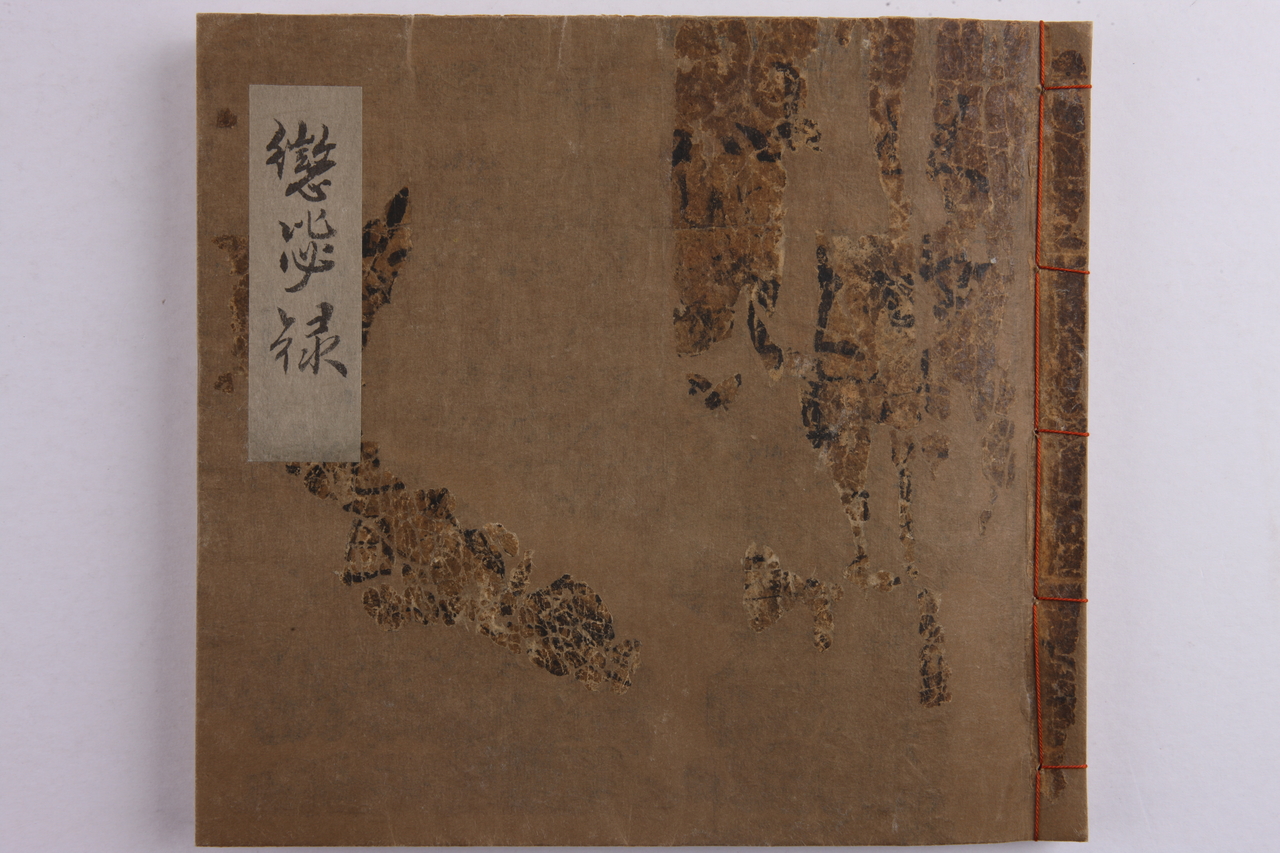
The Confucian Culture Museum at the Korea Institute for Korean Studies will put the national treasure "Jingbirok" on special public display from Tuesday through Sunday, the institute announced Monday, marking the museum's 30th anniversary.
The display is part of a special program tied to the institute's 30th-anniversary exhibition, "Thirty Years of Light, Thirty Treasures," running through Sunday at Exhibition Room I on the fourth floor of the Confucian Culture Museum.
Visitors will have a rare opportunity to view the "Jingbirok" in person, particularly around Wednesday, when the National Korean Studies Festival takes place.
The exhibition introduces 30 items of exceptional value and historical significance selected from the Korean studies materials the institute has collected, preserved and researched over the past three decades — materials entrusted to it by clans and private individuals from across the country.
Also on display is a small writing desk known as a "gyeongsang," said to have been used by Ryu Seong-ryong when he wrote the Jingbirok in his later years.
The "Jingbirok" had been kept for generations at Chunghyodang, the historic home of the Pungsan Ryu clan, before being entrusted to the institute in 2008.
While a woodblock-printed edition of the "Jingbirok" is normally on view in the permanent gallery, the special display period will allow visitors to see the national-treasure-designated original manuscript.
The "Jingbirok" is a record left by Ryu Seong-ryong — who served as chief state councillor and other senior posts during the Imjin War — to pass on his experiences and lessons from the conflict to future generations.
The title "Jingbi" means to reflect on past events and prepare for future hardships.
Ryu documented the horrors of the war in hopes that later generations would not repeat the same mistakes. The "Jingbirok" has carried forward that spirit of preserving lived experience as a lesson for the future for more than four centuries.
"Through this special display, we hope visitors will have a direct encounter with the Jingbirok — a record that has endured for more than 400 years — and reflect on the meaning of preserving history to pass it on to those who come after us," an institute official said.
kbj7653@heraldcorp.com