Flights resume Sunday but remain limited as Houthis press attacks
Militia warns travelers, staff and airlines to stay away
Interceptor debris wounds two in southern Saudi cities
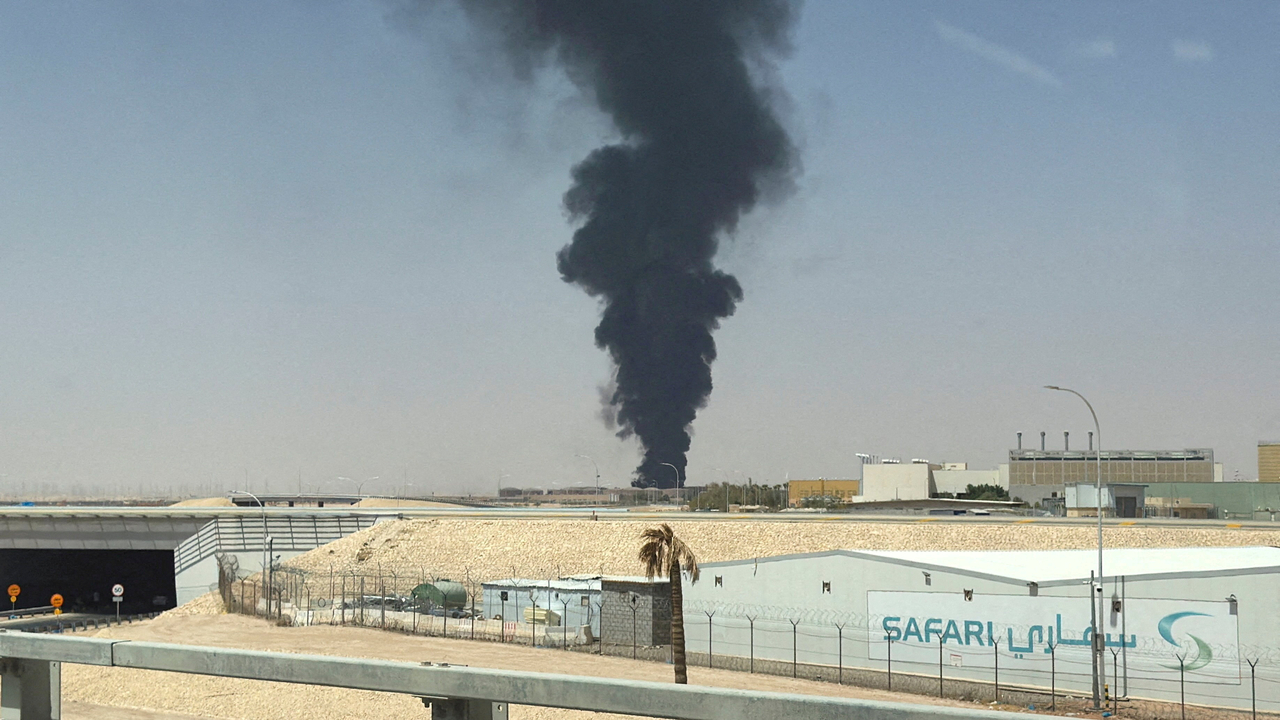
Saudi Arabia reopened King Khalid International Airport on Sunday (local time) after two weeks of repairs following a Houthi attack that forced its closure, but flights remained severely limited as the Iran-backed Yemeni militia continued striking the kingdom. Elsewhere in Saudi Arabia, interceptor debris from missile defense operations wounded civilians.
King Khalid Airport resumed international operations Sunday, Bloomberg and AFP reported. The airport posted on X that starting Oct. 25, Terminal 1 would handle domestic flights while Terminal 2 would be reserved for international services operated by national carriers. The airport's website listed scheduled flights to and from London, Dubai and Beijing, among other destinations. Saudi carriers Saudia and flynas began operating flights that day, and foreign airlines including Air India and Emirates also scheduled services through the airport.
Many global airlines kept their suspension orders in place, however. AFP, citing flight-tracking site Flightradar24, reported that only a handful of flights departed while most were canceled.
Safety concerns driven by unrelenting Houthi attacks after the reopening were a major factor behind the widespread cancellations. Saudi civil defense authorities briefly issued emergency alerts Sunday for Riyadh as well as Abha, Khamis Mushait, Jizan and Najran, according to Reuters.
The Saudi-led coalition said two drones and one ballistic missile were launched toward Riyadh, and one cruise missile was fired at Khamis Mushait. The coalition intercepted 10 ballistic missiles aimed at southern regions, but debris from the interceptions wounded two people and damaged buildings and vehicles in Khamis Mushait and Ahad Rafidah.
Houthi military spokesperson Brig. Gen. Yahya Sare'e issued a statement declaring King Khalid Airport "still a military target" and warned travelers, staff and airlines to avoid it. The Houthis also claimed to have struck the airport and the kingdom's east-west crude oil pipeline — a key energy artery — on Sunday in retaliation for large-scale Saudi airstrikes.
King Khalid Airport had been under sustained Houthi attack, with a strike on Oct. 10 killing at least 13 people and wounding more than 300. Saudi Arabia subsequently closed the airport, carried out facility repairs and reviewed its operating systems before reopening it Sunday.
kate01@heraldcorp.com