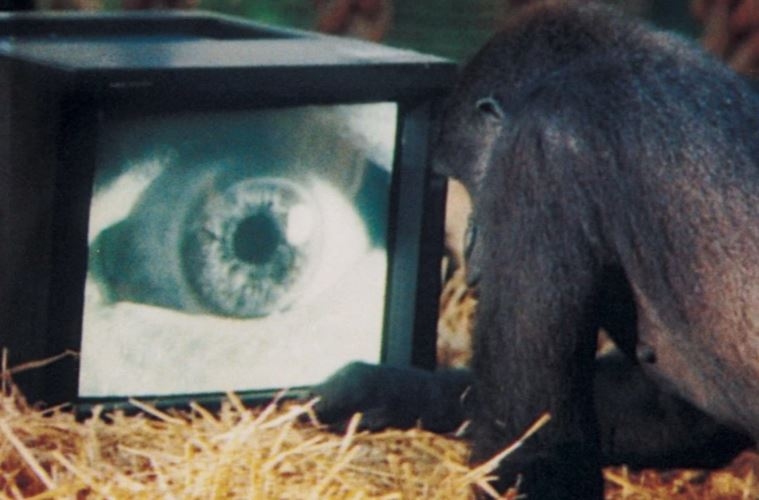
Roger Waters released "Amused to Death" in 1992, turning war and suffering into spectacle — a sharp satire of commercialized media. Justice demands public value; the market rewards what sells.
Content for those who love music
In modern democracy, the press has long served as a watchdog over power — and to do that job, it must remain independent from power. Yet an independent press must earn its keep in the marketplace.
Democracy tells the media to show the public what it needs to know. The market tells it to show the public what it wants to see. The press is caught between the two. Its public function is demanded from outside the market; its survival is decided within it. That is the central irony of journalism as an institution.
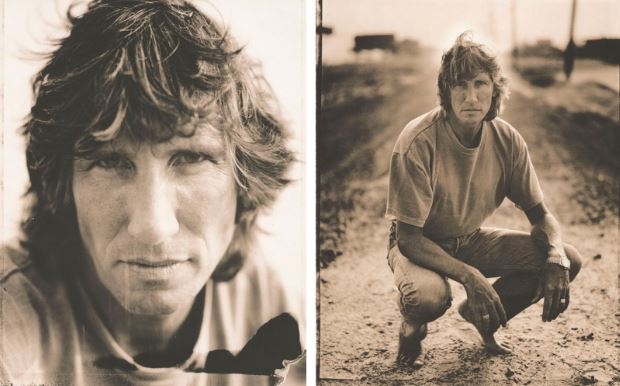
In 1992, Roger Waters examined, on "Amused to Death," how media transforms war, death and human suffering into spectacle. What he targeted was the moment a medium that should be showing the world instead manufactures the world its audience wants to see — all in the name of market survival.
"God wants his secret never to be told."
— Roger Waters, "What God Wants, Part II"
The watchdog's post must stand outside power
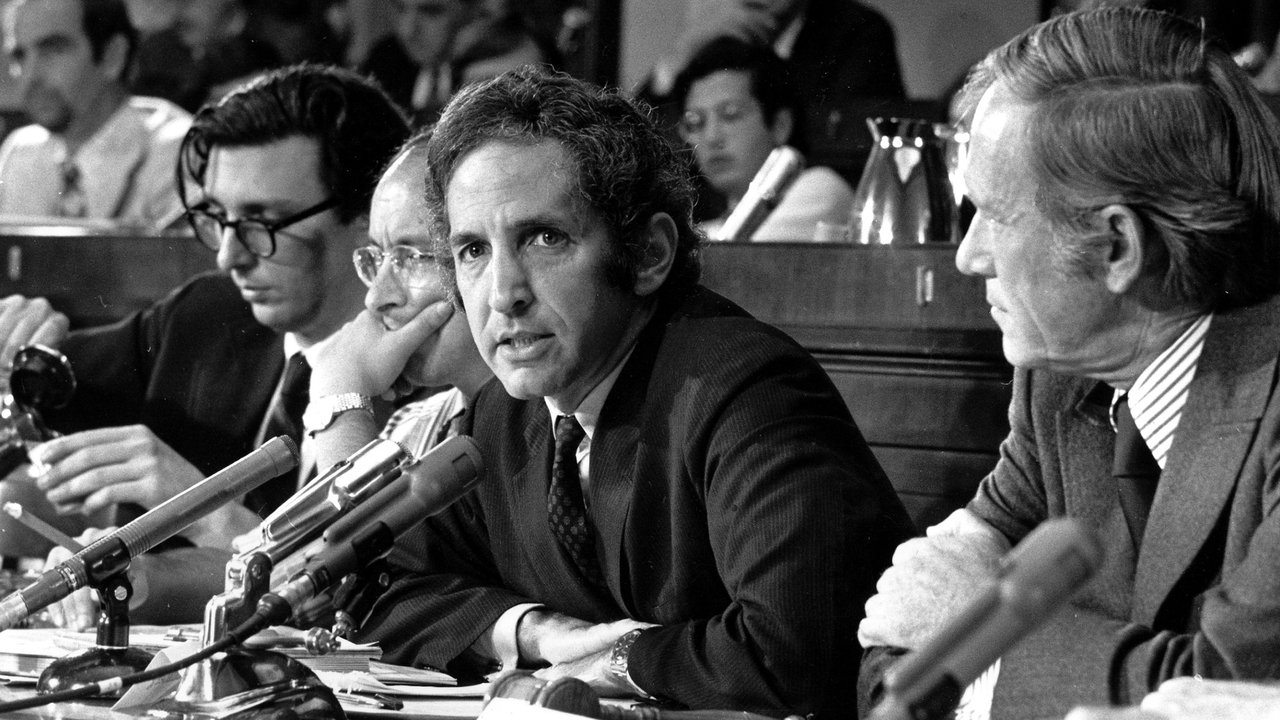
In 1971, The New York Times began publishing the Pentagon Papers — classified Defense Department documents detailing how the United States made its policy decisions in the Vietnam War. The government moved to halt publication on national security grounds. The Supreme Court ruled that the government had failed to meet the heavy burden required to justify prior restraint, and publication proceeded.
Press freedom, at its core, is the freedom from control. When power holds both the authority to act and the authority to decide what gets disclosed, oversight becomes impossible.
The press has maintained its distance from power precisely on those terms. But an organization independent of the state still has to find a way to sustain itself.
Outside the state, there is the market.
"Expressed in dollars and cents"
— Roger Waters, "Perfect Sense" (Part II)
The market does not pay for what matters
The public role of a privately owned press comes at a cost. Hiring reporters, funding investigations and distributing stories all require money. Freed from state control and state subsidy, news organizations have raised that money from readers and advertisers in the open market.
The problem is that a story's public value and its market price rarely align. Investigative reporting that exposes official wrongdoing is routinely buried under the attention — and revenue — generated by celebrity gossip. This is where the values journalism is supposed to uphold diverge from the values that keep it alive.
When Waters released "Amused to Death," he argued that a commercialized, profit-driven media could render reality trivial and dehumanizing. His concern was that a medium forced to survive in the market would ultimately produce only what sells.
On "Perfect Sense," war borrows the language of sports broadcasting. Combat and death unspool like a game. Information becomes a product. War, disaster, someone's death — none of it is exempt.
The market decides which stories get paid for. As those choices accumulate, the shape of the world the press presents shifts with them.
"Hold the story boys
There's some great pictures coming in"
— Roger Waters, "Late Home Tonight, Part II"
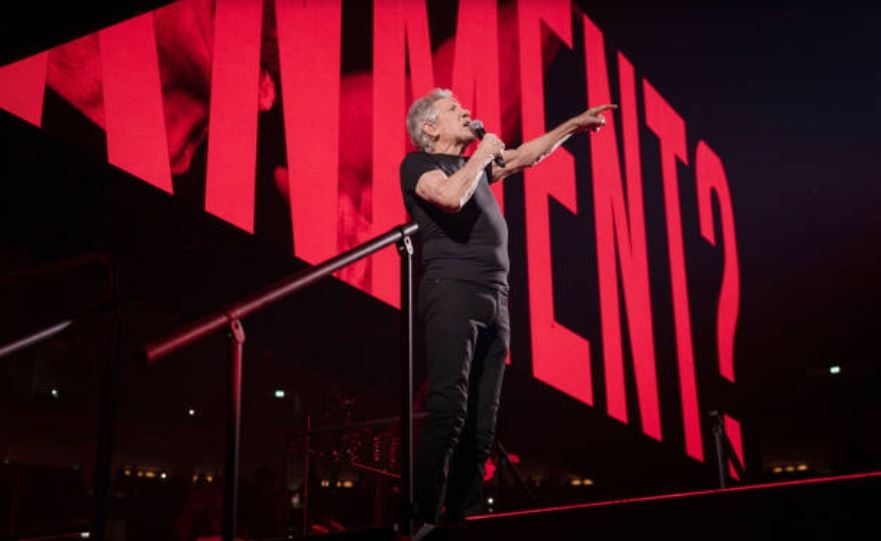
What gets shown — and who decides
What to cover is entirely the prerogative of reporters and editors. But which stories actually reach the public can never be their decision alone. Platform algorithms govern exposure; readers choose from whatever appears on their screens. Those choices feed back as data into the newsroom.
Click counts and advertising revenue shape what gets covered next and what gets prioritized in the edit. No one has banned any story, but a story that does not sell gradually loses its place.
Power cannot order a journalist not to write. The market simply returns the verdict that writing it will not pay. Coercion and incentive operate differently, but both shape what the press shows — and what it ignores.
The title track of Waters' album contains the line "News hound sniffs the air" — an image of a press that hunts the suffering and scandals of others. His point is that even without censorship, what gets reported ends up being decided by the market.
"Don't be afraid, it's only business"
— Roger Waters, "What God Wants"
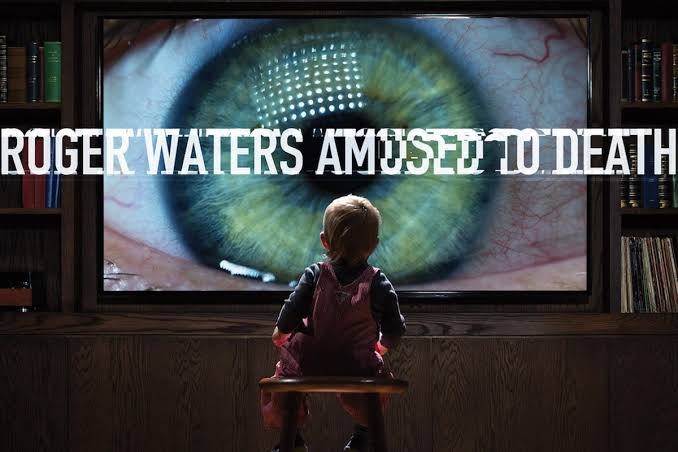
Another condition
Press independence begins the moment journalism breaks free from state control. But the press must survive in the market. And the moment market logic becomes the standard for editorial judgment, that independence begins to erode all over again.
The market can put a price on a story. What it must not do is decide what gets covered. When what the public wants to see and what it needs to know diverge, refusing to abandon the latter is where journalism's reason for existing becomes visible.
In Waters' music, war is degraded into a game for public stimulation. The conviction that bearing witness to facts beyond the screen must never become mere entertainment — that is the heart of "Amused to Death."
rainbow@heraldcorp.com