SBS drama series 'Doctor X: Age of the White Mafia' stirs debate
Show pairs May 18 victim with fictional ex-president evoking Chun Doo-hwan
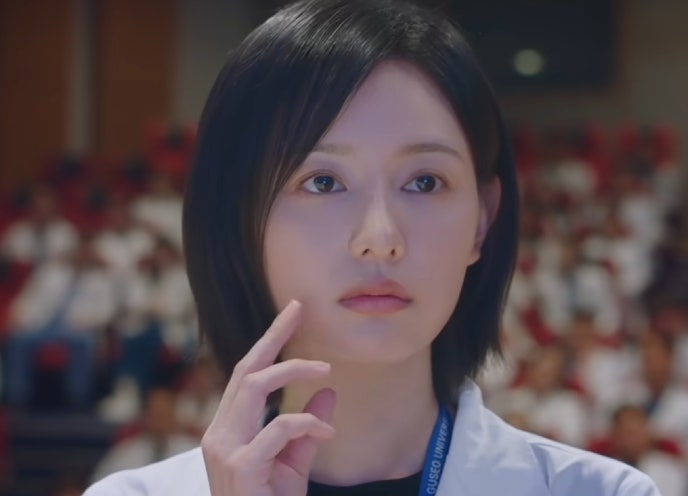
"Everything is my fault. Dying seems easy, so I want to pay the price by living in this much pain." (Dialogue from Episode 6 of "Doctor X: Age of the White Mafia")
Oh Sang-beom (played by Ha Seong-gwang) was shot in the head in Gwangju in May 1980 and has carried bullet fragments in his skull for 46 years. He has endured unrelenting seizures, convulsions and headaches, along with hallucinations and auditory delusions. The body of his brother, who was with him that day, was never found. Consumed by guilt over his brother's death, Oh shut himself off from the world and refused all treatment.
That is the story SBS drama series "Doctor X: Age of the White Mafia" — hereafter "Doctor X" — brought to the fore in its sixth episode, which aired Saturday. The medical drama, which had built its following on the satisfying surgical exploits of a brilliant surgeon, drew sharply divided reactions when it turned directly to the May 18 pro-democracy movement. A petition calling for the show's cancellation was posted on the National Assembly's public consent petition board the day it aired, and the following day a statement demanding an explanation from the production team appeared on an online community of the show's fans.
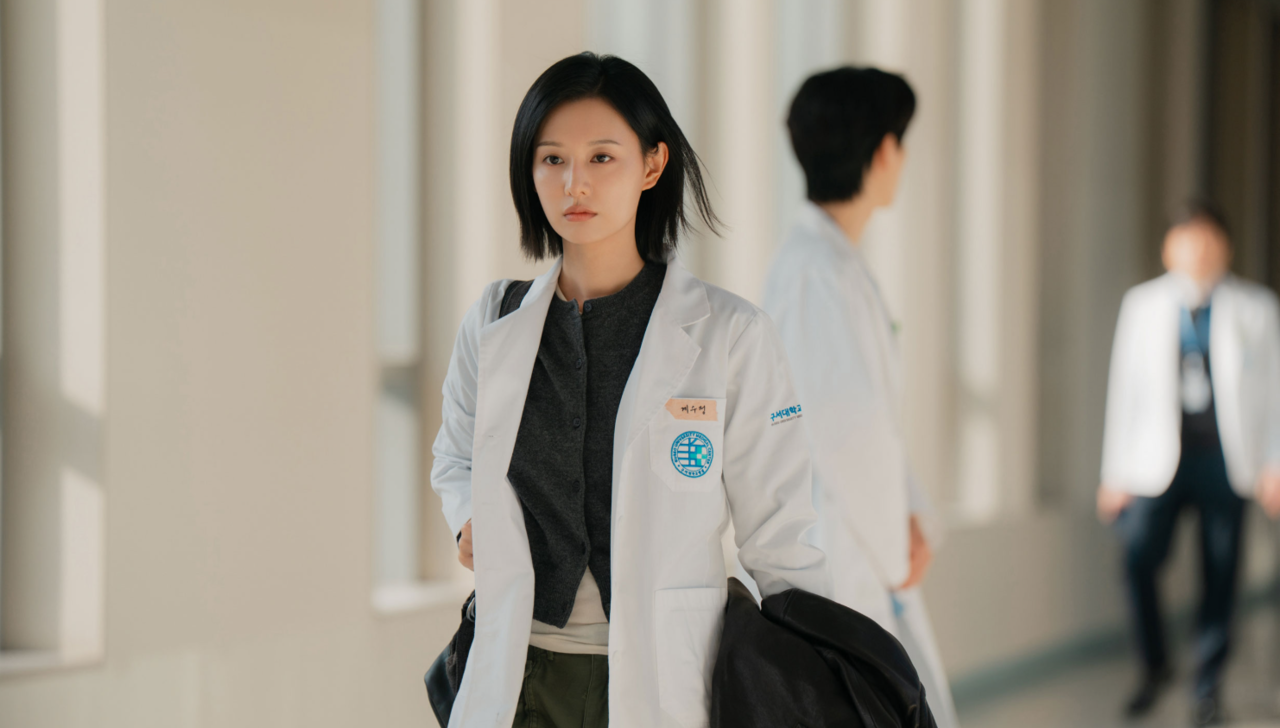
"Doctor X" is a remake of the popular Japanese TV Asahi series "Doctor-X: Surgeon Michiko Daimon." It follows surgeon Gye Su-jeong (played by Kim Ji-won), dispatched by a medical staffing agency, who takes on the corruption of a university hospital through sheer surgical skill. The show launched with an 11.4 percent viewership rating in its first episode (Nielsen Korea, nationwide) and climbed to 19.5 percent in the sixth episode, which centered on the May 18 narrative.
A bullet in the skull — and a 'former president'
At the center of Episode 6 was a coercive demand disguised as a request from executives of a group called "Moknyon-hoe" who visited a branch of Guseo University Hospital. They wanted the hospital to remove the bullet lodged in the skull of Oh Sang-beom, a May 18 victim. The surgery carried the risk of death or a vegetative state, and there were no proper diagnostic records. While every other doctor shrank from the case, Gye Su-jeong volunteered to operate. Within the drama, the bullet in Oh's head is presented as physical evidence — and a historical artifact — of helicopter gunfire during the Gwangju uprising of May 1980.
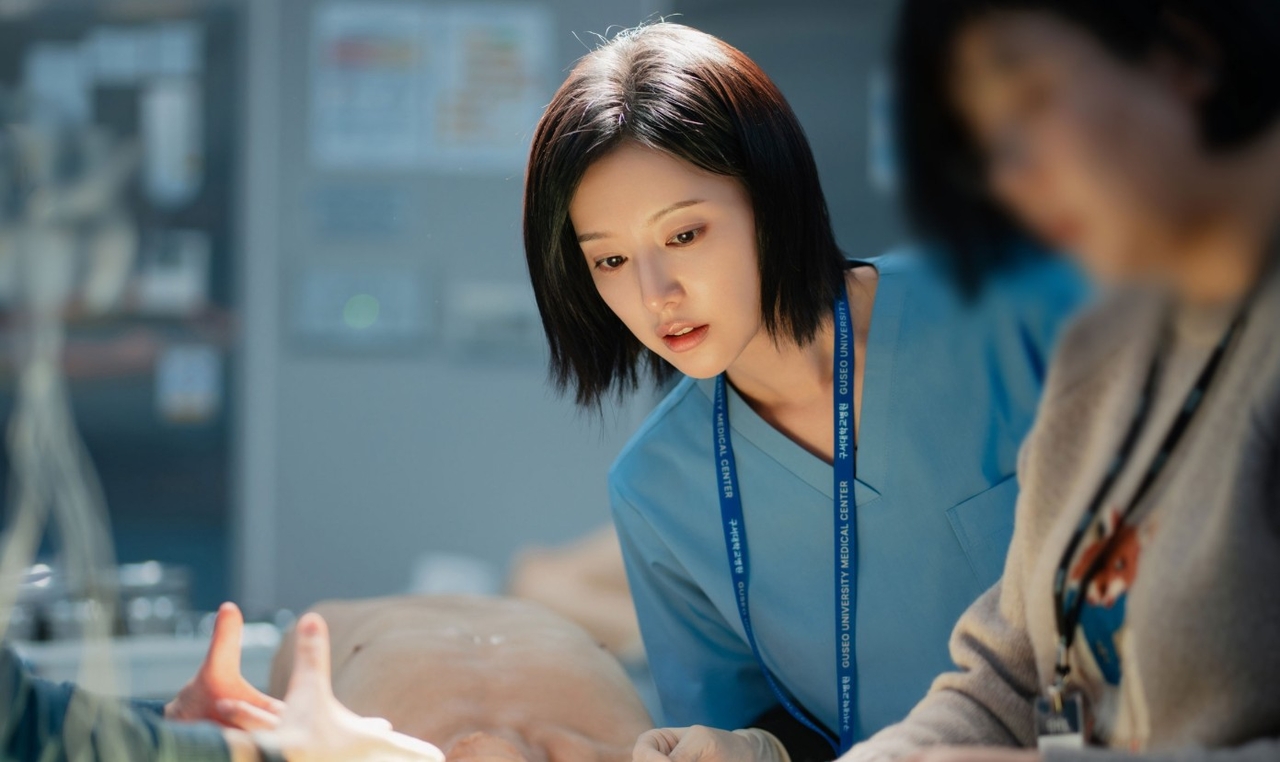
A complication arose before the surgery. Oh had been living with visions of his dead brother. Gye told him that the operation would likely reduce his hallucinations and seizures — and with them, the chance of seeing his brother. Not wanting to lose that connection, Oh abandoned the idea of surgery. Gye chose to wait rather than press him for a decision.
As "Doctor X" had opened previous episodes with glimpses of Gye's past, Episode 6 did the same. The flashback showed her time as a field surgeon treating rebel fighters abroad. When a foreign soldier had her by the throat and she was near death, a child approached and clung to her, saying, "Are you Doctor X? I heard only you can save my brother." The child's desperation to save a sibling was woven to mirror Oh Sang-beom's own story of loss.
The two storylines converged at the hospital in the episode's closing moments. At the very moment Oh climbed onto the rooftop railing, former President Ji Du-seok arrived at Guseo University Hospital unconscious, airlifted by helicopter. Ji is a fictional character — bald, with a past entangled in May 1980 — clearly meant to evoke former President Chun Doo-hwan. The drama placed a May 18 victim and the man depicted as responsible for that tragedy in the same hospital. Gye rushed back upon hearing the news.
A cancellation petition and a fan statement
Reactions poured in immediately after the broadcast. Some viewers expressed bewilderment that a medical drama had abruptly shifted its weight toward historical and political narrative. Posts spread across online communities noting that the bus number shown in a scene visiting Oh Sang-beom was "518," and many pointed out that unlike the brisk pacing of Episodes 1 through 5, the sixth episode devoted most of its runtime to the May 18 story. Voices criticizing the fact that the storyline had no equivalent in the Japanese original were also prominent.
At the same time, others found meaning in the attempt to portray, within the framework of a medical drama, the life of a victim who decades on remains unable to escape the wounds to his body and memory. Some posts even speculated about the writer's regional background.
A petition titled "Petition regarding the suspension of broadcast of SBS drama Doctor X" was filed on the National Assembly's public consent petition board. The petitioner wrote that while they fully acknowledged May 18 as "a painful chapter in our history" and had "no intention of denying it," they found it "hard to accept the sudden use of May 18 — a subject still mired in political controversy in its details — in a drama with no connection to it." The petitioner added that "Doctor X is a medical drama with no relation whatsoever to politics" and argued that "the Japanese original focused entirely on the doctor's individual abilities and contained nothing of the sort."
Within a day, the petition surpassed the 100 signatures required for the National Assembly to consider making it public — a review that can take up to seven days. Even if made public, it would need 50,000 signatures within 30 days to be referred to the relevant standing committee. The May 18 pro-democracy movement was designated a national memorial day in 1997, and since 2021, the revised Special Act on the May 18 Democratization Movement has made the spread of false information about it a punishable offense.
From the production side, a single brief phrase emerged. Lee Ok-gyu, the chief producer at production company Studio S, posted the words "no fear" alongside a drama poster on his social media account the day Episode 6 aired, without any further explanation.

A statement titled "The production team of SBS 'Doctor X' must clearly explain the circumstances behind the adaptation and direction of the May 18 pro-democracy movement material in Episode 6" was posted Sunday on the "Doctor X: Age of the White Mafia" minor gallery on DC Inside. Published under the name "All members of the Doctor X: Age of the White Mafia Gallery," the post said it had been compiled from viewer reactions and concerns raised within the community.
The statement said it "respects the historical significance of May 18 and the dignity of its victims and bereaved families," but asked "whether the way this historical subject was integrated into a medical drama was sufficiently convincing." It noted that a story which had spent five episodes centering on patient care, surgery and resistance to hospital power structures had shifted dramatically in Episode 6 with the introduction of the bullet, helicopter gunfire and the character of Ji Du-seok. It also questioned whether the transformation of the typically dry and blunt Gye Su-jeong into a figure at the center of emotional conflict had felt natural. The statement also expressed concern that scenes depicting gunshot wounds, the loss of family members and helicopter fire could trigger painful memories for survivors and bereaved families.
Gallery users called on SBS and the production team to address three specific questions: why the May 18 subject matter and the fictional former president were introduced, and what role that storyline serves within the medical narrative; how the shift in Gye Su-jeong's emotional expression and behavior in Episode 6 connects to her established character; and how the team assessed the potential impact on May 18 survivors and bereaved families when recreating historical events. On the "no fear" post, the statement said it "has not been confirmed whether it was directed at criticism of Episode 6," but added that a concrete explanation of the adaptation process was still needed.
The statement added, "We do not oppose the use of historical subject matter itself, nor do we presume any political intent on the part of the production team. We ask that you respond specifically and responsibly to the questions raised by viewers who care about this work."
As of Sunday afternoon, SBS and the production team had not issued an official position on the controversy surrounding Episode 6.
shee@heraldcorp.com