Enterprise refresh demand fails to offset weak consumer spending
Decline seen widening to 27% in Q4
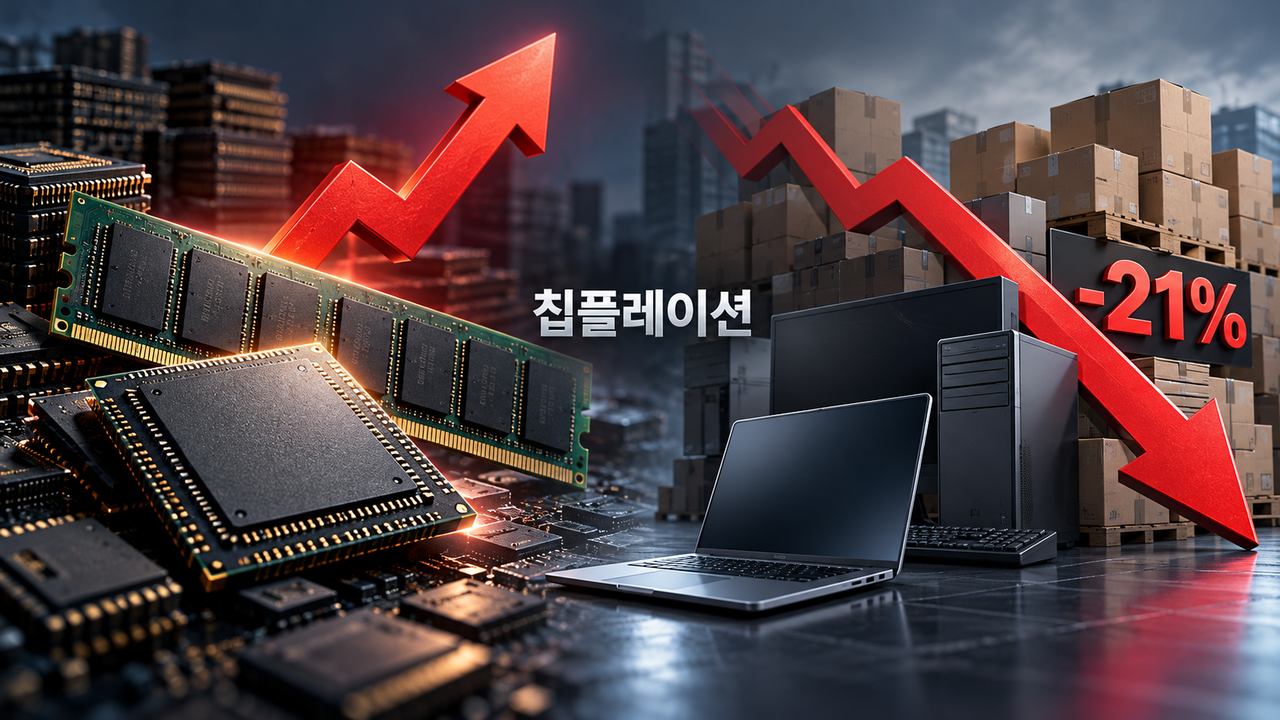
Rising prices for memory chips and other key components have made PCs more expensive, pushing global PC shipments down 21% year-on-year in the third quarter to about 57 million units. Consumers held off on upgrades, and demand from businesses replacing aging equipment was not enough to prevent the market from contracting.
With component price increases showing no sign of easing, analysts say the trend may not be temporary. Counterpoint Research forecast that the year-on-year decline in shipments will widen to 27% in the fourth quarter.
Global PC shipments totaled about 57 million units in the third quarter, down 21% from the same period last year and 13.8% from the previous quarter, according to market research firm Counterpoint Research.
The firm attributed the slump to "chipflation" — a phenomenon in which rising semiconductor prices push up the retail prices of finished products such as PCs and smartphones — which led consumers to delay replacing their devices.
Although the enterprise segment showed demand for replacing aging hardware and transitioning to newer Windows operating systems, it was not enough to offset weakness in consumer demand.
Among vendors, Lenovo held the top spot with about 15 million units shipped, giving it a 26.3% market share. Its shipments, however, fell 23% year-on-year.
HP ranked second with about 10.3 million units and an 18.1% share, but its 31% shipment decline was the steepest among the top six vendors. Dell came in third with about 7.6 million units and a 13.3% share, also posting a 25% year-on-year drop.
Apple shipped about 5.6 million units, down 11% year-on-year, yet its market share rose from 8.7% to 9.8%, boosted by its new entry-level "Neo" model. Asus also fared relatively well, with shipments falling just 7%, lifting its share from 7.8% to 9.2%.
Counterpoint Research forecast that global PC shipments will fall 27% year-on-year in the fourth quarter, with full-year shipments next year expected to remain at roughly the same level as this year.
jeongwan@heraldcorp.com