CPU and GPU performance both top Qualcomm's newest flagship chip
Second-generation 2nm process, HPB packaging to address heat and efficiency issues
Can System LSI and foundry divisions stage a joint recovery?
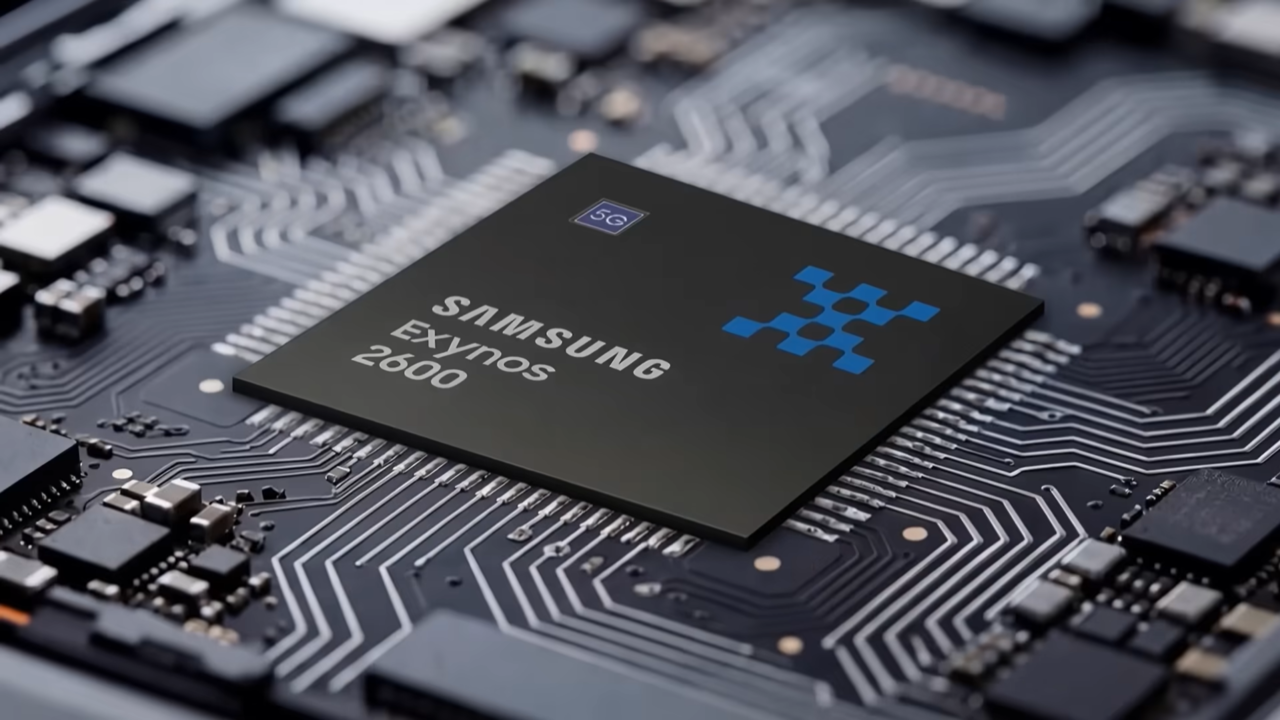
Samsung Electronics' Exynos 2700 application processor, designed by its System LSI division, has outperformed Qualcomm's latest chipset in internal benchmark tests, according to industry sources. The chip is slated to power Samsung's Galaxy S27 smartphone series, expected to launch early next year.
Because the Exynos is designed by System LSI and manufactured by the foundry division, attention is focused on whether it can help turn around Samsung's non-memory earnings.
In a recent in-house benchmark test using Xiaomi's Xiaomi 18 Pro Max smartphone, the Exynos 2700 posted higher scores than Qualcomm's Snapdragon 8 Elite Extreme 6th Generation — the company's top-tier flagship chip — industry sources said Sunday.
Qualcomm unveiled the Extreme model alongside its standard flagship chip, the Snapdragon 8 Elite 6th Generation, last month. The Extreme model is featured in the Xiaomi 18 Pro Max, while the standard version powers the Xiaomi 18 Pro.
In the tests, the Exynos 2700 scored around 13,000 points on the Geekbench 6.5 CPU multi-core benchmark — a performance measurement tool for smartphones and other devices — roughly 20 percent higher than the approximately 11,000 points recorded by Qualcomm's Extreme model. The Exynos chip also led by about 15 percent on the Geekbench 7.0 multi-core test.
The Exynos 2700 also showed an edge in GPU performance. Under a high-end gaming environment using the latest graphics technology, its peak processing score came in roughly 20 percent above the Qualcomm Extreme model.
Exynos is a line of mobile application processors designed in-house by Samsung's System LSI division. The chips serve as the "brain" of a smartphone, handling core functions including computing, graphics and AI.
The Exynos 2700, expected to launch next year, is set to be manufactured using Samsung's foundry division's second-generation 2-nanometer process (SF2P). Samsung plans to apply an advanced Heat Path Block (HPB) packaging technology to address heat dissipation and power efficiency issues that drew criticism in the previous generation.
With improved performance now confirmed, the question is whether the Exynos 2700 can help lift Samsung's non-memory earnings. While the memory chip business has been generating more than 100 trillion won ($75.5 billion) in operating profit per quarter, the non-memory segment remains in the red.
Securities analysts estimate that Samsung's memory division operating profit approached 110 trillion won in the third quarter, while System LSI and foundry are expected to have posted a combined operating loss in the mid-1 trillion won range. A broader rollout of the Exynos 2700 could drive a parallel expansion in non-memory volumes.
jeongwan@heraldcorp.com