New seven-bureau, two-commissioner, 31-division structure to take effect Jan. 1, 2027; reorganization targets urban renewal, climate and integrated care
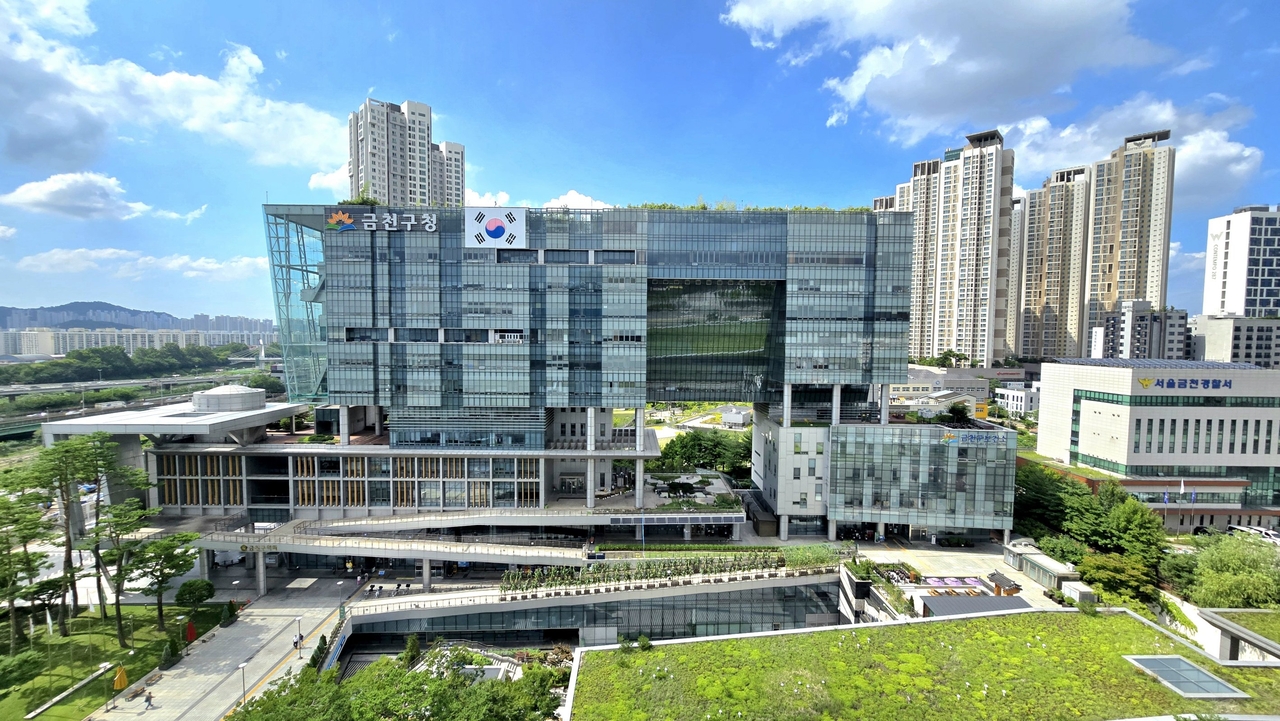
Geumcheon-gu announced it will restructure its main district office from a six-bureau, two-commissioner, 31-division setup to a seven-bureau, two-commissioner, 31-division system by adding one new bureau. The total number of teams across the district office, public health center and community service centers will grow from 187 to 190.
The new administrative structure will take effect Jan. 1, 2027, as the district moves to advance the core policy agenda of the ninth elected-term administration, strengthen resident-centered services and get ahead of a changing administrative environment.
To link culture, education and youth policy and secure new engines of growth, the district will establish a Future Growth Bureau. The bureau will bring together four divisions — culture and sports, education support, children and youth, and jobs and youth — consolidating functions that had previously been scattered across multiple bureaus. The reorganization is designed to create organic connections among culture, education, children, youth and employment policy under a single roof.
Through the new bureau, the district plans to build a systematic foundation for the next generation, expand residents' access to education and cultural opportunities, and strengthen the policy momentum needed for Geumcheon-gu's sustainable development.
To keep pace with the rapid advance of AI technology and a shifting digital administrative environment, the district will also create an AI Policy Office within the Planning and Budget Division. The office will formulate and implement AI-related policy, apply AI tools to administrative work to improve efficiency, and drive AI-led innovation in public services.
A Conflict Mediation Office will be added under the deputy district mayor's civil affairs and audit commissioner to proactively prevent and systematically manage public disputes. The office will address conflicts that may arise from local issues such as data center development and redevelopment and reconstruction projects, and will work to strengthen communication and cooperation between residents and the administration.
Bureau and division names will also be updated to reflect core administrative functions and resident needs. The Welfare and Family Bureau will be renamed the Care and Welfare Bureau; the Green Future City Bureau will become the Urban Space Bureau; the Culture and Environment Bureau will be renamed the Climate, Environment and Lifestyle Bureau; and the Transportation and Construction Bureau will become the Safety and Transportation Bureau. The Administrative Safety Bureau will be reorganized as the Administrative Autonomy Bureau.
The Urban Space Bureau will rename its existing residential improvement division the Urban Renewal Division and consolidate redevelopment and reconstruction work that had been spread across departments, improving convenience for residents and supporting more efficient urban renewal projects.
The Climate, Environment and Lifestyle Bureau will strengthen its capacity to respond to the climate crisis, advance carbon neutrality, and manage everyday environmental services such as sanitation and green spaces. The Safety and Transportation Bureau will integrate disaster safety with transportation, roads and flood control to focus on creating a safer living environment for residents.
The Care and Welfare Bureau will rename its welfare policy division the Integrated Care Division and separate senior and disability welfare functions so that each can pursue more specialized and focused policy tailored to the needs of its target population. A Health Care Division and a Community Health Visit Team will be added to the public health center to build a community-centered health care system.
The district council passed the ordinance amendment required for the reorganization on Tuesday. The district will complete follow-up steps — including redesigning office space and adjusting departmental staffing levels — before the new structure takes full effect on Jan. 1, 2027.
Geumcheon-gu District Mayor Choi Ki-chan said the reorganization focused on the efficient redeployment of functions and personnel to sharpen execution of the ninth elected-term's core policies while delivering administrative improvements that residents can feel. "Through efficient organizational management and inter-departmental collaboration, we will push the ninth elected-term's core policies forward with momentum and produce tangible results that residents can see," Choi said.
seouldream01@heraldcorp.com