Sector winners and losers emerge as Democratic gains look likely
Data centers face permitting hurdles and grid-cost burdens
Power stocks buoyed by generation and transmission investment outlook
Healthcare seen benefiting from Medicaid expansion prospects
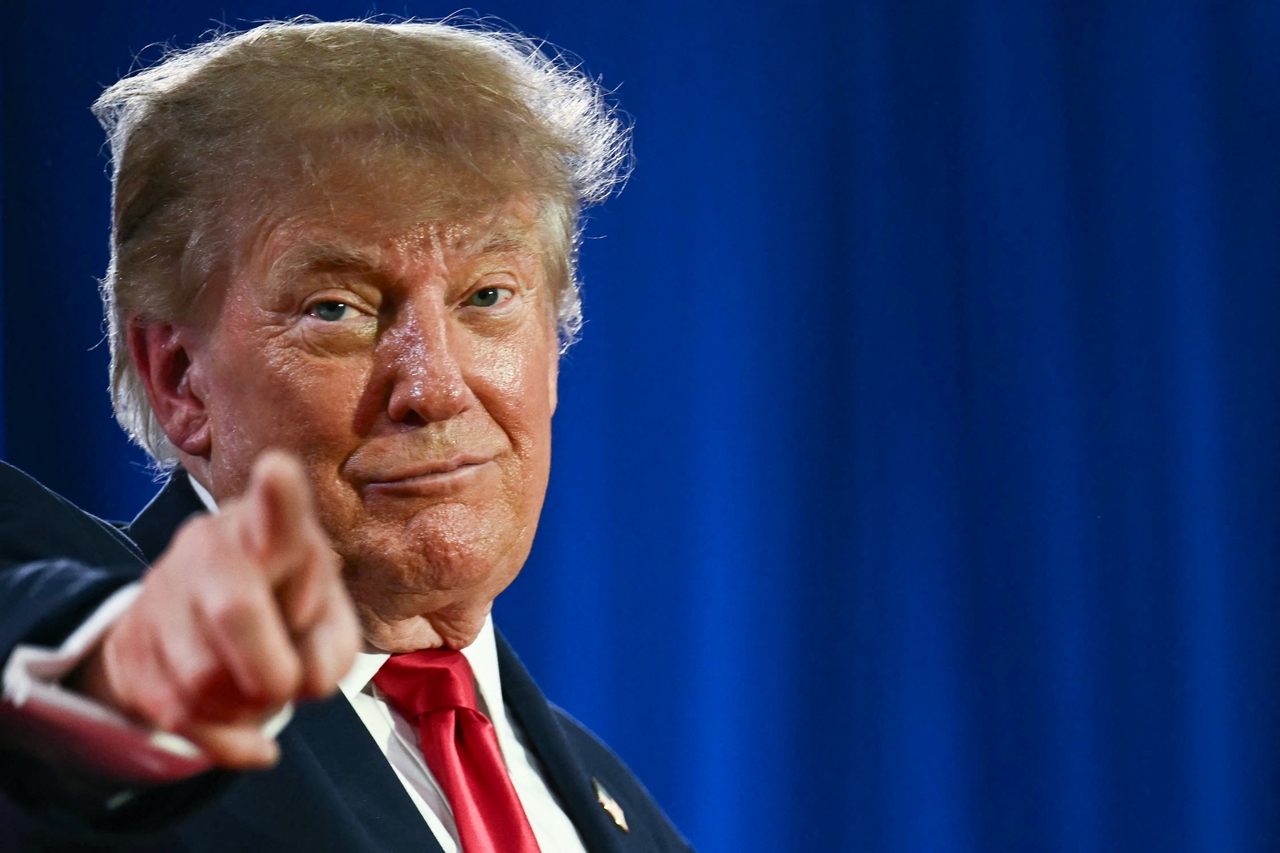
With the US midterm elections roughly 10 days away, investors are scrambling to identify policy beneficiaries in the stock market. As talk grows of the Democratic Party tightening its grip on Congress, analysts warn that AI data center stocks could face tougher regulation. Power and healthcare stocks, by contrast, are drawing attention as promising investment targets — the former on the back of AI-driven electricity demand and infrastructure spending, the latter on the prospect of improved healthcare access and a reversal of federal funding cuts.
All 435 seats in the US House of Representatives and 35 Senate seats are up for grabs in the Nov. 3 midterms. Aggregating forecasts from domestic polling firms, analysts say a scenario in which the Democratic Party wins a majority in the House — or sweeps both chambers — is considered more likely than a Republican hold on Congress.
If Democrats gain the upper hand, the AI data center industry stands to bear the most immediate pressure. Legislative efforts to make data center operators shoulder more of the cost of expanding power infrastructure are gaining momentum, and state-level regulation could tighten further. Democrats have emphasized reducing the power shortages, rising electricity bills and environmental strain that come with rapid data center expansion. Their position is that operators should pay a greater share of grid-upgrade costs and that permitting for new facilities should be tightened to account for power consumption and environmental impact.
"At least 47 large data center projects in the United States have been delayed or withdrawn this year," said Lee Seung-hun, a researcher at IBK Investment Securities. "If Democrats win decisively, the temporary permitting moratorium New York State imposed on large data centers could spread to other regions, including the Northeast and Midwest."
A Democratic majority in Congress could also benefit the healthcare sector, analysts say. Maintaining national health insurance subsidies and expanding Medicaid — the federal-state program for low-income Americans — would improve access to medical services and could lift earnings at insurers and hospital operators alike.
"Companies whose earnings have been squeezed by the Trump administration's changes to healthcare and national health insurance policy could see a rebound if the policy direction shifts," said Choi Bo-won, a researcher at Korea Investment Securities. She named UnitedHealth Group, HCA Healthcare, Intuitive Surgical and IDEXX Laboratories among the potential beneficiaries, along with XLV, an ETF that invests in US healthcare companies.
Power supply stocks are widely seen as beneficiaries of rising electricity demand from the AI industry's expansion and growing investment in power infrastructure. With data center construction already under way and expectations for long-term infrastructure spending building up, analysts say these stocks are worth watching once post-election policy uncertainty clears.
Generation and utility companies are expected to benefit from power sales and demand for new plant construction. Transmission, distribution and power equipment firms are also gaining prominence as the need for electrical infrastructure grows — opportunities are expanding in building out transmission lines and substations to deliver power reliably to data centers, replacing aging grid components and installing transformers and other equipment.
"Once political uncertainty eases after the election, investor attention will shift to policies aimed at strengthening US energy self-sufficiency and boosting power supply," Choi said. She highlighted generation and utility companies including NextEra Energy, American Electric Power and Constellation Energy, as well as power infrastructure firms Quanta Services and Eaton. For related ETF exposure, she pointed to JXI, which invests in global utility companies, and GRID, which focuses on power grid and infrastructure firms.

kacew@heraldcorp.com