Farms using food-waste feed grow from 5 to 18; pigs fed rise from 9,279 to 22,204
Supply set to grow further as dog-meat ban takes effect next year, lawmaker warns
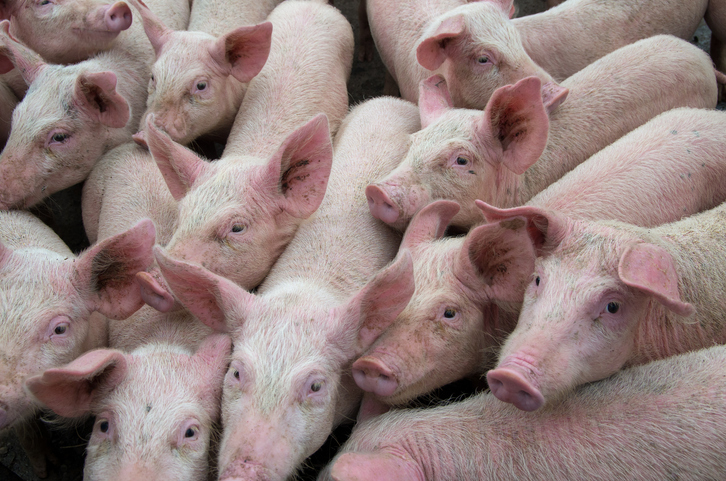
The amount of food-waste feed — which carries a risk of spreading African swine fever (ASF) — supplied to pig farms has grown nearly 2.7 times in the 20 months since a ban on its use was lifted. Concerns have also been raised that feed previously consumed at dog-meat farms could flow into pig farms once the ban on dog consumption takes effect next year.
According to national audit data submitted by the Ministry of Agriculture, Food and Rural Affairs to lawmaker Song Ok-ju of the National Assembly's Agriculture, Food, Rural Affairs, Oceans and Fisheries Committee, the supply of food-waste feed for pig farms rose 165.3 percent, from 66.5 tons in December 2024 to 176.4 tons at the end of August this year.
Over the same period, the number of pig farms using food-waste feed grew from five to 18. The number of pigs receiving such feed increased 2.4 times, from 9,279 to 22,204. At the end of last year, 19,004 pigs across 14 farms were being fed food-waste feed.
When ASF was first detected in South Korea in September 2019, the government issued an administrative order banning food-waste feed from pig farms. It later lifted the ban conditionally in October 2024, citing guidelines on converting food waste into feed and biosecurity management manuals for farms.
Song said that once provisions banning dog consumption take effect in February next year, food-waste feed previously used at dog-meat farms could be redirected to pig farms. An increase in food-waste feed use would place additional strain on ASF prevention efforts, she said.
Song also flagged that all 18 farms currently using food-waste feed had at some point been located within movement-restriction zones established in response to ASF outbreaks last year and this year. She said safety inspections, currently focused on farms that use the feed, should be expanded to cover all 70 food-waste feed manufacturers nationwide.
Calls also emerged to ban food-waste feed use altogether. Song said Taiwan, which experienced an ASF outbreak last year, plans to impose a full ban on feeding food waste to pigs starting next year, and that the EU already restricts the use of food-waste feed for livestock including pigs.
On Oct. 1, Song introduced a bill to amend the Feed Management Act, with a ban on feeding food waste to animals as its core provision. The bill would prohibit the manufacturing, imports, sale and use of feed made from food scraps. It would also ban feed made from protein derived from the same species as the animal being fed, with the exception of arthropods and aquatic animals.
"Resuming the use of food-waste feed could trigger controversy over the spread of infectious disease, a decline in livestock product quality and unfair low-price competition," Song said, calling for tighter biosecurity controls starting at the feed manufacturing stage.
adastra@heraldcorp.com