Democrats lead Republicans by 8 points in latest polling
GOP banks on past survey errors undercounting conservative voters
High Democratic turnout intent adds uncertainty to the outcome
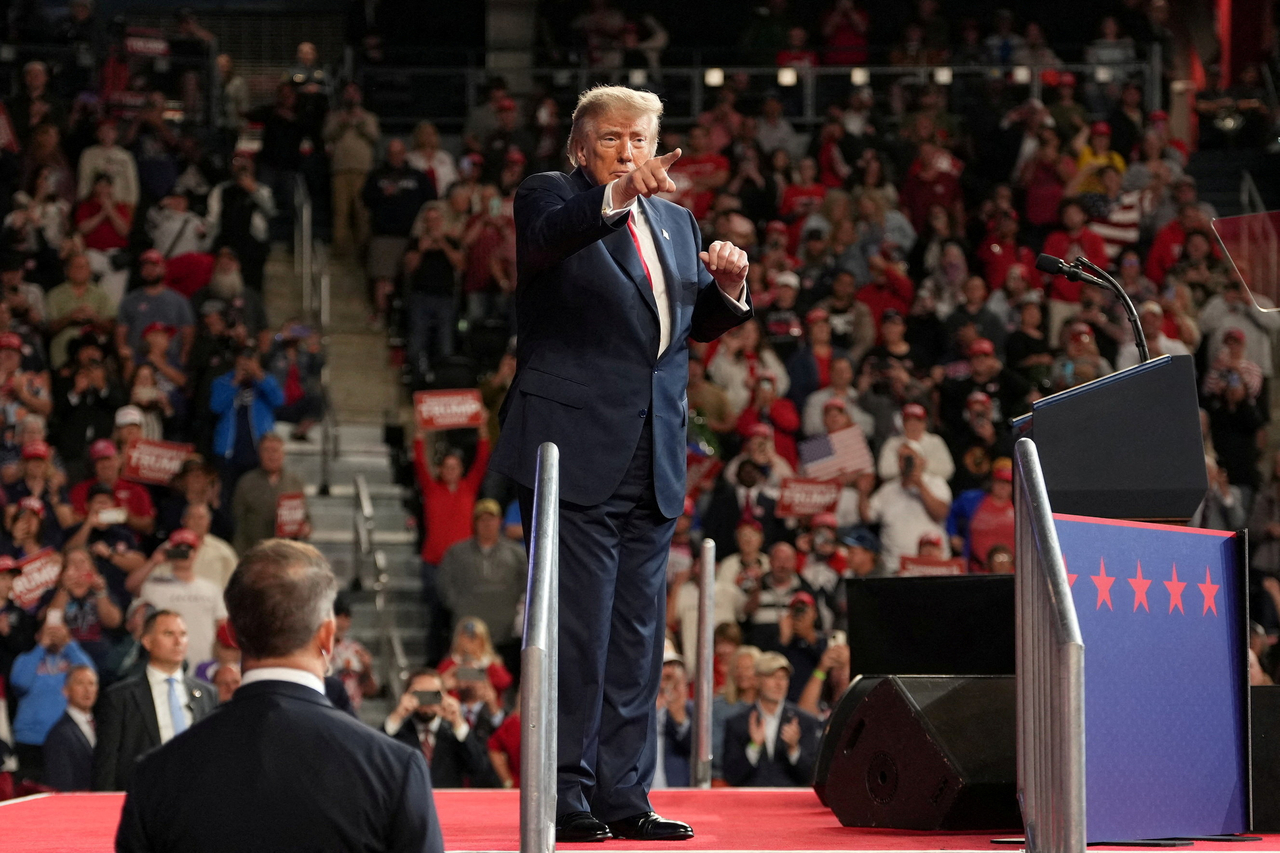
With 10 days to go before the US midterm elections, Democrats are leading Republicans in the polls — but the GOP still expects a turnaround. The party is counting on the same dynamic that played out in past elections: conservative voters who back President Donald Trump but go undetected by pollsters showing up in force on Election Day. Whether that pattern repeats itself is uncertain, however, as Democratic supporters are showing unusually strong intent to vote this time around.
According to the Financial Times, the Republican Party is paying close attention to the possibility that current polling does not fully capture actual voter sentiment, even as surveys show Democrats ahead. House Speaker Mike Johnson and other Republican figures have questioned the accuracy of the polls, pointing to past elections in which support from conservative voters was systematically underestimated.
The polling picture currently favors Democrats. A survey released Sunday by The Washington Post, ABC News and Ipsos showed Democrats leading Republicans by 8 percentage points in congressional preference. Trump's job approval stood at 33 percent, with 66 percent disapproving. Analysts say rising discontent over high inflation and the war with Iran is adding to the burden on the ruling Republican Party.
Even so, Republicans see reason for optimism, rooted in the gap between polling and actual results that has appeared in past elections. In the 2016, 2020 and 2024 presidential elections in which Trump ran, conservative voter support was widely seen as insufficiently captured by pre-election surveys.
In the 2024 election in particular, one analysis found that Republican House candidates outperformed their pre-election polling averages by 4.9 percentage points. Republicans are watching closely whether the hidden support that failed to show up in polls will once again translate into votes at the midterms.
The behavior of voters who decline to participate in polls is another variable. Some conservative voters who distrust political institutions and polling firms tend to avoid surveys altogether — and if they turn out to vote in significant numbers, Republican support could run higher than the polls suggest.
Republicans are also tracking early voting trends and shifts in Republican candidates' standing in some traditionally Democratic-leaning areas. That said, movement in specific regions does not necessarily reflect a national trend, and early voting participation does not automatically translate into votes for any particular party.
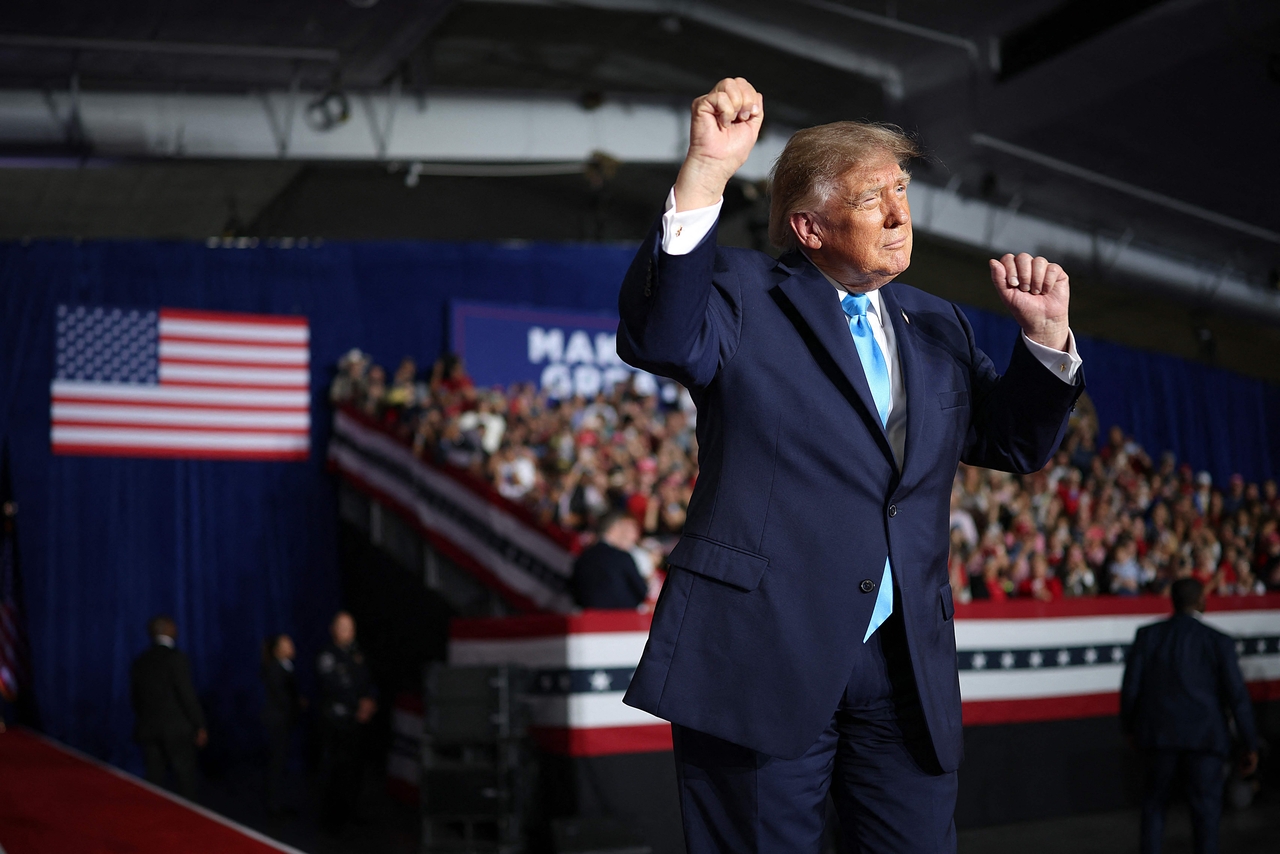
There is no shortage of survey data pointing the other way, however. In a Pew Research Center poll conducted from Sept. 28 to Oct. 4 among 5,062 American adults, 63 percent of registered voters who support Democratic candidates said they were highly motivated to vote in this election — compared with 46 percent among Republican-leaning voters, a gap of 17 percentage points.
Democratic-leaning voters were also more likely to say which party controls Congress matters a great deal — 78 percent, versus 69 percent among Republican supporters. The same poll showed Democrats leading 44 percent to 36 percent in House preference. Whether that enthusiasm translates into actual turnout on Election Day is a key variable.
The difference between a presidential election and a midterm also deserves consideration. Unlike the presidential races in which Trump himself was on the ballot, this cycle puts individual House and Senate candidates before voters in each district and state. Whether Trump's base turns out at the same level as it did in a presidential year is a separate question.
The structure of the US electoral system also makes it difficult to read the outcome from national polling alone. All 435 House seats are decided in individual districts, and Senate races are run state by state. Even if one party leads nationally, the actual seat count will depend on voter sentiment and turnout in competitive districts.
It would be premature to assume that past polling errors will recur in the same direction this time. Polling firms have been refining their methodologies — adjusting respondent composition and weighting for past voting history. Some analyses have also noted that in the 2018 and 2022 midterms, unlike in presidential years, the gap between polling and actual results was relatively narrow.
The Financial Times said Republicans are banking on conservative voters who have gone uncounted in polls to show up at the ballot box. Still, with Democratic supporters showing strong turnout intent and competitive dynamics varying by district, past polling errors alone offer an unreliable guide to what this election will bring.
A single Trump remark can shake global markets and economies. The Herald Business international desk, on the move from 5 a.m., delivers a daily digest — from the US market close to the Trump news most likely to move global assets — so you can catch up in just one minute.
sjy@heraldcorp.com