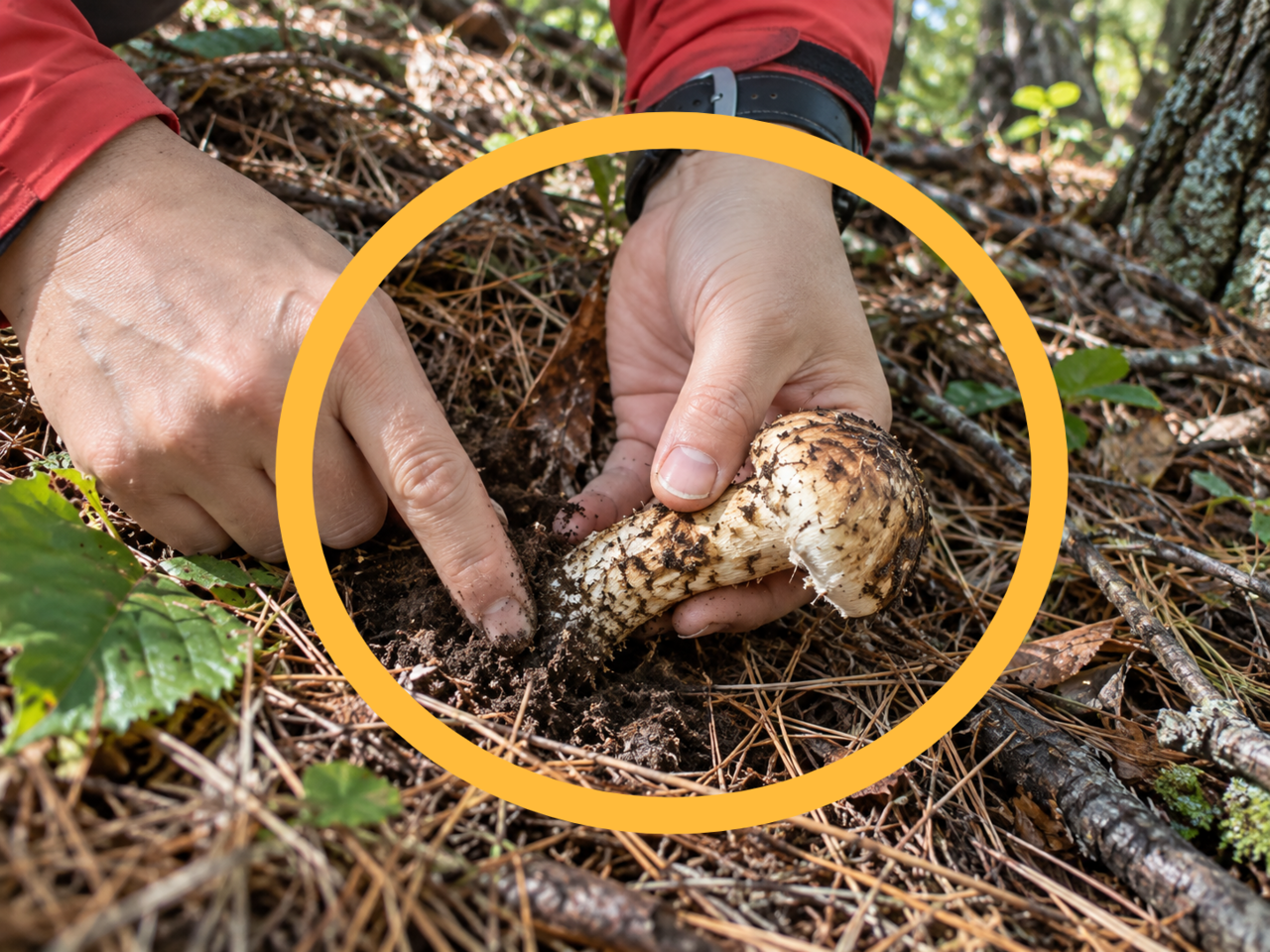
"How can a single mushroom cost more than beef?"
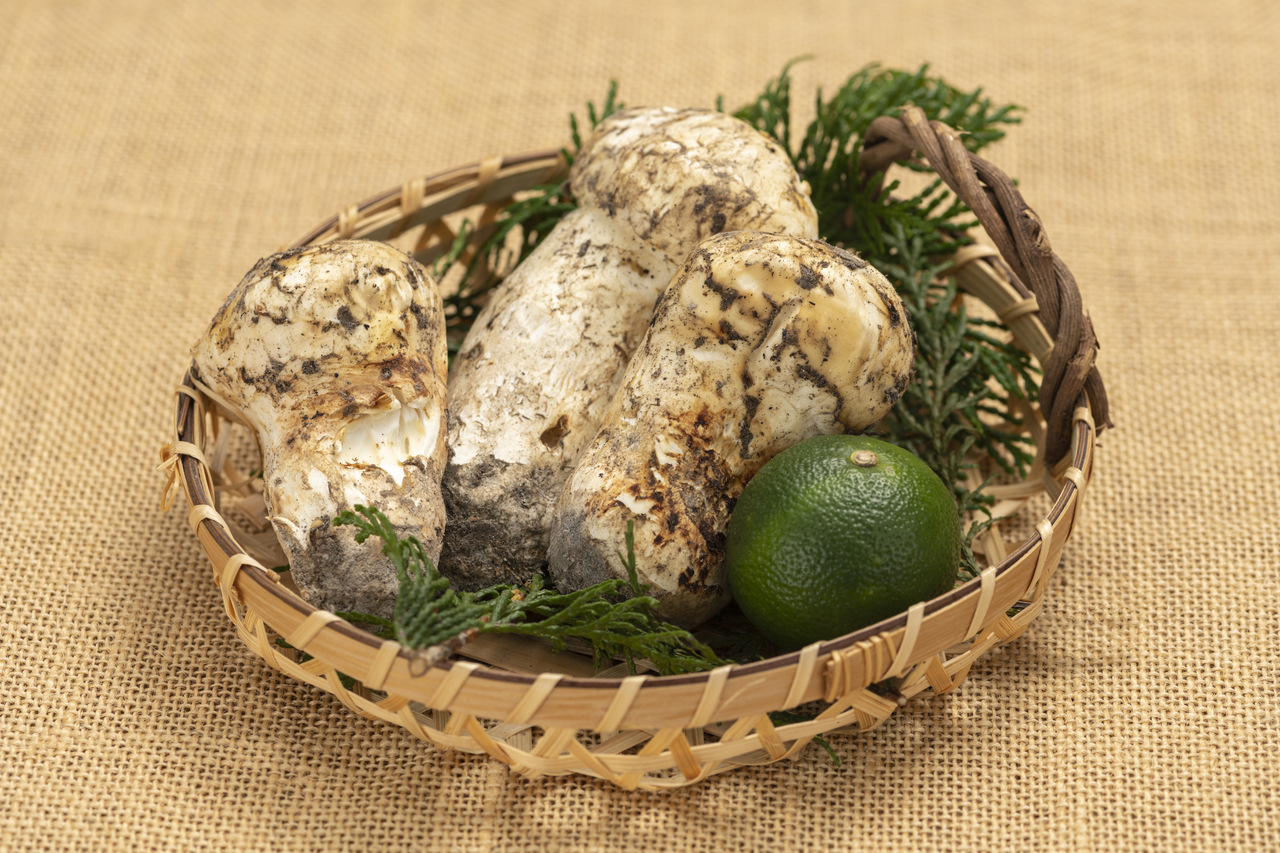
There is one ingredient that even the finest Korean beef cannot rival: the pine mushroom, known in Korea as the "gold mushroom."
Pine mushrooms were already a prized delicacy, but their price has surged to record highs. This fall, top-grade mushrooms fetched a record 1.71 million won ($1,290) per kilogram at auction.
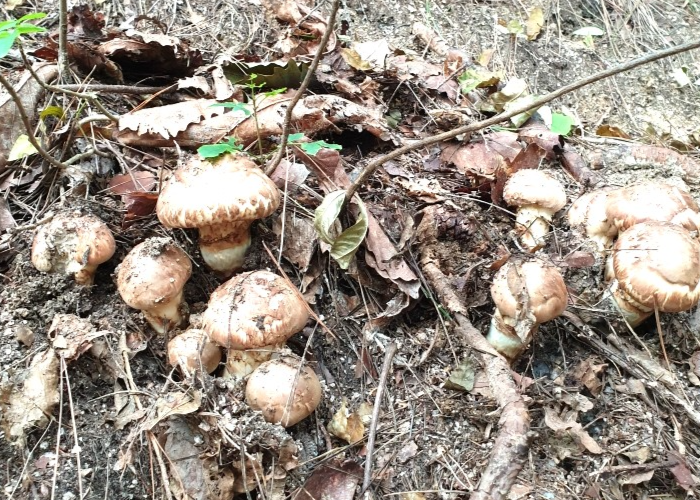
The reason is straightforward: supply has fallen sharply while demand remains strong, pushing prices higher by the day.
The shortage shows little sign of easing. Hotter summers, drier autumns and a string of other adverse conditions have repeatedly undermined pine mushroom harvests in recent years.
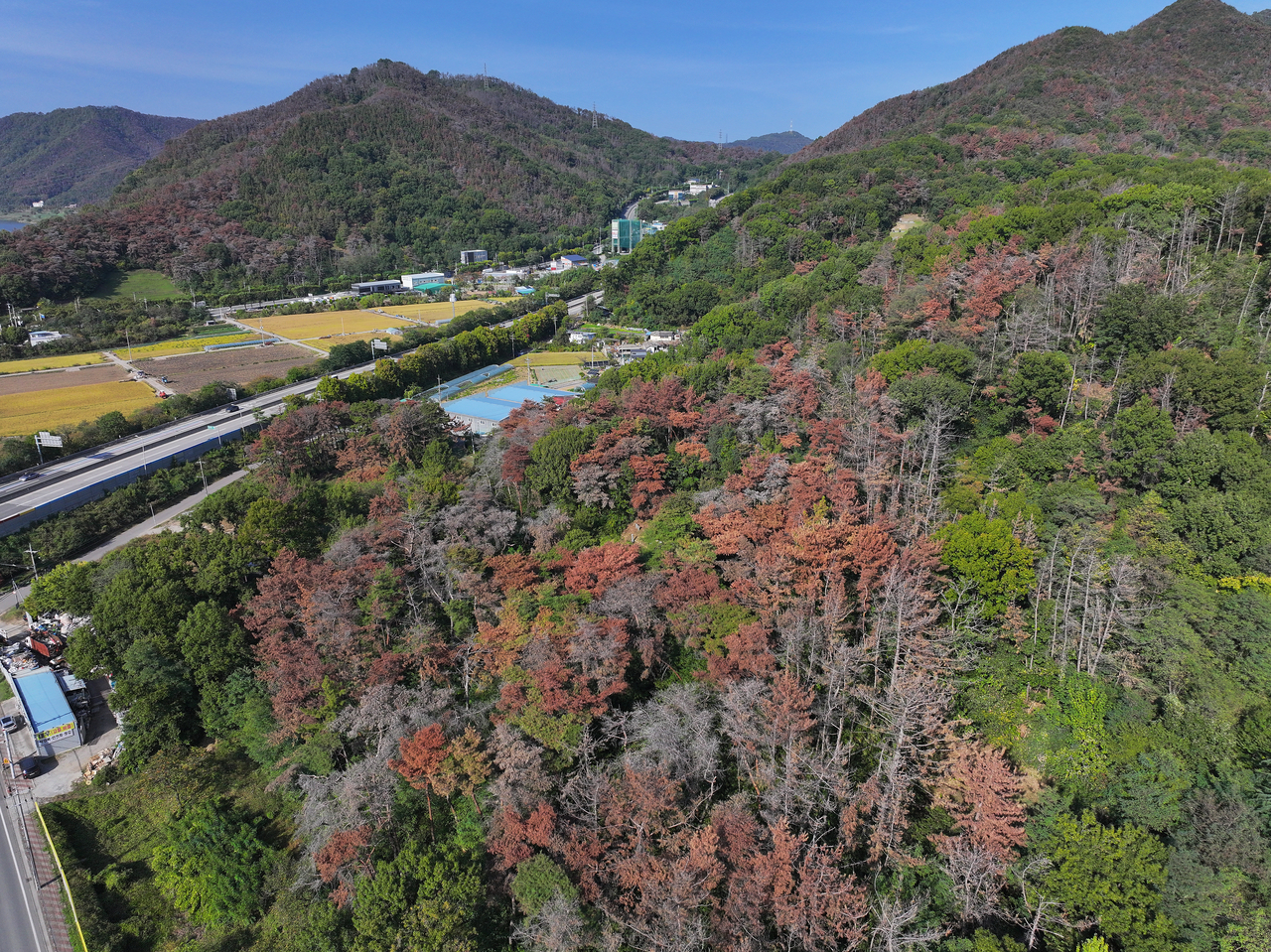
Large-scale wildfires and spreading pine wilt disease have compounded the problem, damaging the forests where the mushrooms grow.
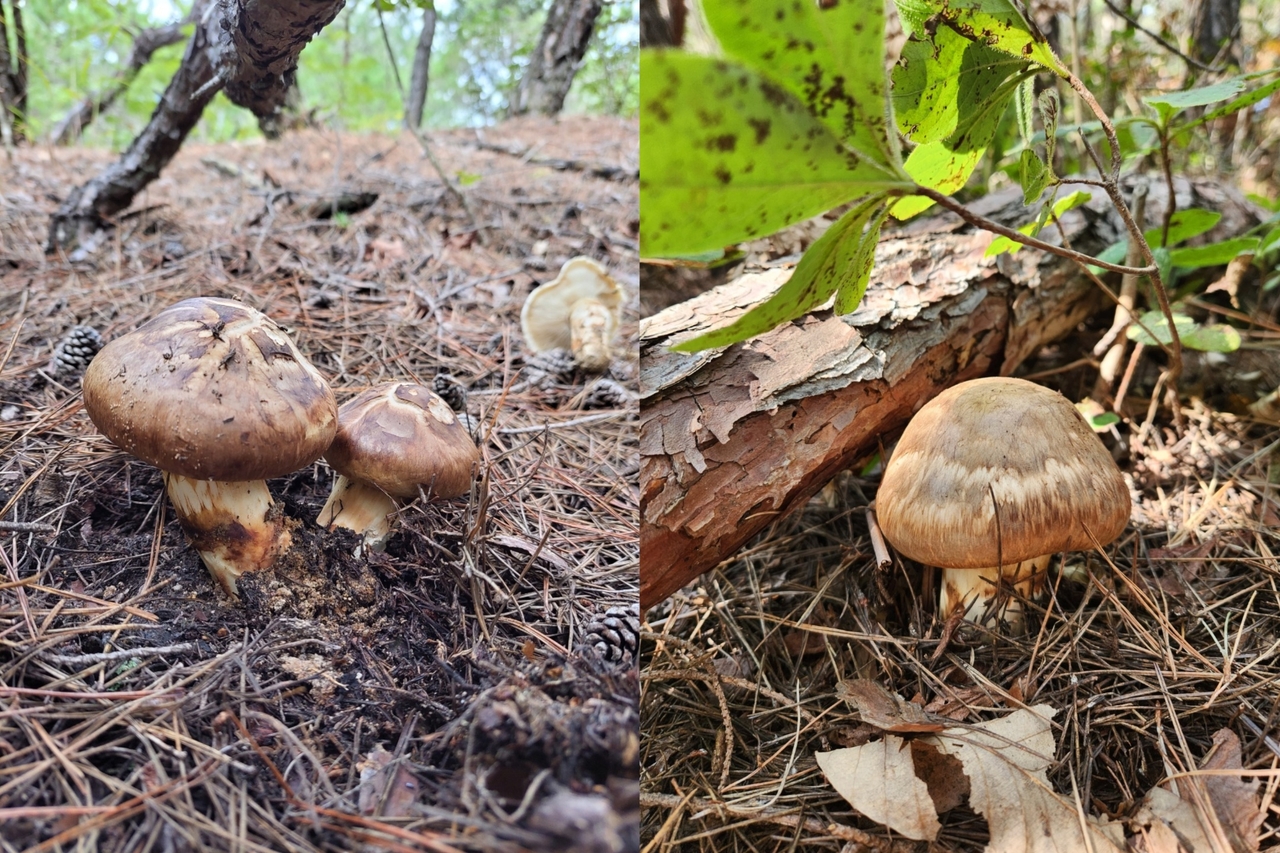
According to the National Forestry Cooperative Federation, the auction price for top-grade pine mushrooms harvested in Yangyang, Gangwon Province, reached 1.71 million won per kilogram on Oct. 4 — surpassing last year's record high of 1.61 million won per kilogram for Yangyang pine mushrooms.
For context, the average retail price of the highest-grade Korean beef sirloin stood at 16,459 won per 100 grams as of Wednesday. By weight, this year's peak auction price for top-grade Yangyang pine mushrooms was roughly 10.4 times that of premium beef sirloin.
The surge in pine mushroom prices is rooted in a supply shortage.

According to the Yangyang-Sokcho Forestry Cooperative, total pine mushroom auction volume in Yangyang this year came to 3,870.77 kilograms — down about 2 metric tons, or 34.2 percent, from 5,885.27 kilograms last year. The volume of top-grade mushrooms fell even more sharply, dropping 76.9 percent from 351.19 kilograms last year to just 81.11 kilograms this year.
The auction season also wrapped up unusually early, running from Sept. 17 to Oct. 8. In Yangyang, the auction typically closes once daily purchases fall below 30 kilograms for roughly three consecutive days.
Jeon Do-yeong, head of the Yangyang-Sokcho Forestry Cooperative, said the auction opened about 10 days earlier than last year, but insufficient rainfall afterward stunted mushroom growth. "Because the mushrooms did not come up properly, we ended up closing the auction earlier than last year," he said.
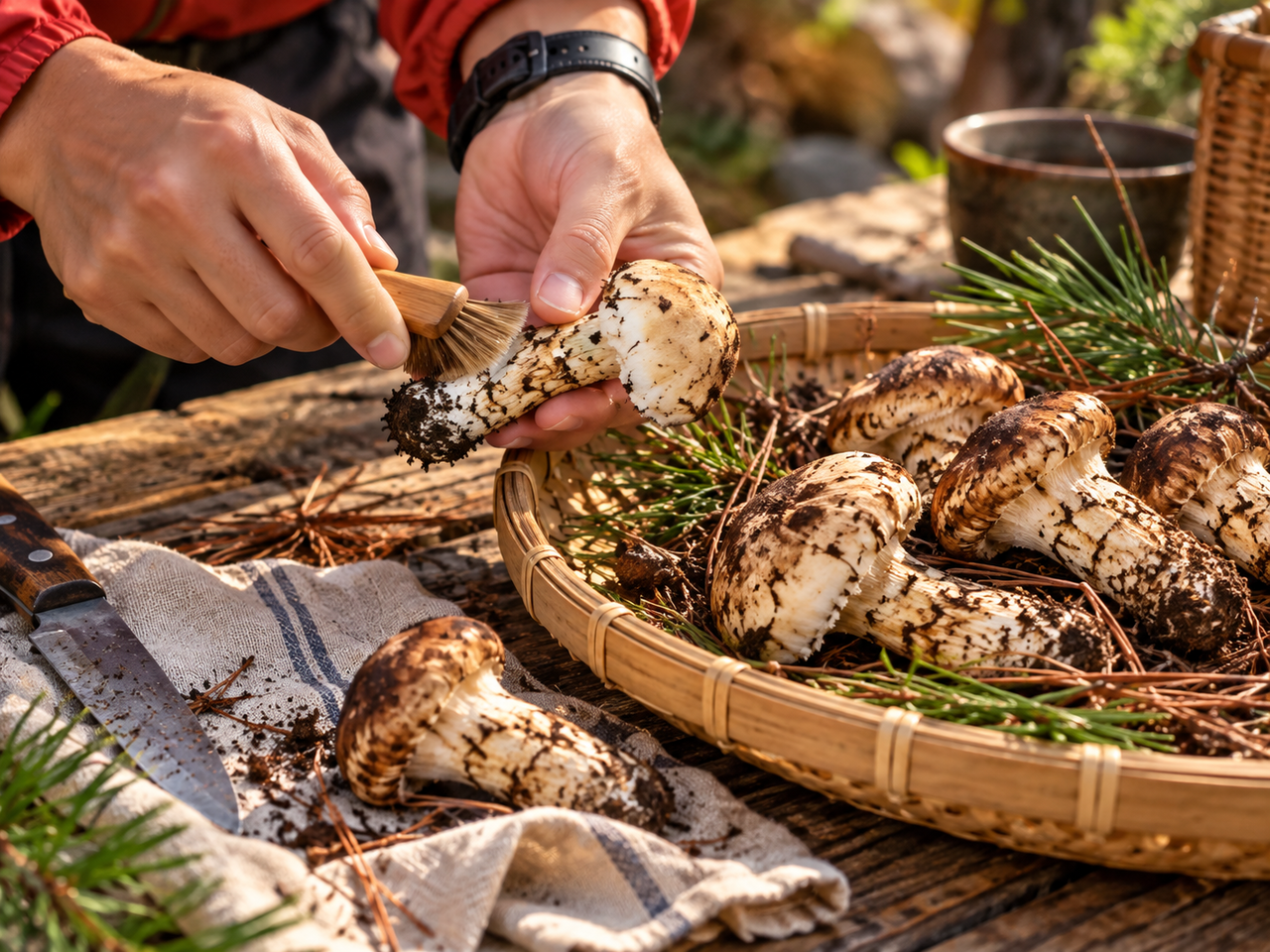
Domestic pine mushroom output has been declining for decades. Production peaked at 1,313 metric tons in 1985, but by the 2020s the annual harvest had shrunk dramatically, with many years seeing output of only around 100 to 200 metric tons.
The primary culprit behind this year's particularly steep decline is a severe autumn drought. According to the Korea Meteorological Administration's climate report for September 2026, nationwide precipitation that month totaled just 26.4 millimeters — only 17 percent of the long-term average of 155.1 millimeters. It was the second-driest September on record since the national weather observation network was expanded in 1973, a span of 54 years.
Rainy days were also exceptionally scarce. The national average number of rainy days in September this year was just 4.4 — nearly five fewer than normal and the third-lowest on record. In effect, almost no rain fell during the very period when pine mushrooms should have been growing.
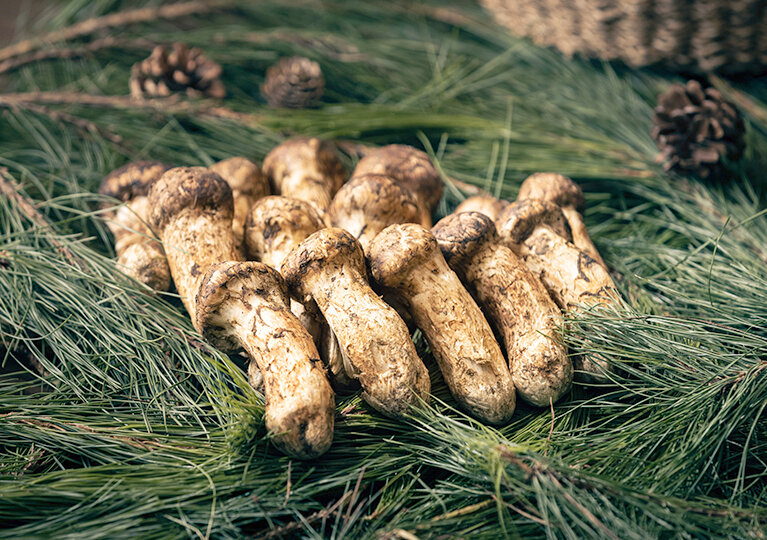
Pine mushrooms emerge only after summer heat dissipates and soil temperatures drop sufficiently. According to the Korea Forest Service, the mushrooms can begin to appear only after the average ground temperature at a depth of 5 centimeters falls below 19 degrees Celsius and roughly 13 to 16 days pass.
Even then, cool temperatures alone are not enough. The soil must retain adequate moisture. Too little rain can interfere with the growth of pine mushroom mycelium and prevent the fruiting bodies from pushing through to the surface.
In Yangyang this year, mushrooms appeared relatively early in the season, sustained by intermittent summer rains that kept the soil moist. But conditions deteriorated once the harvest season began. Insufficient rainfall from late September onward, combined with persistently high temperatures, made it increasingly difficult to maintain soil moisture.
What makes the situation more alarming is that last year's harvest was also disrupted — but by entirely different weather. A prolonged late-summer heat wave kept soil temperatures too high well into mid-September, leaving Yangyang growers unable to set an auction schedule.
In short, climate change is causing the temperature and moisture conditions pine mushrooms need to vary dramatically from year to year. The deeper concern is that such weather volatility may intensify further. Given how sensitive pine mushrooms are to temperature and rainfall, growing climate instability could make production conditions increasingly difficult.
Long-term shifts in precipitation patterns are already being observed. A climate change analysis report covering 113 years, published last year by the Korea Meteorological Administration, found that the number of rainy days in South Korea declined over the long term from 1912 to 2024, while total annual precipitation and rainfall intensity both trended upward.
Large wildfires have added to the pressure, causing serious damage to the forests where pine mushrooms grow. North Gyeongsang Province's Yeongdeok county — one of the country's main pine mushroom-producing areas — lost a significant stretch of forest to a massive wildfire last spring, including pine groves where the mushrooms thrive. The spread of pine wilt disease has also contributed to forest degradation and declining pine mushroom output.
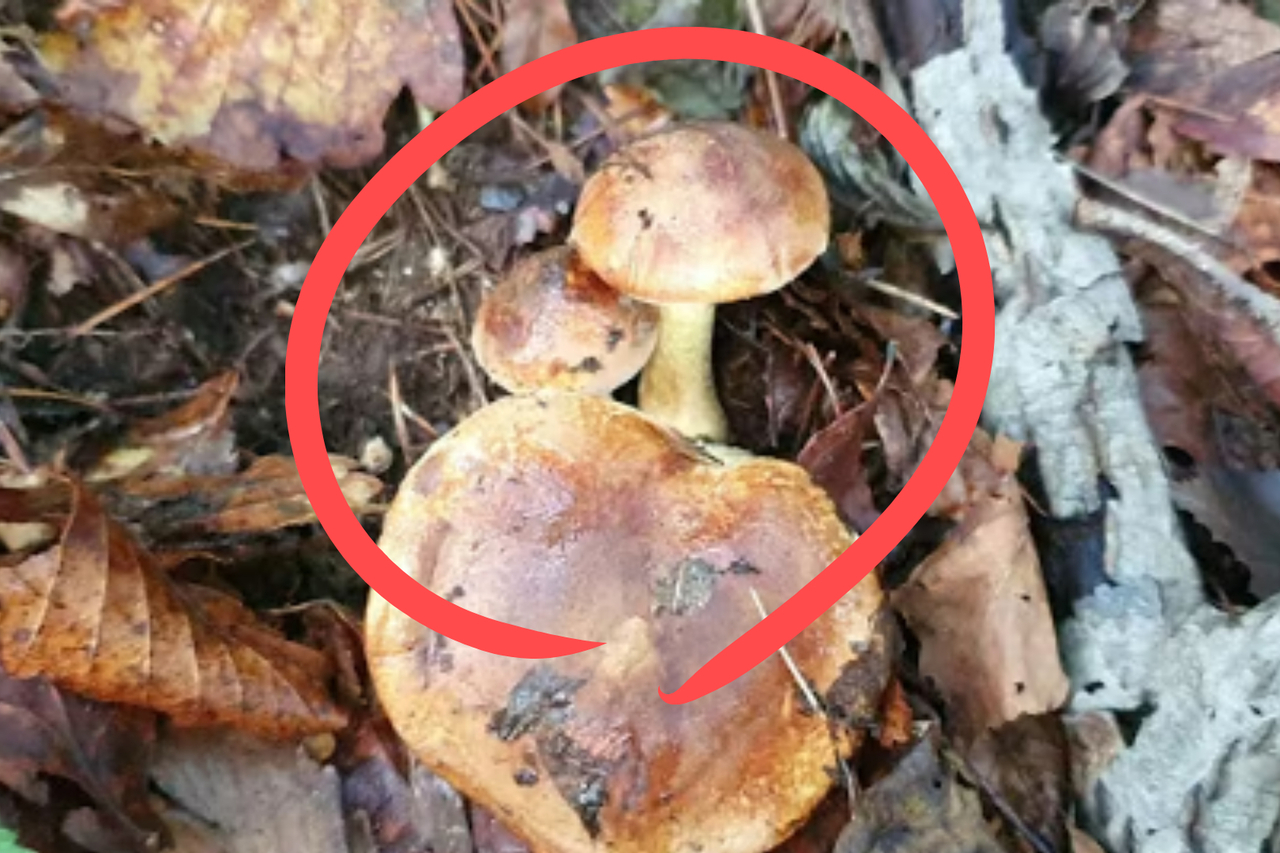
The disappearance of pine mushrooms is not a problem unique to South Korea. Japan, one of the world's leading pine mushroom producers, has seen output plummet over decades. The International Union for Conservation of Nature has classified the pine mushroom as "Vulnerable" on its list of threatened species.
Meanwhile, changes to forest ecosystems extend beyond the decline of pine mushrooms. The South Jeolla Province Forest Research Institute reported last year that new species of poisonous mushrooms are being discovered as a result of climate change, suggesting that shifts in temperature and soil moisture are altering which mushroom species emerge.
Oh Deuk-sil, director of the South Jeolla Province Forest Research Institute, said recent research has identified new poisonous mushroom species linked to climate change. "It is safest not to pick wild mushrooms at all, and if you do, you must consult an expert," he said.

woo@heraldcorp.com