OB Beer expands distribution of soju brand Challang
Lower alcohol content than major rivals including Chamisul
Breaking through entrenched players key amid sluggish liquor market
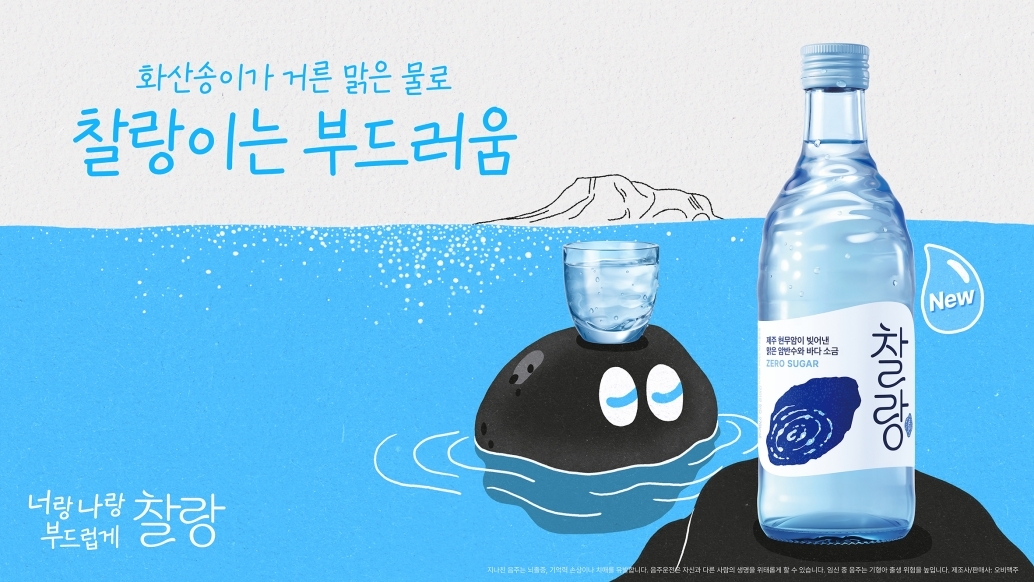
A new contender has entered the "somaek" market — the popular Korean practice of mixing soju and beer. OB Beer's "Charles" (Challang + Cass) is now competing against Hite Jinro's "Tesla" (Terra + Chamisul) and "Tejina" (Terra + Jinro). With Cass, South Korea's No. 1 beer brand, behind it, OB Beer's push into the soju market is set to intensify competition across the liquor industry.
According to industry sources, OB Beer officially launched its zero-sugar soju Challang last month and has been expanding its distribution network this month. Since mid-October, the company has also been operating a flagship store in partnership with Seokam Saengsogeum Gui, a popular restaurant in Yongsan, Seoul.
OB Beer is currently supplying Challang primarily to restaurants and bars in the Greater Seoul area and parts of Jeju. About 90 percent of the initial supply has been allocated to the metropolitan area, with a focus on key commercial districts such as Gangnam and Yeouido. The company said it will assess market response before deciding whether to expand into retail channels such as convenience stores and hypermarkets.
Challang is the first soju brand OB Beer has introduced to the domestic market since acquiring Jeju Soju from Shinsegae Group in 2024. The product is manufactured entirely at OB Beer's Jeju factory. At 15 percent alcohol, it is 0.7 percentage points below the 15.7 percent found in leading rivals such as Hite Jinro's Chamisul Fresh and Jinro, and Lotte Chilsung Beverage's Cheoeum Cheoreom and Saero.
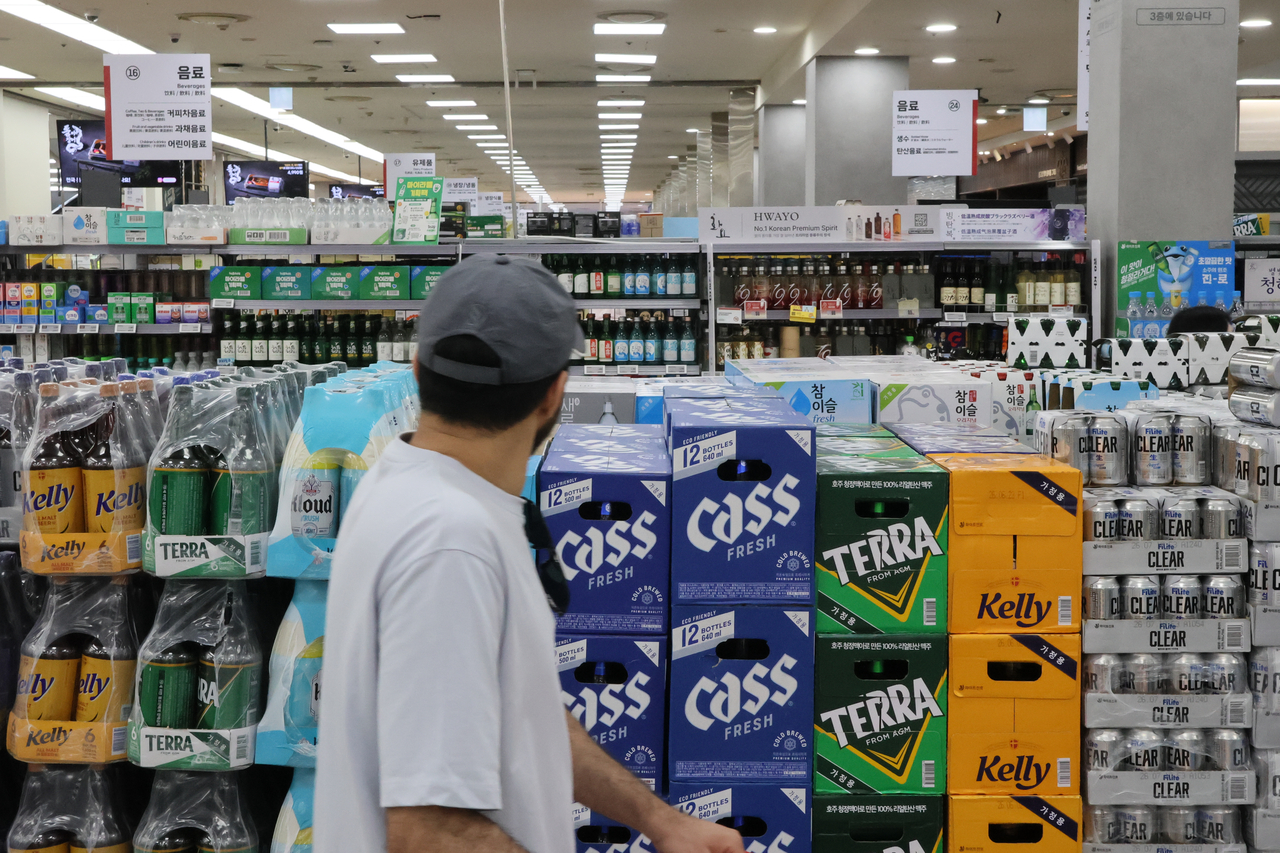
OB Beer's biggest competitive advantage is the existing sales network built around Cass. The company has long supplied Cass to restaurants and bars nationwide, but the soju sales that accompany those meals have gone to competitors. With Challang now in its portfolio, OB Beer can sell its own soju and beer together, opening the door to synergies with its existing client base.
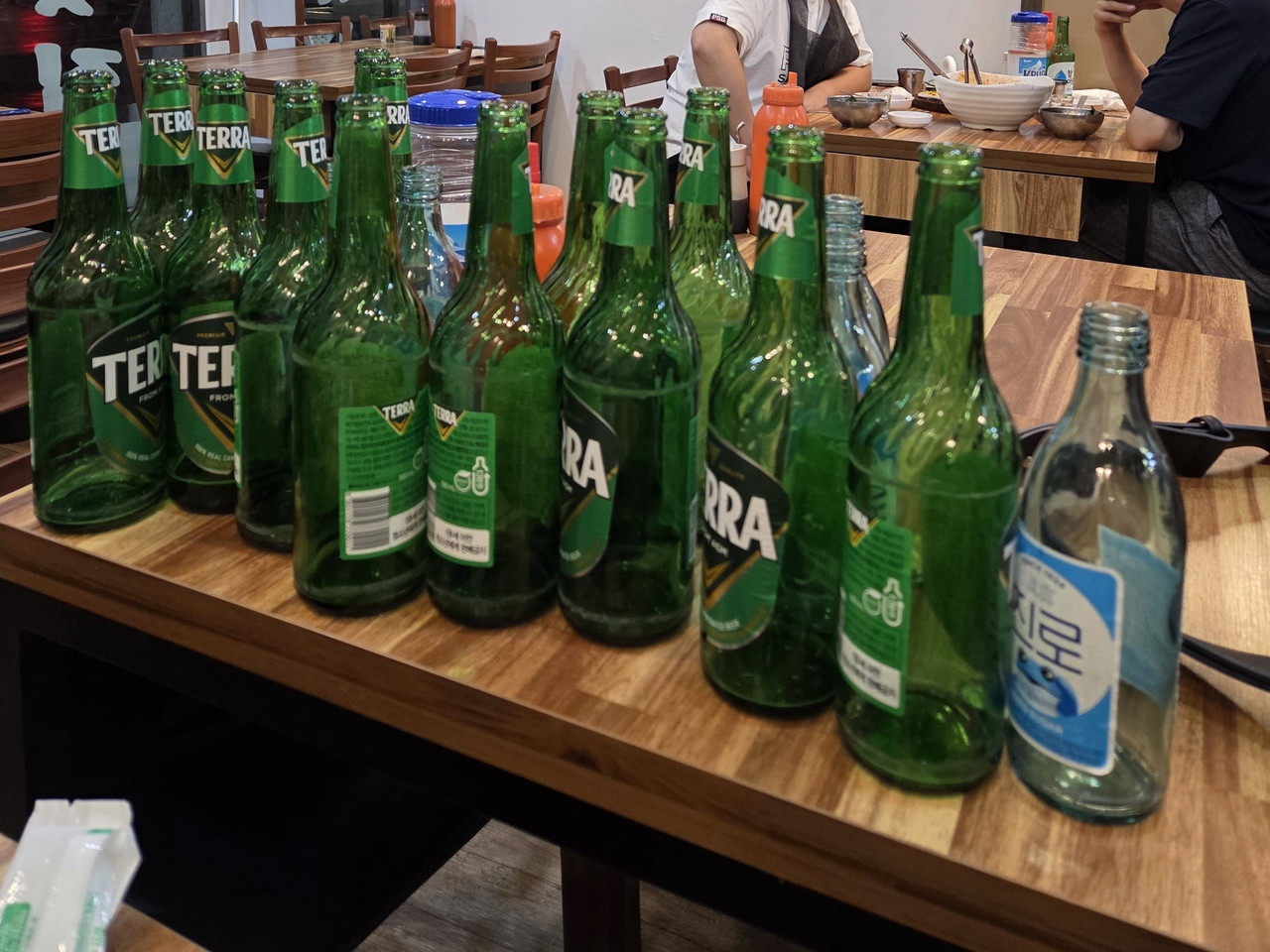
Somaek combinations have become a marketing tool in the liquor industry for boosting product sales and brand recognition. After Hite Jinro launched Terra in 2019, mixes such as Tesla and Tejina gained wide popularity. Following the 2023 debut of Kelly, Hite Jinro also ran a "Kellyback" marketing campaign pairing it with Jinro Is Back. With Challang now on the market, OB Beer has laid the groundwork for its own somaek marketing built around Cass and its new soju.
In the early stages after acquiring Jeju Soju, OB Beer focused more on overseas exports than the domestic market. Last year it launched an export-only soju brand, Geonbaejjan, and supplied it to four countries — Malaysia, Singapore, Taiwan and Canada. In the United States, it released a separate soju brand also called Challang.
OB Beer's entry into the soju market draws attention partly because of Jeju Soju's troubled past. Jeju Soju was founded in 2011 as a local Jeju company and launched its Olle Soju in 2014. E-mart acquired it in 2016 for about 19 billion won ($14.3 million), and the following year relaunched the product under the name Pureunbam as it set its sights on the national soju market.
Chung Yong-jin, chairman of Shinsegae Group, led the Jeju Soju acquisition at the time. The venture proved costly, however, accumulating operating losses of 43.4 billion won from 2017 to 2020. Production of Pureunbam was halted in 2021, and the brand was subsequently absorbed into Shinsegae L&B, which continued operating it through export soju and CMO arrangements. In 2024, OB Beer acquired Jeju Soju, changing its ownership once again.
The market environment is far from favorable. The liquor industry as a whole is in a prolonged slump. According to the National Tax Service's national tax statistics portal, domestic liquor shipments last year totaled 2.988 million kiloliters, down 5.2 percent from the previous year's 3.151 million kiloliters — and 21.5 percent below the 3.804 million kiloliters recorded a decade earlier in 2015.
Both soju and beer have struggled. Beer shipments fell 7.2 percent last year to 1.519 million kiloliters, from 1.637 million kiloliters the year before. Diluted soju shipments dropped 2.8 percent over the same period, from 816,000 kiloliters to 793,000 kiloliters. Both categories have posted three consecutive years of decline.
"The soju market is hard for newcomers to crack because established players have strong customer loyalty and entrenched distribution networks," an industry official said. "The key question is whether OB Beer can leverage Cass's sales network to secure shelf space for Challang and translate that into sustained sales."
korean@heraldcorp.com