Hannam District 3 demolition complete, ground-breaking imminent for 5,970-unit project; Sanho Apartment reconstruction revised upward to 47 stories, 666 units
Seogyedong Moa Town becomes first in Seoul to receive quasi-residential zone upgrade under small-scale housing special provision
Rapid Development Task Force and integrated progress review meetings launched to clear bottlenecks
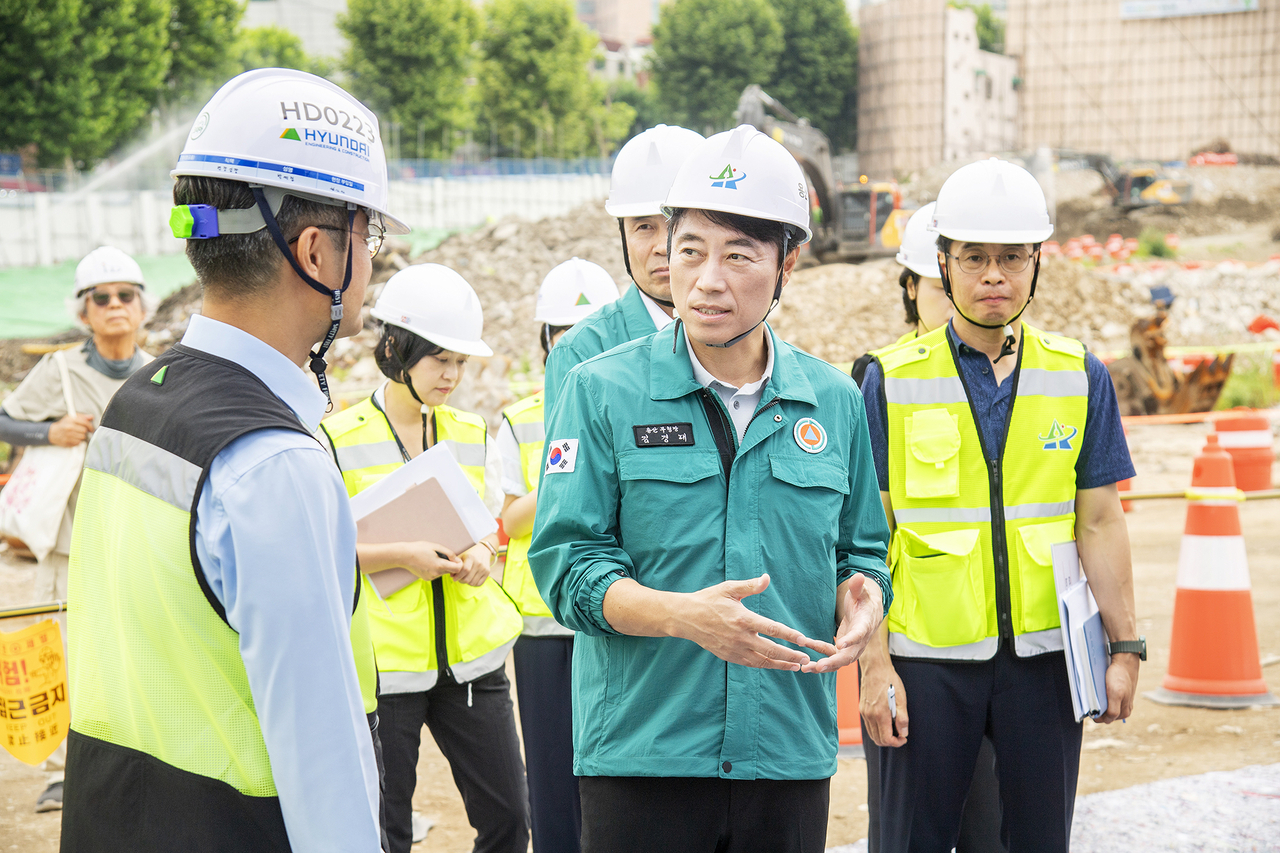
Yongsan-gu in Seoul is poised for sweeping urban transformation through large-scale redevelopment, reconstruction and the renewal of aging residential neighborhoods.
The Hannam District 3 redevelopment project — the centerpiece of the Hannam New Town plan — has completed demolition and is preparing to break ground, while the Sanho Apartment complex along the Han River is pursuing an upward revision to its reconstruction plan. In Seogyedong, near Seoul Station, a Moa Town project has become the first in any Seoul autonomous district to receive a quasi-residential zone upgrade under a special provision.
With projects advancing across Yongsan-gu — from large-scale redevelopment to the improvement of low-rise aging neighborhoods — the area's residential environment and urban landscape are expected to change significantly.
Yongsan-gu District Mayor Kim Kyung-dae has made the swift execution of redevelopment projects a central priority of his ninth-term administration, focusing the district's administrative resources on permitting support and the removal of delays.
Rather than simply processing permits case by case, the district has strengthened its administrative support by continuously monitoring project progress, identifying the causes of delays early and devising solutions.
In September, Kim chaired the district's first integrated progress review meeting, where officials examined the status of individual projects, identified delay factors and discussed responses. The district plans to hold regular review meetings going forward to directly monitor major redevelopment projects and accelerate timelines through coordination with relevant agencies.
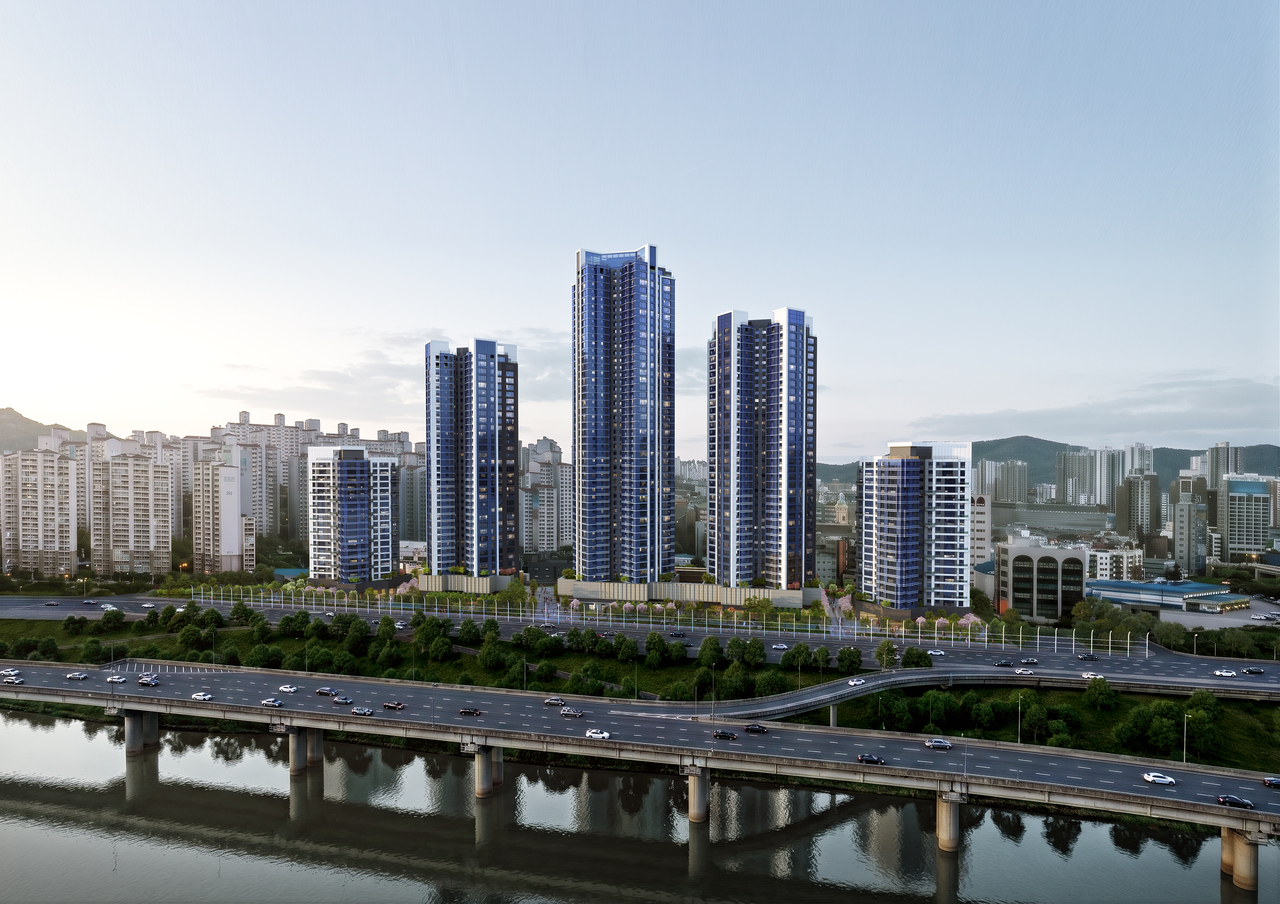
Hannam District 3 demolition complete; Sanho Apartment reconstruction gains momentum
Hannam District 3, the flagship of Yongsan-gu's redevelopment push, is a large-scale project encompassing 5,970 units. With demolition finished and main construction works in preparation, development across the broader Hannam New Town area is picking up pace.
The Sanho Apartment reconstruction project is also advancing through key procedural steps. Located in the Wonhyo-ro 4-ga 118-16 area, the Sanho complex was built in 1977 and sits close to the Han River waterfront and the Yongsan International Business District.
The reconstruction plan, originally designed for a maximum of 35 stories and 647 units, is being revised upward to a maximum of 47 stories and 666 units in line with Seoul's 2040 Seoul Urban Master Plan guidelines. The revised plan includes 100 public housing units.
The Sanho Apartment reconstruction association received project implementation plan approval in March 2024 and completed the management and disposal plan approval notice in August. Yongsan-gu said it cut the processing time for the management and disposal plan approval by three months through close communication with the association and administrative support.
The district is conducting a public review of the proposed redevelopment plan revision from Friday through Nov. 23. It then plans to pursue an integrated review covering the plan change procedures along with architectural, landscape, traffic, education and small-scale disaster impact assessments.
The Sanho Apartment project has drawn attention as one that will reshape both the Han River skyline and the surrounding mix of commercial and residential space. The actual pace of progress, however, will depend on subsequent reviews, permitting, and relocation and demolition procedures.
Other notable advances in Yongsan-gu's residential improvement efforts include approval of the Gangchon Apartment remodeling project plan, the selection of a candidate site for an urban public housing complex project north of Hyochang Park Station, and approval of the Huam District 3 promotion committee.
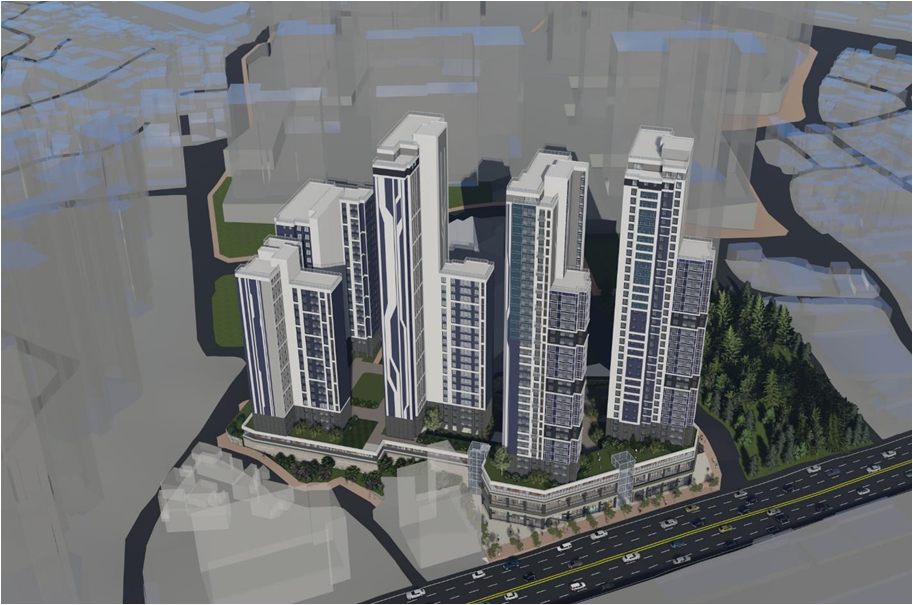
Seogyedong Moa Town wins quasi-residential zone upgrade; 438-unit complex planned
A new chapter in housing redevelopment has also opened in Seogyedong, an aging low-rise residential neighborhood on the western side of Seoul Station.
According to Yongsan-gu, the Moa Town management plan for the area around Seogyedong 116 was conditionally approved at the Seoul Metropolitan Government's 11th Small-Scale Housing Improvement Integrated Review Subcommittee meeting held Oct. 8.
The plan marks the first case in any Seoul autonomous district in which a small-scale housing improvement special provision has been applied to upgrade the zoning designation to a quasi-residential zone. The district said the upgrade lays the groundwork for a more intensive housing supply.
The site benefits from strong transit access given its proximity to Seoul Station, but its deterioration rate stands at 84.6 percent and the area is densely packed with multi-family and multi-unit housing, making residential improvement a long-standing concern.
Under the management plan, the site will accommodate an apartment complex of up to 35 stories with a floor area ratio of no more than 470 percent. The plan calls for expanding the housing stock from the current 213 units to 438 units, including 111 rental units.
Beyond housing supply, the plan calls for improvements to pedestrian and street environments and the creation of shared community facilities. The district envisions linking the project with neighboring redevelopment zones — including the Seogyedong Integrated Rapid Planning redevelopment zone and the Seoul Station transit-oriented urban renewal zone — to improve the overall residential environment on the western side of Seoul Station.
The conditional approval represents progress in a key step toward establishing the management plan, but further procedures remain, including another round of public review and the formal decision and public notice of the management plan.
Rapid development hinges on administrative support and progress management
Since the launch of the ninth-term administration, Yongsan-gu has operated a Rapid Development Task Force to monitor project progress at each stage and strengthen administrative support on key issues.
Redevelopment projects involve a web of interlocking procedures — resident consent, association management, various reviews and permits, and relocation and demolition — meaning a delay at any one stage can affect the entire schedule. Systematic progress monitoring and coordination with relevant agencies are therefore critical.
Commenting on the Seogyedong Moa Town approval, District Mayor Kim Kyung-dae said the result was "an important step toward improving the residential environment in Seogyedong and expanding housing supply in the city center," adding that the district would "carefully listen to residents' opinions and work closely with the Seoul Metropolitan Government and the association to carry out the remaining procedures without a hitch."
While the Hannam District 3, Sanho Apartment and Seogyedong Moa Town projects are each at different stages, they share a common direction: renewing aging residential areas and expanding housing supply.
The ultimate measure of Yongsan-gu's development ambitions will be whether planning announcements and review approvals translate into actual ground-breakings, housing completions and infrastructure improvements. How carefully Kim manages the burden on residents, relocation support, and improvements to traffic and pedestrian environments alongside the pace of redevelopment will also be a key benchmark for assessing his urban development strategy.
seouldream01@heraldcorp.com