Mayor Heo Tae-jung calls the district 'a vital place for opening Daejeon's new future' during relay goodwill tour
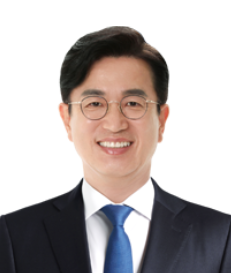
Daejeon Mayor Heo Tae-jung made his third stop on his relay district goodwill tour Friday, visiting Dong-gu — the district centered on Daejeon Station that has long driven the city's growth and development.
Heo's first stop was the construction site of Daejeon Medical Center, a long-sought project for Dong-gu residents. The public medical facility is being built in the Seonryang district of Yongun-dong, with two below-ground floors and seven above-ground floors, a total floor area of 34,500 square meters and 319 beds.
The project finalized its total budget in September after completing cost-adjustment consultations, locking in 222.3 billion won ($168 million) — comprising 83.9 billion won in national funds and 138.4 billion won in city funds. The city plans to break ground in 2027 and open the facility by 2030, following detailed design work and construction consultations.
At the site, Heo said the medical center is "a core public health facility that protects the lives and health of citizens," adding that the city would push ahead without delay on follow-up steps including detailed design and construction procurement "so that citizens can access public medical services as soon as possible."
Heo then held a public dialogue with about 400 residents at the Dong-gu Office auditorium, where he outlined his administration's vision and key priorities. He also announced plans to provide special adjustment grants for five projects proposed by Dong-gu, including improvements to community welfare center facilities and the expansion of residential amenities.
To ease residents' difficulties in accessing administrative services, the city will provide 600 million won for elevator installation and waterproofing work at the Samsung-dong Community Welfare Center, and 400 million won to replace aging heating and cooling systems at the Hongdo-dong Community Welfare Center.
The Samsung-dong center has long lacked an elevator, making it difficult for people with disabilities and elderly residents to use the facility, while the Hongdo-dong center's aging climate-control systems have been in need of replacement. The support is expected to improve accessibility and the overall environment for residents using both buildings.
The city also pledged 300 million won each for two projects aimed at enhancing cultural, leisure and everyday conveniences: installing a rain shelter at the outdoor performance venue at the Mokchek Bridge waterfront cultural space, and expanding facilities at the Daecheong Lake meditation garden.
The outdoor stage at Mokchek Bridge will receive a spectator rain shelter to allow performances to continue regardless of weather, while the Daecheong Lake meditation garden will see rest facilities upgraded, lighting installed and seasonal flowers planted to improve the visitor experience.
Alongside this, about 400 million won will go toward remodeling a program room at the Sannae-dong community center and replacing an aging elevator at a public parking facility in the Gao-dong shopping district, expanding cultural activity space and improving safety for residents.
Residents also raised a range of issues related to local development and quality of life, including proposals for a new road connecting Yongsugol to Namgan Jeongsa, the construction of a soccer field in Panam-dong, and the expansion of a park golf course in Yongun-dong.
Heo said he sympathized with the need for the Yongsugol–Namgan Jeongsa road and the Panam-dong soccer field, but said the city would continue reviewing how to proceed given its fiscal constraints.
On the Yongun-dong park golf course, Heo said the city would first move ahead with the currently planned nine-hole layout, with any further expansion to be reviewed over the medium to long term through consultations between the city and the district.
"Dong-gu is the district that has led Daejeon's growth and development centered on Daejeon Station, and it is a vital place for opening Daejeon's new future," Heo said. "We will push forward without a hitch on key projects including the construction of Daejeon Medical Center and the development of the Daejeon Station transit-oriented area to breathe new vitality into Dong-gu. The city and the district will join forces so that Dong-gu can leap beyond being Daejeon's gateway and become a new engine of growth."
kwonhl@heraldcorp.com