Ten months since the pan-government transnational crime TF launched

Since a pan-government task force was launched to combat transnational crime, the repatriation of overseas fugitives has increased and damages caused by criminal networks operating from abroad have declined, officials said.
The government established the Special Transnational Crime Response TF on Dec. 29 last year to strengthen its coordinated response to transnational crimes including scams, drug trafficking and cybercrime. Ten agencies participate in the TF, including the Korean National Police Agency, the prosecution service, the Ministry of Foreign Affairs, the Ministry of Justice, the Financial Services Commission, the National Intelligence Service, the National Tax Service, the Korea Customs Service, the Korea Communications Commission and the Korea Internet & Security Agency.
Acting Korean National Police Agency Commissioner General Kim Jong-cheol said the task force had "effectively responded to crimes threatening people's livelihoods through pan-government cooperation, achieving dramatic results in reducing damages."
Top ringleaders extradited one after another
Criminal networks tracked from Cambodia to Kazakhstan
The TF is pursuing what it calls "organization-dismantling investigations" — going beyond low-level operatives to arrest the top-tier figures who actually direct criminal networks from abroad.
Working with UAE authorities, the TF extradited the ringleader of an illegal gambling site operation worth 10 trillion won ($7.53 billion) on July 4. Separately, the ringleader and developers behind a 3 trillion won illegal gambling operation — who had been living as fugitives overseas for more than a decade — were also brought back to South Korea.
A government official said authorities would "continue tracking and arresting not just low-level members but the masterminds hiding abroad who plan and direct crimes, in order to dismantle criminal organizations at their core."
The TF is also pursuing what it describes as "strike-at-the-source" operations, tracking criminal networks that relocate to other countries to evade crackdowns.
After a Korean scam organization moved its base from Cambodia to Kazakhstan to avoid intensified enforcement there, the TF tracked the group and arrested 14 members on July 23, extraditing them to South Korea.
A government official called the operation "a case that demonstrated how a standing response system is in place — one that goes beyond one-time crackdowns in a specific country and can locate new bases wherever criminal organizations move, striking them at the source."

Transnational crime arrests up 150% from last year
Record 1,339 kg of drugs intercepted before entering Korea
The TF said the pan-government response is translating into a tangible reduction in criminal harm.
From January through September this year, 834 transnational crime suspects were arrested in Southeast Asia — 2.5 times the number recorded in the same period last year. Repatriations of overseas fugitives rose 2.6-fold over the same period, from 254 to 655. Reports of kidnapping and unlawful detention linked to Cambodia-based scam operations plunged 95 percent, from 386 cases to 19.
During the same period, a total of 1,339 kilograms of drugs were intercepted before entering South Korea from abroad — a 104 percent increase from the same period last year and a record high.
In addition, through cooperation among the Korean National Police Agency, the Ministry of Foreign Affairs, the Ministry of Justice and the National Intelligence Service, "drug lord" Park Wang-yeol, who had been imprisoned in the Philippines, was extradited to South Korea on March 25.
The government is also moving to strengthen the legal and regulatory framework for preventing transnational crime.
A Financial Services Commission regime that took effect in June allows authorities to proactively freeze accounts suspected of being used in phishing crimes, cutting off the flow of criminal funds at an early stage.
In August, legislation on an "independent confiscation" system passed the National Assembly, establishing a mechanism that allows the seizure and recovery of criminal proceeds even when a suspect has died or fled abroad.
'We will make it clear overseas: don't target Koreans'
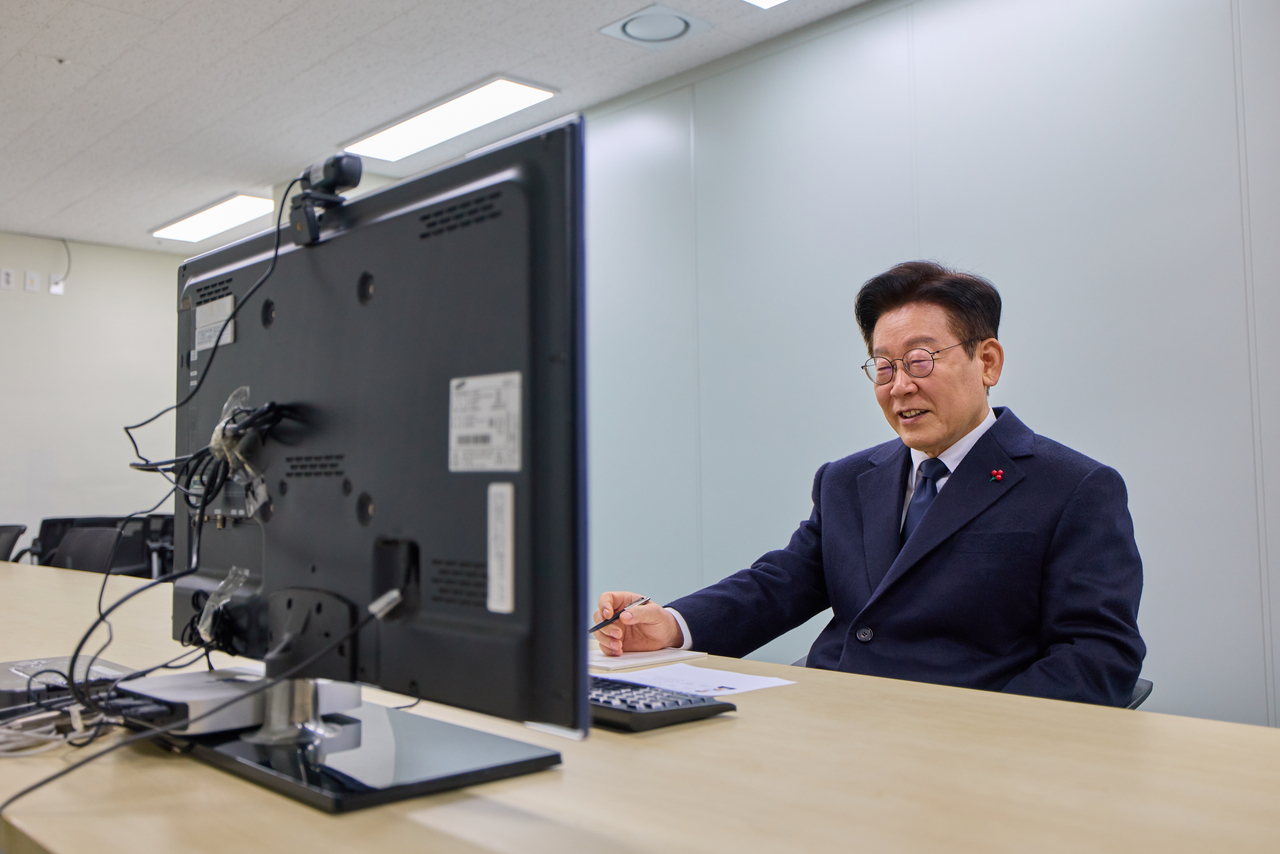
President Lee Jae Myung had earlier directed the TF to "actively spread the word in Southeast Asia that anyone who targets Koreans will face ruin," warning that transnational crime "is destroying people's lives and growing increasingly sophisticated."
A government official said it was the administration's policy to "firmly imprint on transnational criminal organizations the president's message that those who make South Korean citizens their targets will inevitably pay the price," adding that the government would "marshal all of its capabilities until transnational crime threatening the lives and property of the people is eradicated, backed by the president's strong resolve and close cooperation among relevant agencies."
arin@heraldcorp.com