- AI-powered platform to recommend promising technologies and identify potential corporate partners and markets
- Thursday forum to connect participants with network of more than 9,000 companies
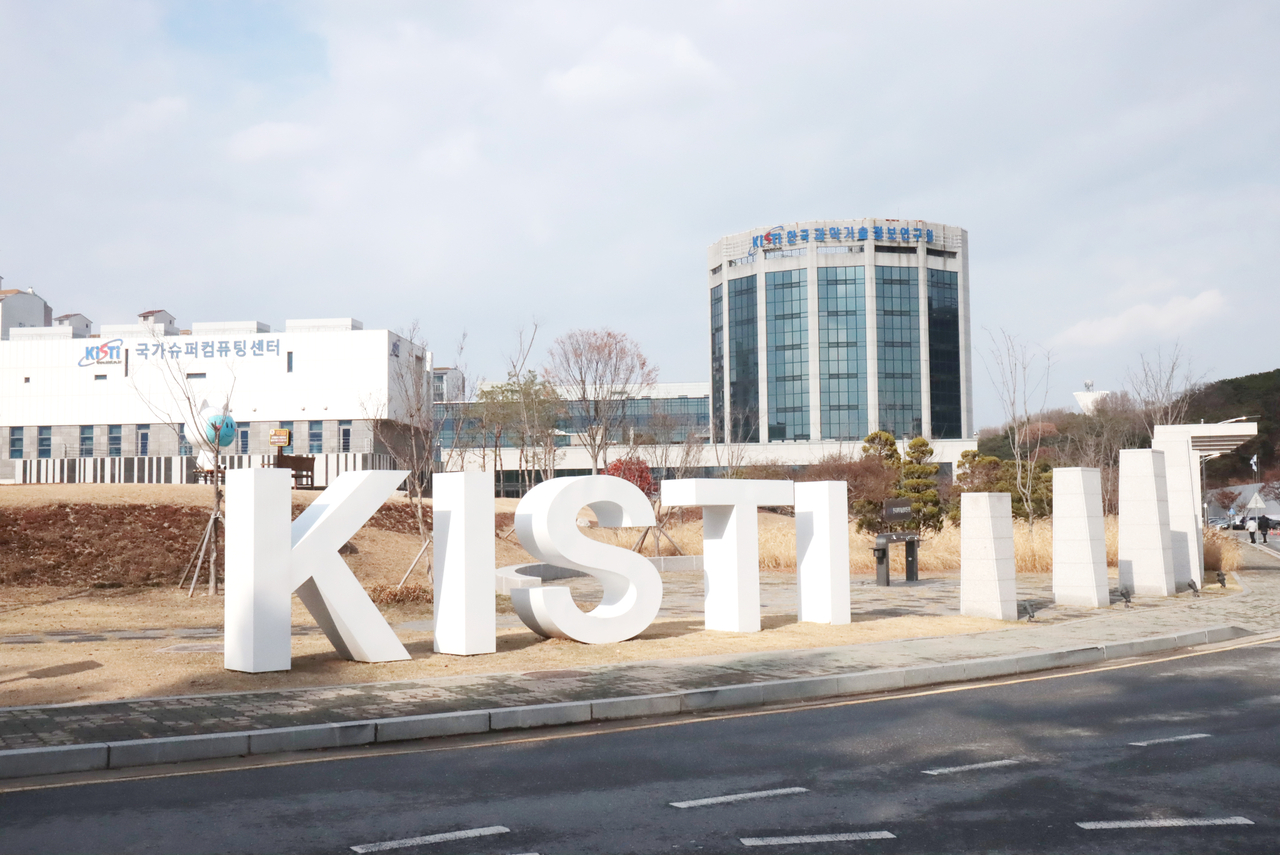
An AI-powered technology commercialization platform that matches companies with relevant national research and development outputs — and identifies potential corporate partners and markets for those technologies — is set to launch in earnest.
The Korea Institute of Science and Technology Information announced Wednesday that it will officially unveil Apollo 2.0, an AI-based technology commercialization platform, at the 2026 Science and Technology Commercialization and ASTI Leaders Forum, to be held Thursday at the JW Marriott Dongdaemun Square in Seoul.
The forum will be held under the theme "AI transformation and science and technology commercialization: turning national R&D outcomes into growth engines for companies and regions." About 200 experts and officials from industry, academia, research institutions and government are expected to attend.
At the center of the event is Apollo 2.0, an AI-based technology commercialization analysis platform developed by KISTI. Its goal is to ensure that national R&D outcomes do not remain confined to laboratories but instead feed into product development and new business creation at companies.
Apollo analyzes a company's technological capabilities and characteristics to recommend national R&D outcomes with high commercialization potential. Conversely, searching for a specific research output surfaces companies that could use the technology, along with applicable products and markets.
The idea is to use AI to reduce the burden that has traditionally fallen on companies — which had to search for needed technologies one by one — and on researchers, who had to identify potential corporate partners on their own.
KISTI also plans to link Apollo 2.0 with the Association of Science and Technology Information (ASTI) to support AI transformation in regional industries.
ASTI is an industry-academia-research cooperative network comprising more than 9,000 companies and over 14,000 members. Under the arrangement, Apollo will use data and AI to connect technologies with companies, while ASTI will identify real demand from regional businesses and help translate that into commercialization.
The forum will also showcase success stories in which collaboration between the two organizations led to public technology transfers and the identification of new business opportunities.
The keynote address will be delivered by Jung Hee-kwon, chairman of the Research and Development Special Zone Foundation, speaking on the theme "In the era of AI transformation, turning national R&D outcomes into growth engines for regions and industries."
Jung Ji-sung, chief executive of SOS LAB, will then discuss the public technologies and commercialization support that deep tech companies need, followed by Kim Young-rok, chief executive of Next Challenge, who will address the importance of talent in determining deep tech competitiveness.
"By combining the capabilities of the newly launched Apollo 2.0 with ASTI's corporate support network, we aim to open a new chapter in the dissemination of national R&D outcomes," KISTI President Lee Sik said. "We hope this will serve as a catalyst for the domestic science and technology commercialization ecosystem to take a significant leap forward through AI and the digital transformation of regional industries."
nbgkoo@heraldcorp.com