Professor Kim Kwang-su's team completes first personalized stem cell transplant surgeries in 2017 and 2018; follow-up trial targeting eight patients now underway; KIOST explores marine biotech materials for stem cell research
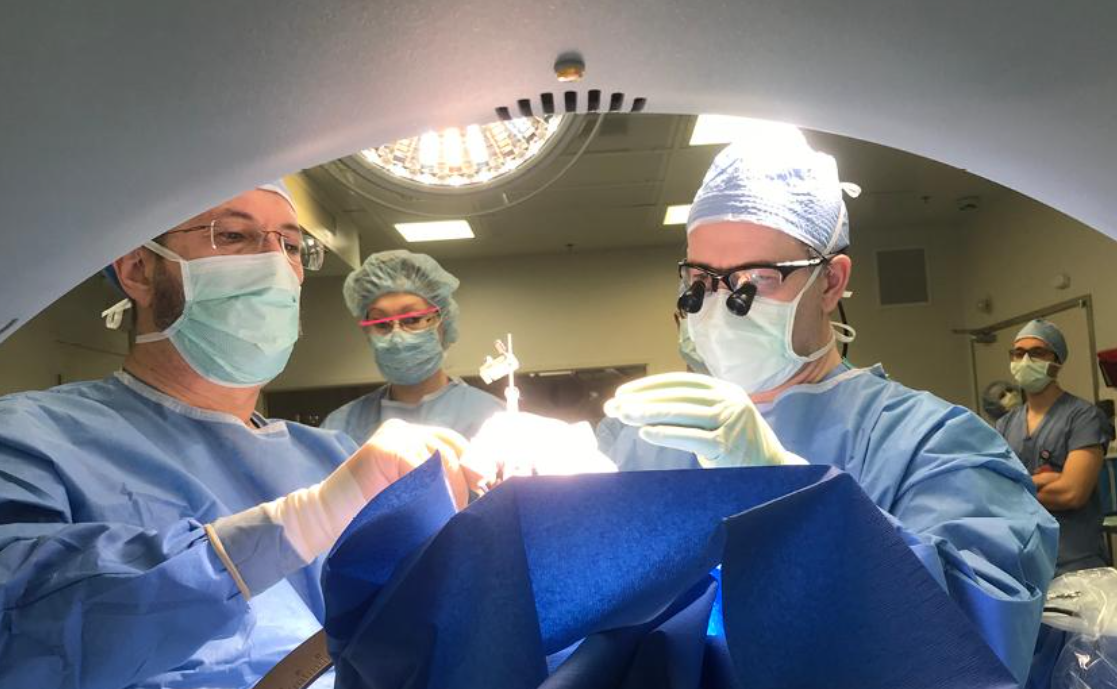
A treatment that converts a Parkinson's disease patient's own skin cells into cells capable of growing into brain neurons — and then transplants them back into the patient's brain — has entered the clinical research stage. Unlike conventional drug therapies, which focus on compensating for depleted dopamine, the approach aims to replace damaged neurons with new ones. The research team that successfully carried out the transplant in a real patient is now conducting follow-up clinical research with the goal of treating eight patients.
The Korea Institute of Ocean Science and Technology (KIOST) said Wednesday that it hosted a special seminar at its Jeju research institute on Monday, inviting Harvard Medical School Professor Kim Kwang-su to share findings from his Parkinson's disease stem cell treatment research.
Kim directs the Molecular Neurobiology Laboratory at Harvard's McLean Hospital and led research using induced pluripotent stem cells (iPSCs) derived from patients' own cells to transplant dopaminergic neuron precursor cells into Parkinson's patients. Precursor cells are cells at a stage before they have matured into cells with a specific function.
Parkinson's disease is a degenerative neurological disorder caused by the gradual loss of dopaminergic neurons in the brain, which regulate body movement. Its hallmark symptoms include tremors in the hands and feet and slowed movement. Current drug treatments focus on compensating for the loss of dopamine.
Kim's research team collected cells from a patient's skin and reprogrammed them into iPSCs capable of differentiating into multiple cell types. These were then differentiated into precursor cells that can grow into dopaminergic neurons and transplanted into the patient's brain — an attempt to restore the function of damaged neurons using the patient's own cells.
The team performed two cell transplant surgeries on a single Parkinson's patient, on Sept. 8, 2017, and March 7, 2018. The team subsequently tracked the condition of the transplanted cells and changes in the patient through brain imaging and neurological examinations. The findings were published in 2020 in the New England Journal of Medicine.
A defining feature of the research is that it used the patient's own cells rather than those of a donor. The team carried out the personalized cell transplant without immunosuppressants. However, because the study involved only one patient, the safety and efficacy of the treatment have not been fully established.
Building on these results, the team is expanding its clinical research. According to Kim's seminar presentation materials, a clinical study using patients' own stem cells is currently underway with the goal of treating eight Parkinson's patients. The process involves producing cells for each patient individually, then verifying genetic stability, quality and safety before transplantation.
The team had earlier succeeded in generating clinical-grade iPSCs from four Parkinson's patients. In experiments transplanting dopaminergic neurons differentiated from these cells into mice, no adverse effects were observed for up to nine months. However, the effectiveness of the transplanted cells varied from patient to patient.
For the approach to develop into a viable treatment, researchers must confirm how long the transplanted cells survive in the brain and whether they function normally. Kim's team is also paying close attention to the possibility that tissue damage and immune responses during the cell injection process may hinder the survival of transplanted cells.
A study the team contributed to, published in Nature in 2023, suggested the possibility of regulating the immune response that arises during cell transplantation. In a Parkinson's animal model, co-transplanting regulatory T cells that suppress immune responses improved the survival rate of dopaminergic neurons and the recovery of motor function. Whether the same effect would occur in humans requires further verification.
In his presentation materials, Kim said the safety and efficacy of the treatment cannot be established on the basis of a single transplant case. For cell transplantation to become a standard treatment for Parkinson's disease, he said, long-term safety and therapeutic effectiveness must be confirmed in a larger number of patients.
The seminar also addressed the potential applications of marine organism-derived materials alongside the stem cell treatment research findings. KIOST is currently working through a project to develop marine biotech materials capable of regulating stem cell proliferation and differentiation, with the aim of domesticating and commercializing such materials derived from marine life.
KIOST plans to draw on Kim's team's experience in cell therapy research and explore the possibility of applying materials discovered from marine organisms to stem cell research. Applying marine biotech materials to Parkinson's disease treatment, however, remains at the stage of examining research feasibility.
KIOST President Lee Hee-seung said the seminar would be "a meaningful opportunity to share the research achievements and experience of a world-class stem cell scholar and to explore new potential applications for marine-derived materials." He added that "if researchers from the two fields of ocean science and medicine continue to collaborate, we will be able to find new solutions from the sea to protect human health."
adastra@heraldcorp.com