The district is expanding its garden program beyond planting to include reading, rest and cultural activities, with resident-led management at its core — centered on the Odong Mulbit Garden and a forest library
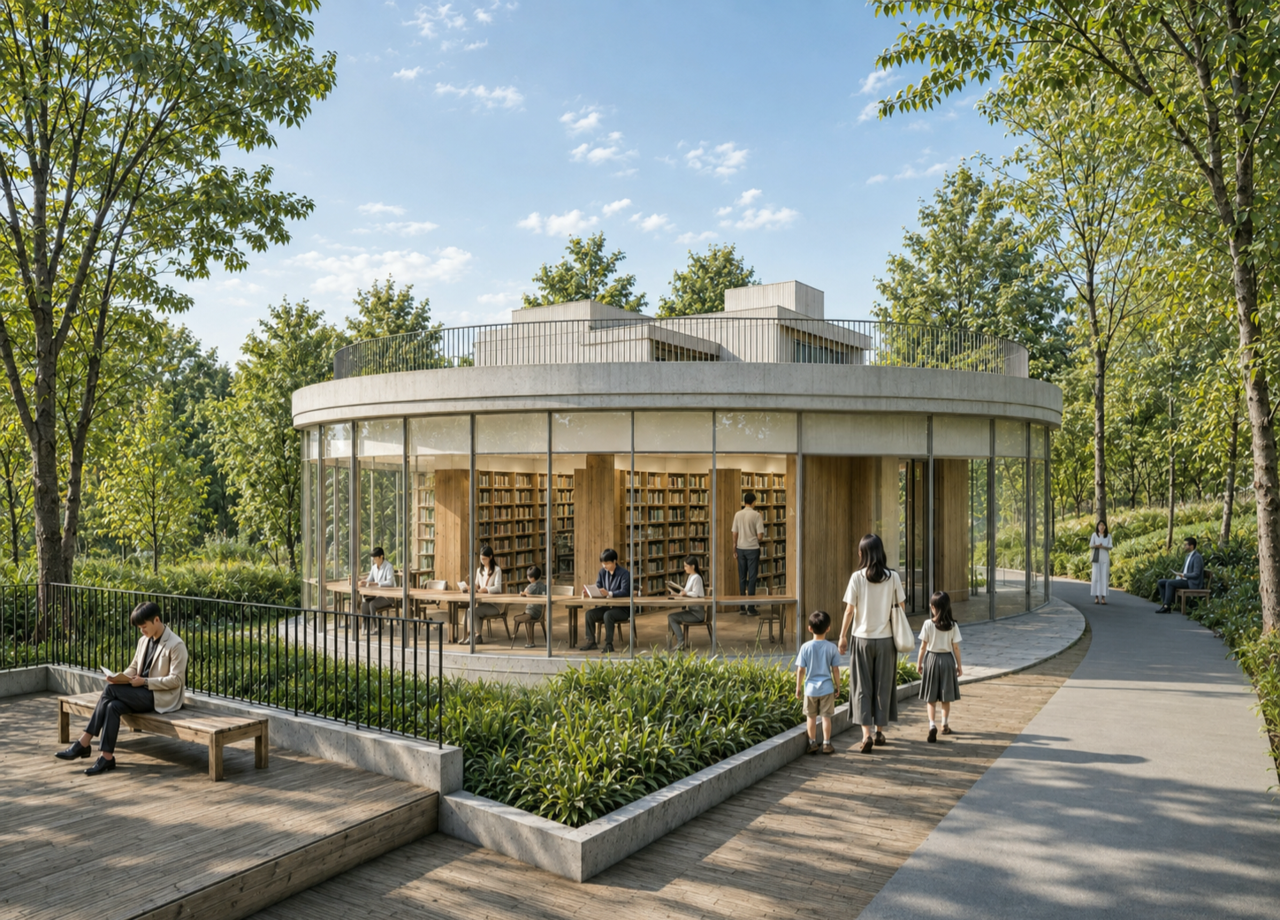
Seongbuk-gu in Seoul is pushing ahead with "Garden Phase 2," an initiative that expands its garden development program to encompass reading, rest and cultural activities, with residents taking an active role in ongoing management.
The vision is to transform gardens from spaces people simply admire into living spaces where residents linger and tend to the greenery themselves.
The district said it will open a family garden festival, "Seongbuk Gadeuk Garden," at Gaeunsan neighborhood park on Saturday and Sunday, using the event to share the new direction of its garden program with residents. Running from 11 a.m. to 5 p.m. both days, the festival will feature a garden concert, hands-on activity programs, a garden library, forest recreation and a "Seongbuk Garden Fairy Hunt."
On Sunday at 2 p.m., a talk concert will be held under the theme "Urban Gardens Found on Site — Bringing Culture into the Garden." Lee Su-yeon, a professor in the Department of Environmental Horticulture at the University of Seoul, garden writer Oh Kyung-ah and Seongbuk-gu District Mayor Lee Seung-ro will join as panelists to discuss how gardens can be used, operated and managed after construction, and how residents can be brought into the process.
The heart of Garden Phase 2 is what happens after a garden is built. The program moves beyond planting flowers and trees to address what residents actually experience in a garden and who will care for it over time.
The Odong Mulbit Garden and the Odong Forest Library at Odong neighborhood park illustrate this approach. The Odong Mulbit Garden is a waterfront garden built by repurposing an existing concrete waterway and rocky slope. From January 2023 to May 2025, the district developed a roughly 2,000-square-meter site to include a 126-meter stream, an ecological pond, a nectar garden, a moss garden and a wall waterfall.
The Odong Forest Library converted a decommissioned wood-chipping facility into a space for reading and rest. The district is also pursuing a reading rest area at Gaeunsan, expanding the network of spots where residents can read and relax amid forests and gardens.
Resident-led activities linking gardens to cultural events have also been taking shape. At a global cultural exchange event titled "The Happiest Forest with Books," held at the Odong Mulbit Garden on Sept. 12 and 13, community gardeners Kim Yeong-hui and Choi Eun-hui ran a hands-on booth where visitors made eco-friendly acorn planters.
The resident base for garden stewardship is being built through a community gardener training and support program. Training runs once each in the first and second halves of the year, with each cohort completing a 10-session course. Participants receive classroom instruction on tree and plant care alongside hands-on practice in garden design and planting; after completing the course, they go on to create and maintain neighborhood gardens and lead gardening workshops for local residents.
From the first half of 2025 through the first half of 2026, a total of 39 people have completed the first through third cohorts. This year's second-half cohort — the fourth — has 20 participants currently in training. Graduates have been involved from planning through planting and upkeep in creating Garden No. 1 and No. 2 along Seongbuk Stream and Garden No. 3 at the cafe terrace of the Arirang Cine Center.
"Seongmajeong," the alumni group of the first cohort, took part this year in Seongbuk-gu's community-building grant program, running a "Make Your Own Companion Plant" class at the Wolgok 1-dong community center and a "Recycled-Cup Garden" workshop at the Jeongneung stream market. Gardener Kim Mi-seon also led a planter-making program at the Gireum 2-dong Saemaul library in August, sharing plant care tips with local residents.
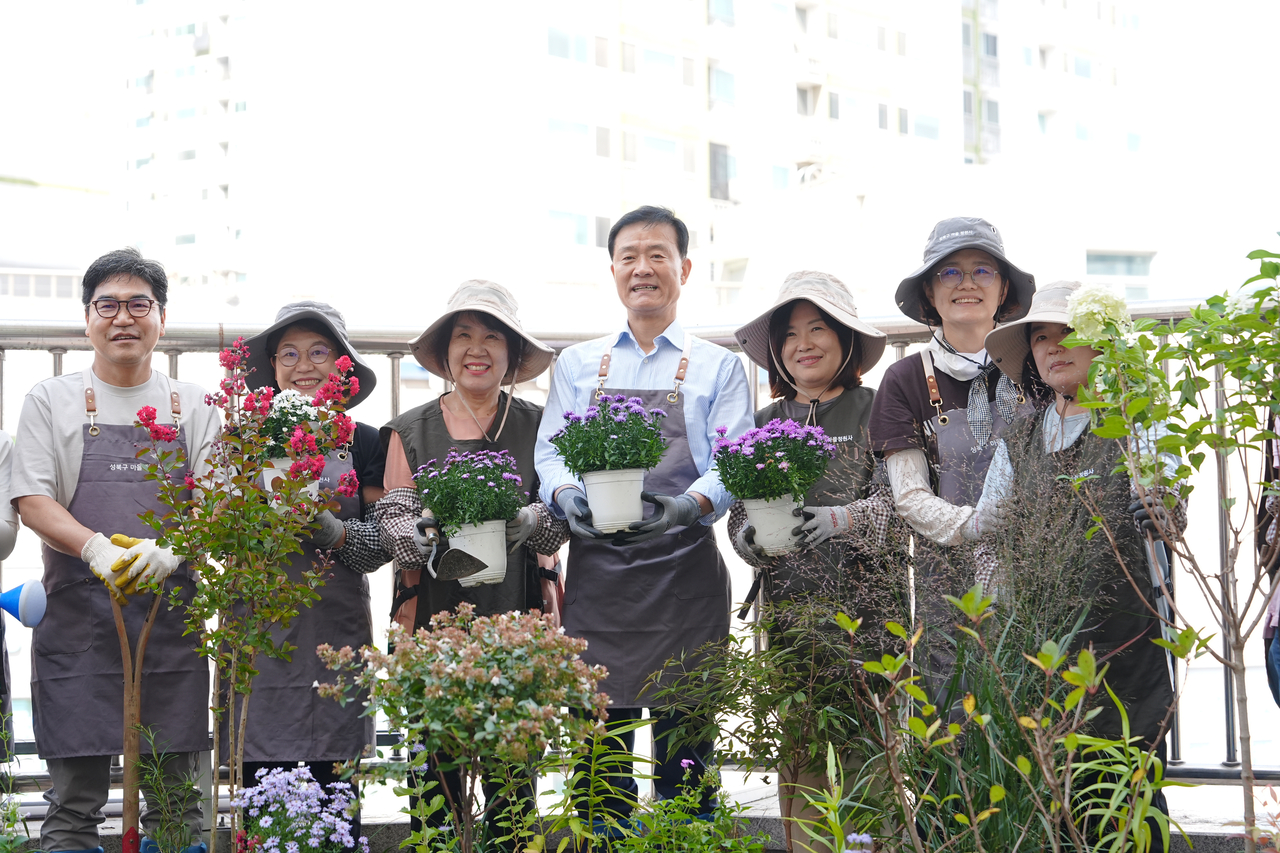
Seongbuk-gu plans to expand its neighborhood garden development projects in partnership with community gardeners and to support residents in moving beyond simply using gardens to actively tending them and sharing the experience with neighbors.
"A garden should be more than a place to admire flowers and trees — it should be an everyday space where residents read, rest and meet their neighbors," District Mayor Lee Seung-ro said. "Through Garden Phase 2, where residents grow and care for the gardens themselves, we will add cultural and community value to our green spaces and ensure that everyone can enjoy nature close to home."
seouldream01@heraldcorp.com