Americas oil output seen rising 10% over two years
Canada, Brazil set production records this year
Tens of billions of dollars flow into Argentina, Venezuela
OPEC's pricing power seen weakening as supply diversifies
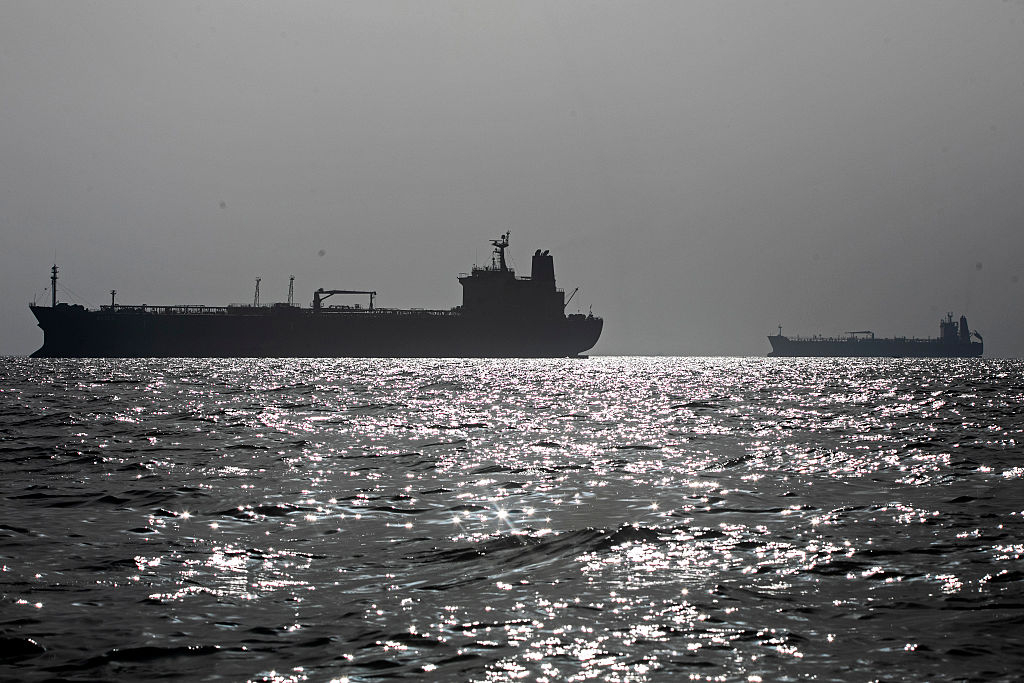
Oil-producing nations in the Americas are reaping the benefits of disrupted Middle Eastern supply as the war with Iran drags on. Energy demand is shifting away from the geopolitically volatile Middle East toward the Western Hemisphere, pushing output to all-time highs and drawing a wave of large-scale investment. Analysts say the shift is beginning to reshape the global oil supply structure that the Middle East has long dominated.
According to the Financial Times on Tuesday (local time), instability in oil shipments through the Strait of Hormuz has accelerated the Americas' emergence as an alternative energy source to the Middle East.
Energy research firm Rystad Energy projects that combined oil production across North and South America will rise 10 percent over the two years from 2024 through the end of this year. Canada and Brazil have already set new production records this year, while US exports of crude oil and refined products such as diesel have climbed 15 percent.
Venezuela and Suriname are also expected to see significant output gains, driven by expanding investment from Western energy companies.
The surge of interest in the Americas reflects concern that Middle Eastern supply disruptions could persist. As military tensions around the Strait of Hormuz continue, oil-importing countries have moved to diversify their sources of supply.
The trend goes beyond simply purchasing oil from the Americas. A growing push to invest directly in oilfield development and production facilities is committing capital to long-term capacity expansion in order to secure stable supply.
Argentina has emerged as one of the primary beneficiaries.
French energy company TotalEnergies announced this month that it would invest $10 billion in offshore oilfield development and existing onshore gas projects in Argentina.
Harold Hamm, a prominent figure in the US shale industry, also unveiled plans for a multibillion-dollar drilling project in Argentina's Vaca Muerta formation, one of the largest shale deposits in the world.
US oil major Chevron plans to invest $13.8 billion in Vaca Muerta over the next decade, with the aim of tripling its oil output in Argentina.
At the El Trapial field in Vaca Muerta, Chevron increased daily production eightfold over the past three years, from 5,000 barrels to 40,000 barrels.
Foreign capital is also flowing into Venezuela. Abu Dhabi National Oil Company, the UAE state oil firm, along with global energy companies Shell and BP, have signed preliminary investment agreements with Venezuela.
Chevron plans to invest $7 billion in Venezuela over the next five years, with the goal of expanding local production to around 600,000 barrels per day.
Venezuela's oil output has already risen 10 percent this year, reaching roughly 1.2 million barrels per day. The country's oil industry, long hampered by aging infrastructure and chronic underinvestment, is now accelerating its recovery on the back of incoming foreign capital.
Canada, which carries relatively lower political and investment risk, is also attracting substantial funds.
Last month, a consortium led by Shell announced an investment of more than $20 billion to double the production capacity of a liquefied natural gas facility in western Canada.
Canada's stable political environment and existing energy infrastructure have made it an attractive alternative destination for companies seeking to reduce their dependence on Middle Eastern energy.
The production expansion across the Americas could also alter the influence that Middle Eastern producers wield in international oil markets.
Saudi Arabia-led OPEC and Gulf oil producers have long exercised considerable sway over global crude prices by adjusting their output levels.
However, as Argentina and Venezuela join the United States, Canada and Brazil in ramping up production, the sources of global oil supply are diversifying. Even if disruptions occur in the Middle East, production increases elsewhere could ease some of the upward pressure on prices.
"The production growth in the Western Hemisphere has weakened the pricing power of the Gulf Cooperation Council, represented by Saudi Arabia," said Schreiner Parker, an analyst at Rystad Energy.
He added that "Venezuela, Argentina, Guyana, the United States and Canada will all come to exert a degree of influence" over global oil markets.
However, analysts caution that rising Americas output is unlikely to fully replace Middle Eastern oil, given the significant time and capital required to develop new fields and expand production infrastructure.
Even so, the prolonged geopolitical instability in the Middle East is visibly redirecting investment by oil-importing countries and global energy companies. Should the Americas' production expansion continue, analysts say it could bring lasting changes to both the Middle East-centered oil supply structure and the way international crude prices are determined.
sjy@heraldcorp.com