A study of 2,024 cancer survivors by Samsung Medical Center found 14.3% gained weight after treatment, with that group more than twice as likely to report difficulty managing their weight. Researchers say tailored support — including digital health tools — is needed based on each patient's weight trajectory.
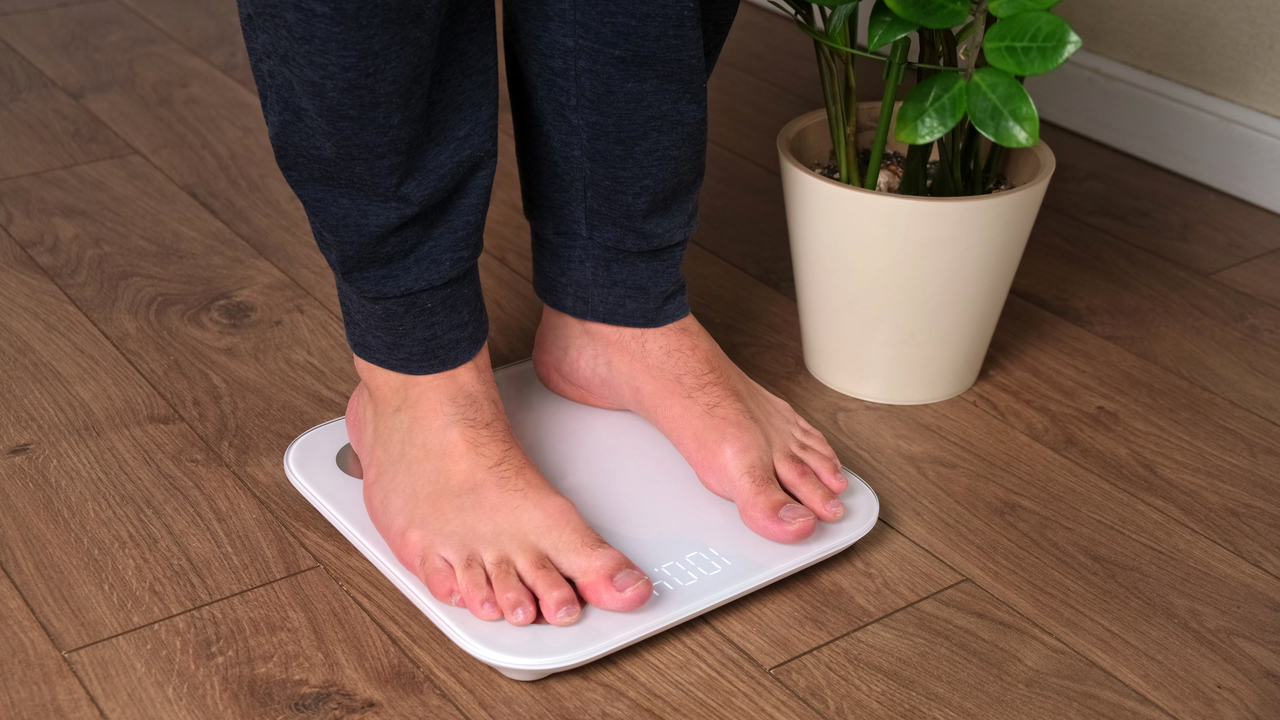
A research team led by professors Shin Dong-wook and Choi Hye-rim of the Cancer Survivors' Quality of Life Research Institute at Samsung Medical Center conducted an in-depth study on unmet weight-management needs among 2,024 cancer survivors in the re-adaptation period — defined as two months to two years after surgery — as they returned to daily life following treatment. The findings were published in a recent issue of the international journal Cancer Medicine (impact factor: 3.1).
The study found that 36.8 percent of participants (744 people) had lost weight compared with their pre-diagnosis weight, while 48.9 percent (990 people) saw little change. The remaining 14.3 percent (290 people) actually gained weight. The tendency to gain weight was particularly pronounced among employed women under 50, as well as among patients with breast or gynecological cancers.
Patients who gained weight were far more likely to report difficulty managing it. Among those who lost weight, 29.6 percent said weight management was not going well; the figure was similar at 30.1 percent for those who maintained their weight. Among those who gained weight, the rate jumped to 63.5 percent — more than double. After adjusting for variables such as age and comorbidities, the weight-gain group showed 3.4 times the unmet need for weight management compared with those who maintained their weight, suggesting a large share of patients who gained weight after treatment feel they are failing to control it on their own.
The research team said the practical barriers to weight management differed depending on how a patient's weight had changed. Among those who lost weight, four in 10 (40.5 percent) cited a lack of reliable information on diet and exercise as the biggest obstacle.
Among those who gained weight, four in 10 (40.2 percent) said the hardest part was giving up the pleasure of eating. Other barriers included disliking exercise (26.6 percent), not knowing how to adjust diet or exercise routines (26.6 percent), and side effects from treatment or medication (23.9 percent).
The research team said patients who lost weight need accurate nutrition and exercise information, while those who gained weight need support to help regulate appetite and eating habits. More than half of cancer survivors in the weight-gain group (54.8 percent) said they would be willing to use digital health tools — such as online services or mobile apps — accessible anytime and anywhere in daily life. About 40 percent of survivors in each group said they preferred being connected to specialist medical staff at a local clinic or their treating hospital for weight management support.
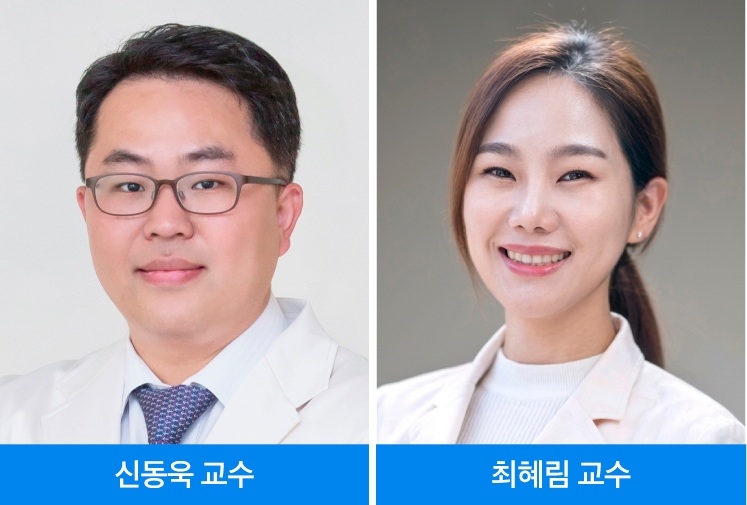
Lead author Choi Hye-rim said cancer survivors who gain weight often appear to be recovering well on the outside and have received less attention in clinical settings, but in practice they were experiencing the greatest difficulties. "Weight gain after cancer treatment can raise the risk of recurrence, secondary cancers, and cardiovascular and cerebrovascular disease," she said. "Weight changes should be monitored and actively managed from the moment treatment ends."
She added that female cancer survivors, who are particularly prone to weight gain, often struggle to consistently participate in hospital programs while juggling work, treatment and family responsibilities. "Digital-based management tools that can be used easily in everyday life could be a realistic alternative," she said.
Shin Dong-wook, who led the research, said cancer survivors find it hard to give up the pleasure of eating, and suggested that obesity medications such as GLP-1 agonists could help in such cases. "Studies are increasingly showing that these drugs not only help with weight loss but may also improve cancer prognosis itself," he said, recommending that patients consult a specialist at a local clinic or the relevant department. The research was supported by the Cancer Survivors' Quality of Life Research Institute at Samsung Medical Center.
kty@heraldcorp.com