Zoo to focus on native species including Asiatic black bears in bioclimatic habitats
Animal species to drop from 59 to 33; open enclosures to expand from 23% to 60% of space
Seoul Children's Grand Park zoo in Neung-dong, Gwangjin-gu, is preparing for a major overhaul. The zoo plans to cut its animal species from 59 to 33 while more than doubling the space devoted to open enclosures, transforming itself into a welfare-focused "forest zoo."
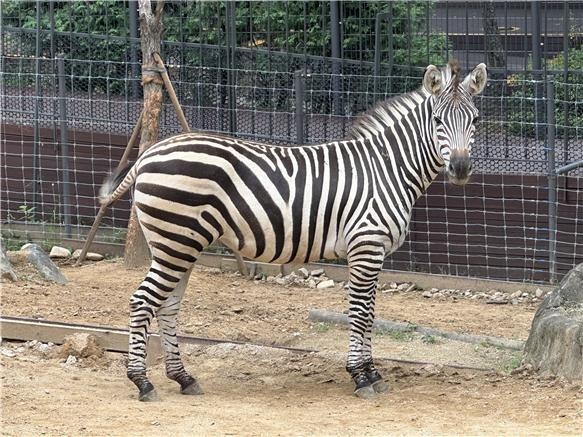
Lions and tigers have already been relocated to Busan, and Sero — the zebra who became a national sensation after escaping in 2023 — recently moved to Seoul Grand Park. Elephants are set to leave the park next year.
Seoul Facilities Corporation, which operates the park, said the redevelopment project will cost about 28.5 billion won ($21.2 million), with a target completion date of December 2028.
Through its "Zoo Redevelopment Plan" released this year, the corporation said it would shift the zoo's operating philosophy away from what it called "department store-style exhibition" — displaying as many species as possible — toward an animal welfare-centered approach. The two core goals are expanding the space available to animals and recreating environments that resemble their natural habitats.
The number of species will fall from 59 to 33 after the redevelopment. At the same time, the share of the zoo's total area given over to open enclosures will grow from 23 percent to more than 60 percent. Rather than cramming many species into tight quarters, the zoo intends to give a carefully selected group of animals ample living space in surroundings that closely mirror their native habitats.
Relocations are already underway. A Bengal tiger, a lion, a hamadryas baboon and three Anubis baboons were transferred to Busan City Zoo, which is preparing to open July 30 of this year. Eleven penguins, two black ibises and a crane moved to Gwangju Uchi Zoo. Remaining cranes, herons and pig-tailed macaques are also preparing to move to other zoos.
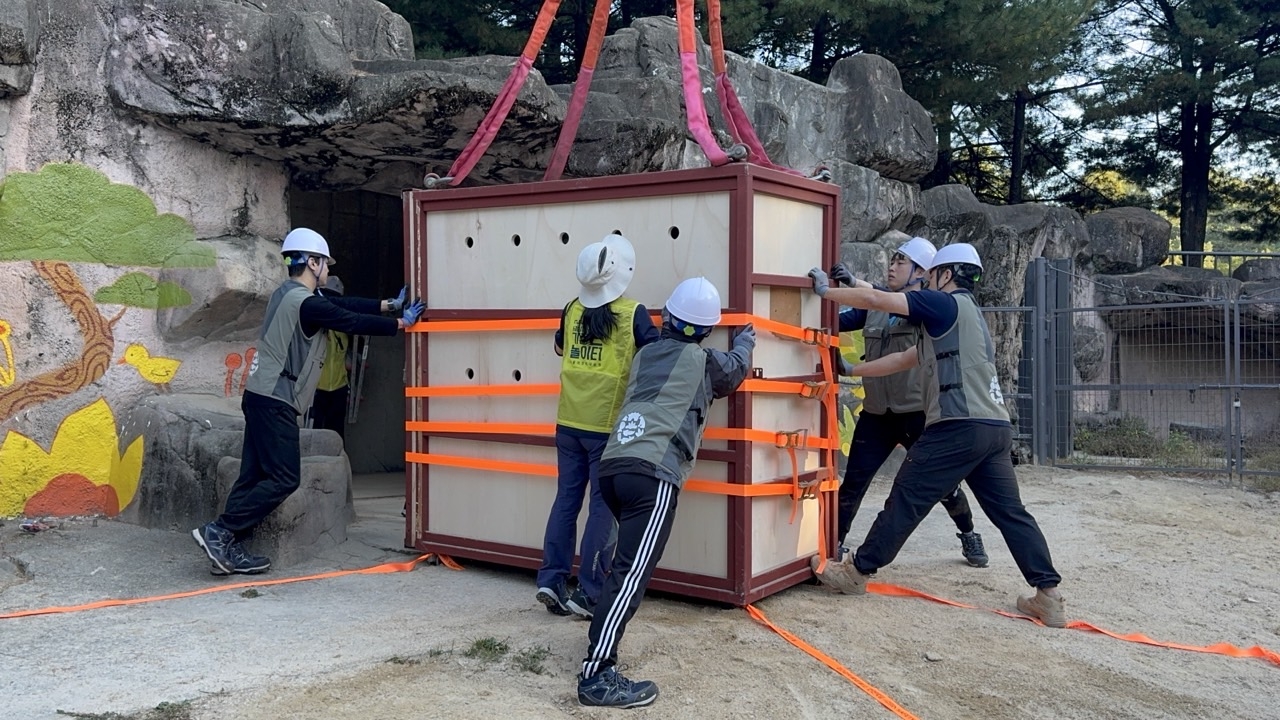
Sero, the zebra who once roamed central Seoul and captured the country's attention, moved to Seoul Grand Park on Oct. 8. The male zebra escaped from his enclosure at the children's park in March 2023 and wandered through residential streets before being recaptured, becoming famous nationwide. His escape also prompted a broader public reckoning with the zoo's animal husbandry conditions and welfare standards.
Sero is currently adjusting to his new surroundings and is expected to be housed with a female zebra already living there. Depending on whether the two are eventually kept together and whether they breed, any offspring could be sent to the children's park, or Sero himself could return.
The park's signature elephants are also scheduled to move next year to a zoo with more spacious facilities. Once the redevelopment is complete, lions, tigers and elephants will no longer be on view at Seoul Children's Grand Park.
New arrivals will take the place of those departing. The park is pursuing procedures to bring in Amur leopards through a European species conservation program. Native species — including lynx, Asiatic black bears and leopard cats — are also planned as part of the new zoo's lineup, alongside animals previously kept at the park.
The zoo's layout will also be reorganized. The current nine zones — grouped by animal taxonomy, such as predator house, herbivore house, monkey house and waterfowl house — will give way to four bioclimatic spaces: savanna, tropical forest, Asian temperate forest and grassland. Animals will be grouped by the ecosystems they naturally inhabit.
The shift is also driven by a practical deadline: under the Ministry of Environment's new zoo licensing system, the facility must meet tightened standards for infrastructure and animal welfare by the end of 2028.
The corporation completed a master plan and investment review last year and is now carrying out follow-up procedures, with a design competition set to launch in early next year.
"The original target is the end of 2028, but given the remaining steps involved, we expect the redevelopment to be completed around 2029 or 2030," a zoo official said. "We will prepare carefully to create a forest-style zoo where both animals and visitors can feel at ease."
ikson@heraldcorp.com