Soaring prices, deteriorating schools and economic hardship brought 550,000 people out; protests spread to 1,750 locations, leaving 1,500 businesses looted or damaged and an 1883 city hall in ashes
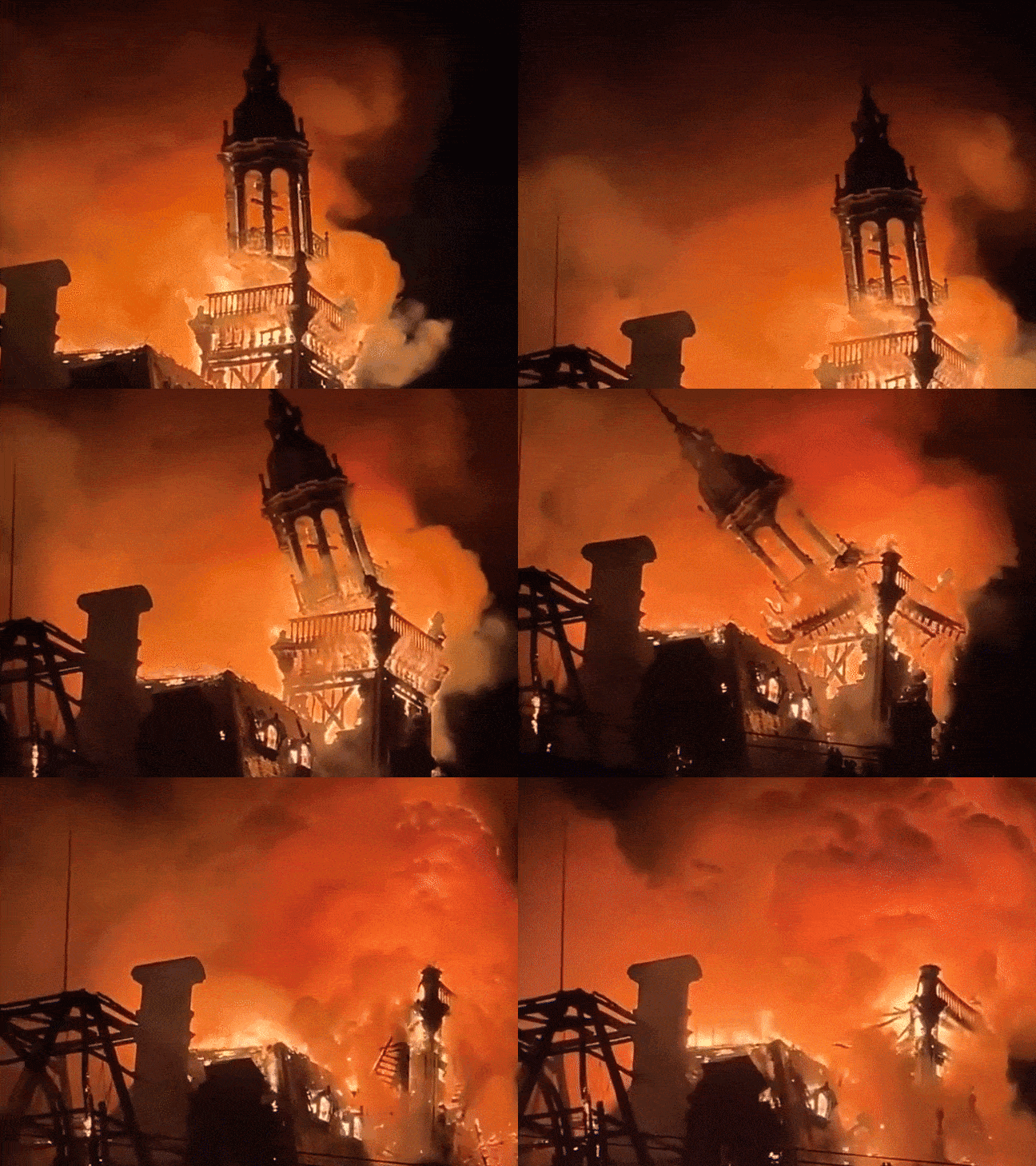
A wave of nationwide riots has drawn fire on President Emmanuel Macron's crisis management, exposing the limits of a government caught badly off guard. Students and workers poured into the streets over soaring prices and deteriorating schools, yet authorities failed to anticipate the scale of the unrest. In several cities, police exhausted their crowd-control ammunition while public buildings burned. With his approval rating already at 15 percent, Macron now faces mounting calls to answer for the security breakdown — the latest blow in a presidency battered by pension reform battles and fiscal strain.
According to France's Interior Ministry and the General Confederation of Labour, rallies were held at 1,750 locations across the country on Saturday (local time), with demonstrators denouncing the surge in living costs, the erosion of public services and the Macron government's austerity policies. The Financial Times and The Guardian reported that French intelligence services had estimated national turnout at around 100,000, yet the government's own count reached 550,000 — with organizers putting the figure at 800,000. The severe underestimate left police undermanned and unprepared for the violence that followed, critics said.
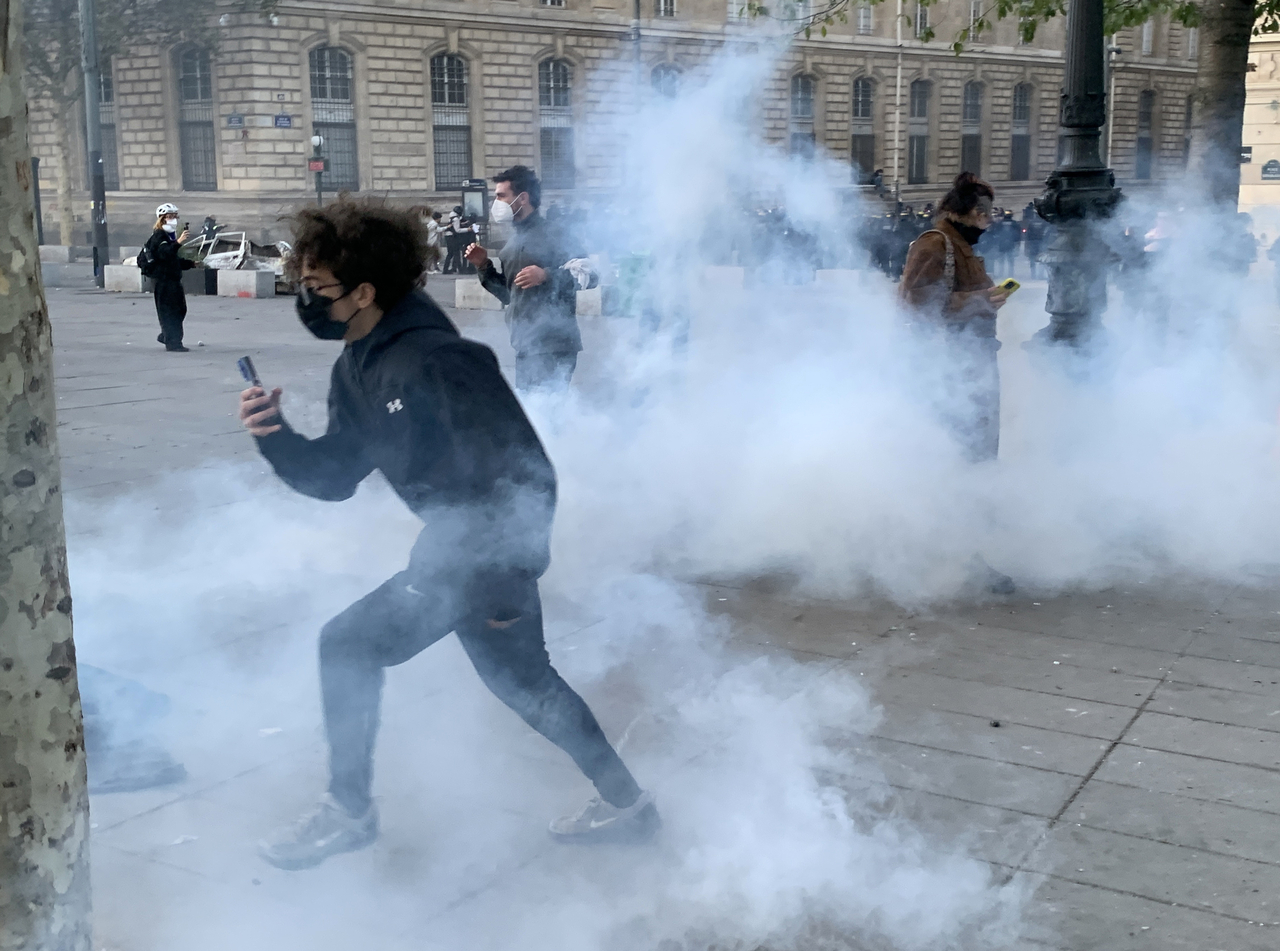
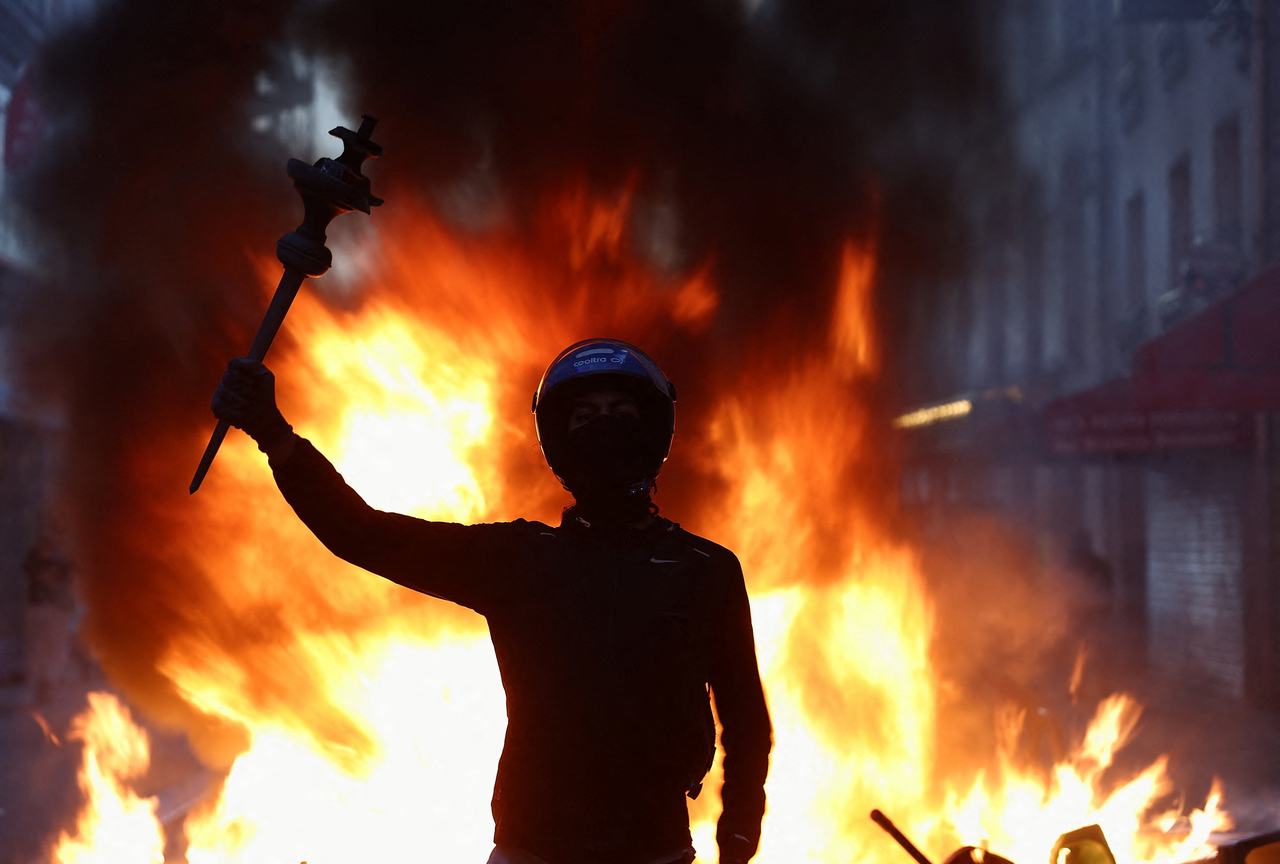
The damage was extensive. About 1,500 shops and businesses across the country were looted or vandalized. In central Paris, Galeries Lafayette, luxury boutiques including Celine and Dior, and a supermarket and mobile phone stores near Place de la République were among the main targets. Separate from peaceful marches, masked groups attacked shops and public facilities, raising serious questions about the authorities' ability to maintain order.
The unrest escalated rapidly as workers and ordinary citizens struggling with rising living costs joined students who had initially taken to the streets over deteriorating school conditions. What began as protests over teacher shortages and aging school infrastructure broadened into a wider backlash against fuel price increases and the decline of public services. Analysts said the surge in energy prices driven by the Middle East conflict added further fuel to the anger directed at the government's economic policies overall.
As with the Yellow Vest movement that erupted in 2018 over a fuel tax hike, the cost of living has again emerged as the central fault line in French society. For rural residents, farmers and transport workers who depend heavily on their cars, rising fuel costs cut directly into their livelihoods. Students demanding better school conditions joined the movement as well, pushing the protests across generational and class lines.
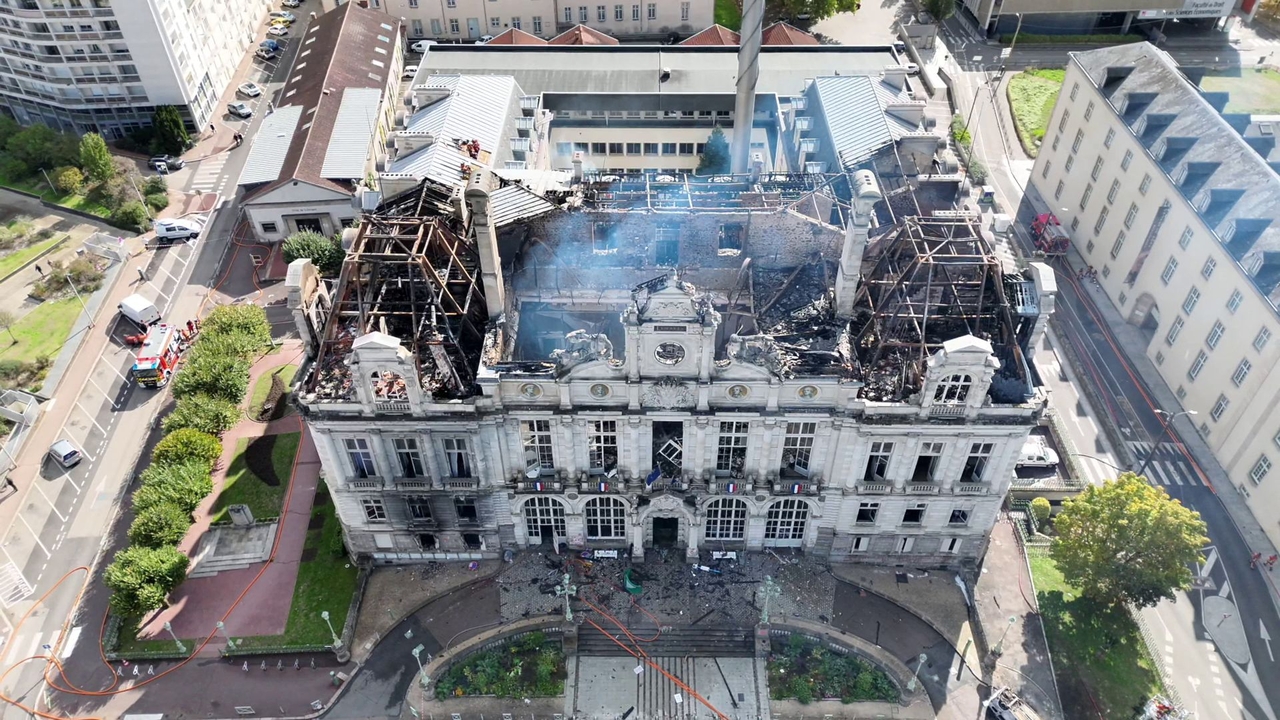
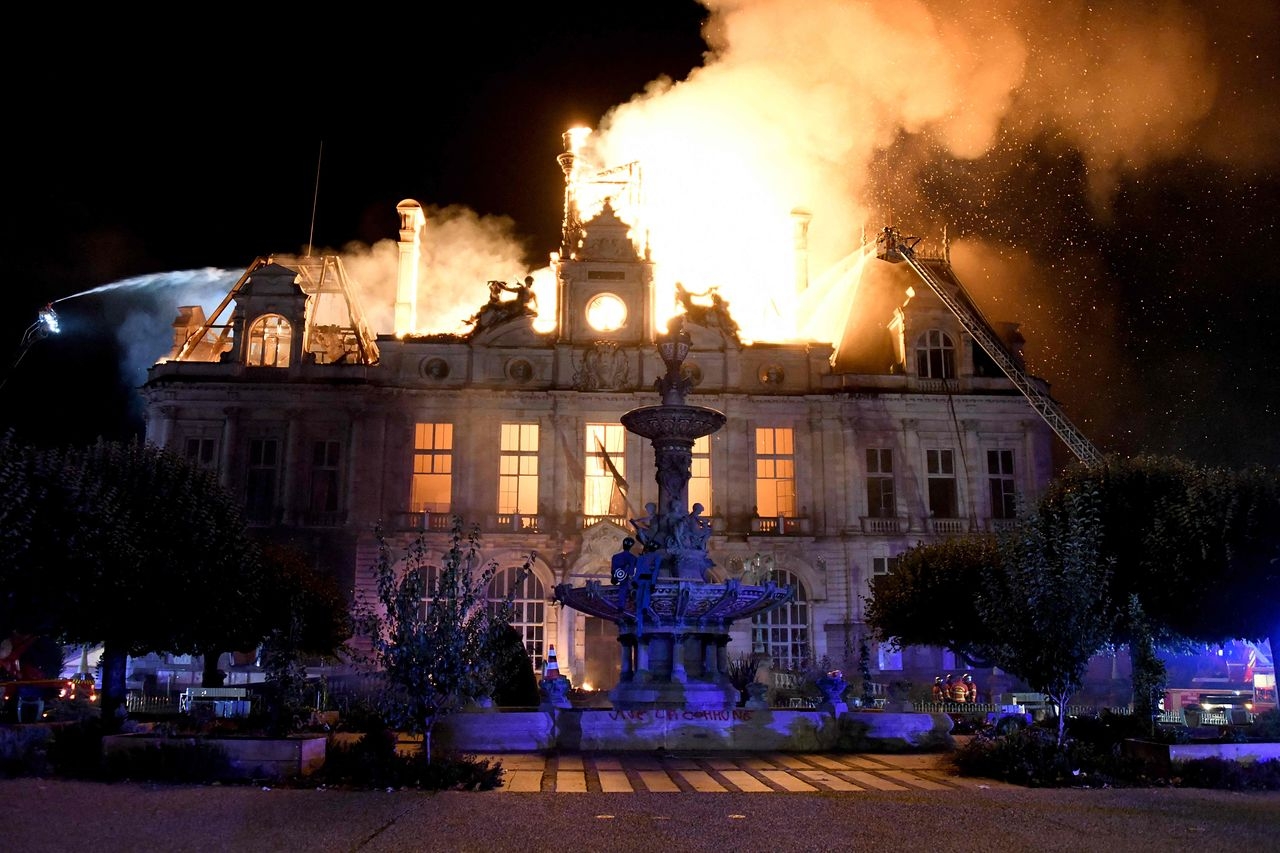
The most symbolic incident unfolded in the central city of Limoges, where the 19th-century city hall was heavily damaged by arson. Mayor Guillaume Guérin sharply criticized the police response, saying local officers ran out of crowd-control ammunition around 3:30 p.m. and were unable to stop those carrying out the violence. He called it a grave failure of the state and demanded government support for reconstruction.
Local officials argued that the central government not only misjudged the scale of the protests but also failed to respond effectively as violent actors moved and struck across the city. Some opposition figures questioned the size of the police deployment, though the Interior Ministry rebuffed those claims. A separate incident in which a teenager was seriously injured during crowd-control operations triggered accusations of both inadequate preparation and excessive force.
Beyond the security failures, the riots laid bare the political vulnerabilities of the Macron government. Since taking office in 2017, Macron has pursued structural reforms including labor market and pension overhauls, but each has met fierce social resistance and political opposition. His push to raise the retirement age from 62 to 64 triggered mass protests and a prolonged standoff. After snap legislative elections in 2024 left his camp without a parliamentary majority, the government has struggled to pass budgets and advance key policies.
The government's room to maneuver is narrowing as it tries to balance fiscal consolidation with public demands for more spending. France's national debt exceeds 110 percent of GDP, far above the EU's 60 percent threshold. While the government must rein in its deficit, citizens are calling for greater investment in education, welfare and public services. Pushing ahead with structural reforms stokes social backlash; delaying them allows fiscal pressures and sluggish growth to compound.
Political recriminations over the riots have been swift. Marine Le Pen of the far-right National Rally criticized the government's security response, while Jean-Luc Mélenchon of the hard-left France Unbowed said the government's lack of preparation had amplified the chaos. Prime Minister Le Cornu pushed back, saying it was unfair to lay the blame on police commanders.
Macron's political standing was already fragile before the riots. An Ipsos poll conducted beforehand put his approval rating at just 15 percent, with Prime Minister Le Cornu faring only slightly better at 22 percent. With a presidential election next year, the government's handling of the crisis is fast becoming a defining political issue.
The social tensions that have simmered since the 2018 Yellow Vest protests — now compounded by high prices, school conditions and frustration over stalled reforms — have erupted into large-scale unrest, deepening the burden on the Macron government. With the security failures drawing fire alongside broader criticism of economic and social policy, political divisions in France are sharpening as the country heads toward next year's presidential election.
sjy@heraldcorp.com