- DGIST develops new compound that matches minoxidil's hair-regrowth effect in animal tests
- Korea Atomic Energy Research Institute uses corn-derived natural substance to improve hair density, confirmed in human trials
- KAIST develops technology to attach hair directly to skin without follicles, offering a new avenue for treatment
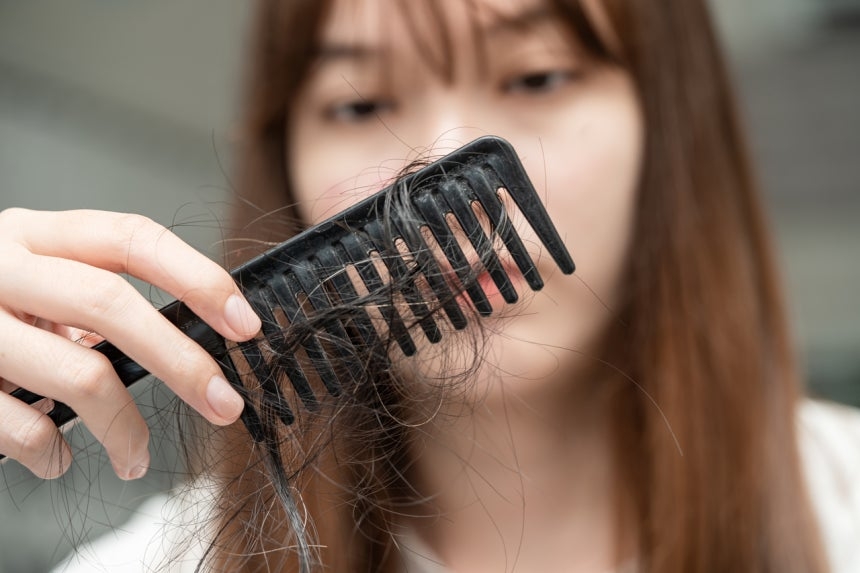
"I'm even afraid to wash my hair for fear it will fall out. I've tried medications people swear by and switched shampoos, but nothing has really worked."
Hair loss is a growing concern across all ages and genders. Once seen mainly as a problem for middle-aged and older people, it is now increasingly common among those in their 20s and 30s, fueling greater interest in treatment and prevention. About 1 billion people worldwide are affected by hair loss. According to the National Health Insurance Service, roughly 10 million people in South Korea — about one in five — suffer from the condition.
Hair loss is more than a cosmetic issue. Beyond denting self-confidence, it can affect personal relationships and social life. Many people spend considerable time and money on treatment, only to see limited results.
The most widely used treatments today are medications. Only two drugs — minoxidil and finasteride — have received FDA approval for hair loss. Both require long-term use to maintain their effects.
Minoxidil, applied topically, can irritate the skin. Finasteride, taken orally, works by regulating male hormones, which can cause sexual dysfunction in men and is restricted for women of childbearing age — significant drawbacks for both groups.
Against this backdrop, South Korean scientists are searching for new breakthroughs in hair loss treatment. A wave of research is pushing beyond conventional approaches, from novel compounds that stimulate hair regrowth to natural-substance-based therapies and a technology that anchors hair directly to the skin without follicles.
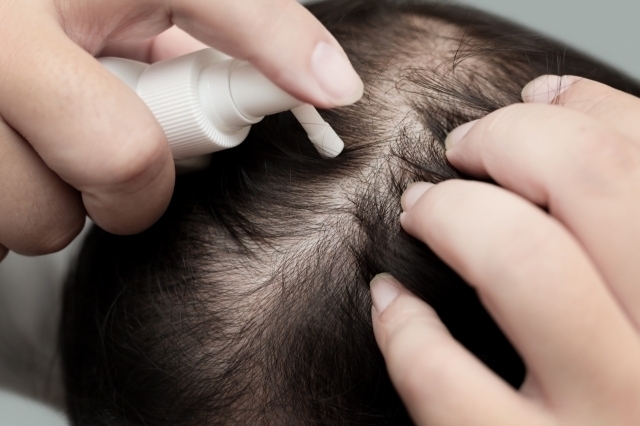
The average human scalp holds about 100,000 hairs. Between 50 and 100 strands fall out naturally each day and are replaced by new growth. When the hair growth cycle is disrupted, however, strands gradually thin and density declines, leading to hair loss.
Hair follicles cycle through growth, regression and resting phases. When a follicle in the resting phase fails to re-enter the growth phase, new hair cannot form.
A research team led by DGIST Professor Moon Je-il focused on this cycle and developed a new peptide compound called MLPH designed to stimulate hair growth.
The key is reawakening follicles that have stopped growing.
In animal experiments, the team confirmed that MLPH can shift resting-phase follicles back into the growth phase, promoting new hair formation. It produced hair-regrowth effects comparable to those of minoxidil.
The team also said no blood-cell-related side effects — a concern during the research process — were observed.
MLPH has drawn attention because it stimulates hair growth through a mechanism different from existing drugs. However, as the research is still at the animal-testing stage, further verification is needed to determine whether the same effects would occur in humans.
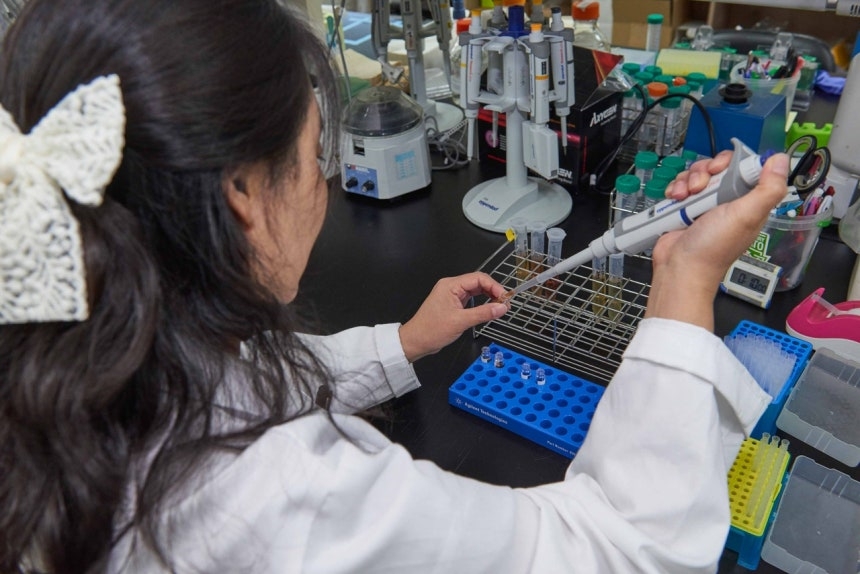
Biomaysin, a research spinoff of the Korea Atomic Energy Research Institute, has developed a functional cosmetics product for relieving hair loss symptoms using Maysin, a natural substance derived from corn.
Maysin is a natural flavonoid found in trace amounts in corn silk and centipede grass. It has strong antioxidant and anti-inflammatory properties, but its practical use had been limited because chemical synthesis is difficult.
A research team at the institute's Advanced Radiation Technology Institute became the first in the world to successfully isolate and purify Maysin from centipede grass. The team subsequently developed natural biotech techniques and process technology to increase Maysin content.
Maysin's key strength lies in its ability to activate dermal papilla cells, which play a critical role in hair growth, and to help improve the health of the scalp and follicles.
Human application trials also yielded positive results. In a 24-week product-use trial, all participants reported improvements in hair loss symptoms, crown fullness and hairline definition.
The research team said no adverse scalp reactions — such as itching or stinging — were reported during the trial period.
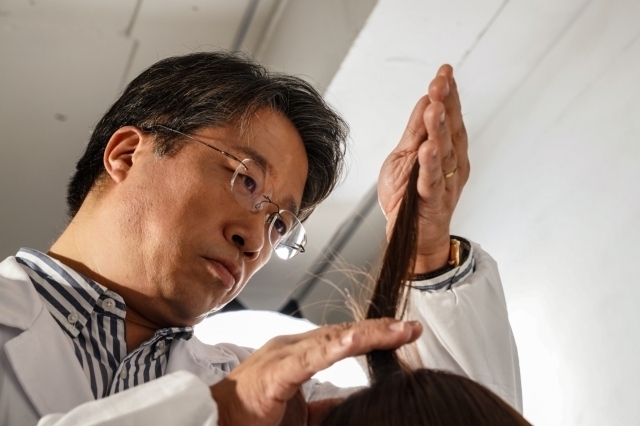
If hair simply will not grow back, what if new strands could be attached directly to the skin?
A research team led by Lee Haeshin, a distinguished professor in the Department of Chemistry at KAIST, is developing a "hair adhesion technology" that fixes individual hair strands to the skin for extended periods — without follicles.
Conventional hair transplants involve harvesting follicles from the back of the head and implanting them one by one into thinning areas. Because thousands of follicles must be transplanted in a single procedure, the surgery is lengthy and the number of available follicles is inherently limited.
The team's approach is entirely different. Rather than transplanting the follicles needed for hair growth, it uses a biocompatible adhesive to fix the hair strands themselves directly to the skin.
In one experiment, the team applied a specialized adhesive to the ends of 15 human hair strands and implanted them into mouse skin. The adhesive proved strong enough that pulling on just three strands lifted the entire body of the mouse.
In a separate experiment using pigs — whose fatty tissue is similar to that of humans — the implanted hair strands remained in place for a full month.
If hair can be fixed to the skin without harvesting follicles, the technique could offer a new option that addresses the limitations of conventional hair transplants. However, the hair does not actually grow, and the adhesive's strength, safety and durability on human skin still require further verification.
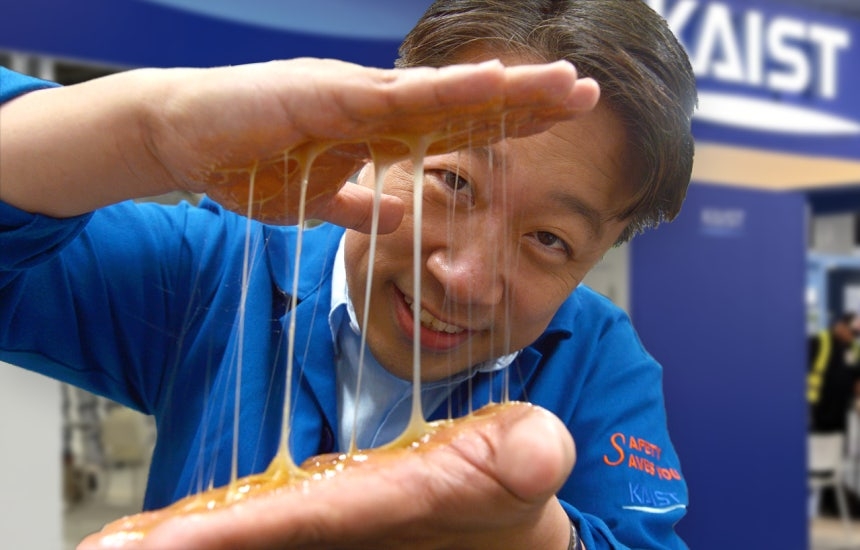
Lee's team has also developed a technology to reduce hair shedding.
The key ingredient is tannic acid, a natural polyphenol that gives red wine its astringent taste. The team exploited tannic acid's tendency to bind to the surface of hair strands, designing it to store hair loss-relieving compounds and release them gradually upon contact with moisture.
When 12 people with hair loss symptoms used a shampoo incorporating the technology for seven days, an average reduction in hair shedding of 56.2 percent was observed. One participant saw a reduction of up to 90.2 percent.
"Regrowing hair is still an enormously difficult challenge," Lee said, "but if the related technologies are commercialized, they could offer new options for people struggling with hair loss."
nbgkoo@heraldcorp.com