TSMC scouts Samsung's home turf in Texas for new fab site
Samsung expands workforce support at local universities and high schools
Chronic shortage of skilled semiconductor workers persists despite US production push
Talent war between Samsung and TSMC in Texas expected to intensify
Editor's note: Chip Chip Fab Fab is a series that explores the semiconductor industry driving the AI era — in depth and in plain language. The name links the "chip" at the heart of the AI revolution with the "fab" that makes it, and like a train chugging steadily down the track, it captures the industry's relentless forward momentum. The series breaks down complex technology into accessible reporting while digging into the stories behind the headlines and the forces shaping the industry, following the present and future of semiconductors with readers.
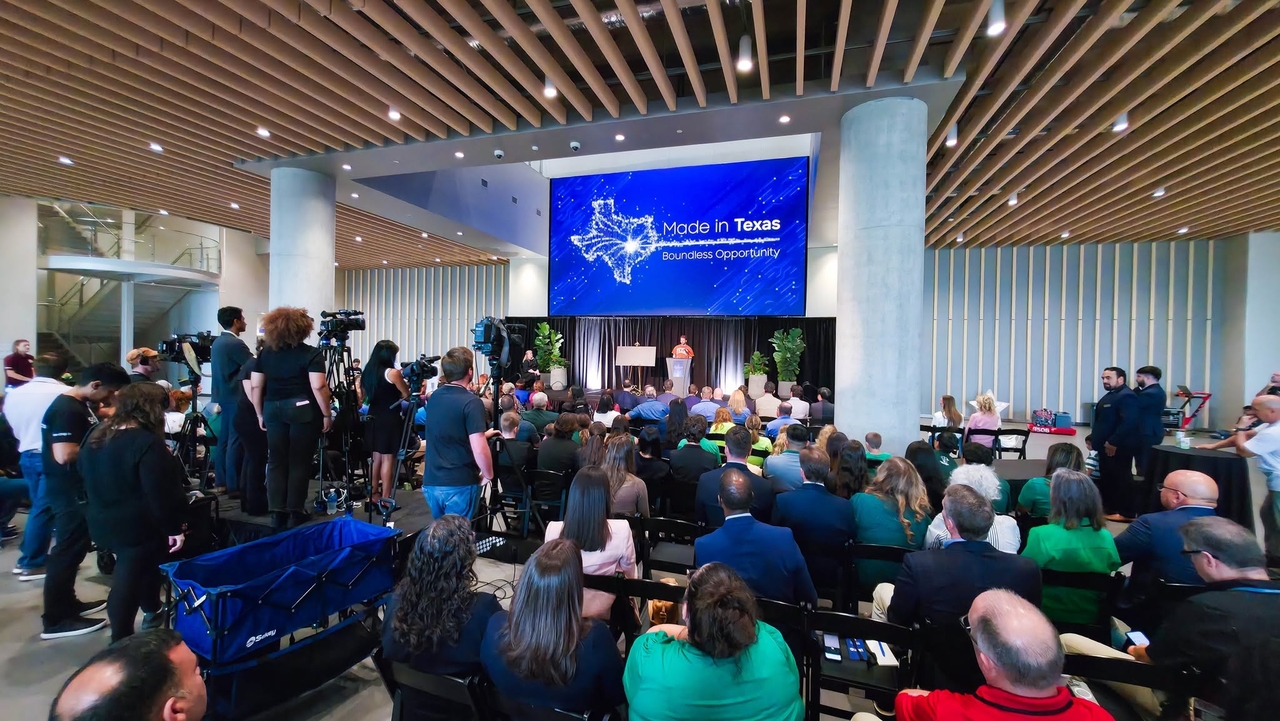
TSMC, which has been ramping up its US investment, is now eyeing new fab construction in Texas — long considered Samsung Electronics' home turf — and the prospect of a head-to-head rivalry between the two chipmakers in the state is already drawing wide attention.
TSMC Chairman and CEO Wei Che-chia confirmed Thursday at the company's third-quarter earnings call that it had already dispatched a site-survey team to Texas, formally signaling plans to expand production facilities there.
On the same day, Samsung Electronics' local subsidiary fired back, announcing it would invest a total of $22.84 million in Texas communities and universities to develop semiconductor talent.
As the two foundry rivals face a deepening shortage of skilled workers amid their competition for advanced chipmaking orders in the United States, analysts expect their battle for talent on American soil to grow fiercer still.
Samsung backs Texas university programs, expands high school internships
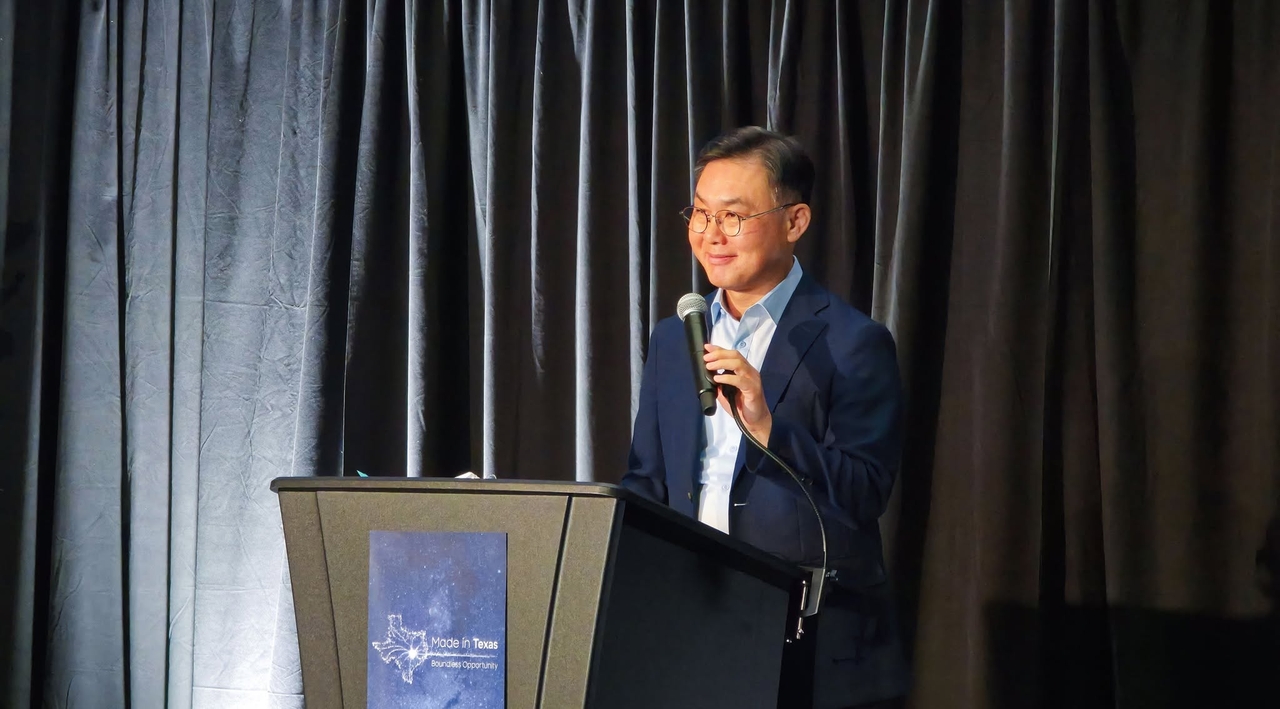
Samsung Austin Semiconductor held an event called "Made in Texas: Infinite Opportunities" in the state Thursday, unveiling a series of local investment commitments.
The company said it plans to put $2.66 million this year into its US workforce development initiative, the "5-Star Workforce Development Partnership."
Samsung also extended its partnerships with the University of Texas at Austin and Texas A&M University by three years, committing $1 million annually to each institution. Austin Community College, SkillPoint Alliance and Texas State Technical College will together receive a total of $660,000 over three years.
The funds are earmarked for scholarships, research support, curriculum development, vocational training and educational resources — all aimed at building a steady pipeline of semiconductor workers in Texas.
Samsung will also expand its paid internship program for high school students in Taylor, increasing the number of participants from 24 to 30 starting next summer.
In addition, the company launched a new initiative called "Spark!" through which it will provide $10 million to 14 nonprofit organizations in the Texas community.
Samsung steps up training for chronically scarce skilled tradespeople, deepening Texas ties
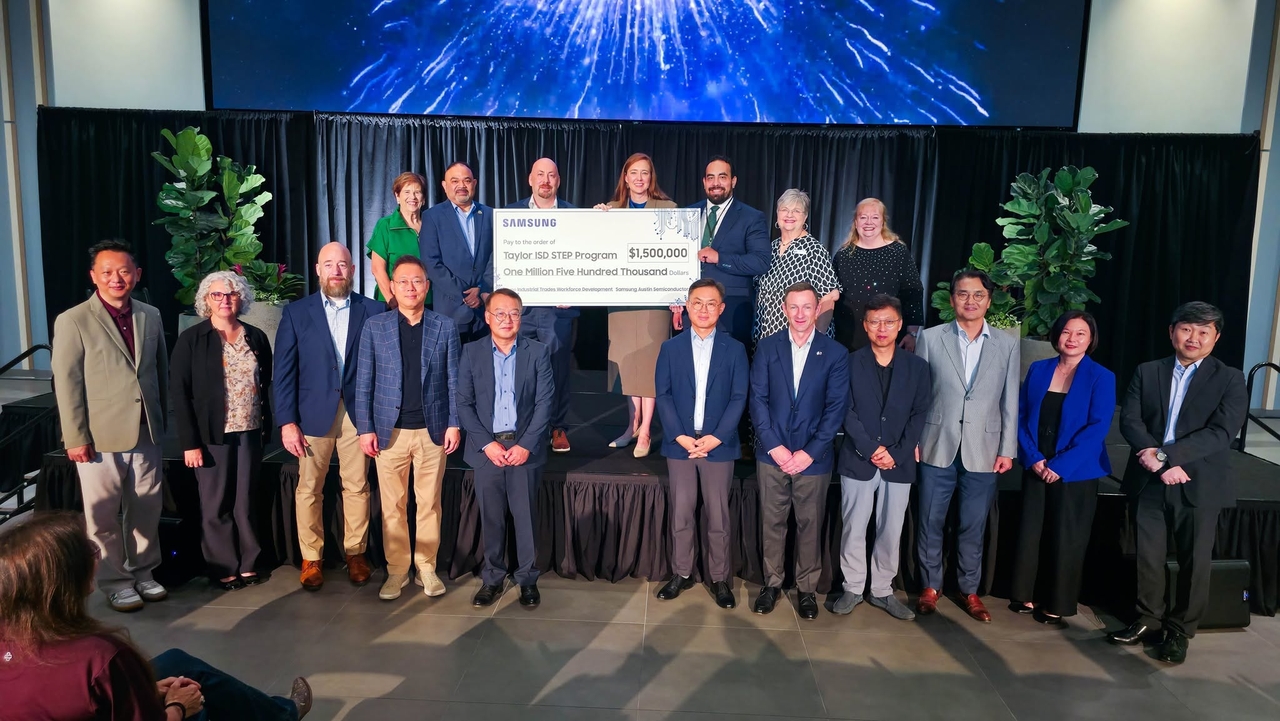
Samsung Electronics has partnered with the Taylor Independent School District to invest $1.5 million in a new skilled-trades employment program called STEP.
STEP is a vocational training program designed to develop electricians, welders, plumbers and HVAC technicians.
Cho Sang-yeon, Samsung Electronics' vice president and head of Americas operations for its Device Solutions division, previously wrote on social media that fabs cannot run without electricians, plumbers and technicians, and that the current supply of such workers is insufficient. He added that while Samsung is working with universities, community colleges and high schools in Texas to develop the relevant workforce, the problem cannot be solved by one company alone.
The total investment of $22.84 million announced Thursday reflects Samsung Electronics' commitment to long-term, deepening engagement with the Texas region.
With Samsung's first foundry fab in Taylor set to begin full-scale mass production next year, the company is also planning to break ground on a second fab there — further cementing its local business presence in the United States.
"Our 'Spark!' and workforce development programs support STEM education, community engagement and skilled-trades training, contributing to a stronger, more connected community and a solid talent base," said Koo Bon-young, president of Samsung Austin Semiconductor.
TSMC sets its sights on Texas, igniting semiconductor talent race
Samsung Austin Semiconductor currently employs more than 4,500 workers at its Austin and Taylor sites in Texas. That shortage is expected to worsen as production capacity expands. SEMI, the global semiconductor industry association, projects that the United States could face a shortfall of up to 157,000 semiconductor workers by 2030.
Should TSMC move ahead with building a fab in Texas, the rivalry between the two companies is expected to spill over into an all-out talent war. TSMC had already visited the University of Texas at Austin and Texas A&M University — both close partners of Samsung — in September to hold recruitment events.
While the United States excels in chip design, it has long relied almost entirely on Asia for manufacturing, leaving its domestic production base relatively weak. That is why both Samsung Electronics and TSMC have dispatched engineers from their home offices in Korea and Taiwan to handle the initial construction and operation of US facilities.
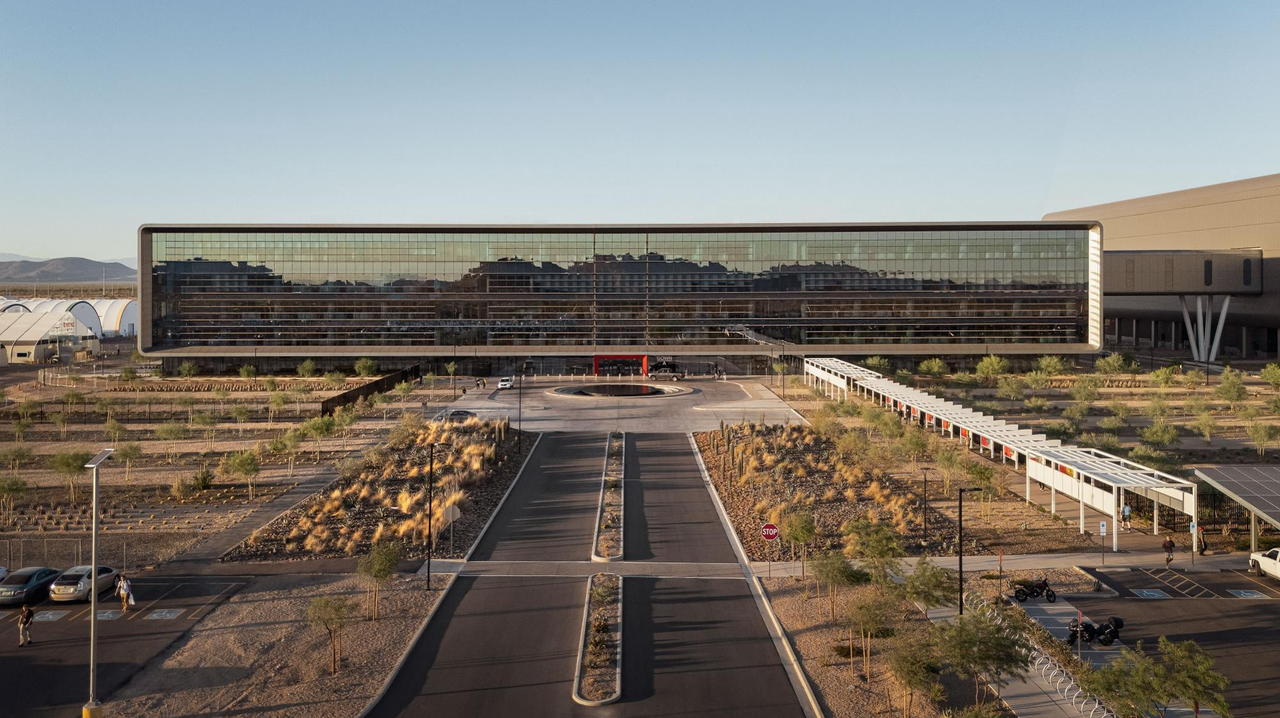
TSMC has poured $265 billion into Arizona, aggressively expanding its production capacity there. Construction of its second Arizona fab is now complete, with equipment installation underway. Mass production is expected to begin in the third quarter of 2027, ahead of the original schedule.
With demand for AI chips still far outstripping supply, and with TSMC having agreed to participate in Tesla's massive semiconductor factory project — dubbed "Terafab" — in Texas, the state has emerged as a leading candidate for the company's next production facility.
joze@heraldcorp.com