Riyadh airport hit 3 times in a week, killing 12 and wounding 300-plus
Houthis build missiles and drones with Iranian backing, military power surges in a decade
Seizure of Mocha port and Perim Island tightens grip on Red Sea chokepoint
Group survives US, UK and Israeli strikes; missile capability remains intact
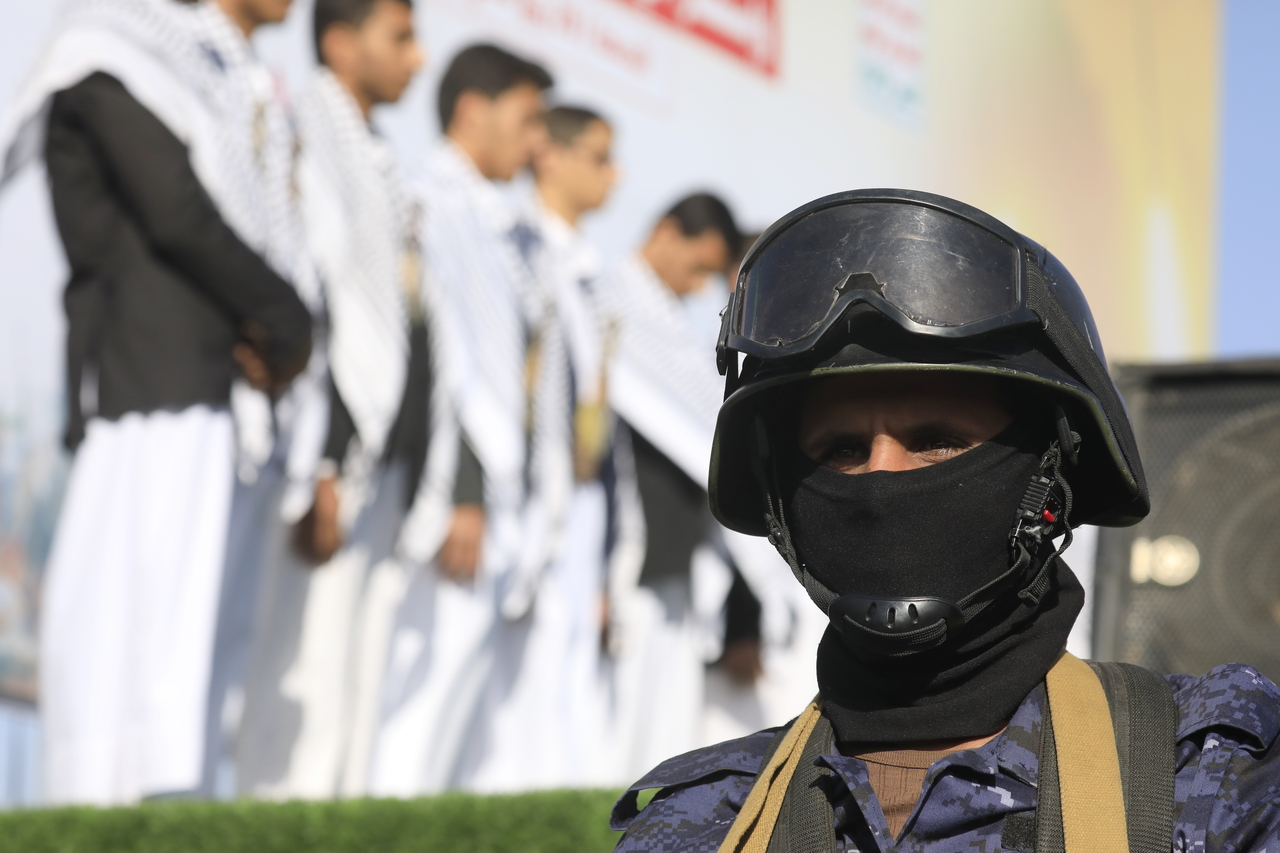
Yemen's Houthi rebels have struck Riyadh's international airport three times in a single week, showcasing the military reach they have built as one of the Middle East's most formidable armed groups. Backed by Iran and steadily developing their missile and drone capabilities, the Houthis have seized key strategic positions along the Red Sea, threatening global energy supply chains and emerging as a major variable in the region's conflicts.
A Houthi missile strike on Riyadh's international airport on Sunday (local time) killed 12 people and wounded more than 300. It was the third attack on the airport within a week, carried out as military clashes intensified between the Houthis and Saudi Arabia, which backs Yemen's internationally recognized government.
Houthis seize Perim Island in Bab el-Mandeb Strait, threatening Saudi oil exports
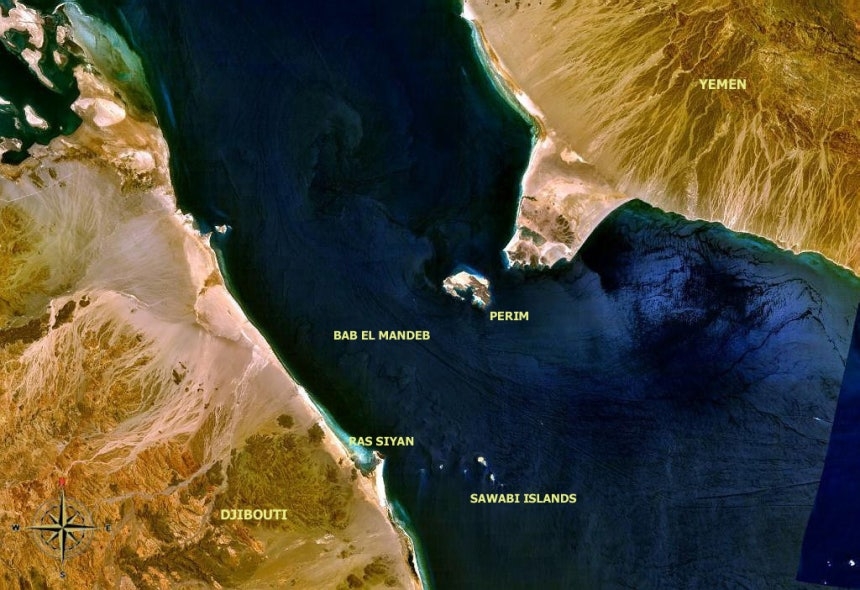
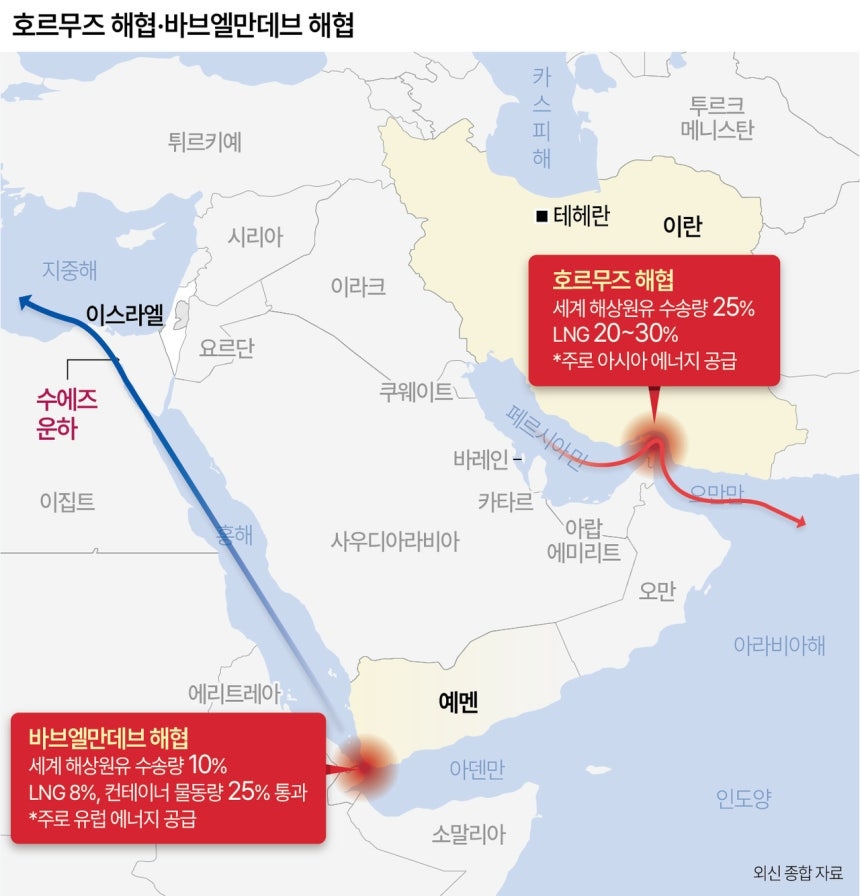
In recent weeks, the Houthis have attacked Saudi oil infrastructure while simultaneously seizing key positions along Yemen's Red Sea coast.
Since declaring a blockade of Saudi ports in July, the group has repeatedly attacked Saudi vessels attempting to pass through the Bab el-Mandeb Strait, disrupting oil exports from the world's largest crude exporter.
Last month, the Houthis seized the strategically vital port of Mocha and then secured Perim Island — situated in the middle of the Bab el-Mandeb Strait, the southern gateway to the Red Sea — tightening their control over the entrance to the waterway and expanding their influence. This month, they have been advancing on Taiz, Yemen's third-largest city and a government stronghold.
The Saudi-led coalition announced a counteroffensive to retake Houthi-held territory and claimed to have recaptured Mocha. However, that claim remains unverified, while the Houthi siege of Taiz continues.
Wolf-Christian Paes, a visiting fellow at the International Institute for Strategic Studies and a former member of the UN Panel of Experts on Yemen, said the Houthis had "emerged as an armed group capable of projecting global threats from a remote mountainous base in Yemen, having secured the ability to expand control over the Red Sea and strike Saudi Arabia, the world's largest oil exporter."
Houthis armed and trained by Iran; experts say military power was underestimated
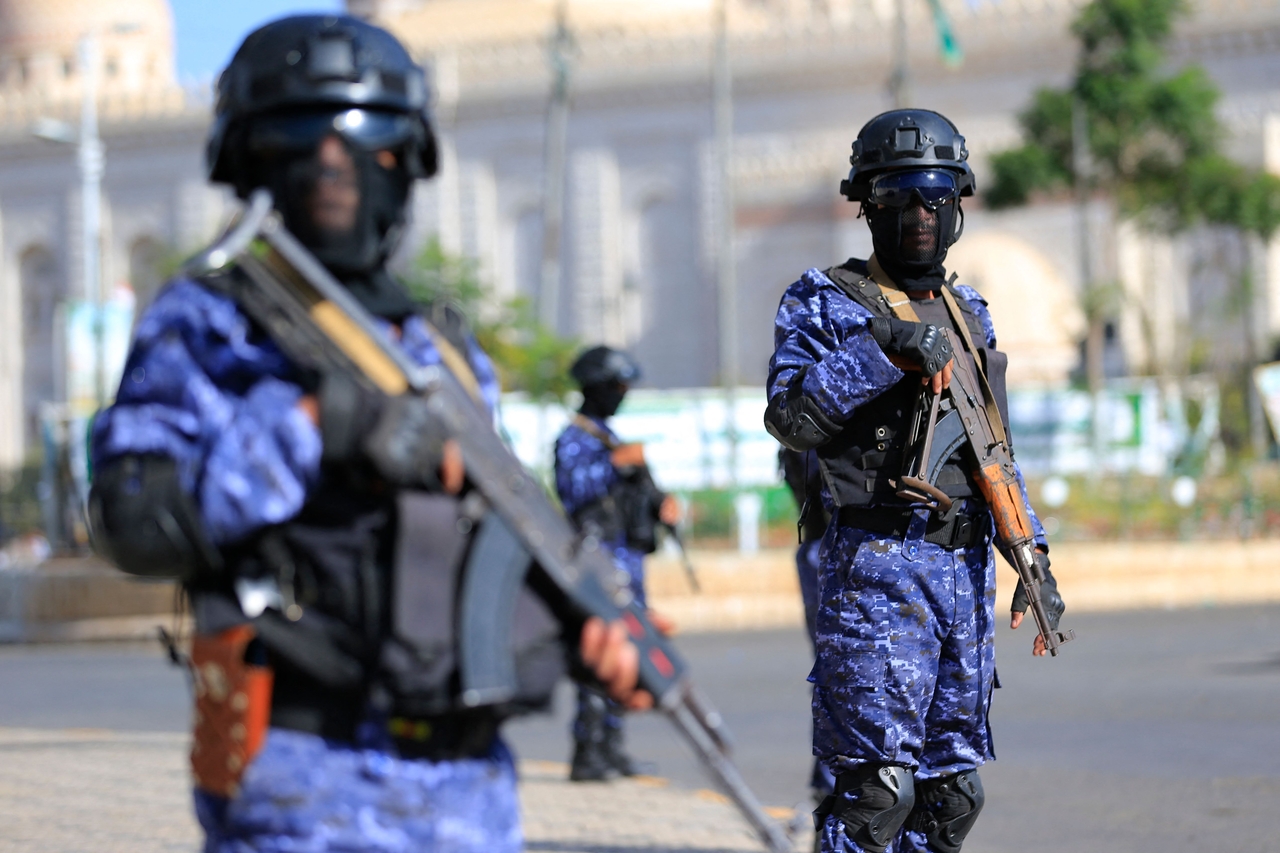
Experts say the Houthis' military capabilities have long been underestimated.
Farea Al-Muslimi, a Yemen researcher at the London-based think tank Chatham House, said people "still underestimate the Houthis' military power," adding that the group had long been dismissed as "guys in flip-flops" but could now drive up winter heating bills two or three times over.
The Houthis have steadily built up their arsenal with weapons and military technology supplied by Iran's Islamic Revolutionary Guard Corps and Lebanon's Hezbollah. Houthi military experts traveled to Iran to sharpen their technical skills, with particular advances in anti-ship missiles and unmanned surface vessels used to attack shipping in the Red Sea.
The group's military buildup accelerated after it seized the Yemeni capital Sanaa in September 2014. At the time, the Houthis captured a large portion of the Yemeni military's weapons, including ballistic missiles held by the Republican Guard and naval anti-ship systems. They also absorbed experienced officers, missile engineers and entire military units, later reorganizing them into a unified fighting force, The Economist reported.
Al-Muslimi said the Houthis were "technical experts who, over the past decade with Iranian support, have built up military capabilities to the point of producing their own weapons," adding that a group that once imported arms from Africa was now manufacturing weapons itself and supplying them to the very people who used to sell arms to them.
Mohamed Al-Basha, head of the US security consultancy Basha Report, said the Houthis "didn't start from scratch — they already had a foundation," and that the group could now produce a significant portion of its primary attack drone, the Samad, largely on its own using components imported from China.
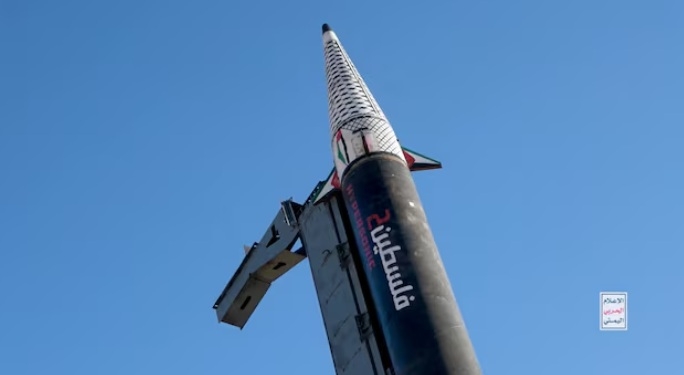
However, Al-Basha added that more sophisticated ballistic and cruise missiles still rely heavily on Iranian components and technology.
The Houthi arsenal also includes the Palestine-2 ballistic missile, the Asef long-range anti-ship ballistic missile, the Quds cruise missile, and the Iranian-designed Type 358 — a hybrid anti-aircraft drone-missile system, The Economist reported. The group also possesses explosive-laden unmanned surface vessels capable of attacking commercial ships.
The Houthis' international network is expanding beyond Iran. Experts said components manufactured in China and other countries are increasingly found in Houthi weapons, a trend that warrants close attention.
Houthis survive international pressure; missile capability remains intact
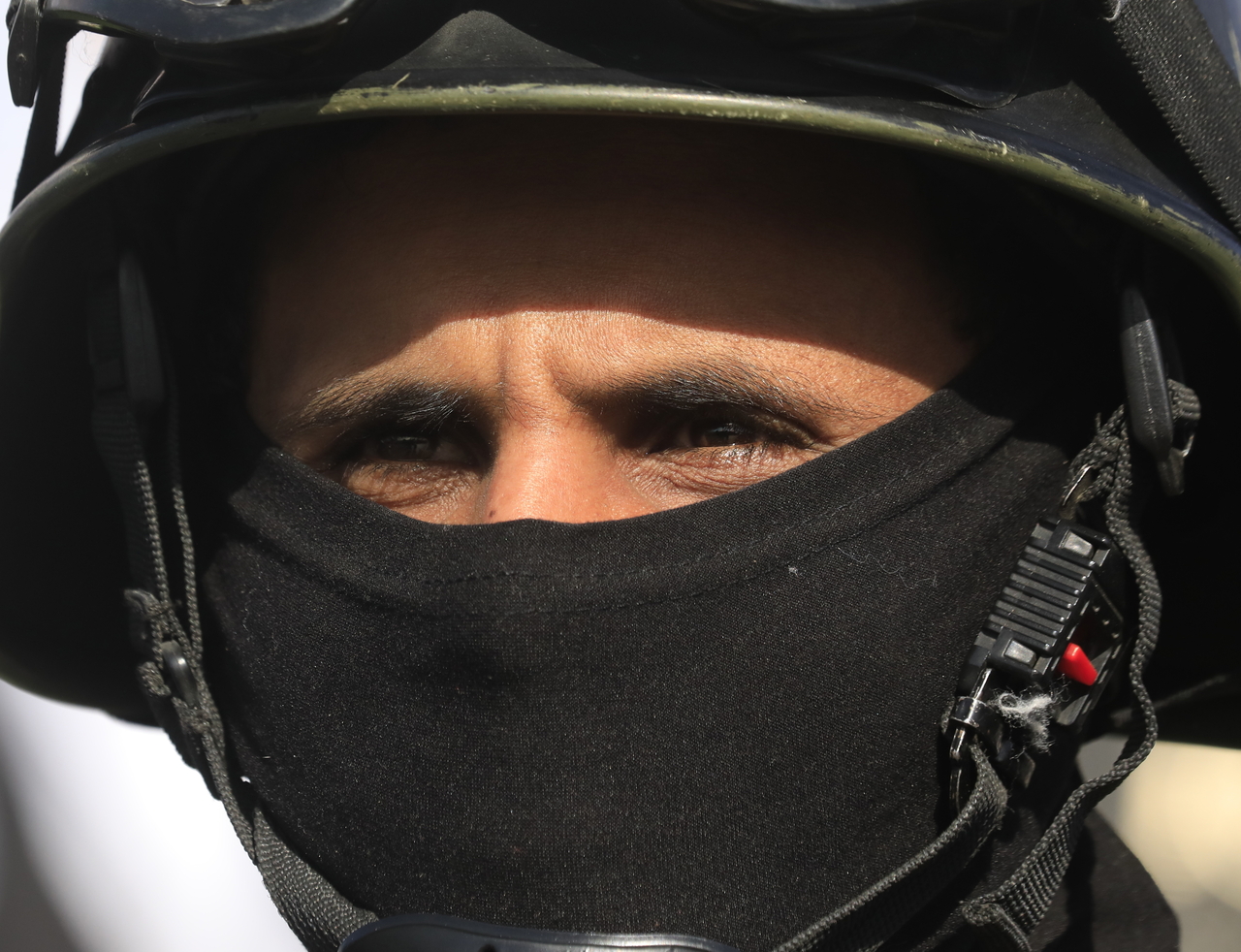
Analysts say the Houthis continue to exert influence over global supply chains, particularly because they have maintained their advanced missile strike capability despite large-scale airstrikes by the United States, the United Kingdom and Israel.
The US and UK began striking Houthi missile launchers, radar facilities and weapons depots in January 2024. Israel also carried out multiple airstrikes on Houthi-held territory starting in July of that year.
Despite those attacks, analysts say the strikes failed to neutralize the Houthis' missile capabilities.
Paes said the vulnerabilities of Yemen's government forces had a greater bearing on recent battlefield developments than the Houthis' weapons, adding that "the gains the Houthis have made over roughly the past four weeks have more to do with the weaknesses of the opposing side than with any superior military equipment."
Debriefing: The Herald Business international desk breaks down the hidden stories behind the hottest global issues. We want to hear from you — leave your questions in the comments.
yckim6452@heraldcorp.com