4,100 attend Korea's first short-term rental expo
83% of attendees more committed to launching a rental business after the event
47% cite finding suitable properties as biggest hurdle
Korea Minbak Industry Association vows to push for meaningful regulatory reform
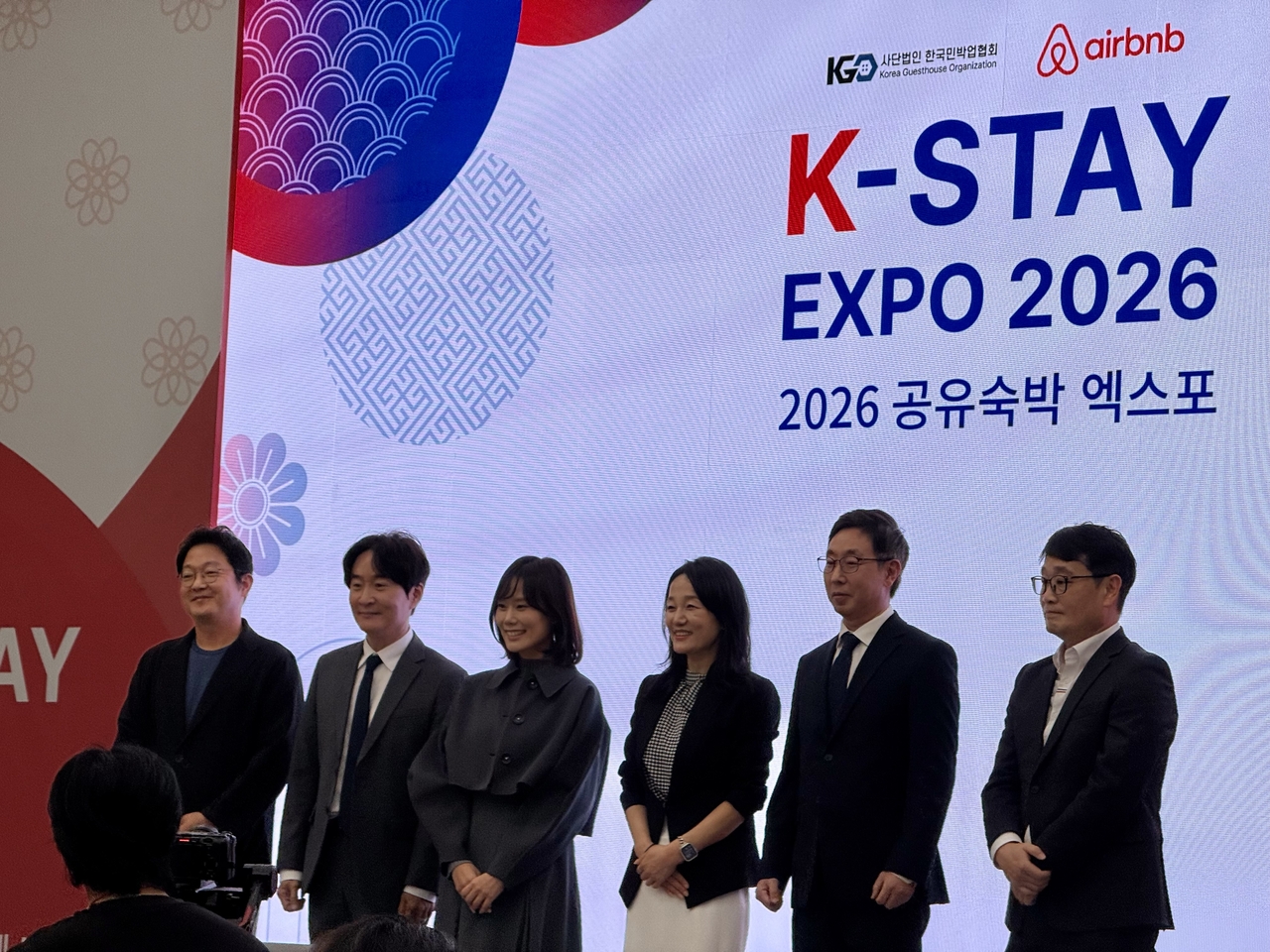
Enthusiasm for launching short-term rental businesses — increasingly seen as a new income stream and a viable retirement alternative — is growing, but prospective hosts say securing suitable properties and navigating complex regulations remain the biggest obstacles to entry. Calls are mounting to ease those rules and lower the barrier to market entry.
A survey conducted at K-Stay Expo 2026, Korea's first short-term rental trade fair, found that 83 percent of attendees said the event had either helped them firm up their startup plans, heightened their interest, or prompted them to decide to launch a rental business for the first time.
When asked about the greatest challenge in starting or running a short-term rental, 47 percent of respondents pointed to finding suitable properties. The expo also highlighted strong interest among women and middle-aged and older adults seeking new income sources and second careers, underscoring the need for policy support to help that demand translate into actual businesses.
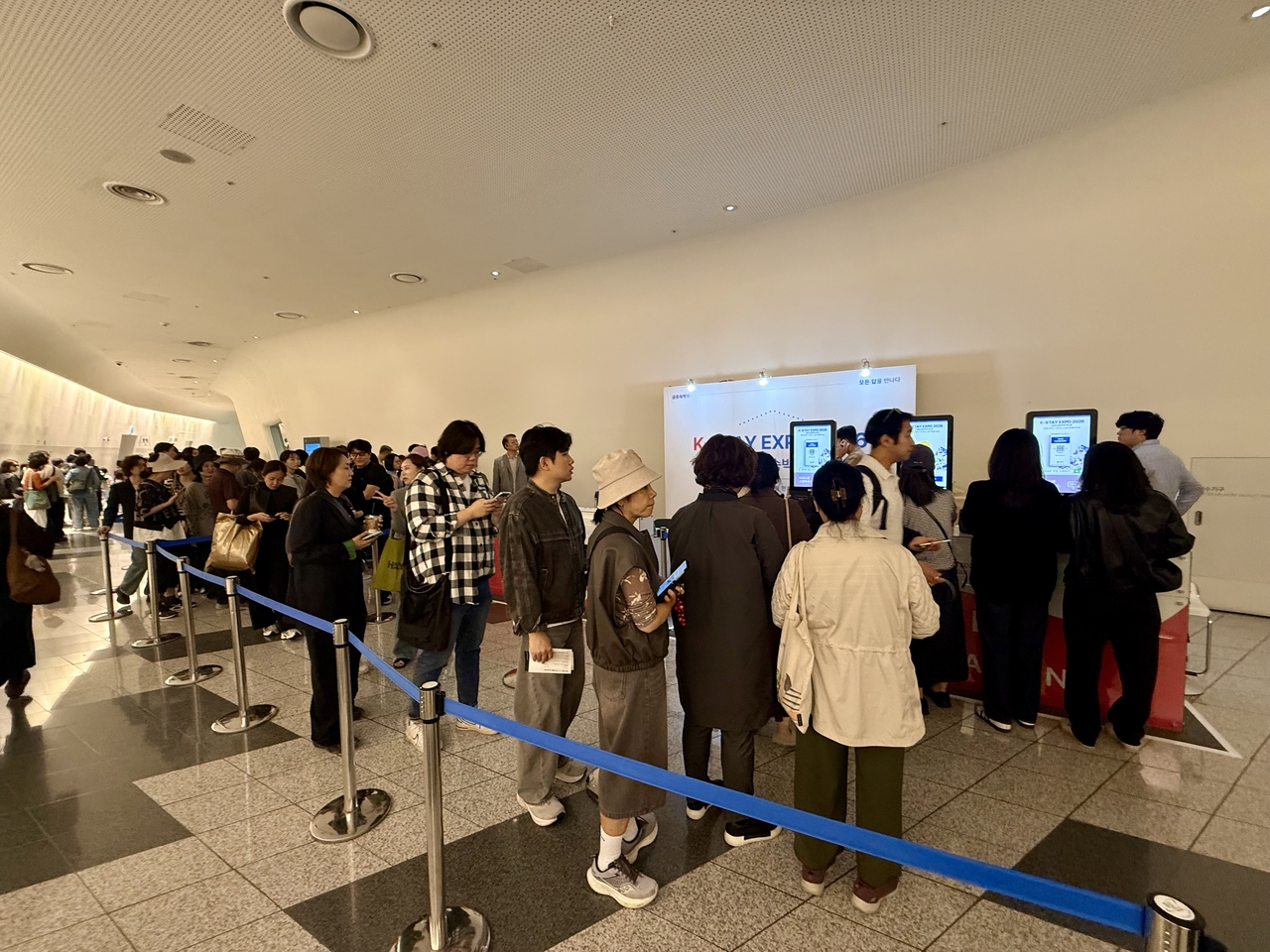
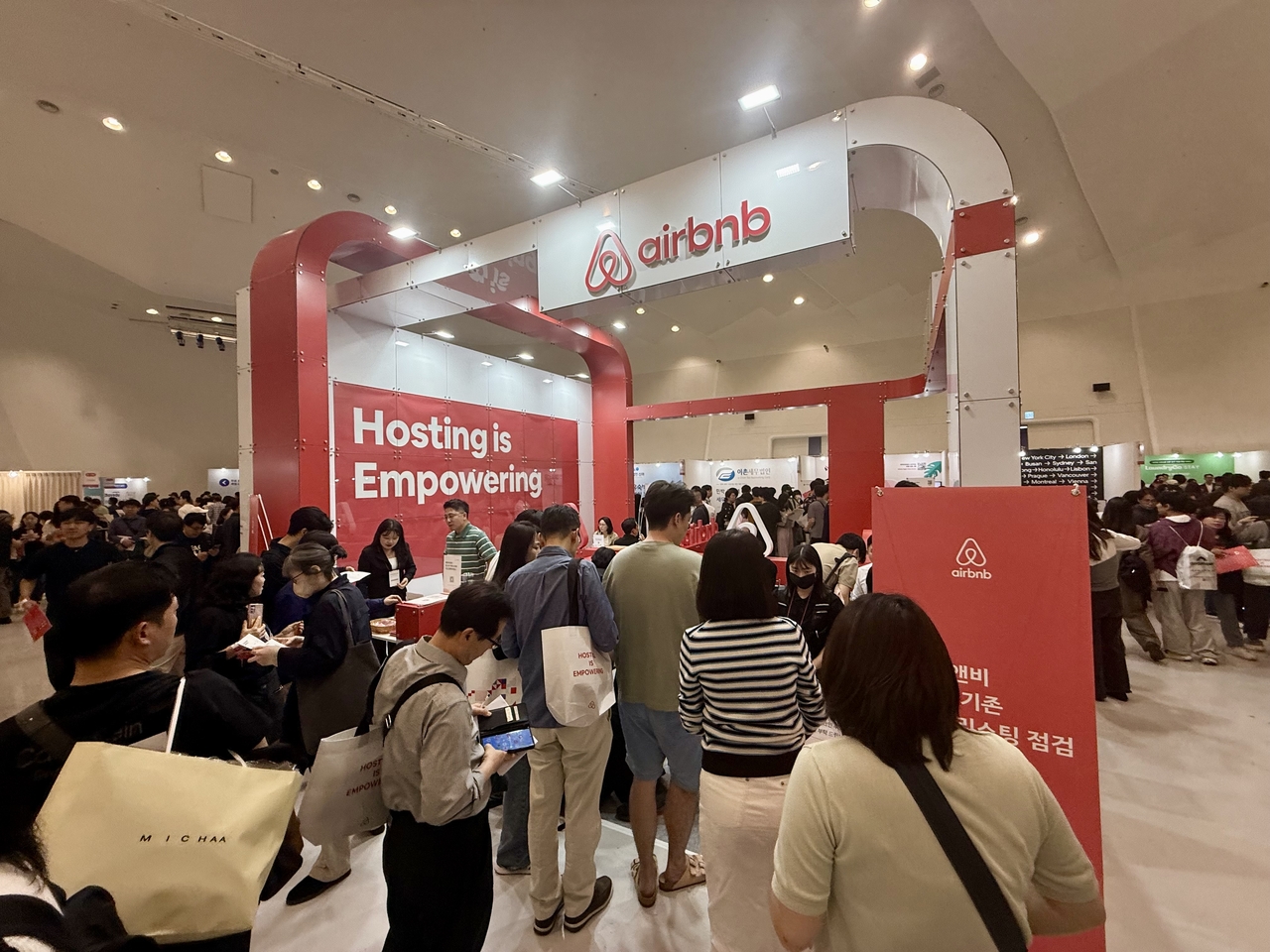
K-Stay Expo 2026, organized by the Korea Minbak Industry Association and sponsored by global travel platform Airbnb, was held at Dongdaemun Design Plaza in Seoul from Oct. 9 to Oct. 10. More than 8,400 people pre-registered for the event, and about 4,100 visited in person despite the holiday period, reflecting strong public interest in the short-term rental sector.
In a survey of expo attendees conducted by the Korea Minbak Industry Association, 61 percent of respondents said the event helped them refine existing plans — including timing, location and budget. An additional 11 percent said their interest in starting a rental business had grown, while 10 percent said they had decided to launch one for the first time.
Interest was particularly pronounced among women and retirees, groups that often face higher barriers to economic participation. Women accounted for 63 percent of pre-registrants, and those in their 50s or older made up 34 percent — 27 percent in their 50s and 7 percent aged 60 or above — highlighting short-term rentals as an emerging path to financial independence for these demographics.
Despite the enthusiasm, the barriers to actually entering the short-term rental market remain steep. Even after attending the expo, 47 percent of respondents still cited securing suitable properties as their top challenge, followed by regulatory hurdles at 18 percent. The property problem is closely tied to structural constraints — restrictions on eligible building types, owner-occupancy requirements and the need for residents' consent. Regulatory reform that reflects on-the-ground realities is essential if strong interest is to convert into actual businesses.
Lowering the barriers to short-term rentals is seen as both an economic opportunity for prospective hosts and a practical necessity ahead of a surge in tourism accommodation demand. National Assembly Culture, Sports and Tourism Committee Chair Lee Jae-jeong said at the opening ceremony that existing infrastructure alone would struggle to absorb the accommodation demand generated by large-scale international events such as World Youth Day 2027. Lee added that the National Assembly would work to provide the legislative support needed for short-term rentals to become a pillar of Korean tourism.
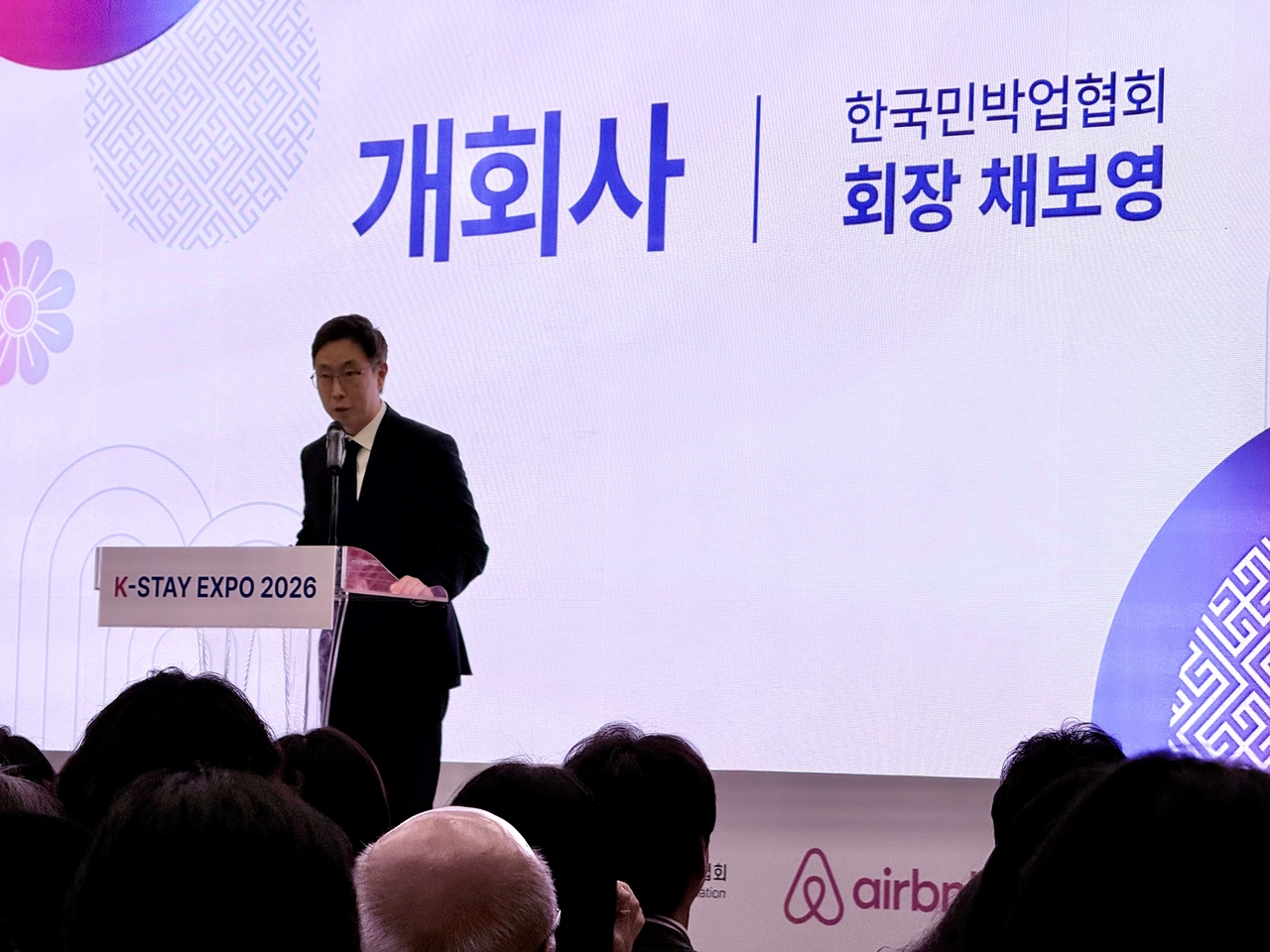
"Even as a first-time event, the turnout confirmed just how strong market interest in short-term rental startups really is," Korea Minbak Industry Association Chair Chae Bo-yeong said. "We clearly saw the difficulties prospective hosts face in finding properties and dealing with regulations, and the association will do its utmost to ensure those challenges lead to meaningful policy improvements."
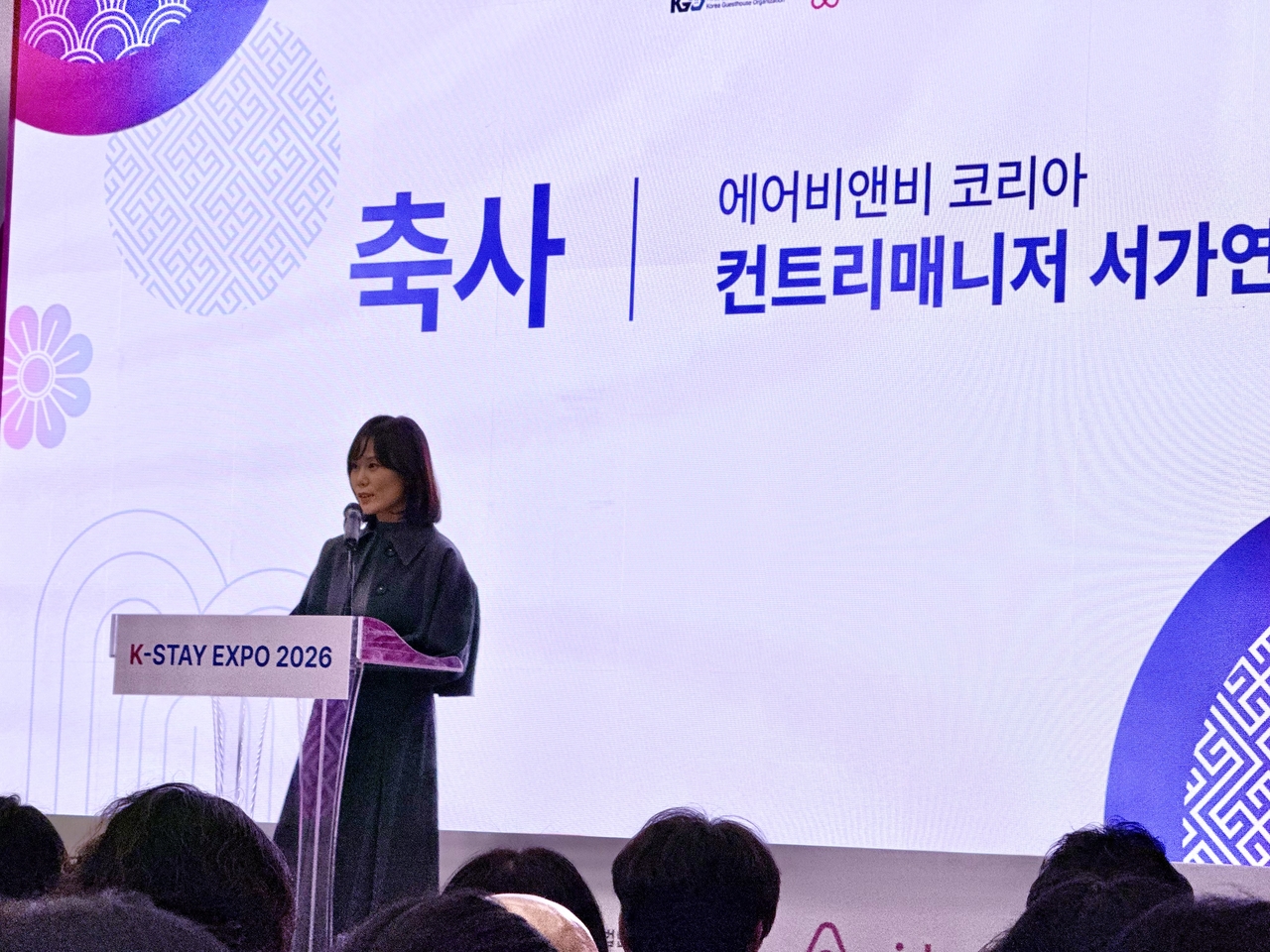
Platform companies in the short-term rental space also signaled their commitment to supporting hosts and building a healthier ecosystem.
"Seeing the passion of the hosts who filled the venue reaffirmed both the strong interest in short-term rentals and the urgent need for regulations that reflect reality," Airbnb Korea Country Manager Seo Ga-yeon said. "Airbnb will continue to provide education and support so hosts can operate with reliable information, and we will keep working with relevant authorities to foster a sustainable short-term rental ecosystem."
terry@heraldcorp.com