
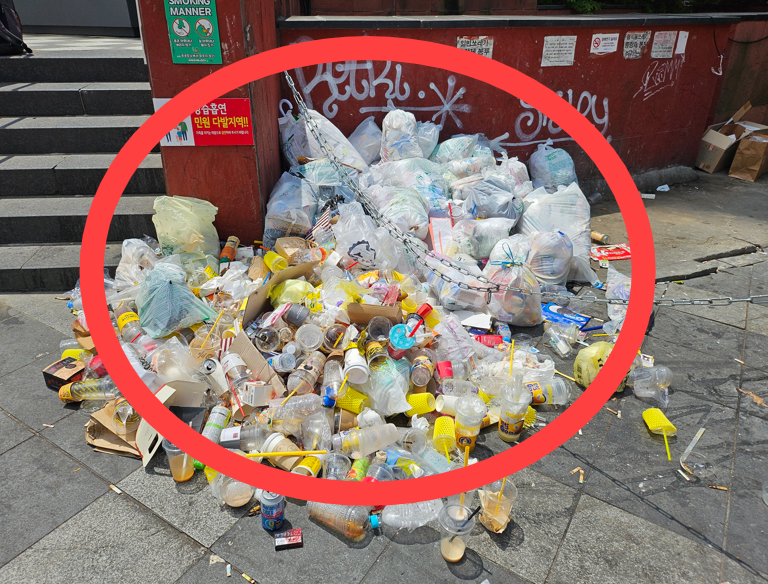
"We recycle better than anyone ... "
China and the United States are widely regarded as the world's biggest greenhouse gas emitters — their sheer economic scale translates into an outsized footprint on the global environment.
Yet South Korea's environmental scorecard has come out worse than both. The problem goes beyond individual habits like overusing disposables or failing to sort recycling.
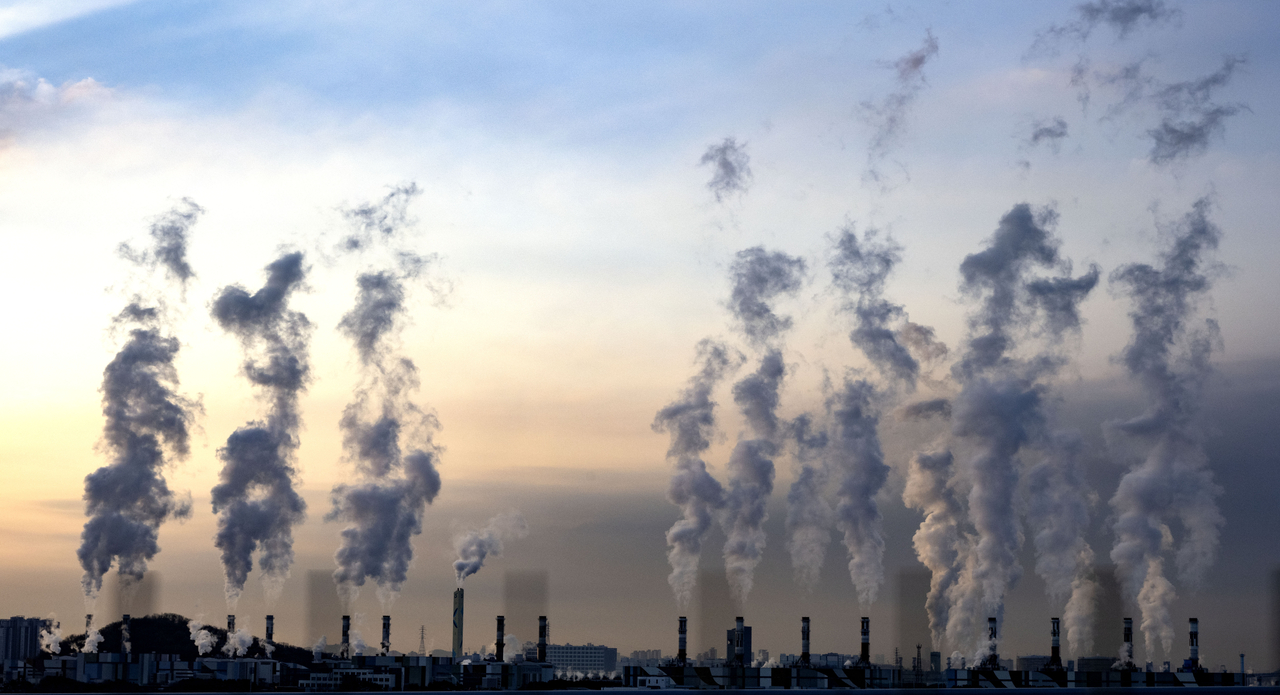
South Korea's per-capita carbon dioxide emissions from electricity generation ranked highest among the world's major nations — surpassing both the United States and China.
That does not mean Koreans waste more electricity than Americans or Chinese. The real issue lies in how the electricity is generated.
South Korea is among the world's heaviest electricity consumers and still relies heavily on fossil fuels to produce it, meaning the environmental toll of its power sector is disproportionately large.

The situation has left South Korea ranked near the very bottom globally in overall climate-change response.
According to the Global Electricity Review 2025 published by Ember, a British energy think tank, South Korea's per-capita CO2 emissions from the power sector reached 5.0 tonnes in 2024.
That was the highest figure among the world's 10 largest electricity-consuming nations. The United States came in at 4.9 tonnes, while China and Japan each recorded around 4.0 tonnes.
South Korea's figure is roughly 2.8 times the global average of 1.8 tonnes — meaning each Korean resident's share of emissions from electricity production exceeded that of the average American or Chinese citizen.
The picture has not improved this year. Ember's latest Global Electricity Review 2026, published in April, shows that last year South Korea's per-capita greenhouse gas emissions from the power sector remained at about 2.8 times the global average.
The United States also fared poorly, with per-capita emissions of around 5.0 tonnes — nearly three times the world average. China recorded 3.9 tonnes and Japan 4.0 tonnes.
Actual electricity consumption tells a different story, however. Per-capita power demand data for 2025 show the United States at 13.1 MWh, higher than South Korea's 12.1 MWh. China stood at around 7.5 MWh.
In short, South Korea produces more emissions per person than the United States even though Americans use more electricity. The difference comes down to how each country generates its power.
Burning coal or natural gas to produce electricity releases carbon dioxide, while solar, wind and nuclear power emit little or no greenhouse gases during generation. The same amount of electricity therefore carries a very different carbon cost depending on the energy mix behind it.
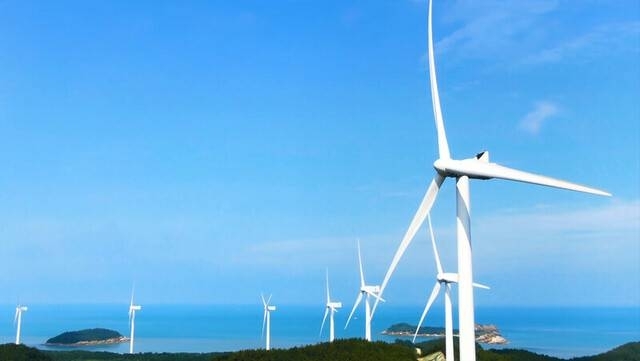
Last year, fossil fuels — coal and natural gas — accounted for 60 percent of South Korea's total electricity generation. The United States was at 57 percent and China at 58 percent, both lower than South Korea. Meanwhile, the combined share of solar and wind power in South Korea was limited to just 7 percent.
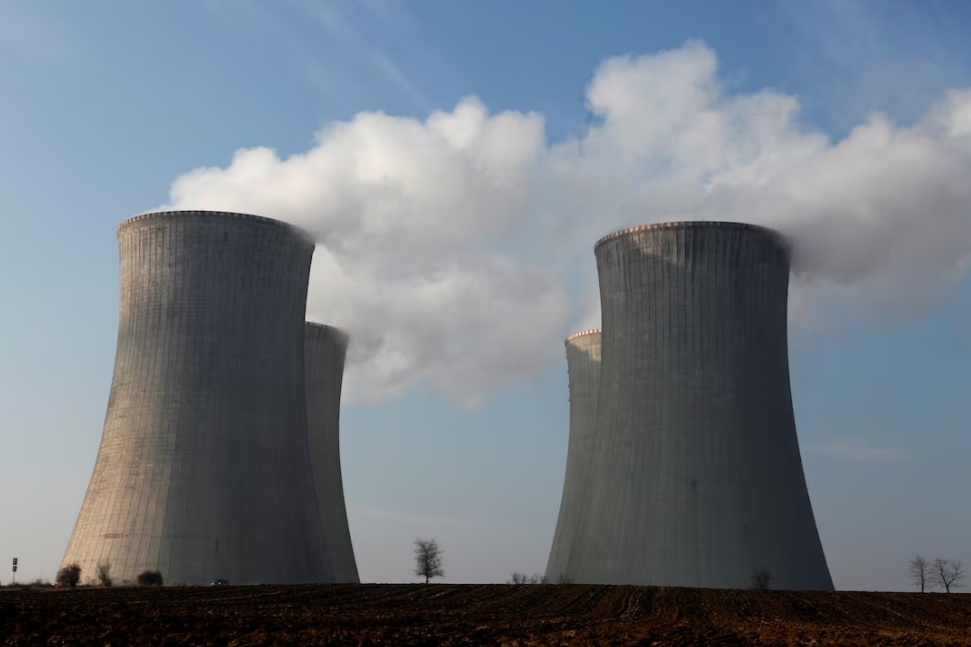
China's solar and wind share stood at 22 percent and the United States' at 19 percent — more than three times and more than twice South Korea's figure, respectively.
Renewable energy generation in South Korea is growing, but it remains well behind other countries.
Last year, renewable energy accounted for about 36 percent of total electricity generation across all OECD member countries. South Korea's share was limited to about 10.4 percent — less than one-third of the OECD average even when hydropower and bioenergy are included.
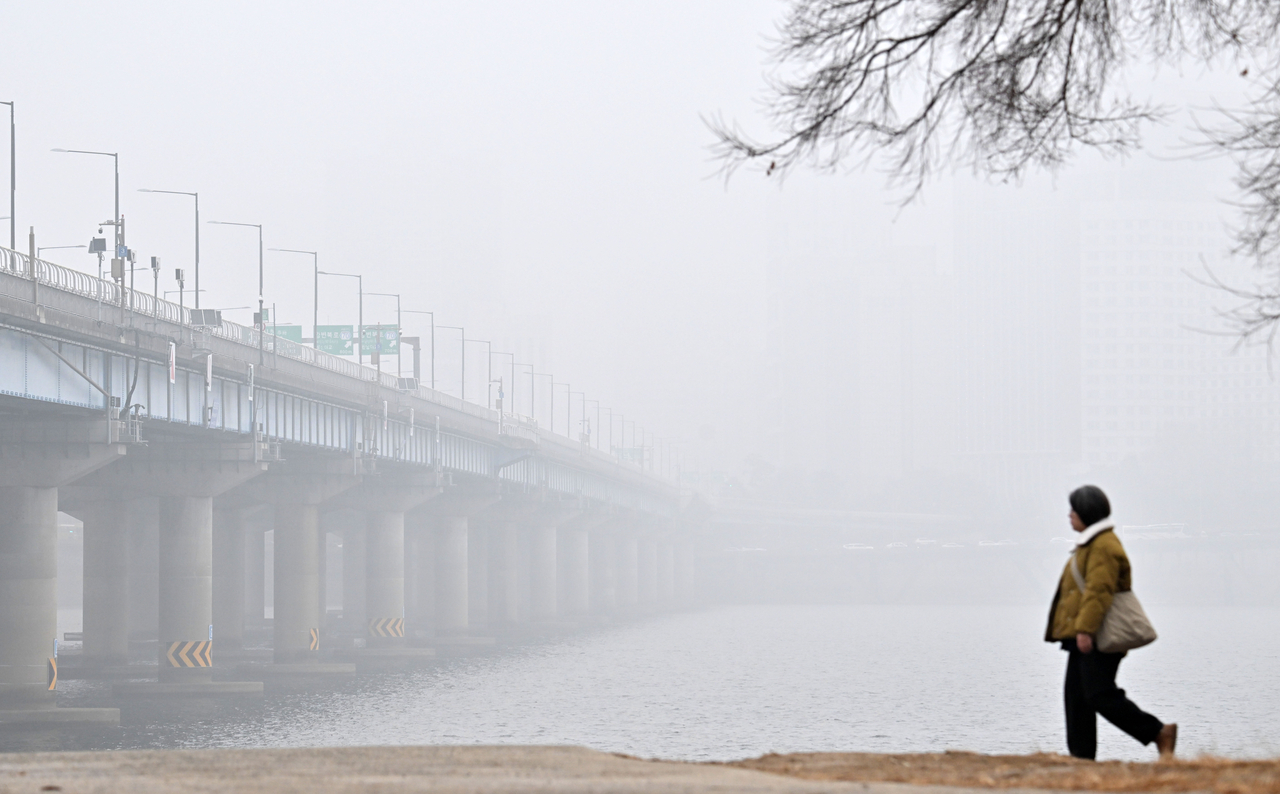
The gap is all the more striking given how rapidly the global energy mix is shifting. According to the report, renewable energy accounted for 33.8 percent of global electricity generation last year, edging past coal's 33.0 percent share — a shift in the world's power landscape not seen in roughly a century.
Global electricity demand rose 2.8 percent from the previous year, yet fossil fuel generation actually fell 0.2 percent, as low-carbon sources — led by solar — expanded rapidly.
China's transformation is particularly striking. The country's electricity demand grew 5.0 percent last year, yet fossil fuel generation fell 0.9 percent. Solar power output surged 40 percent, and the broader expansion of low-carbon generation was enough to meet the entire increase in demand.
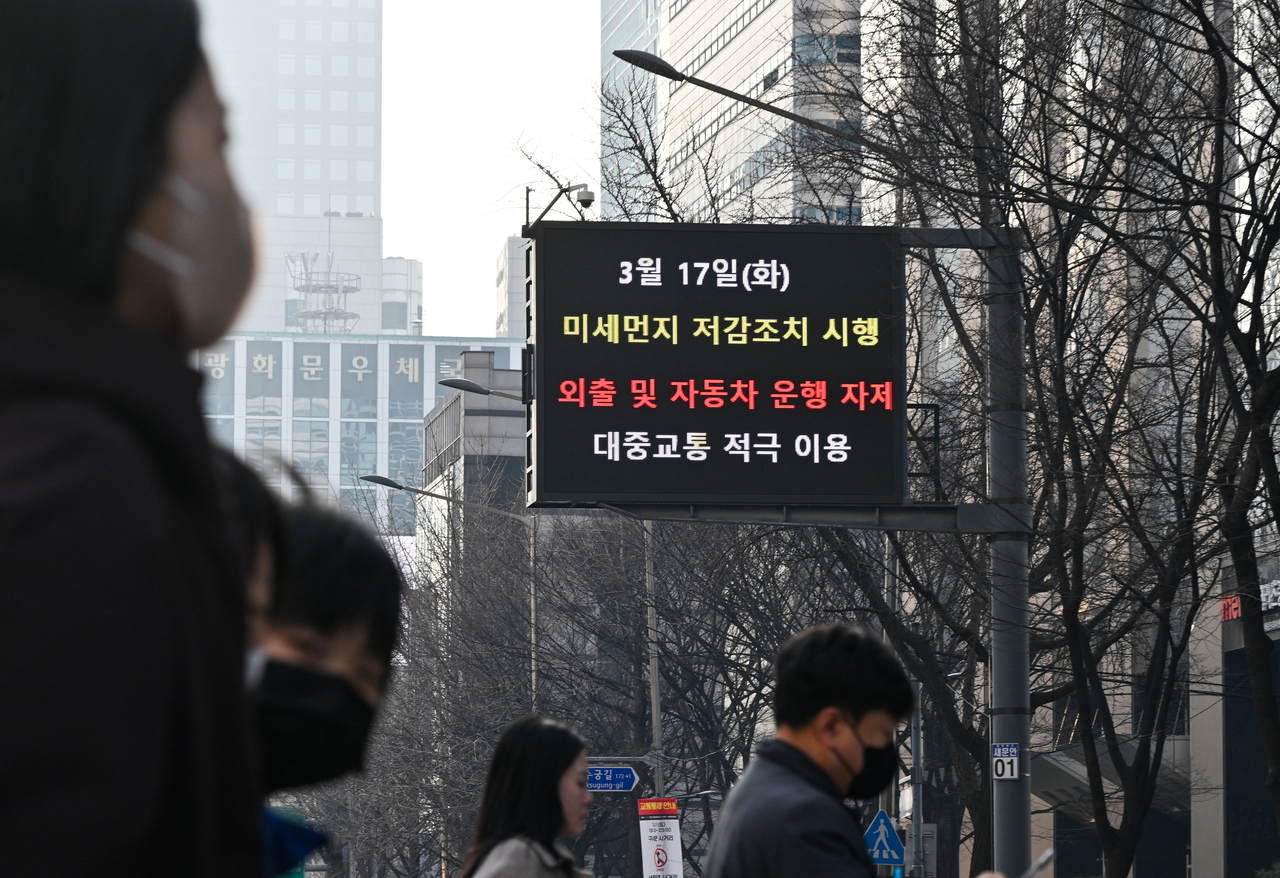
The same weaknesses have surfaced in other international environmental assessments. In the Climate Change Performance Index 2026 released last year by a coalition of international climate organizations, South Korea ranked 63rd out of 67 countries evaluated.
That placed it near the bottom — below both China and Japan. South Korea received a "very low" rating in all three categories assessed: greenhouse gas emissions, renewable energy and energy use. Reviewers flagged the country's low renewable energy share and the limited effectiveness of its climate policies as the main problems, and called for structural changes to the power sector and a significant expansion of renewables to bring down emissions.
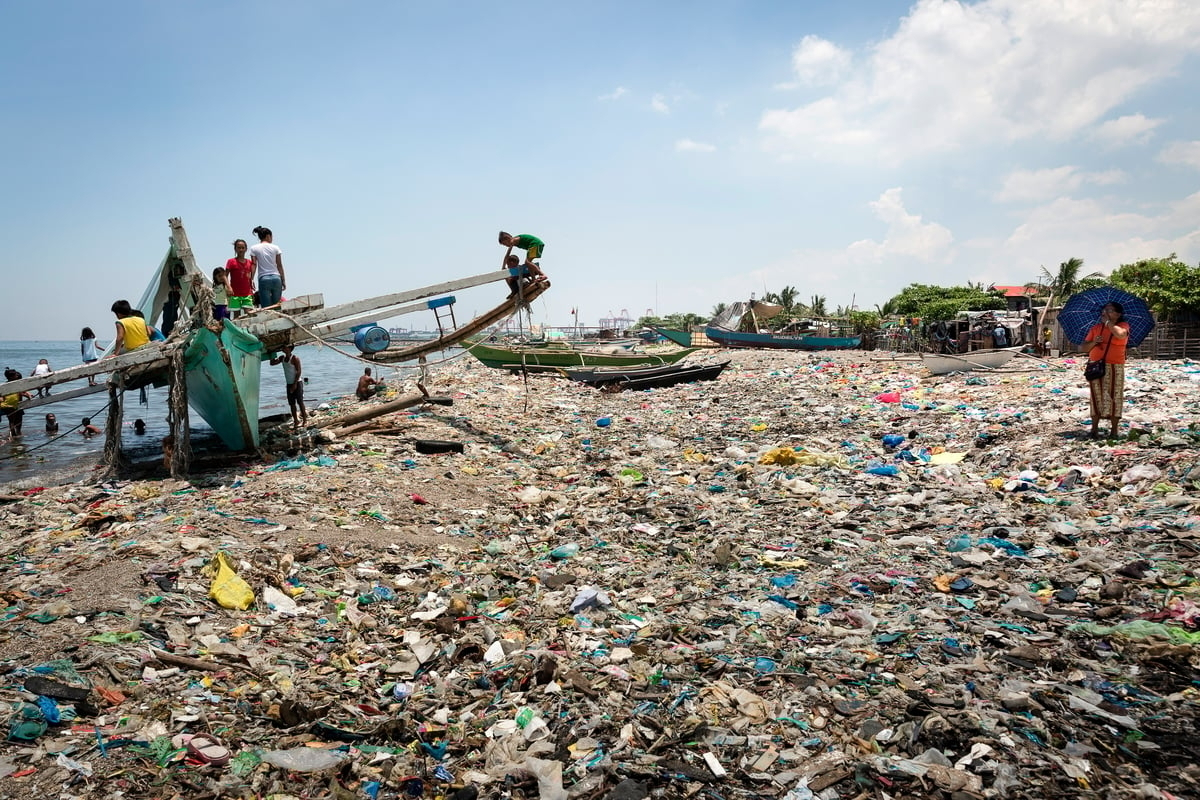
Individual efforts to conserve electricity are not without value. But national greenhouse gas emissions cannot be explained by personal lifestyle choices alone. In a country like South Korea, where industry accounts for a large share of power consumption, analysts say the key question is not just how much electricity is used, but how it is produced.
That is the deeper lesson of South Korea's unexpected ranking above the United States and China. However diligently individuals conserve energy, experts say reducing the country's overall environmental burden will be difficult without restructuring national power demand and moving away from a generation mix still dominated by fossil fuels.
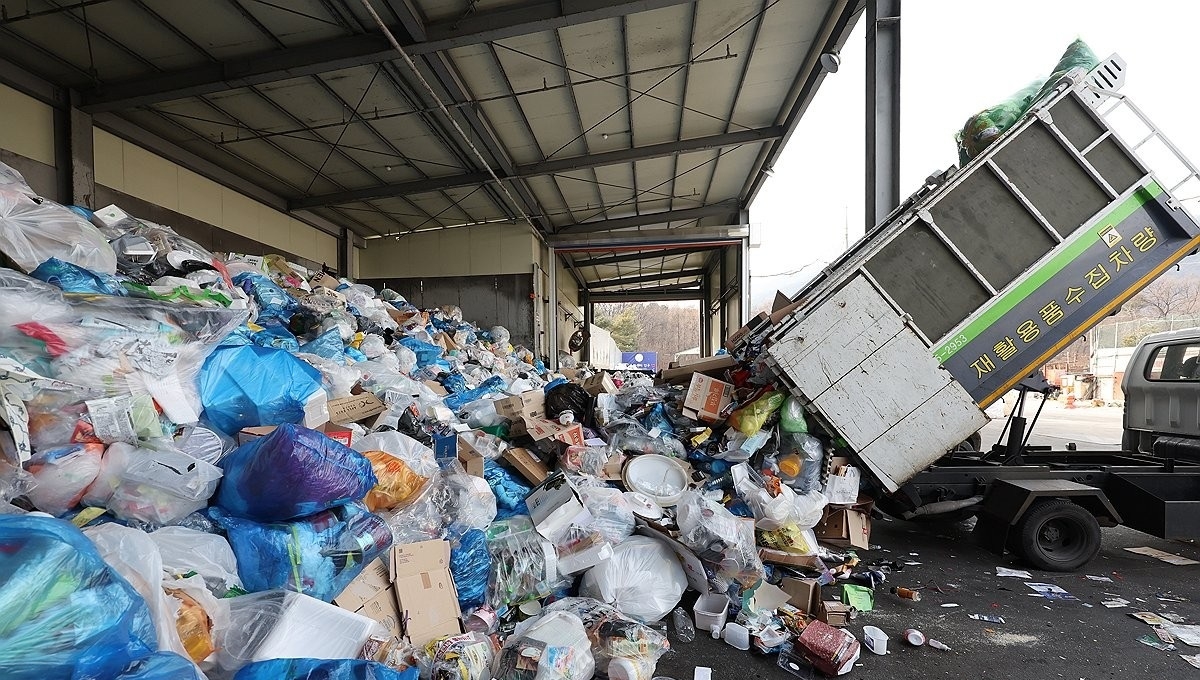
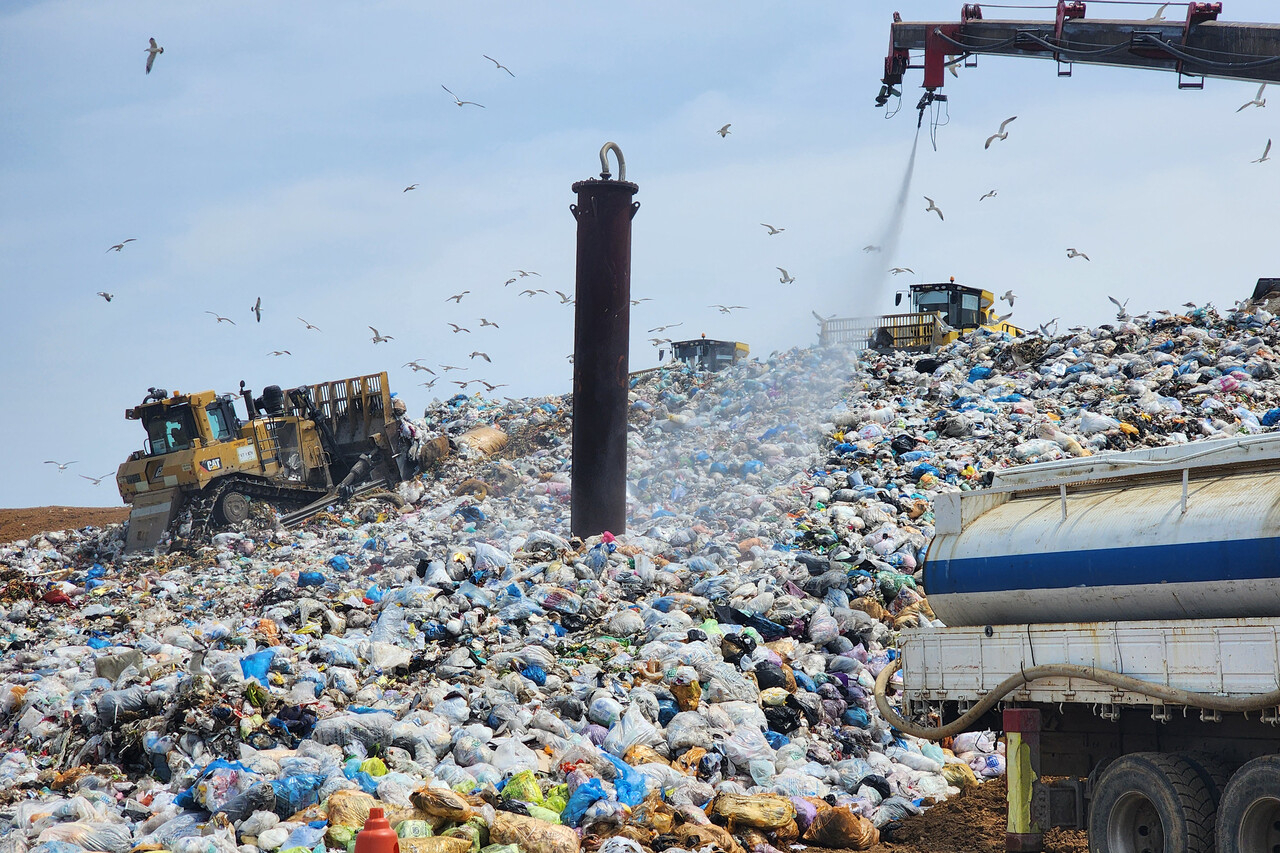
Beyond fossil fuel use, analyses suggest South Korea is consuming natural resources at an excessive rate. Data released in August by the Global Footprint Network, an international environmental organization, identified South Korea as one of the fastest countries in the world to exhaust its natural resources. The country depletes in just 42 days what its own nature can regenerate over an entire year.
The organization also estimated that if everyone on Earth consumed resources at South Korea's rate, roughly 3.7 planets would be needed to sustain it — a level of consumption higher than that of Japan, China or major European nations, underscoring the scale of South Korea's resource and energy burden.

South Korea faces a double deficit: its domestic ecological capacity falls far short of what it consumes, and its consumption level far exceeds what a single planet can sustain. Yet critics say policy efforts to address the shortfall have been timid.
"Once you pass this point, you end up importing resources from abroad, depleting your own natural capital, and offloading waste such as carbon dioxide onto the global commons," said Mathis Wackernagel, co-founder of the Global Footprint Network. "Countries that run persistent ecological deficits may become increasingly vulnerable to supply disruptions and rising resource prices."

woo@heraldcorp.com




