
The eldest son of the jailed former president entered politics at 21 and is now one vote away from the Brazilian presidency. A first-round upset over the incumbent has put the right-wing wave in Latin America within reach — but corruption allegations and family feuds could still derail him.
Business titans who move markets, financiers whose words send share prices swinging, entrepreneurs reshaping the future, leaders redrawing the geopolitical map. The Visionary is a series by The Herald Business's international desk profiling the power figures driving global change — who made them, what they believe, and where they are taking the world.
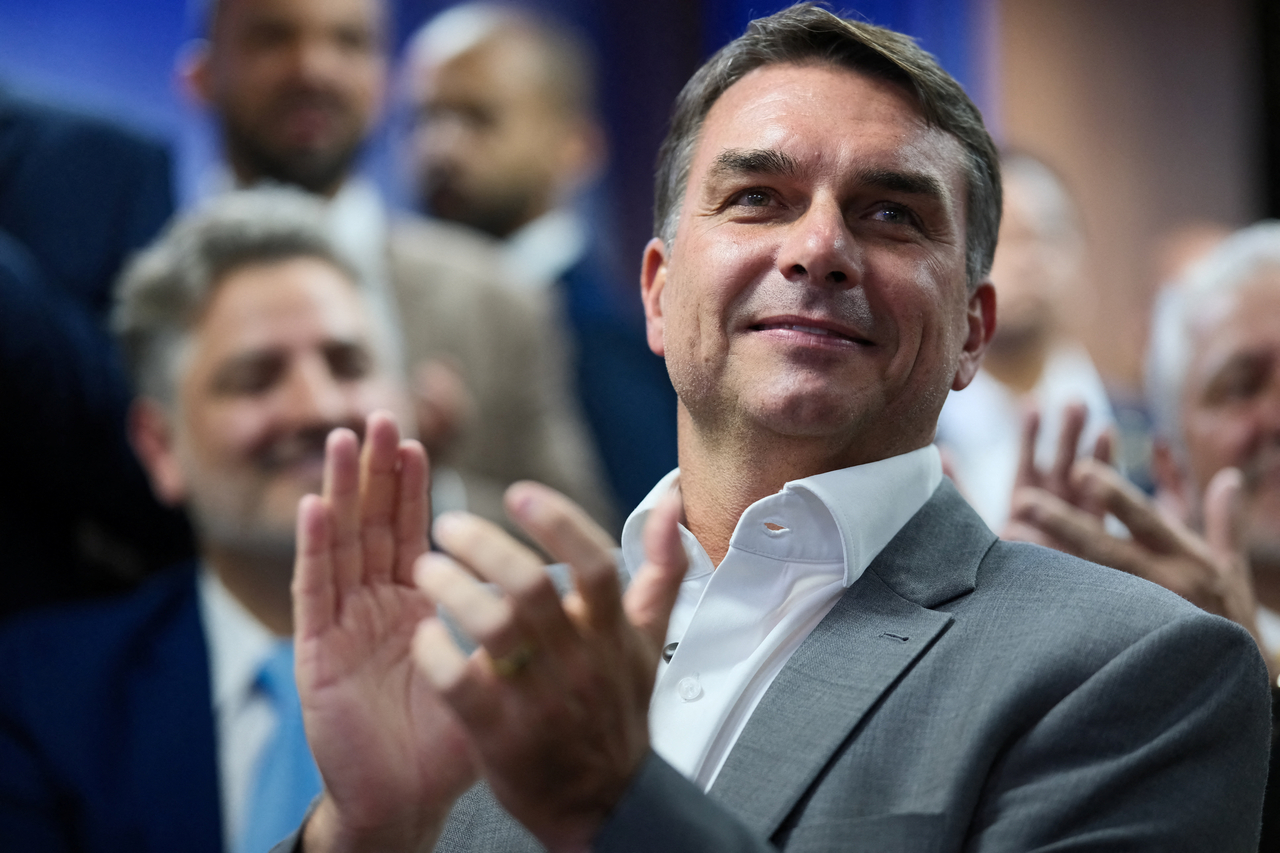
"The Bolsonaro political dynasty has expanded its reach."
That was AFP's assessment after Flavio Bolsonaro (45), a senator, pulled off a surprise first-place finish in Brazil's first-round presidential vote on Oct. 4, as members of former President Jair Bolsonaro's (71) family swept a string of races. Jair's third wife, Michelle (44), won a Senate seat representing the federal district that includes the capital Brasilia, while his brother Renato (62) was elected to the state legislature in São Paulo. Jair's second son, Carlos (44), secured a Senate seat in the conservative stronghold of Santa Catarina state in the southeast, and his fourth son, Jair Renan (28), won a seat in Santa Catarina's lower house.
The family's surge has reignited debate over a "political dynasty." Germany's weekly magazine Stern ran a piece saying that next to the Bolsonaro clan, even the family of US President Donald Trump looks restrained — arguing the Bolsonaros have turned politics into a family business, riding the former president's coattails. Stern said the only Bolsonaro who has not entered politics is 15-year-old daughter Laura, still a minor. Every Bolsonaro old enough to run, it noted, has run.
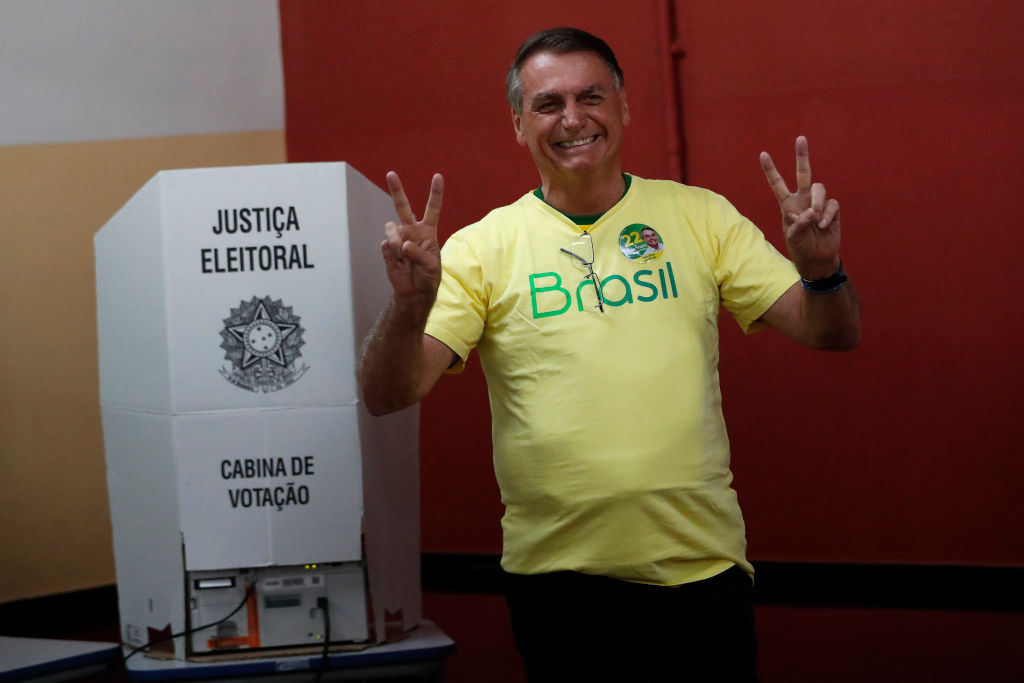
The dynasty's founder, Jair Bolsonaro, rose from a fringe lawmaker to the Liberal Party's presidential candidate in 2018 on the strength of his blunt rhetoric, hard-line security policies, anti-corruption messaging and social conservatism. But the man dubbed "Brazil's Trump" failed to deliver on the economy or anti-graft promises, and by 2022 public sentiment had shifted back to the Workers' Party's Luiz Inácio Lula da Silva.
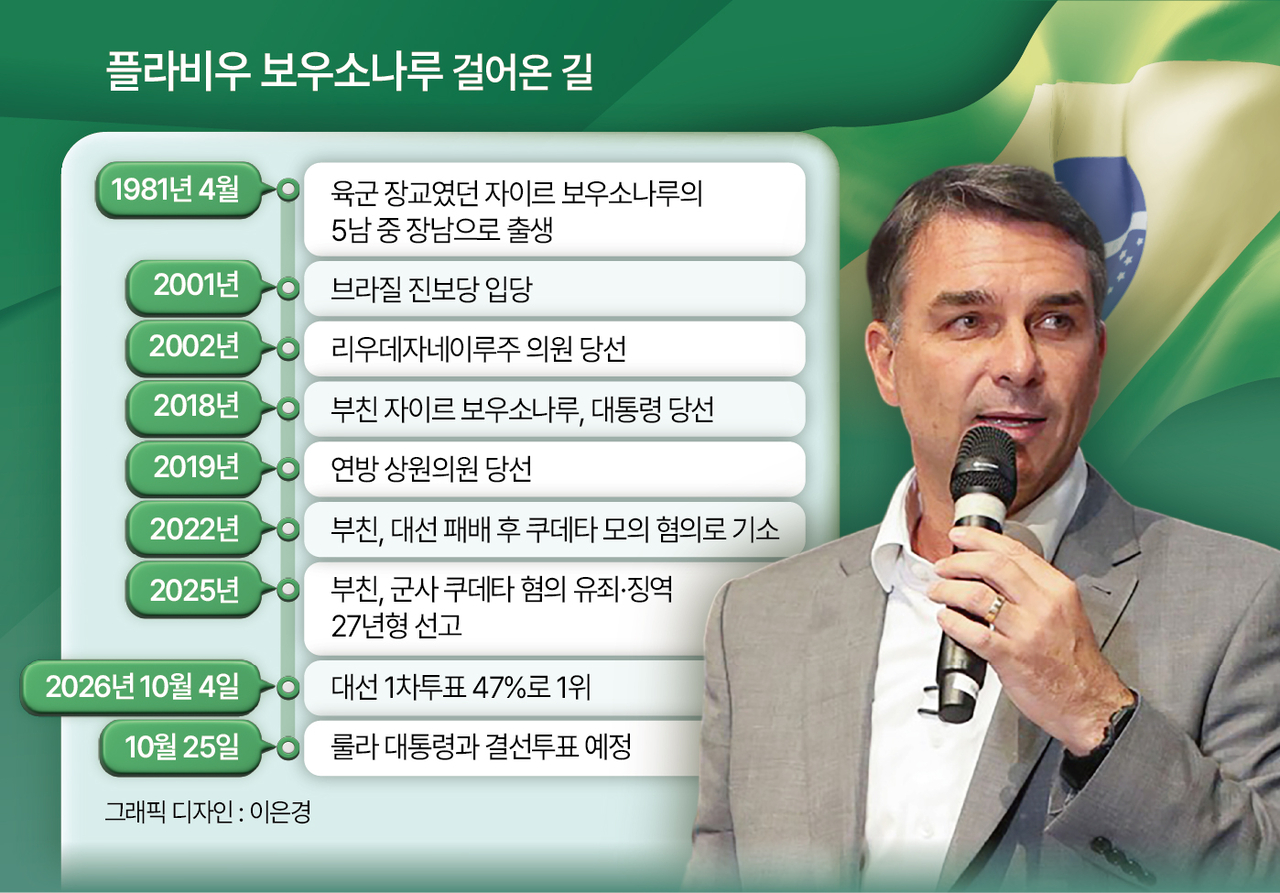
After losing that election, Jair was convicted of plotting a coup and is now under house arrest. His eldest son Flavio stepped in to run in his place. Initially dismissed as a stand-in, Flavio exceeded expectations by a wide margin. He steadily built support and took 47 percent of the first-round vote, edging out left-leaning incumbent President Lula at 45 percent. The two will meet again in a runoff on Oct. 25. The outcome will determine the fate of Lula's presidency and of the Latin American left more broadly — which is why the result has the attention of the United States and the world.
His father's political heir, entering politics at 21
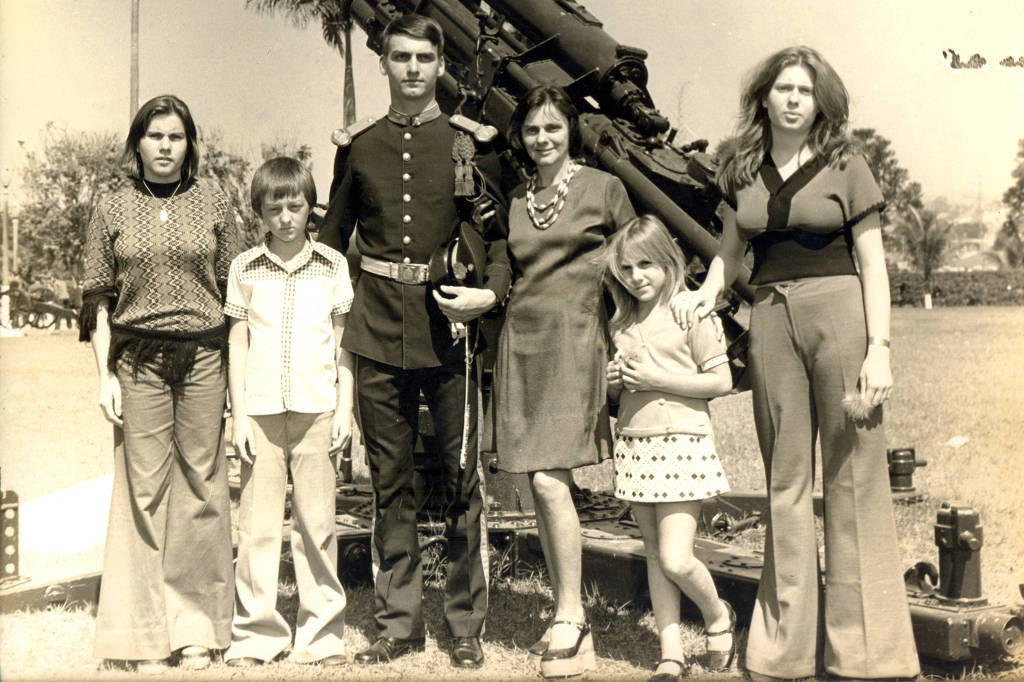
Flavio is the eldest of Jair Bolsonaro's five sons and bears such a strong resemblance to his father's younger self that the family connection is unmistakable at a glance.
Born in 1981 in Resende, Rio de Janeiro state — home to the Agulhas Negras Military Academy, where his father was then an army officer — Flavio joined Brazil's Progressive Party at 20 and earned a degree in electoral law. He won a seat in the Rio de Janeiro state legislature at 21 in 2002 and became a federal senator at 37.
His style is less combative and incendiary than his father's, but his positions are no less hard-line. He has praised El Salvador President Nayib Bukele's tough security policies, saying Brazil needs to build "a great many more prisons." He has publicly defended Brazil's military dictatorship era, arguing it was "not a period of democratic regression but merely a transitional phase." He also supports reinstating the death penalty and lowering the age of criminal responsibility to 16.
Until his imprisoned father named him as his political heir, Flavio was little known outside his home state and had never publicly expressed presidential ambitions. In interviews he describes himself as "a more moderate Bolsonaro" and calls his father "my compass and my reference point." At a campaign rally in Rio de Janeiro he acknowledged the comparison directly: "I know I resemble my father," he said, "but comparing Pelé's son to Pelé is a difficult thing to do." The remark captures his dual strategy — leaning into his father's legacy while reaching out to centrist voters.
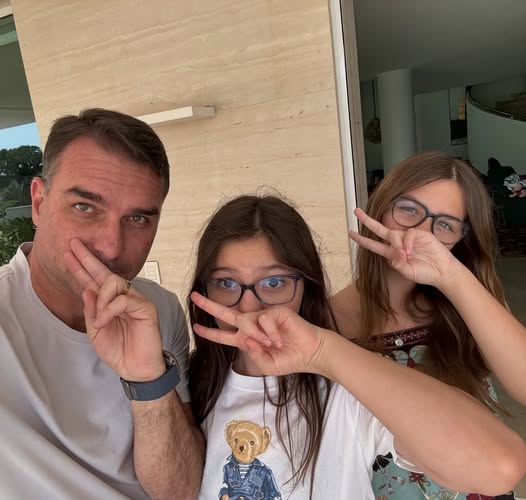
On the campaign trail, Flavio favors jeans and T-shirts — one bearing the slogan "The Amazon is ours" when stressing Brazilian sovereignty over the rainforest, another reading "Agriculture is great" when courting the farm vote. He also projects a strong family image. In one campaign video, his wife Fernanda, a dentist, joked that she deserves credit for softening him: "I re-educated him," she quipped. A father of two daughters, he actively cultivates his image as a family man.
He has also embraced AI-generated campaign content on social media, including clips showing him piloting a fighter jet in a flight suit and aviator sunglasses, or leaning out of a boat to open fire on drug traffickers. Political analyst Thomas Traumann said Flavio is "friendlier and more approachable than his father," but added: "That does not mean he is any less ideologically far-right."
'I will pardon my father if elected' — trading on family ties, shadowed by scandal
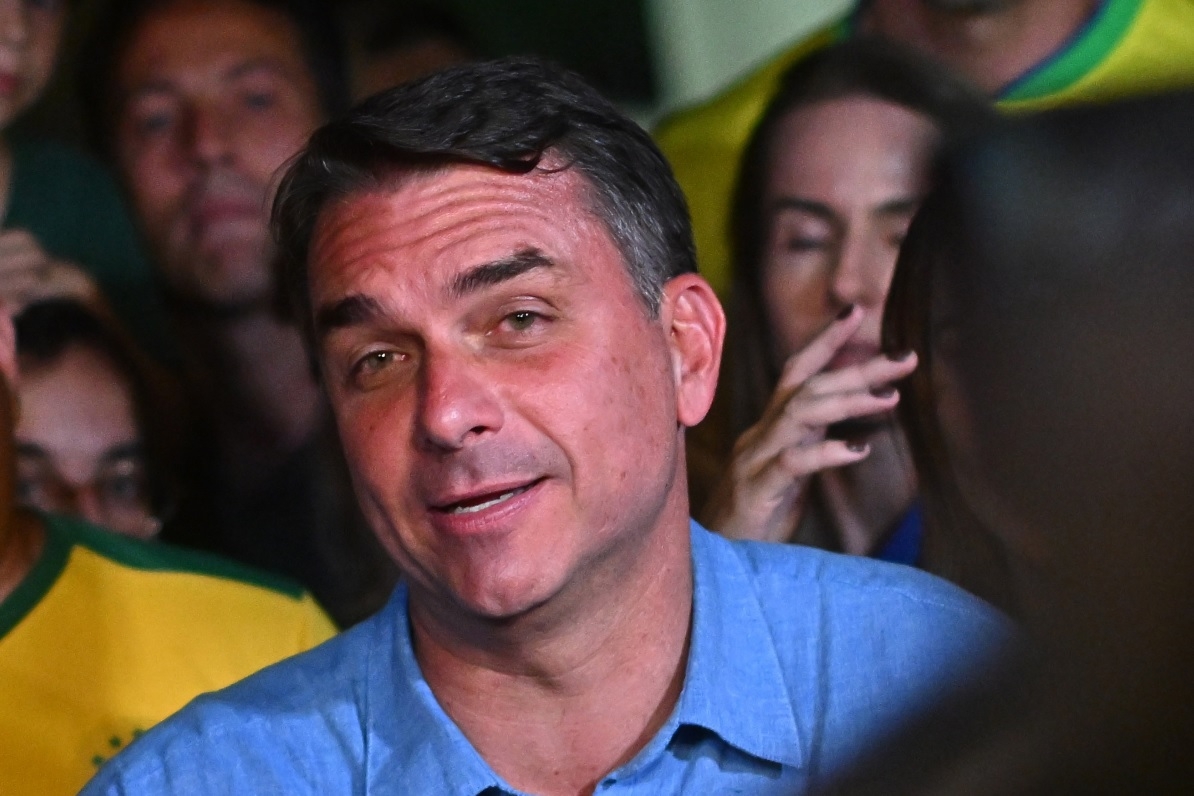
Flavio has made his identity as his father's political heir his most important asset, and he has been explicit about his intention to carry on Jair's agenda if he wins. His core campaign pledges center on cracking down on violent crime, shrinking the size of government and forging a close relationship with the Trump administration.
Restoring his father's political honor is another central mission. According to Reuters and other outlets, after clinching first place in the Oct. 4 vote, Flavio told reporters he was "glad to confirm that Brazil wants change" and called for an end to Lula's long hold on power. He also said he would pardon his father — who is under house arrest after being sentenced to 27 years for plotting a coup — if he takes office.
His eagerness to rehabilitate his father has at times spilled into scandal. It emerged last month that Flavio is under investigation for corruption and money laundering in connection with the financing of "Dark Horse," a biographical film about Jair Bolsonaro. The film received more than half its $24 million production budget — $12.2 million — from Daniel Borcaru, a banker imprisoned for a multimillion-dollar fraud scheme. There are also allegations that public parliamentary funds were used. The central question investigators are examining is whether Flavio and his brother Eduardo, another of Jair's sons, promised Borcaru political favors including a pardon in exchange for his financial backing. Flavio initially denied ever having contact with Borcaru, but acknowledged all the allegations after leaked investigative materials contradicted his denial.
Flavio has also clashed with his stepmother, former first lady Michelle. In an Instagram video, Michelle said Flavio had "disrespected and mistreated" her. She later accepted his public apology but has not appeared at a single campaign event for him — a sign that the rift has not fully healed.
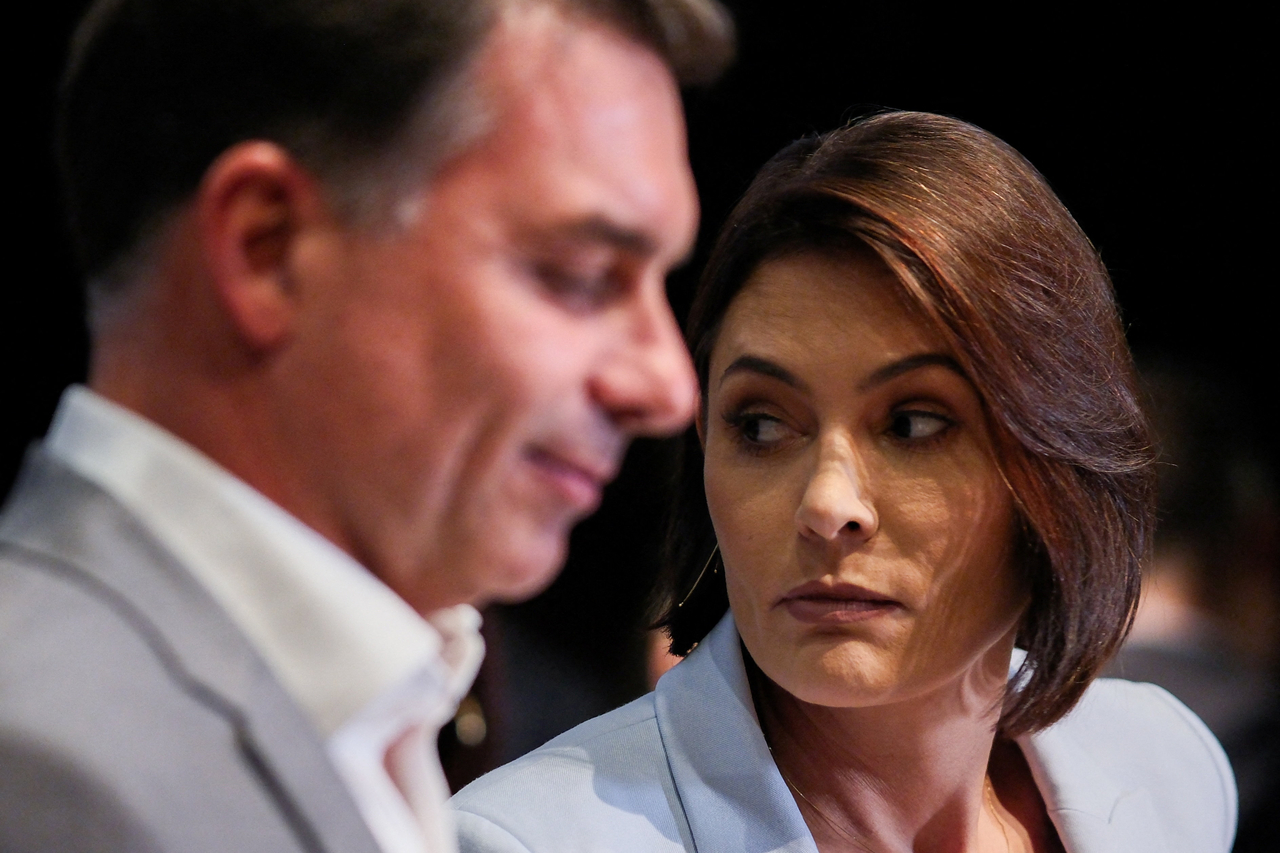
Can an anti-incumbent wave carry a political scion to the presidency?
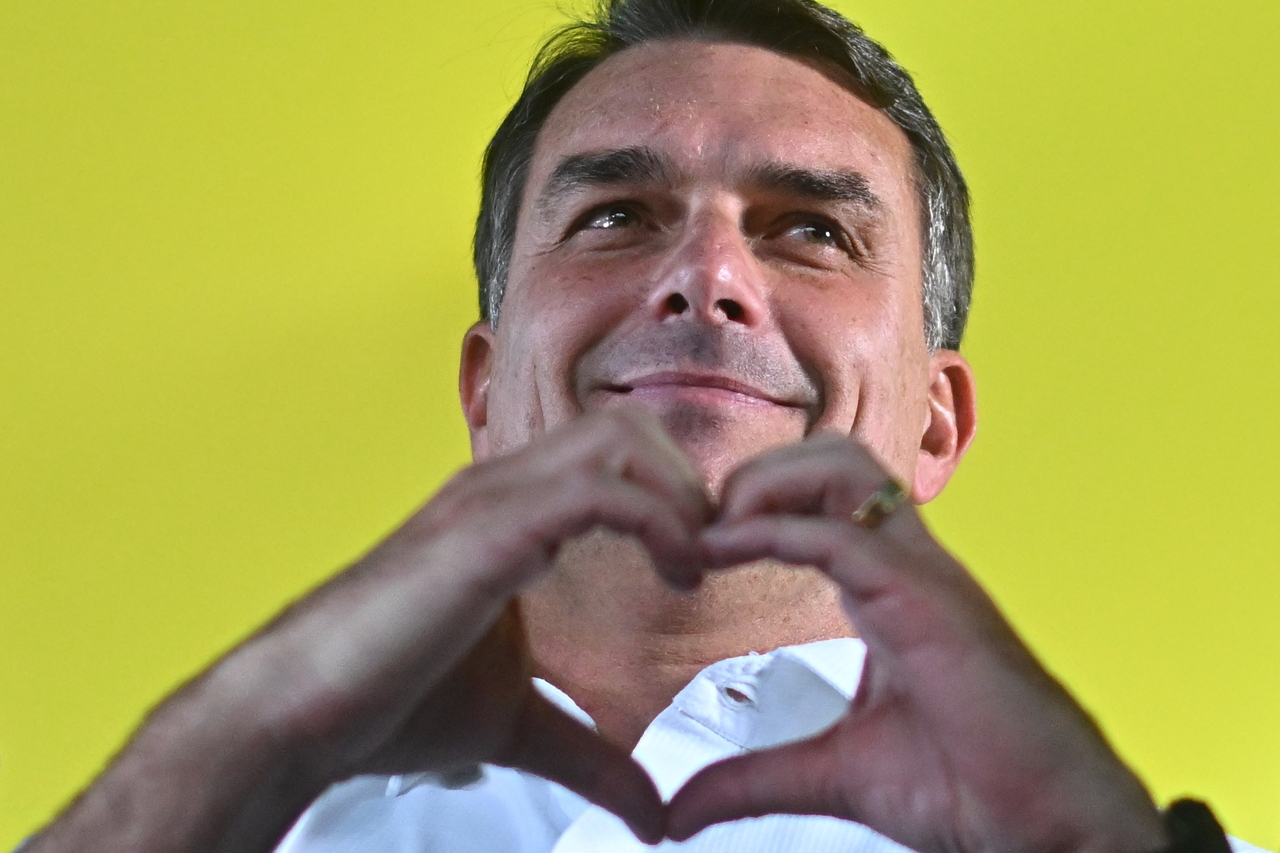
Few expected Flavio to perform this strongly when he entered the race. His opponent is a three-term incumbent president. As recently as last May, Lula led in polls at 40 percent to Flavio's 31 percent.
But as right-wing support consolidated around Flavio, he surged from last June onward, ultimately edging out Lula by 2 percentage points in the first round — a genuine upset.
An anti-incumbent mood driven by high inflation and deteriorating public finances has also worked in his favor. Since Lula's third term began in 2023, annual consumer price growth has hovered near 5 percent each year, exceeding the central bank's 3 percent target, while total public debt has risen by roughly 10 percentage points to 81.9 percent of GDP.
Brazil is sometimes called "El Dorado" — the land of gold. It is rich in oil, food and critical minerals, and generates 89 percent of its electricity from renewable energy. That abundance of clean power is an asset for attracting data centers and low-carbon industries. As US-China competition intensifies, Brazil's strategic value can only grow.
Yet natural resources alone cannot guarantee the next government's success. High interest rates, fiscal pressures and corruption allegations all weigh on the country. Flavio has benefited from anti-incumbent sentiment as the challenger, but if he wins, that same sentiment becomes his burden to bear.
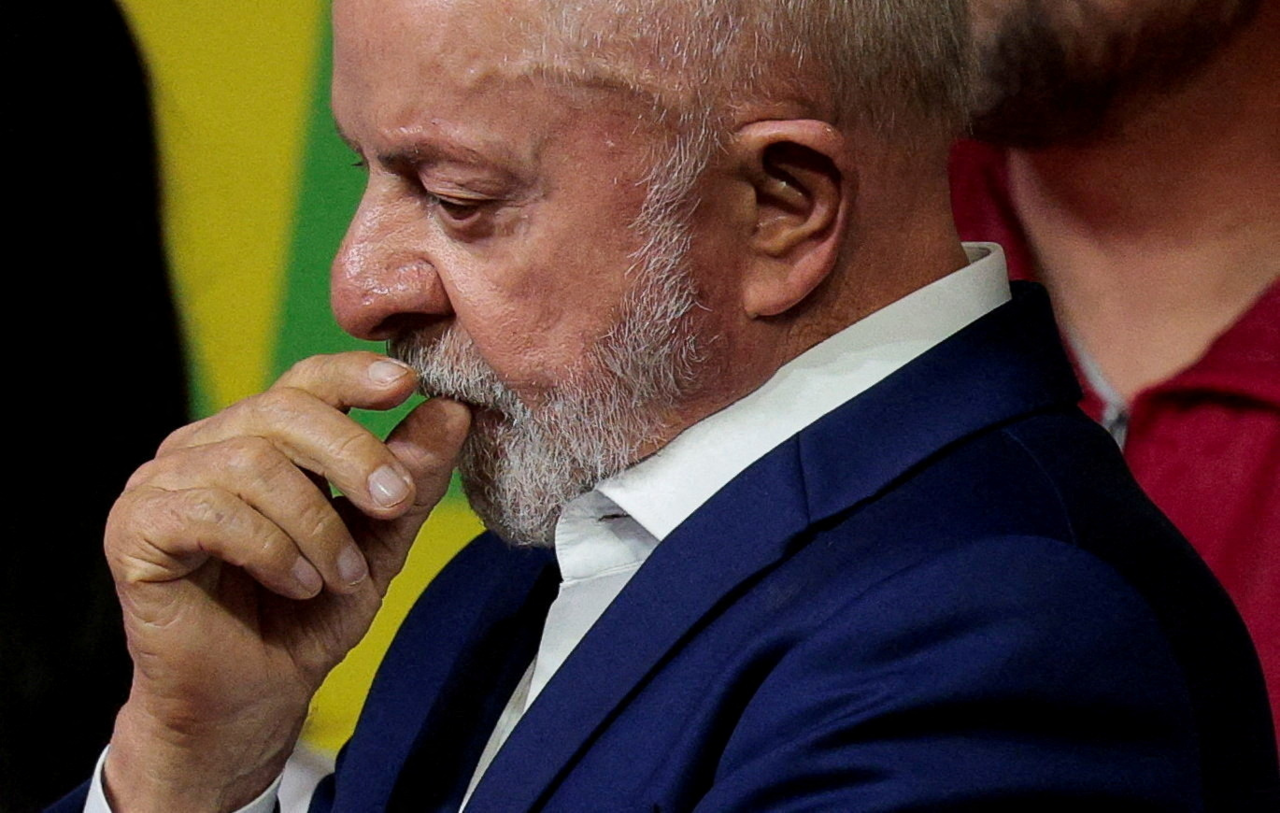
His victory is far from certain. Lula commands a solid base among rural communities and labor unions. Having suffered an unexpected defeat in the first round, his supporters may rally more forcefully for the runoff. Lula himself has expressed confidence, saying, "I am strong on the knockout stage."
The Economist ran a provocative piece on Sept. 24 suggesting Brazil's next president would be "a vengeful silver-spoon scion or a decrepit leftist." Whoever wins, the magazine argued, may not have the political capacity to translate the country's vast resources into growth.
Trump eyes Brazil as the final piece of his Latin American 'blue tide'
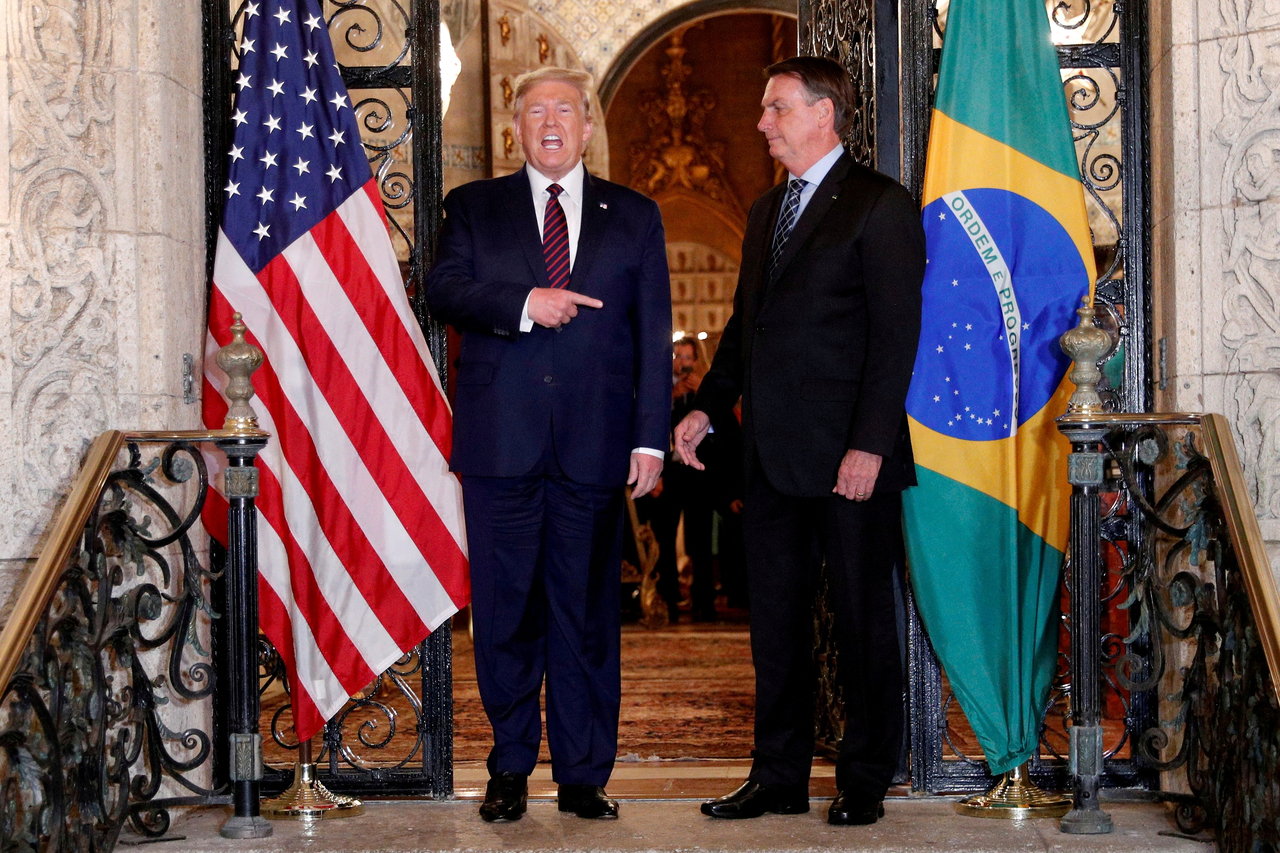
Whether Donald Trump will seek to influence the Brazilian runoff is another question drawing attention. The election has become a focal point for right-wing leaders across the Americas.
Trump was close to Jair Bolsonaro during his first term, and Flavio met with Trump privately at the White House last May. Trump has posted multiple times calling for Jair's acquittal and release. Argentine President Javier Milei, a Trump ally, attended a campaign rally for Flavio last July to show his support.
As right-wing governments have multiplied across the hemisphere, Latin America has been shifting from a "pink tide" of leftist rule toward a "blue tide" of consecutive right-wing governments. Brazil has been the left's last major stronghold in the region. If Flavio wins, Mexico under President Claudia Sheinbaum would be the only remaining left-wing government in Latin America — and South America would turn entirely to the right.
Spain's EFE news agency described Brazil as the "final piece" of the right-wing shift in Latin America that Trump has been backing. Flavio has said he would join the Americas Shield, a US-led regional security cooperation framework, if elected, and last year he signaled on social media that he would even welcome US military involvement in Brazil.
Trump has actively intervened in Latin American politics. Brazil has been no exception: the Trump administration imposed tariffs on Brazil in an effort to halt the prosecution of Jair Bolsonaro, sanctioned a key Supreme Court justice and revoked the visas of several senior officials.
That pressure appears to have backfired, however, by stoking resistance to what many Brazilians see as foreign interference. Lula has repeatedly condemned outside "meddling in internal affairs" and made it a central campaign theme. He has taken to wearing a cap bearing the phrase "Brazil belongs to Brazilians" to signal his commitment to national sovereignty.
The White House appears to have taken note and gone quiet ahead of the runoff. Despite Flavio's first-round lead over Lula, Trump said nothing on social media. A White House aide explained that the silence was a strategic calculation given the intensity of Brazil's electoral climate — reasoning that an endorsement that backfires is worse than no endorsement at all. Even as Trump stays silent, all eyes are on whether Brazil will become the final piece that completes his blue tide across South America.
mokiya@heraldcorp.com



