
First jeonse leases expire at Olympic Park Foreon in Gangdong-gu
Owner-occupancy rules, lending curbs and tax changes wipe out supply
Tenants plead to stay, but landlords say they are moving in
The tenant offered to pay double the going rate, but the landlord turned them down, saying they needed to fulfill the long-term residency requirement.
Tenants who need to stay in the neighborhood for their children's school are looking at smaller units. When they first moved in, an 84-square-meter unit went for around 900 million won ($674,000) in jeonse. Now, even if they scrape together extra money to downsize to a 59-square-meter unit, they're looking at 1.2 billion or 1.3 billion won — it's just too much.
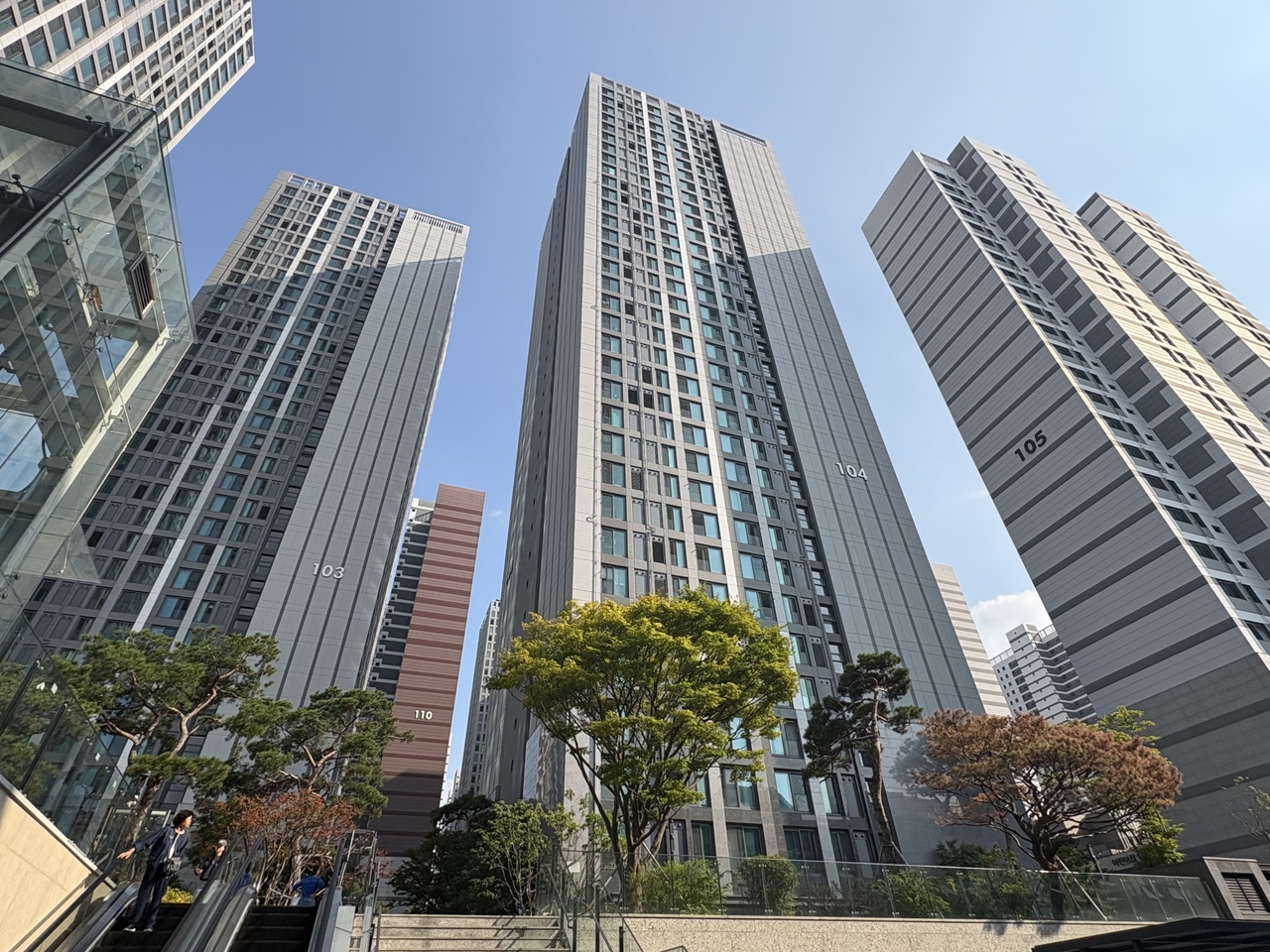
Those were the stories real estate agents near Olympic Park Foreon in Dunchon-dong, Gangdong-gu, Seoul, shared Monday, as the complex's first wave of jeonse leases approaches expiration. Tenants who secured affordable jeonse contracts two years ago during the complex's mass move-in period are now struggling to find anywhere to go. With landlords moving back in, available listings have all but vanished and jeonse prices have nearly doubled.
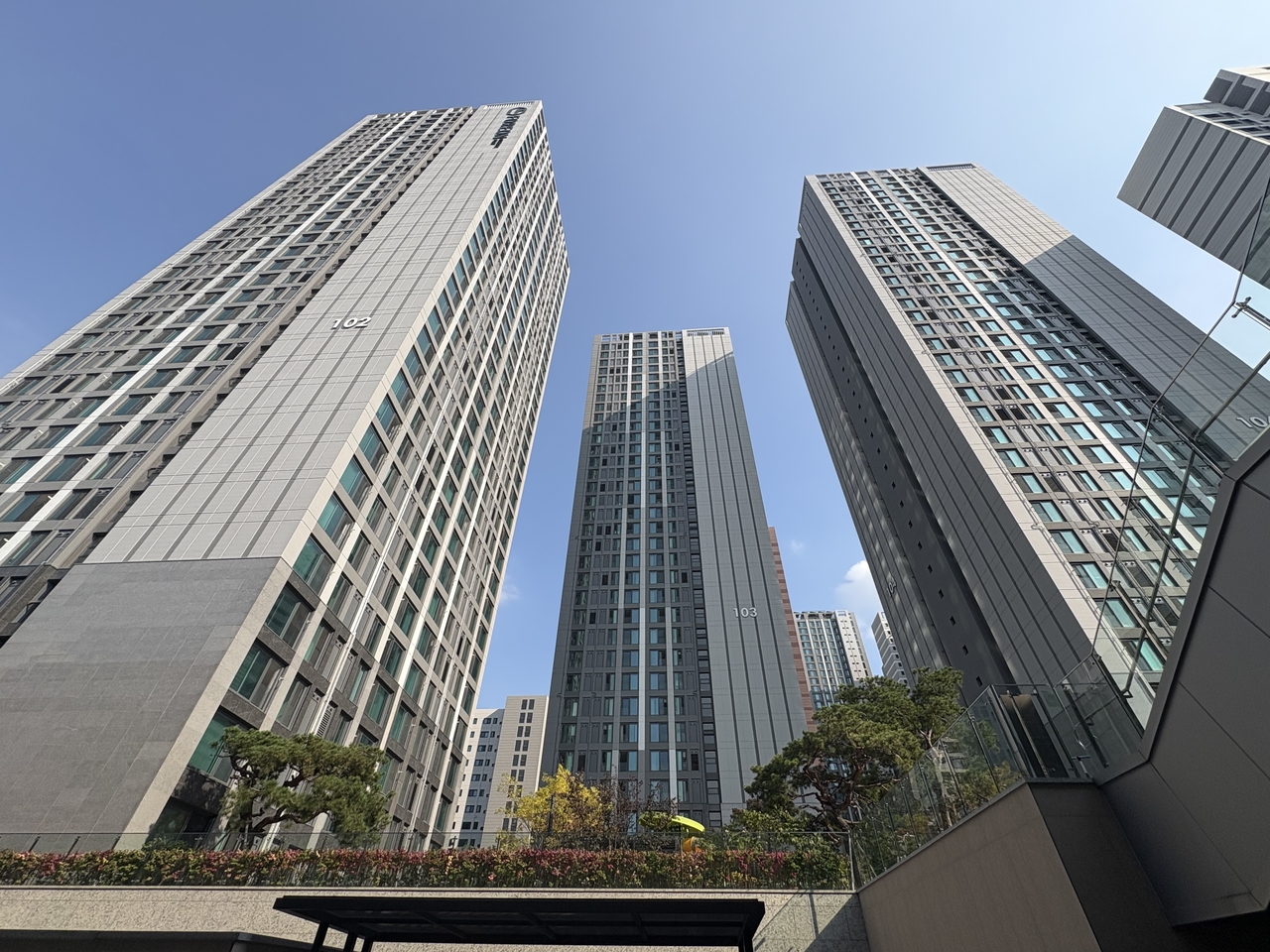
Dubbed the largest reconstruction project in South Korean history, Olympic Park Foreon is a massive complex of 12,032 units that began accepting residents in November 2024. The two-year jeonse contracts signed at that time are now coming due in sequence. Ordinarily, a complex's second year of occupancy brings a flurry of activity — departing tenants, renewals and new contracts — but the mood on the ground was the opposite.
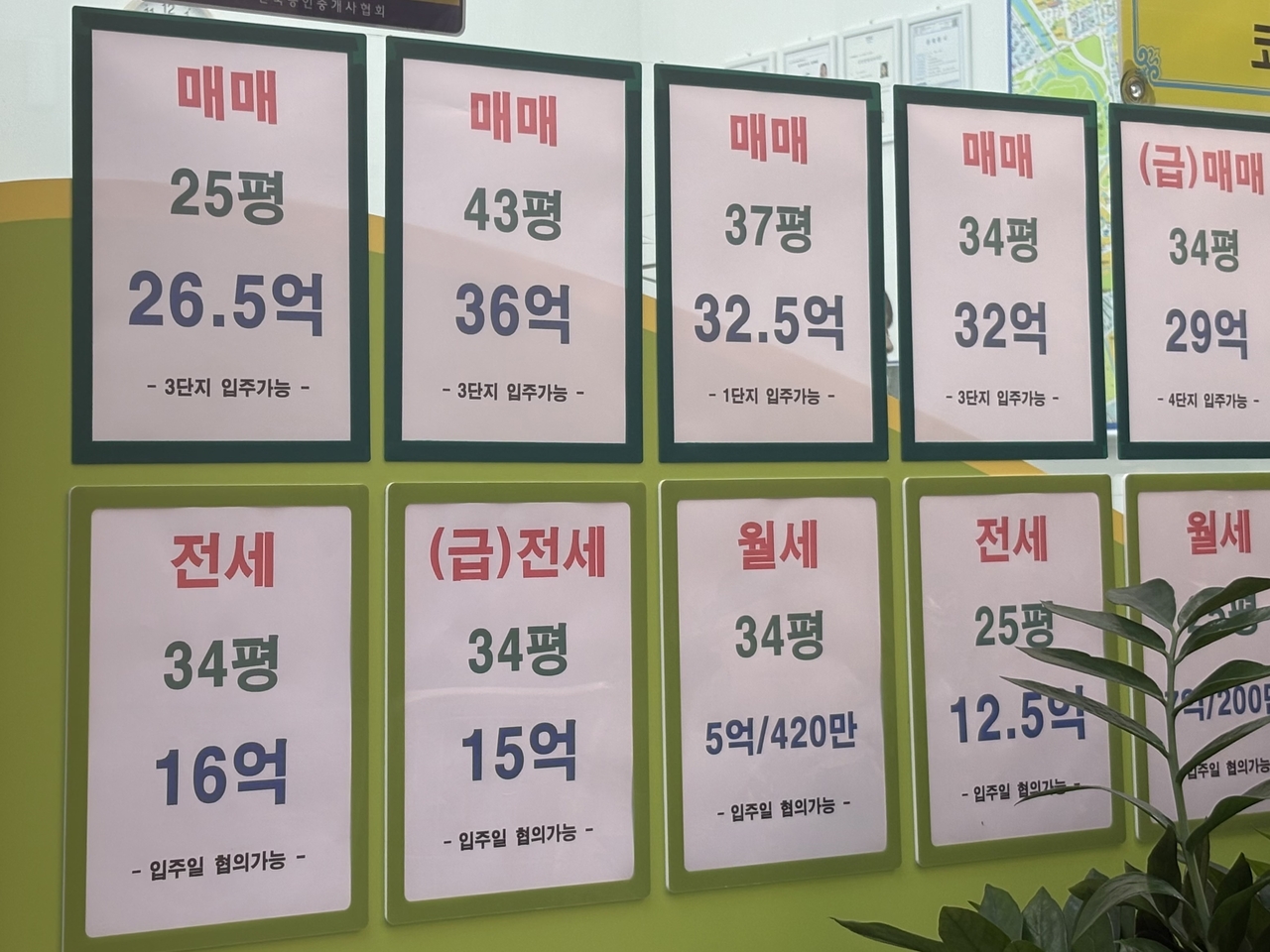
"This complex has over 12,000 units, and there are fewer than 10 jeonse listings," an agent at a real estate office inside the complex said. "Every time a deal does get done, the price keeps going up." The head of a nearby agency added that volume had fallen to one-tenth of what it was during the initial move-in period, saying, "I thought more listings would come out as the two-year mark approached, but it's a complete wipeout — there are literally no 59-square-meter units available."
Behind the disappearance of jeonse listings is a broad shift toward owner-occupancy. Of Olympic Park Foreon's total units, 4,786 were sold through general pre-sale, and those homes carry a two-year owner-occupancy requirement. Landlords who used jeonse deposits to cover their remaining purchase payments must begin living in their units by November next year — three years after the earliest eligible move-in date.
General pre-sale buyers who moved in themselves from the start will see their mandatory occupancy period end later this year, but agents on the ground do not expect many new jeonse listings to emerge even then. "The owners who are already living there seem inclined to just stay put," one agent near the complex said. "People naturally want to move up to a better neighborhood, but lending restrictions make it nearly impossible to trade up, so they have no choice."
Even cooperative members not subject to the owner-occupancy requirement are choosing to move in or remain in residence to build up the years needed to reduce their capital gains tax burden when they eventually sell. The long-term holding deduction and other tax benefits are driving that calculation.
"If a tenant invokes the lease renewal right, the landlord can only raise the deposit by up to 5 percent of the original contract — but market prices have moved far beyond that over the past two years," the agent said. "Landlords are factoring in a future sale and trying to limit their losses by moving in themselves."
As owners have moved back in and listings have evaporated, jeonse prices have climbed sharply. The 59-square-meter units that initially attracted tenants at around 600 million won set a new record on Sept. 5, when one contract was signed at 1.3 billion won. The 84-square-meter units, which had been in the 800 million to 900 million won range, also hit a new high on Sept. 17 at 1.65 billion won.
Existing tenants who want to stay within the complex now face the prospect of coming up with hundreds of millions of won more. With lending restrictions making it harder to raise funds, many are turning their attention to older apartment buildings nearby. Agents said households that cannot leave the area because of their children's schools are weighing a switch to monthly rent.
Some tenants, aware of how far prices have risen, have proactively offered to pay the new market rate. "The landlord asked the tenant to vacate, and the tenant came back and said, 'Prices have gone up so much — I'll pay you the full market rate,'" the head of one nearby agency said, adding that of every 10 jeonse contracts, only one or two involved a tenant invoking the lease renewal right.
The combination of a listing drought and surging jeonse prices has also sparked disputes between landlords and tenants. Agents said conflicts over contract terms have broken out in some cases, and there have been instances of tenants cutting off contact and going silent. One agent inside the complex said, "Some tenants who moved in believing they could stay long-term are now asking for at least moving expenses."
Agents predicted that without a policy change, no meaningful new supply would come to market. "Jeonse and monthly-rent listings typically appear two to three months in advance, so whatever was going to come out has already come out," one said, adding that lending restrictions were the single most important factor. "Even people who can afford to repay loans cannot get them, so no one is moving and all the listings are frozen," the agent added.
Experts also forecast that the supply squeeze and price pressure would persist for some time. Park Won-gap, a senior real estate specialist at KB Kookmin Bank, said revised property tax rules targeting high-value, non-owner-occupied homes had strengthened the incentive for landlords to live in their own units. "We will have to watch how the tax reform bill passes through the National Assembly, but broadly speaking, jeonse supply in high-end Gangnam-area housing will shrink and upward price pressure will build," Park said.
shy@heraldcorp.com
hwshin@heraldcorp.com




